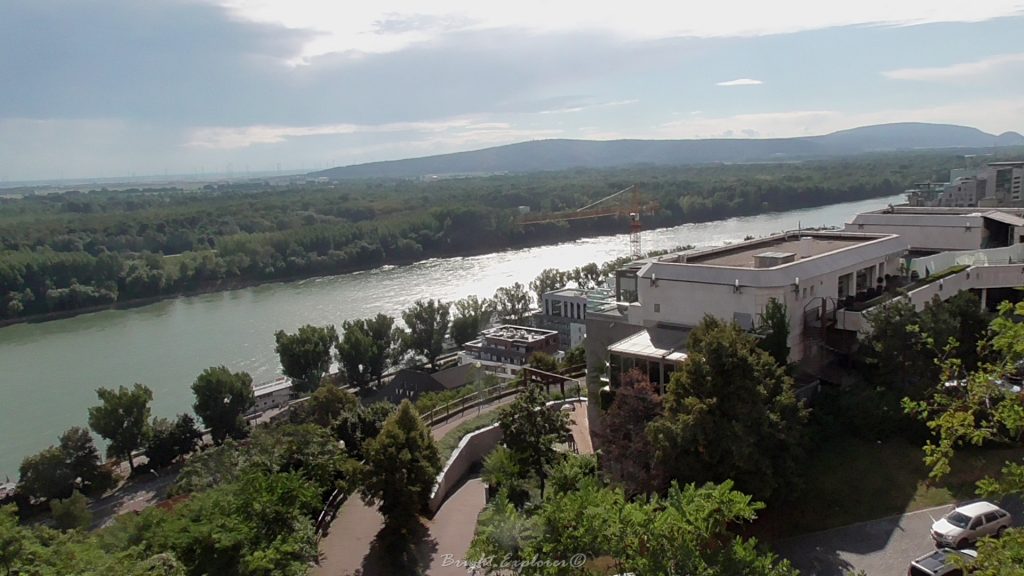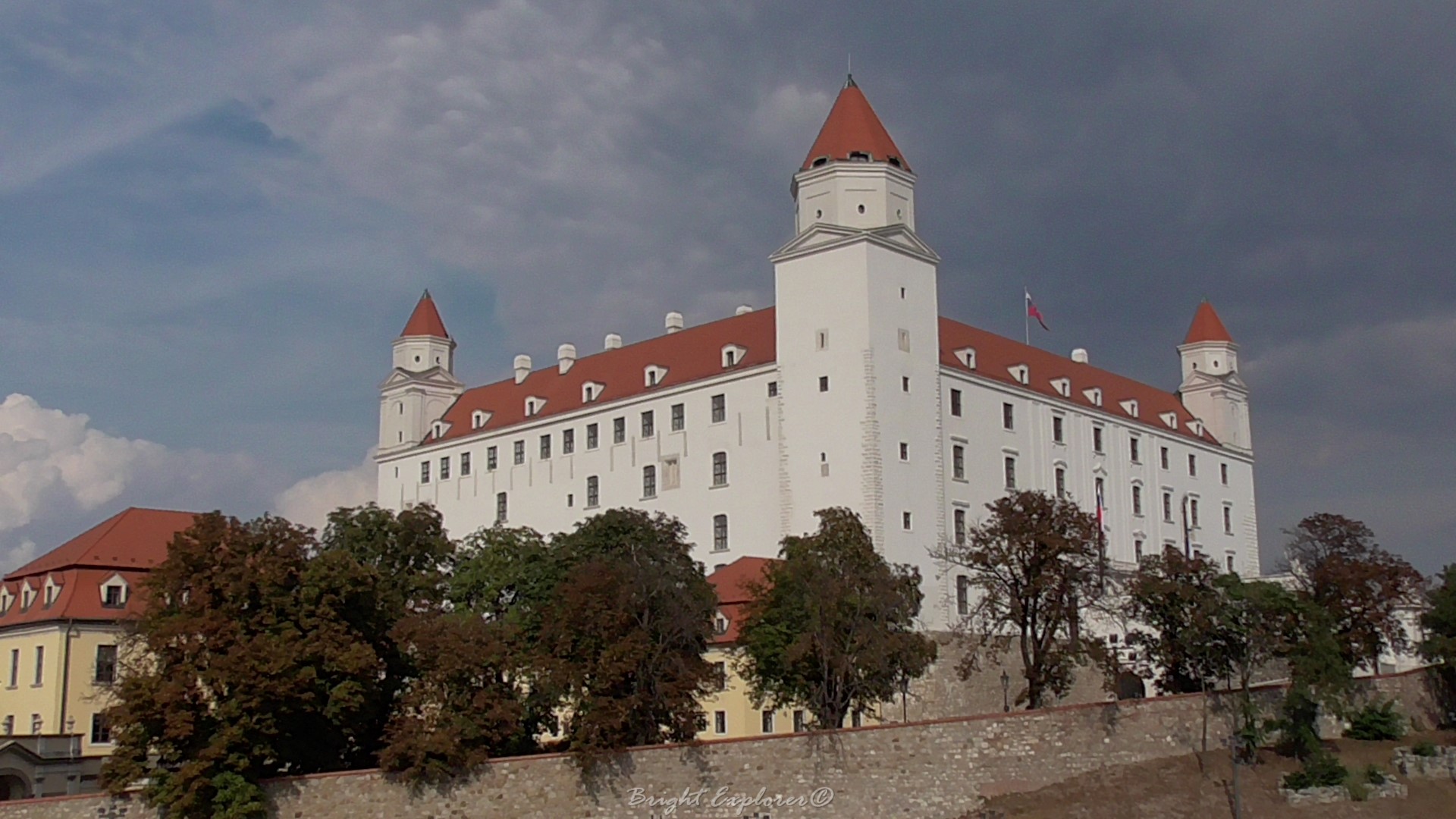
Bratislava is the capital of Slovakia and lies in the center of Europe along the rivers Danube and Morava. It is full of university and college students, so it is a really lively city. Bratislava combines the medieval old town, with baroque palaces, the Castle, communist blocks, and a futuristic bridge.

The best time to visit Bratislava
The best time to visit Bratislava is during the mild months from March to October. However, the city is also very popular in winter. It has a special charm during Christmas, with European traditions, festive music, hot seasonal drinks, and open-air ice skating. You might even be lucky enough to experience the city covered in snow!
How to go to Bratislava
There are many ways to get to Bratislava.
Firstly, you can choose direct flights from across Europe. Prices are higher during summer and Christmas, but they are still relatively affordable. From the airport, buses, trams, and taxis can take you into the city center in 10–20 minutes. For maximum security and comfort, book your airport tranfer in advance. Central Europe also has an extensive railway network, allowing you to travel easily from various cities to Bratislava’s main station, Hlavná stanica. Some trains are high-speed and are connected to Vienna, Austria. Lastly, you can have a nice bus trip to appreciate the nature of Slovakia. You can take the bus from most European cities and relax for the rest of the journey.
Where to party in Bratislava
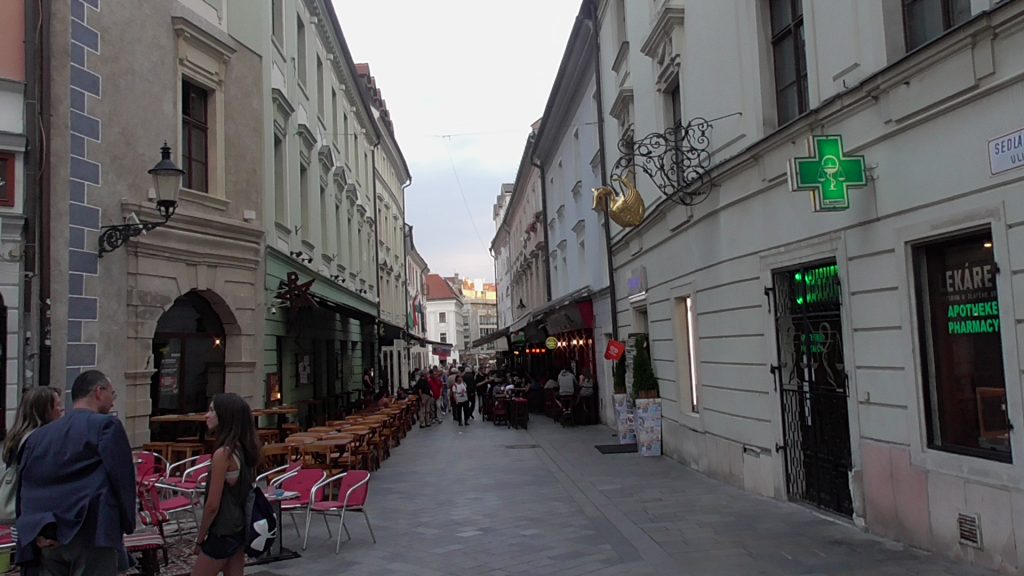
The truth is that when you think of famous party destinations, Slovakia is not usually one of them. However, college students might disagree, as for them Bratislava is more like “Party-slava.” Indeed, if you wish, you can find clubs, music bars, and pubs playing every kind of music you feel like dancing to, along with a wide selection of cocktails and beers. The main nightlife areas include the Old Town, Michalská, Ventúrska, and Obchodná streets, as well as Hviezdoslavovo and SNP squares.
What to see in Bratislava
Bratislava has a few sightseeing areas and buildings that you should definitely walk through and visit.
1) Old town
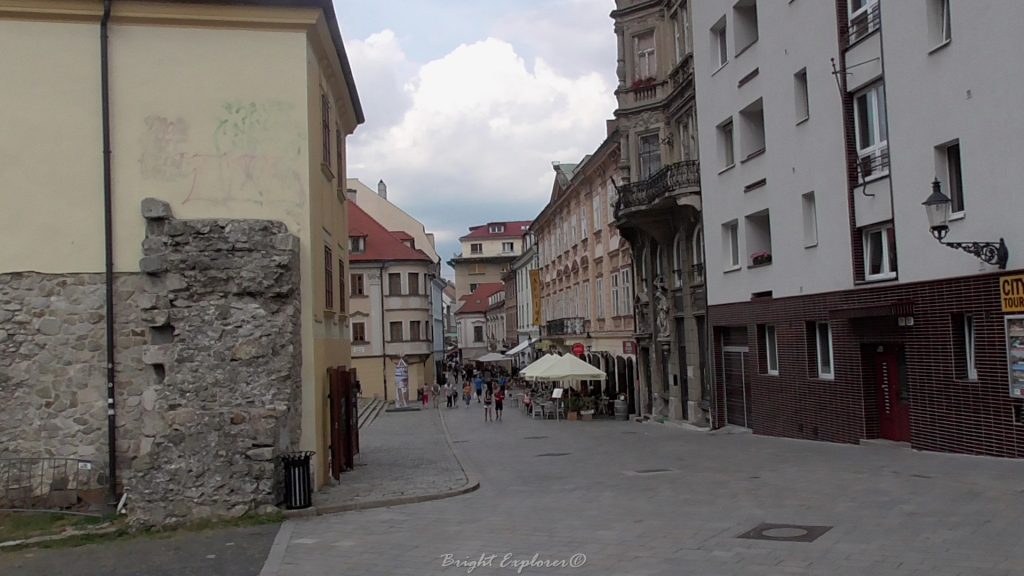
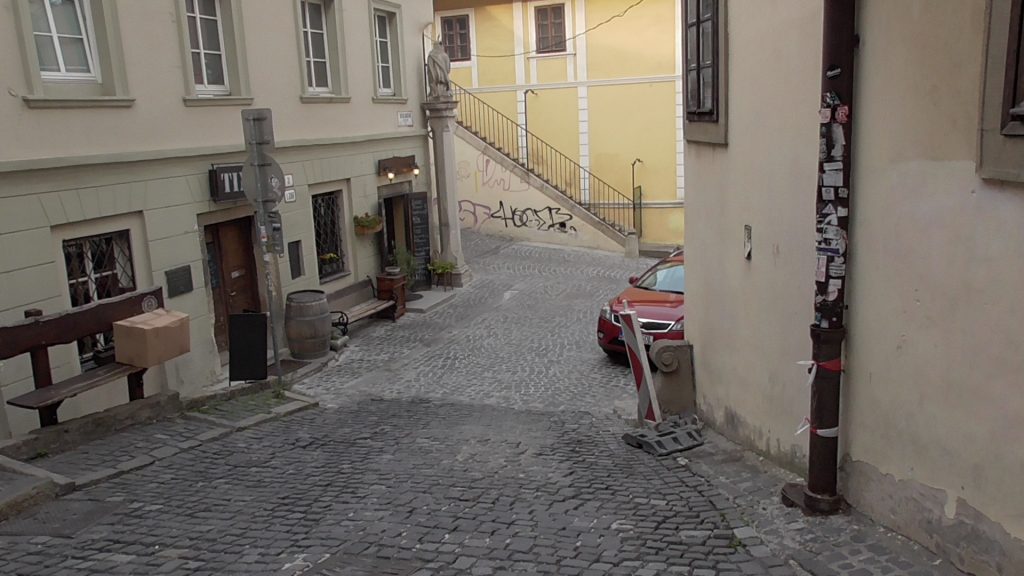
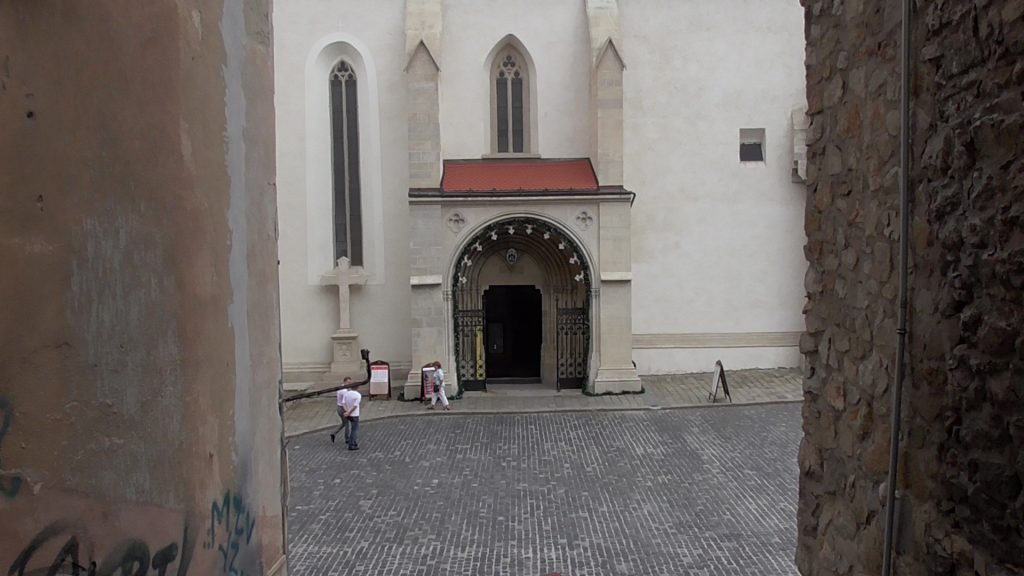
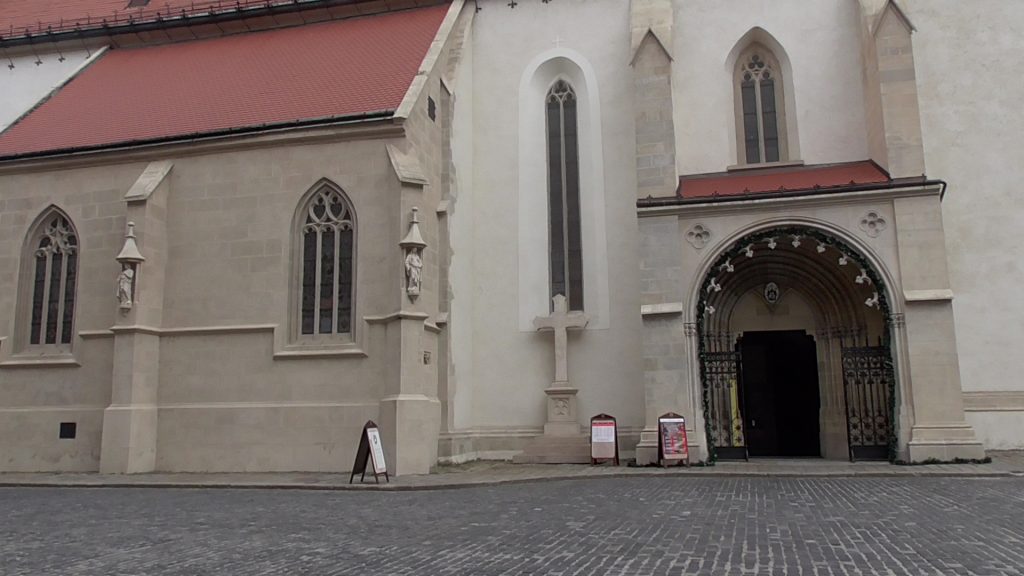
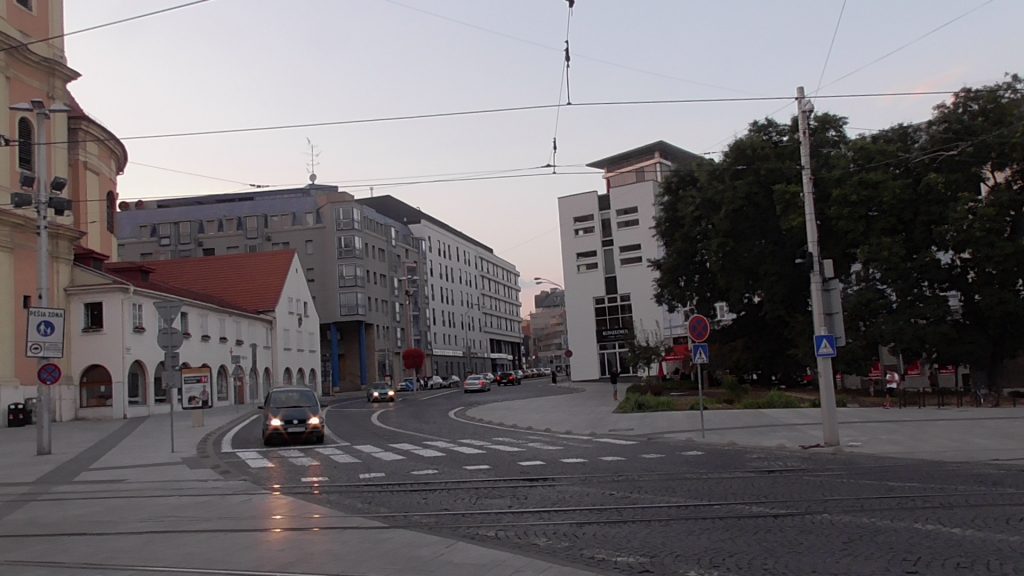
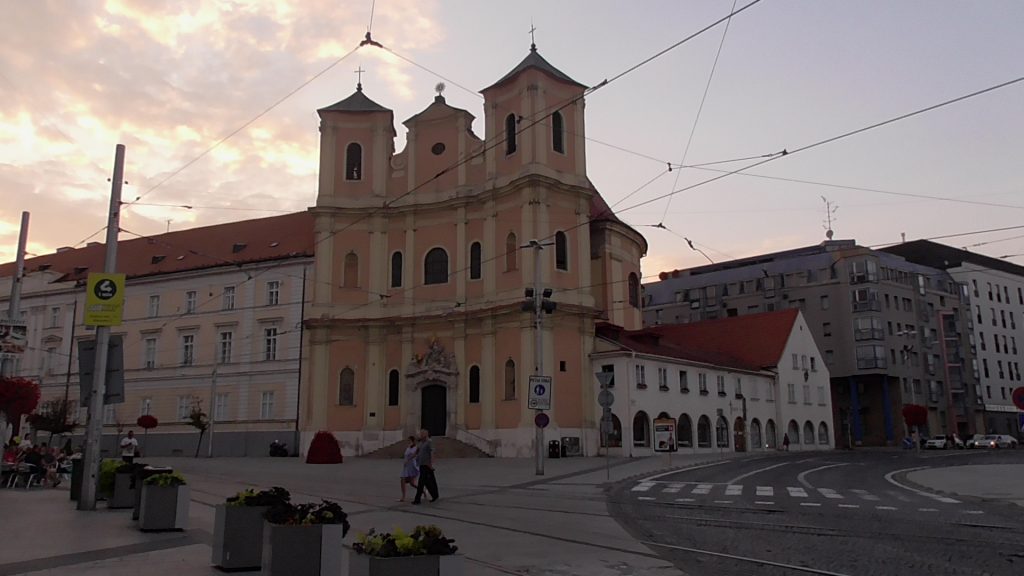
The Old Town of Bratislava is definitely worth a visit. It is the historic center, home to many important landmarks, including cultural institutions, Bratislava Castle, government buildings, and the UFO Observation Deck.
2) Bratislava castle
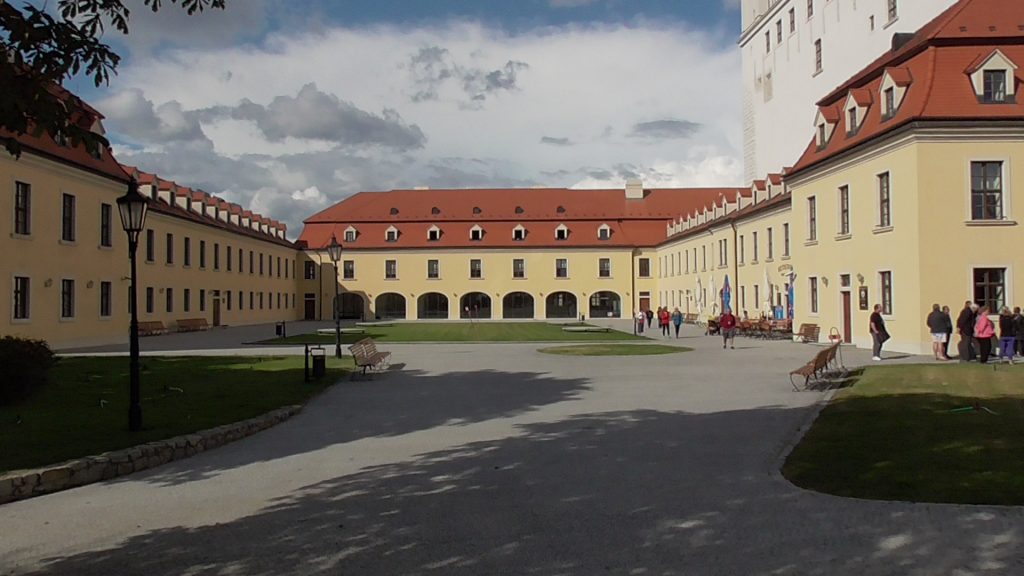
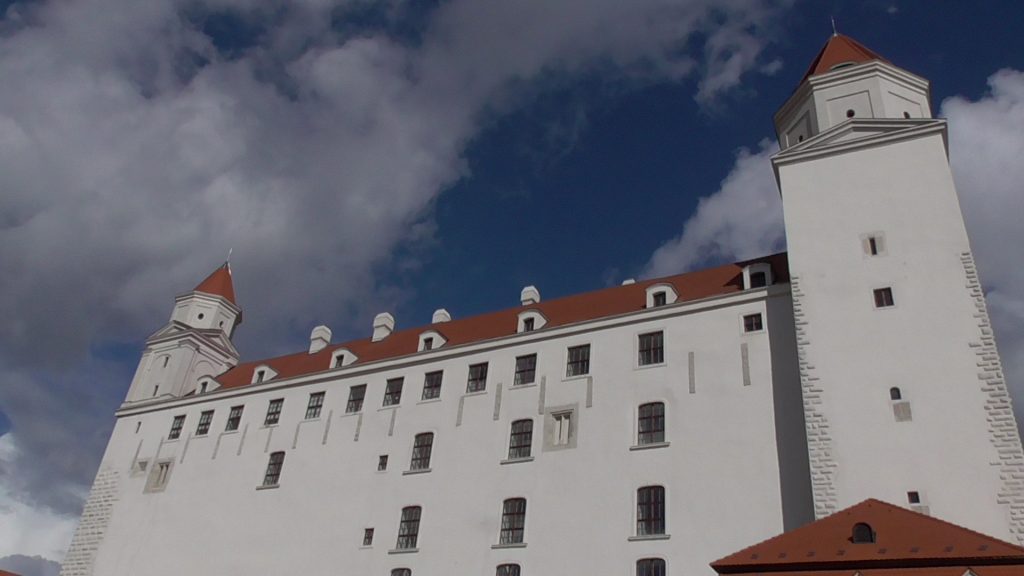
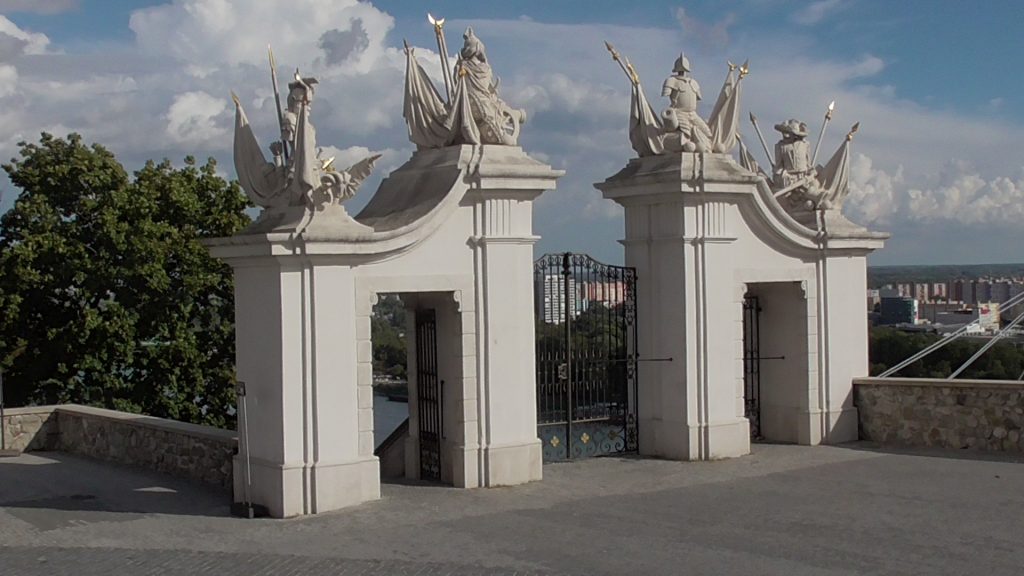
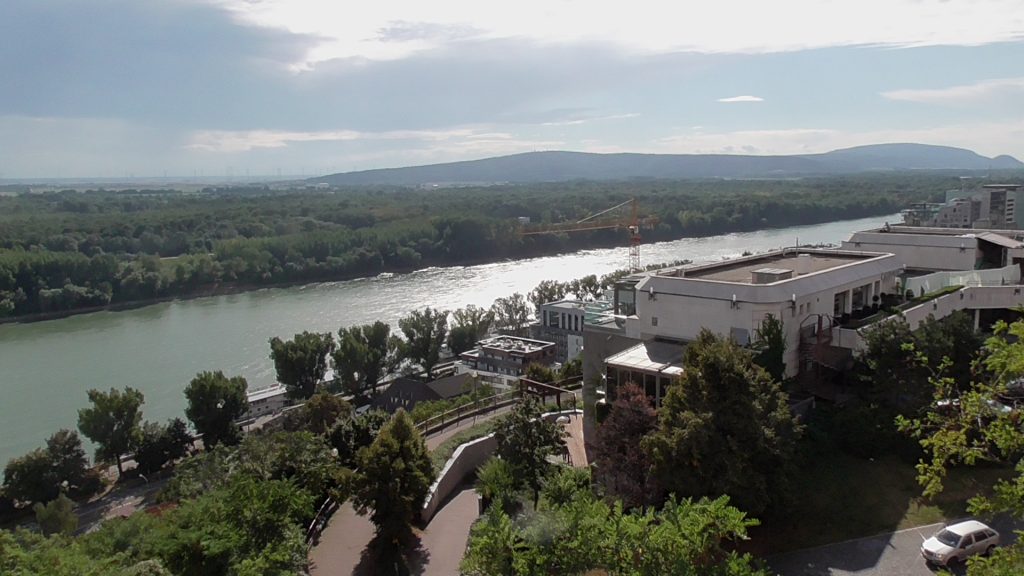
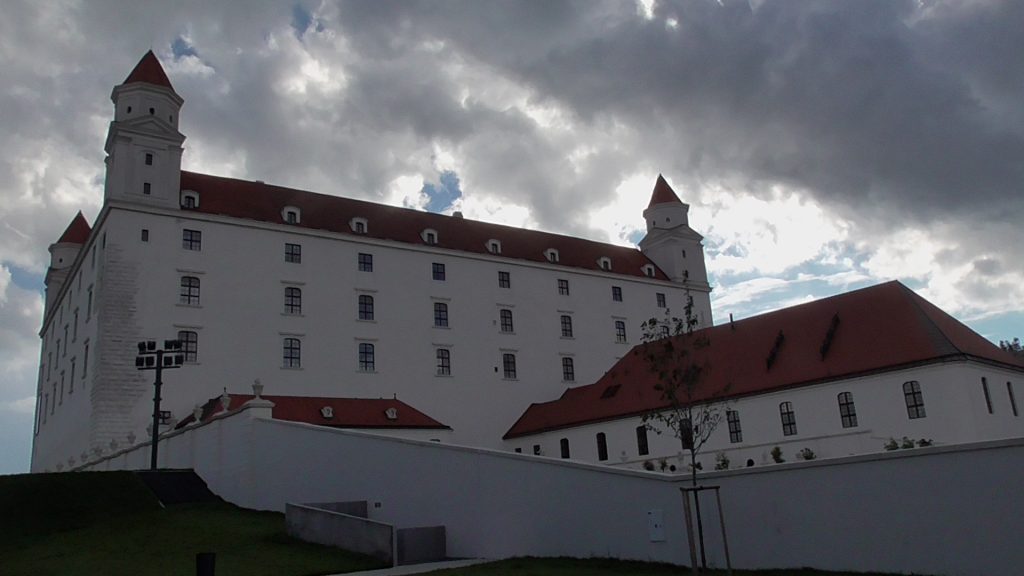
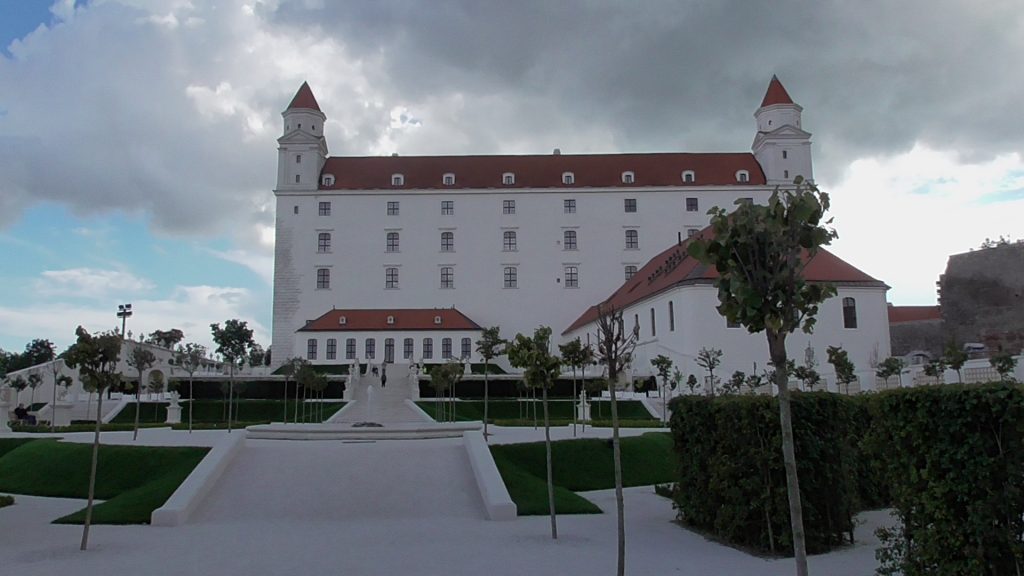
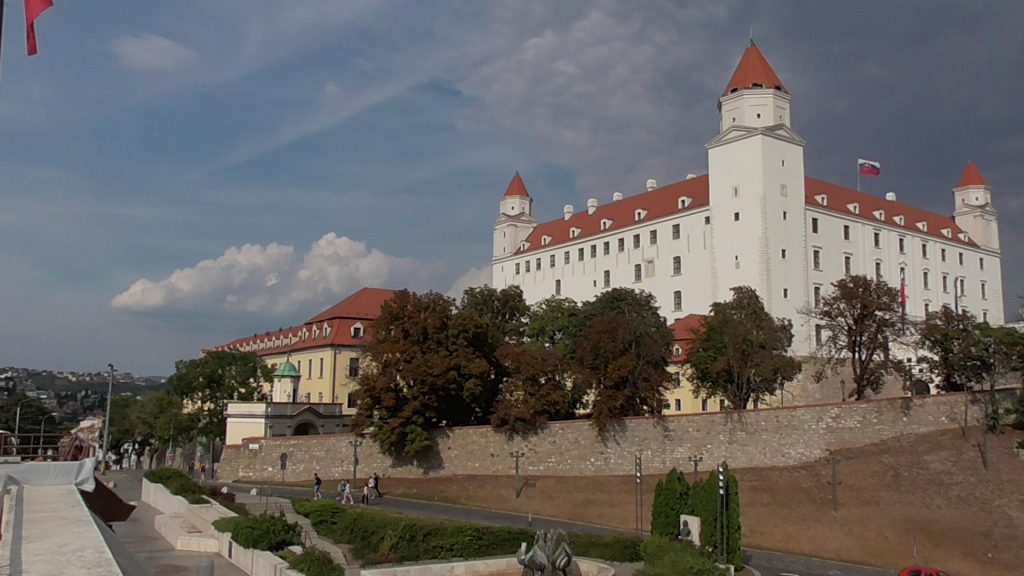
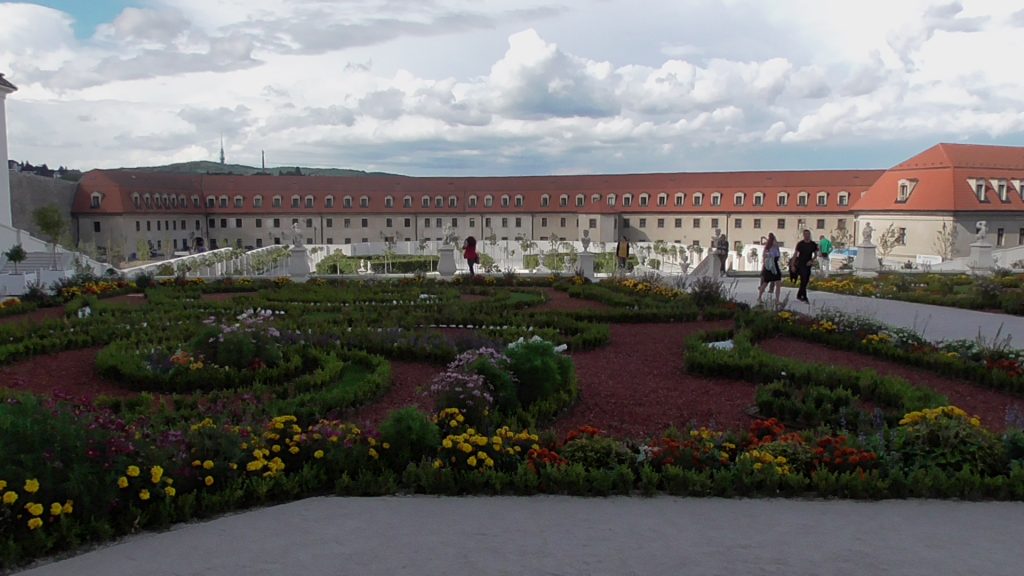
Bratislava Castle is located on a hill above the Old Town. Its history dates back to the Stone Age, and through its exhibitions, visitors can learn about the ethnic roots of the Slovak people, as well as view a numismatic collection spanning from ancient times to the present. The view from the castle is exquisite, making it a popular spot for photography.

3) UFO Observation Deck
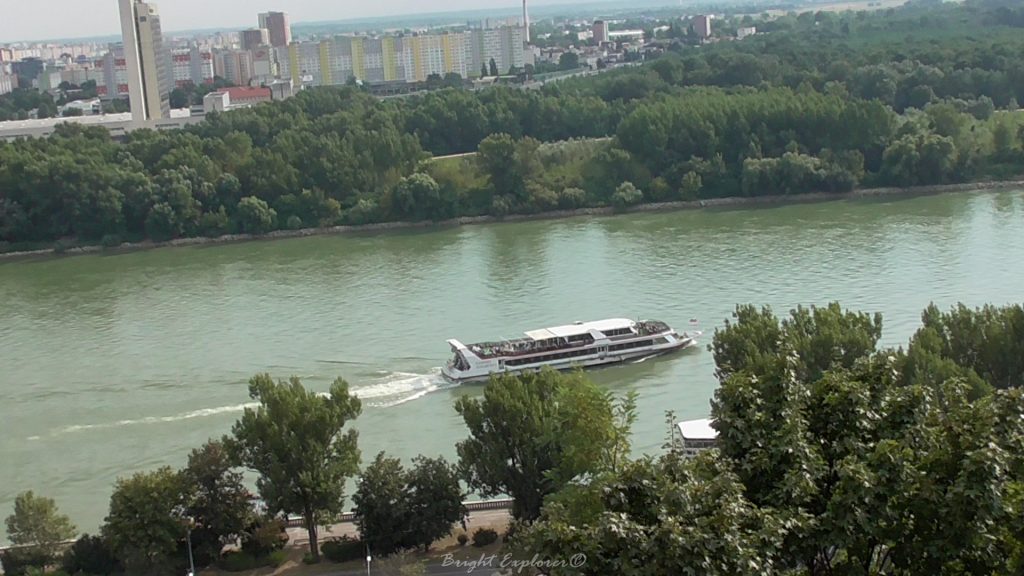
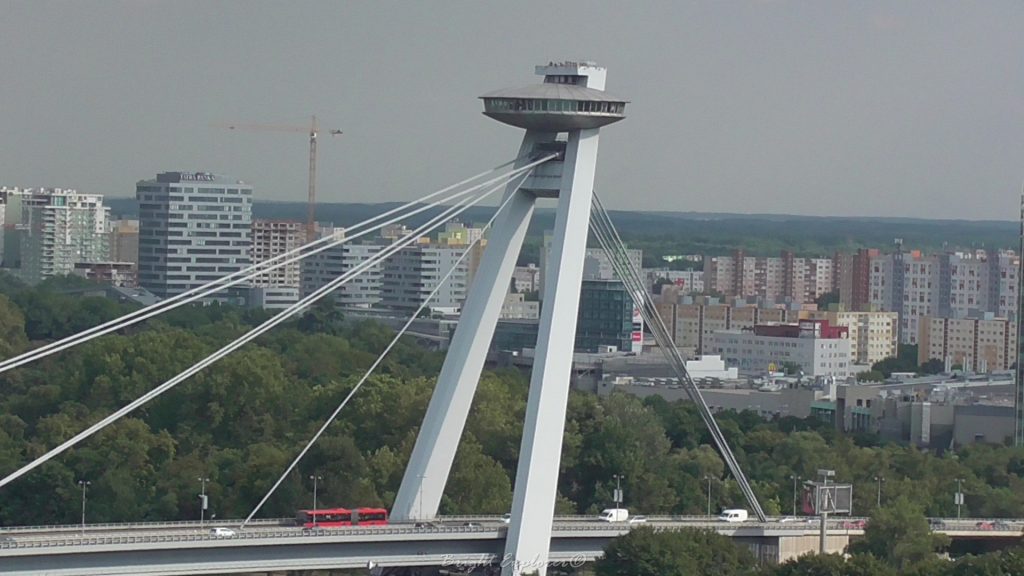
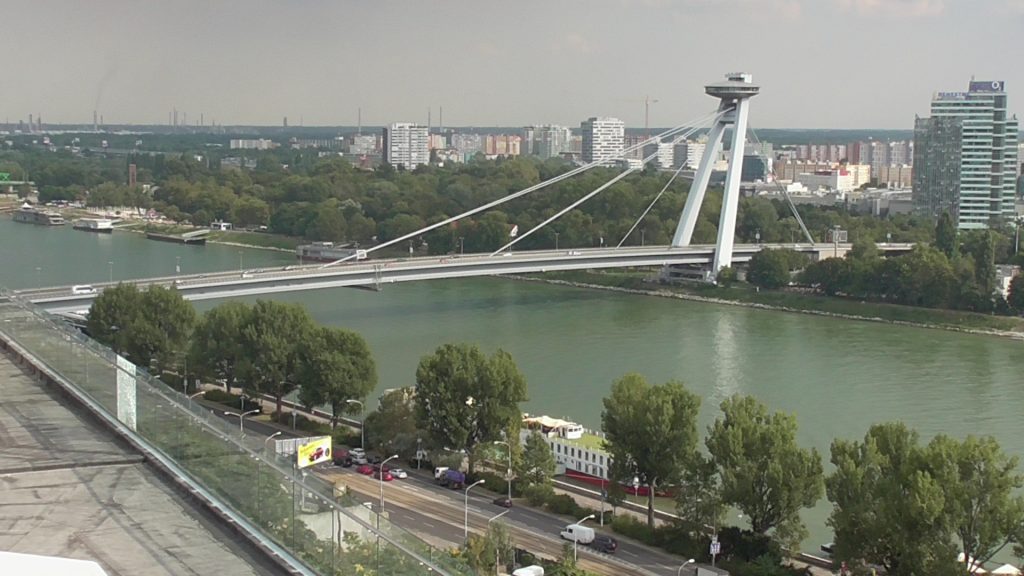
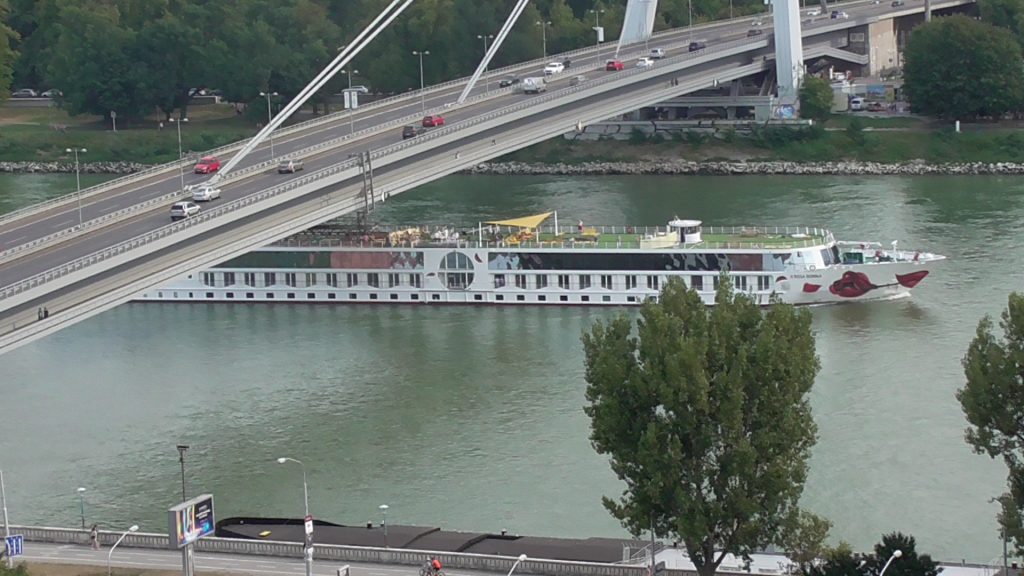
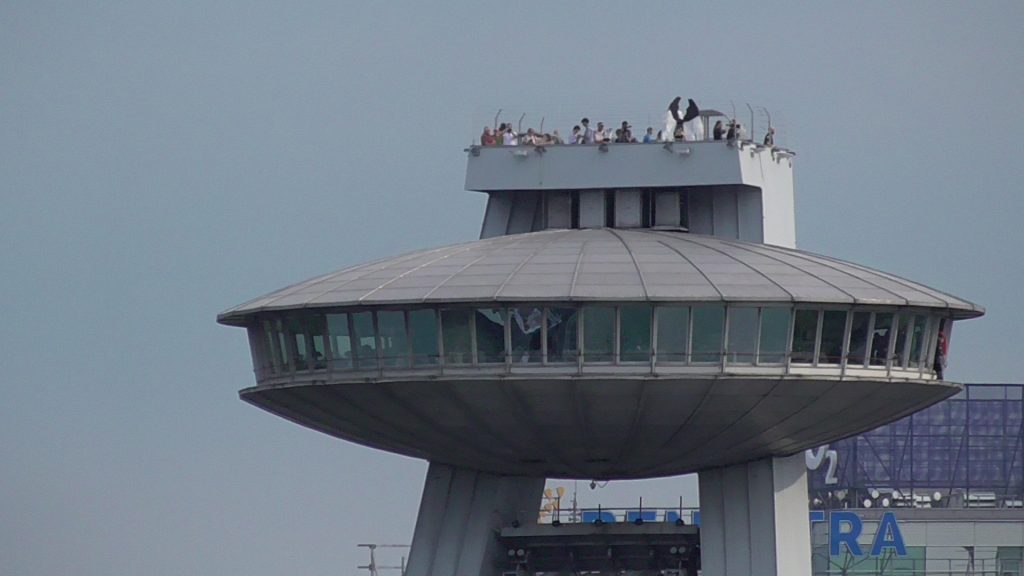
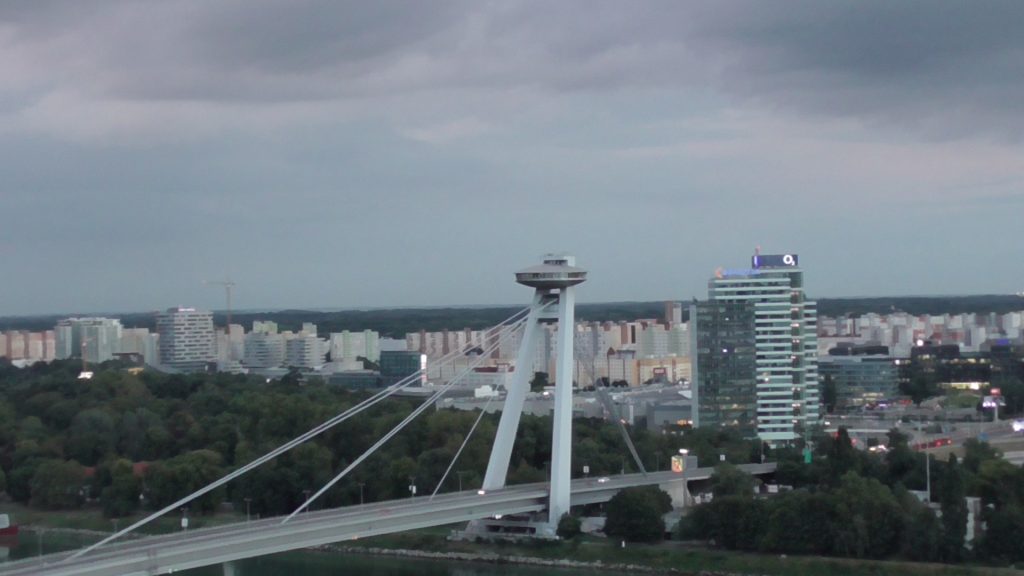
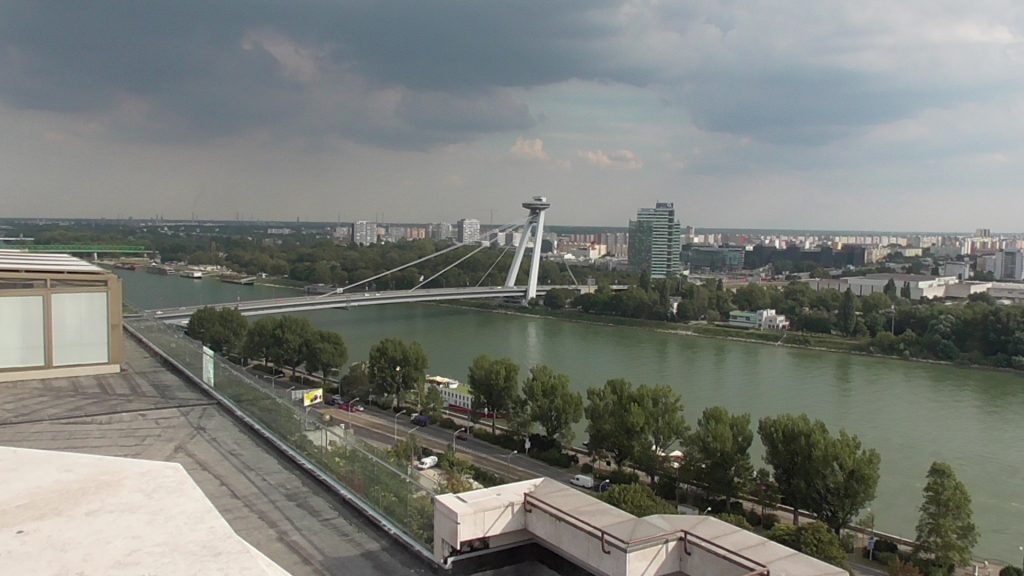
Another place where you can admire the beauties of Bratislava is on the UFO Observation Deck. It is 100 m above the ground and has a perfect view of the sunset and Danube river, which you can enjoy in the UFO restaurant over a glass of wine and traditional Slovak food. The UFO Observation Deck is a part of the Soviet futuristic architecture of the New Bridge, previously known as the Bridge of the Slovak National Uprising. It was opened in 1972 in honor of the Slovak resistance to the 1944 German invasion. The New Bridge is the 7th largest hanging bridge in the world!
4) Presidential Palace
The Grassalkovich Palace is the residence of the Slovak president, similar to the White House. It looks like Buckingham Palace in the UK, and it even has a changing of the guard at noon every weekday. It was finished in 1760 and was the center of Baroque musical life, with Joseph Haydn, the Austrian composer, performing there for the first time. Today, the French gardens serve as a park open to the public, with modern art statues and and kiosks to sit.
5) Slavin
Slavin is a memorial monument and military cemetery for the thousands of Soviet soldiers who fell during World War II in 1945. It is close to Bratislava Castle. It contains the remains of 6,845 soldiers. It opened in 1960, and in 1961 it was declared a National Cultural Monument. Its walls display lists with the dates of cities’ liberation.