Tunis is an undervalued travel destination, and not many travelers would consider visiting the city a priority. However, if you are interested in history, you will certainly appreciate ancient Carthage and the Bardo Museum, while Sidi Bou Said, a town just outside the capital, will enchant visitors. Tunis has many different neighbourhoods and is by no means a small city. In fact, the greater metropolitan area of Tunis is one of the largest urban areas in the Maghreb region. In this area, the traveller has the chance to visit the noisy city centre with its Medina, the charming seaside district of La Marsa, and the popular Lac 2 with its many, and sometimes expensive, restaurants. Tunis is located in North Africa on the Mediterranean Sea, where winters are mild, especially during the day. If your accommodation is equipped with air conditioning, you can have a pleasant stay in the city even during the colder months of the year. Spring and autumn are excellent seasons for visiting Tunis, while summer can obviously be very hot, although it also gives you the chance to visit the nearby beaches. I have visited Tunis twice, and I have always stayed in La Marsa, since I chose serenity and proximity to Carthage over being close to the Medina. For maximum security and comfort, and to avoid somewhat pushy taxi drivers, book your airport transfer in advance.
What to visit in Tunis
1) Bardo National Museum
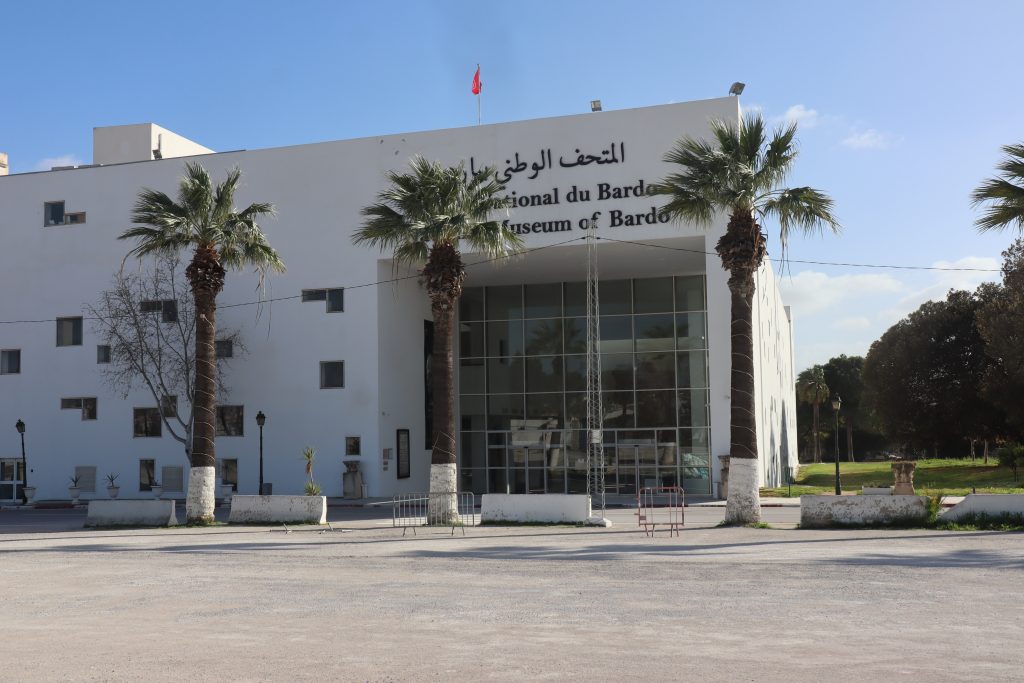
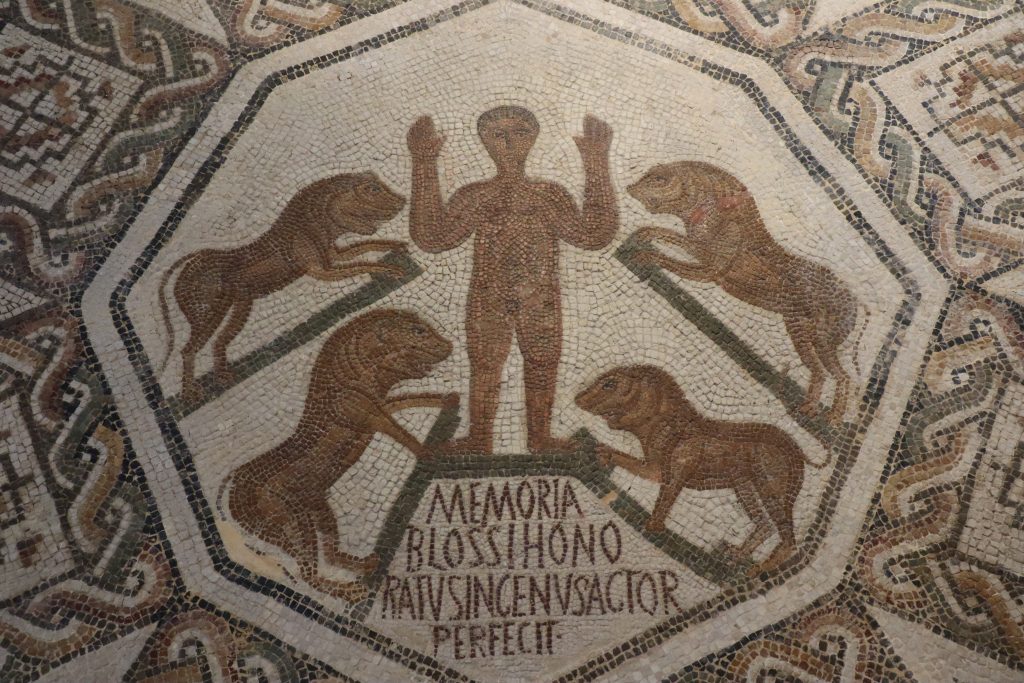
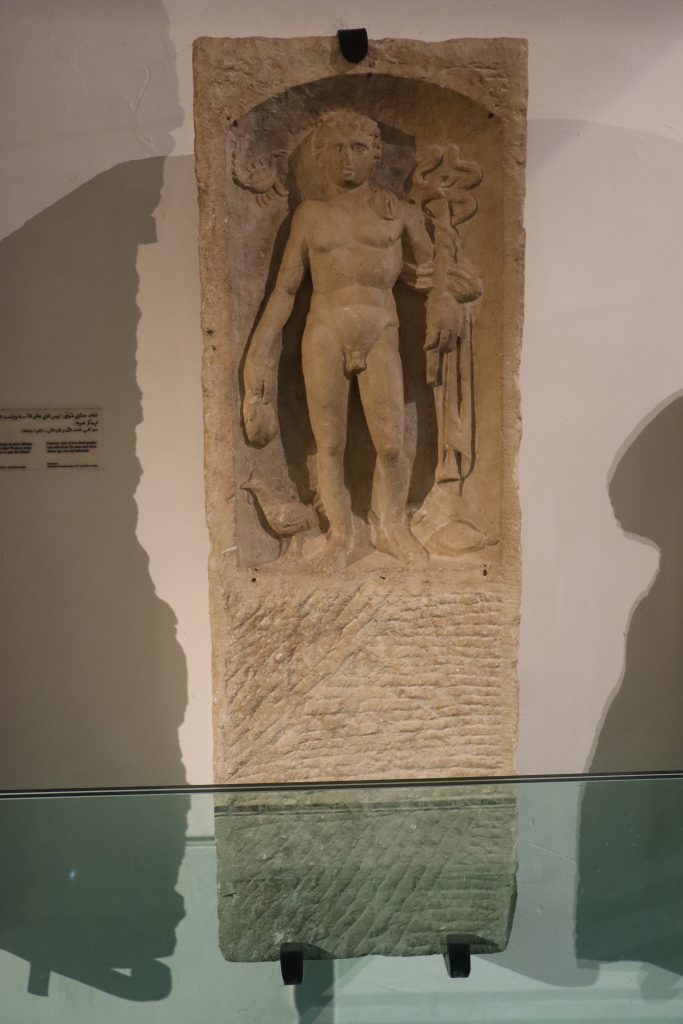
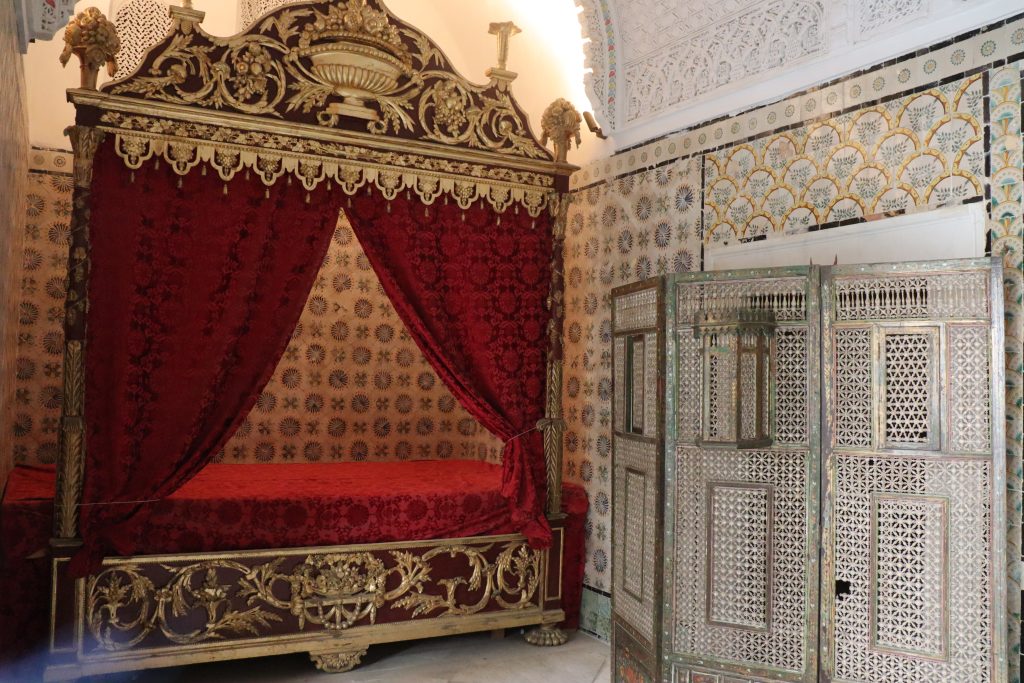
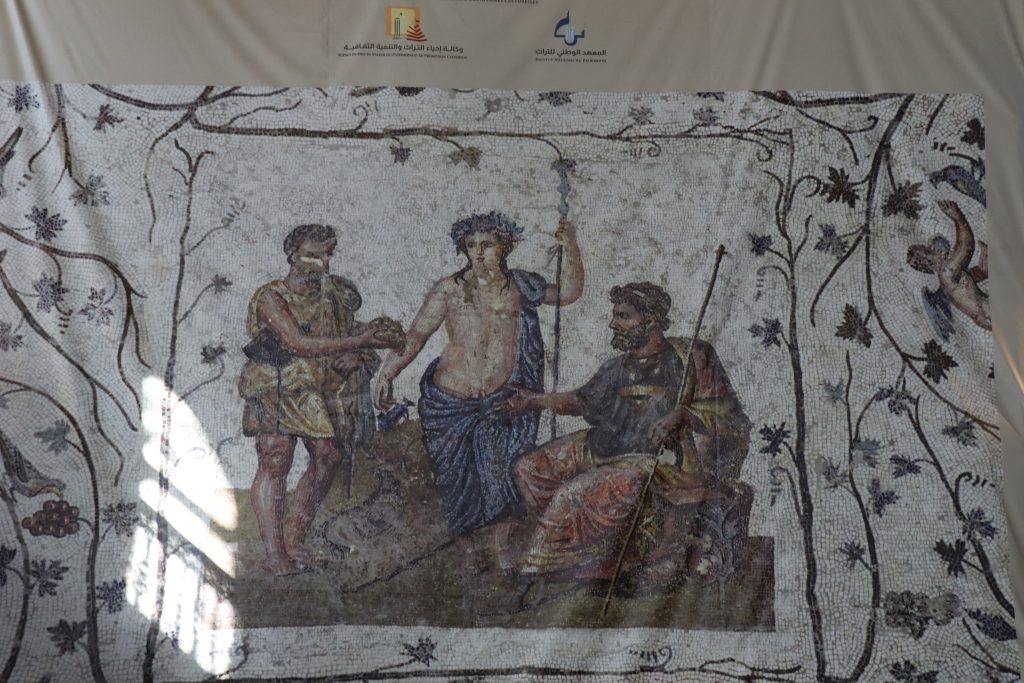
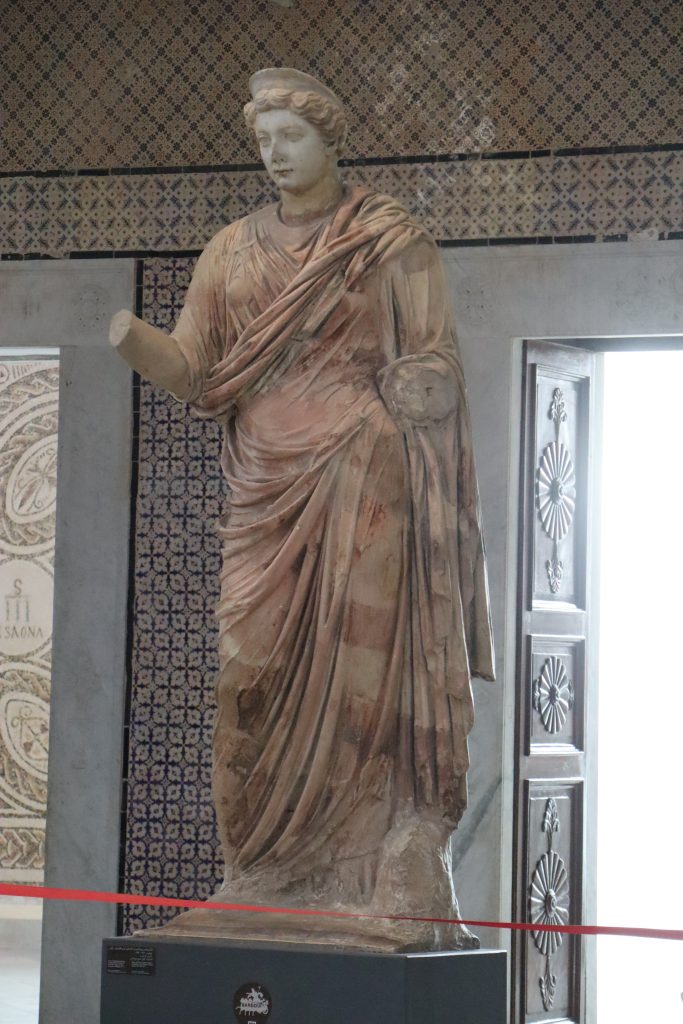
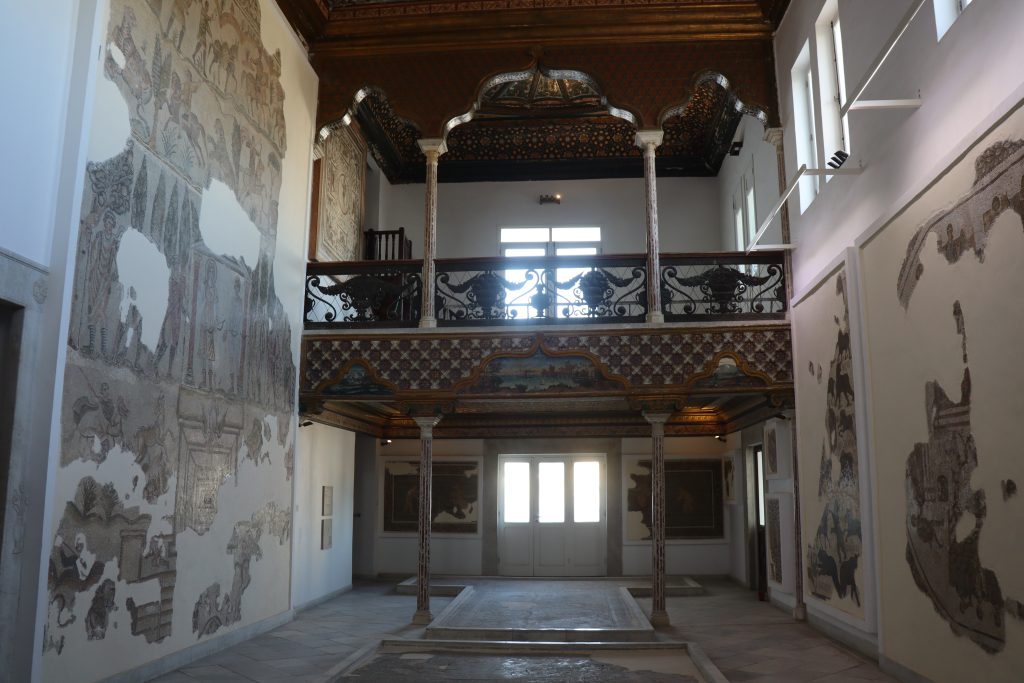
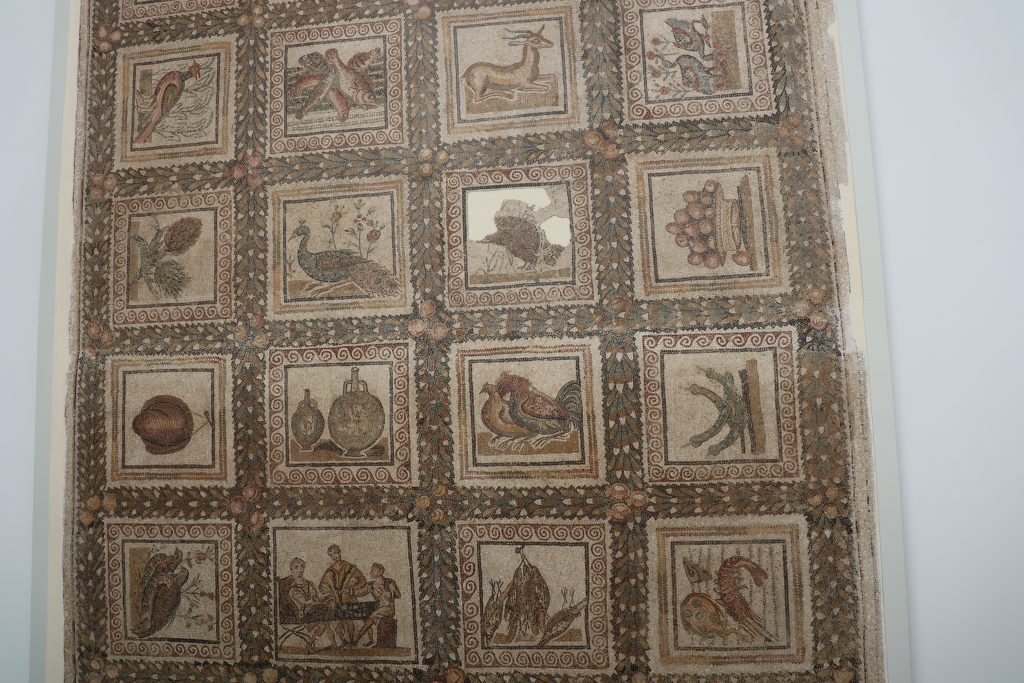
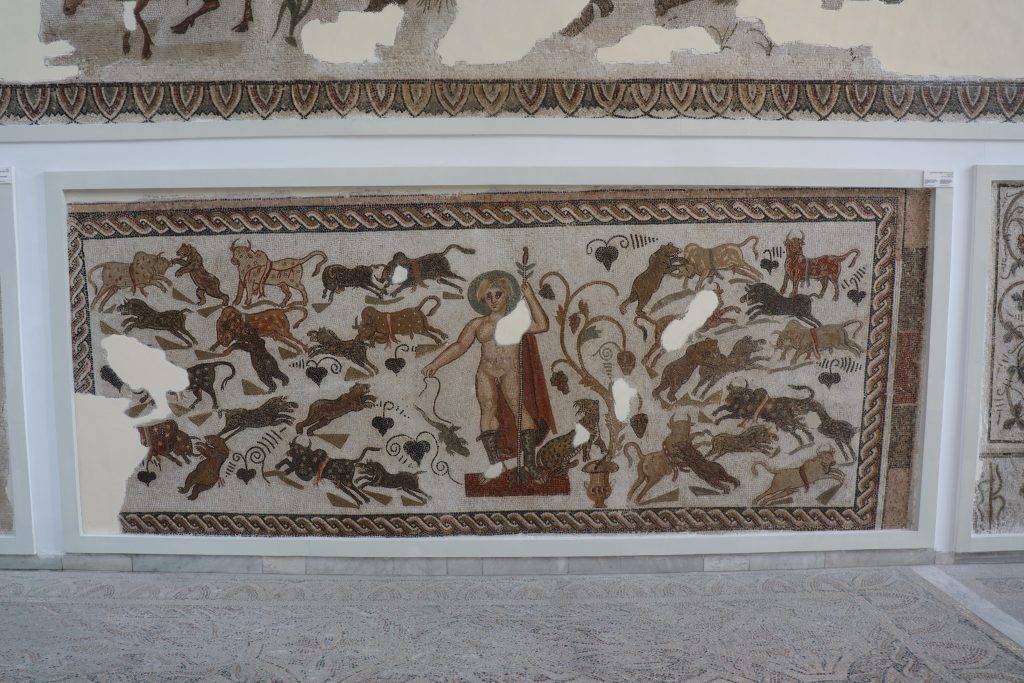
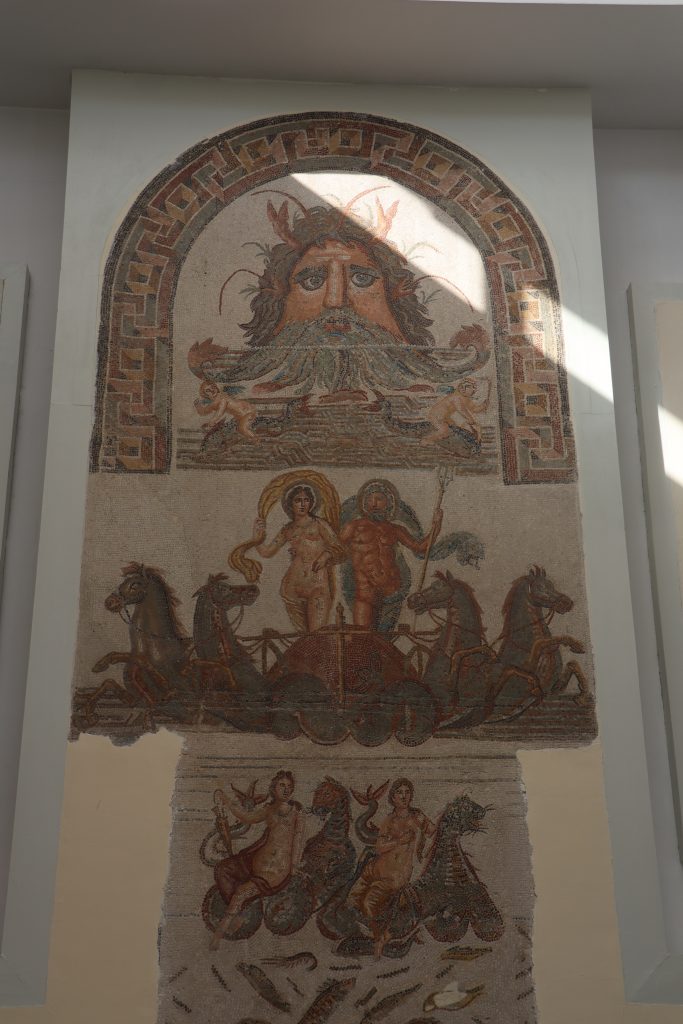
The Bardo National Museum, the second-largest museum in Africa after the Egyptian Museum in Cairo, is a fascinating and historically significant institution. It is housed in an impressive building that was once a Hafsid palace and displays one of the largest and most important collections of Roman mosaics in the world. In addition to the Roman creations, visitors to the museum can admire artifacts from Carthage, Ancient Greece, and various Islamic cultures.
2) Kasbah Square
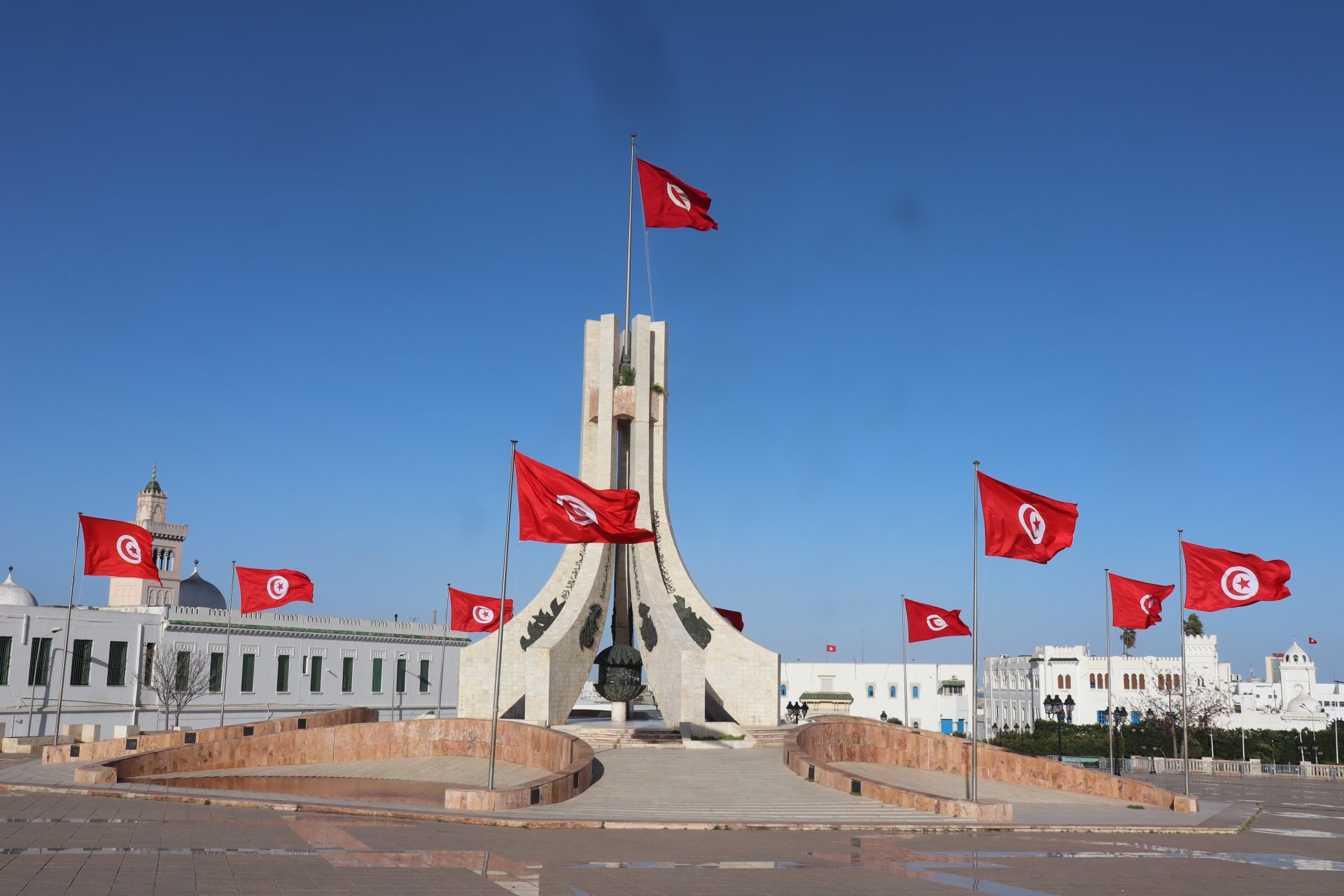
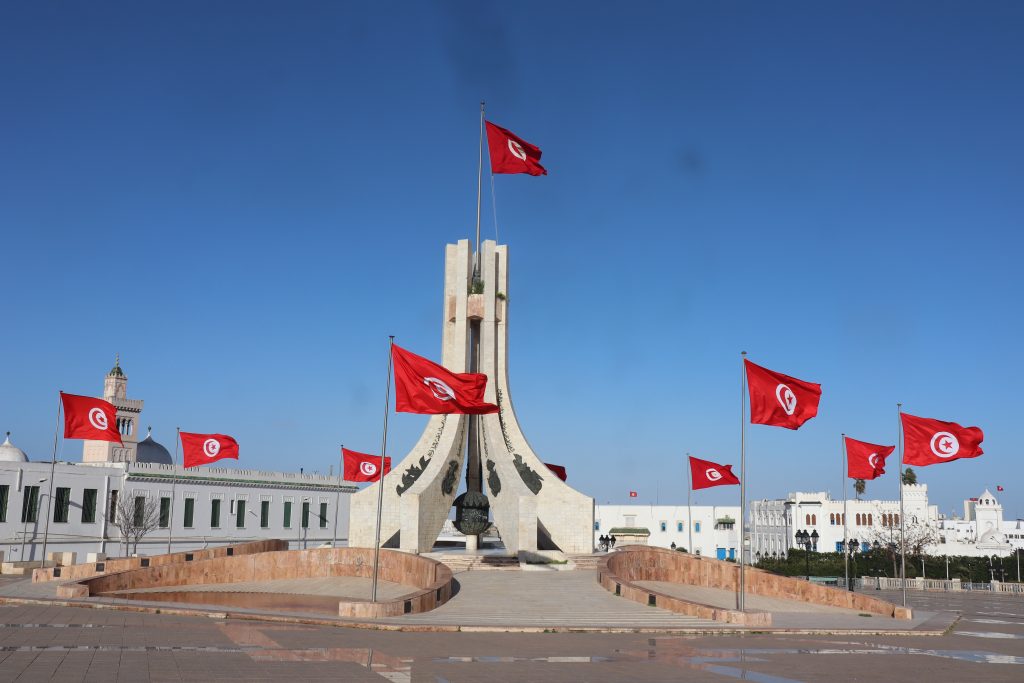
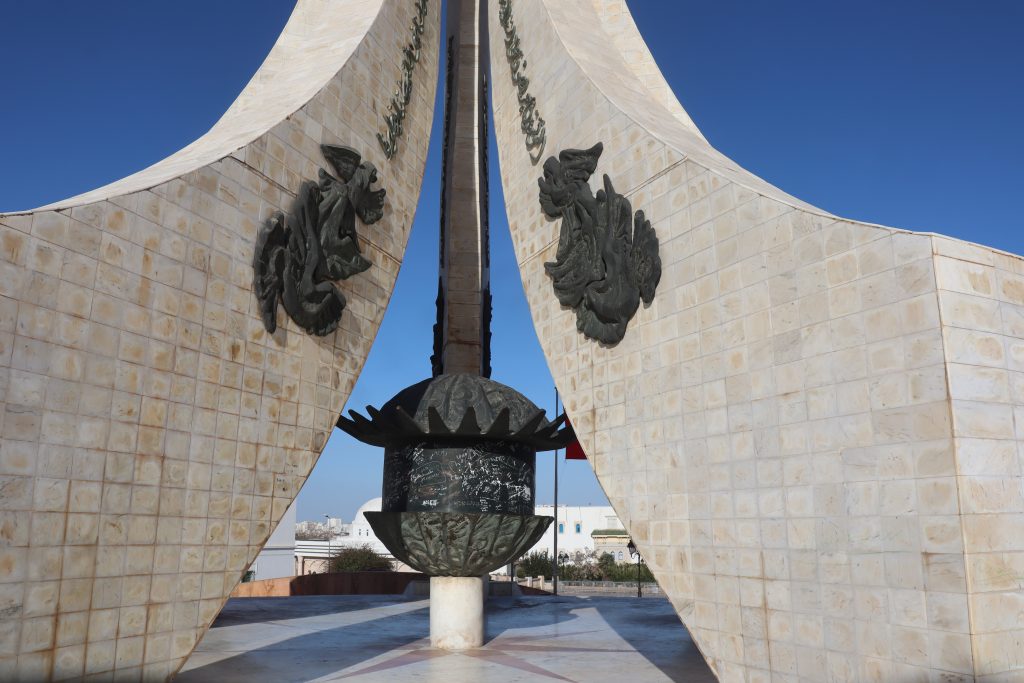
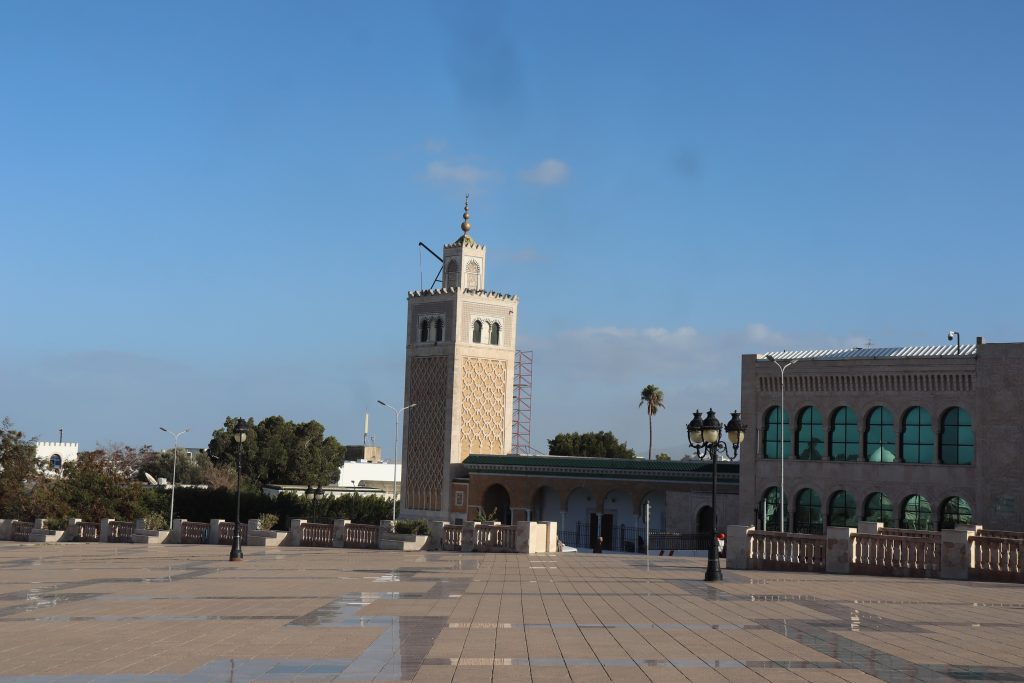
Kasbah Square is probably the most important square in Tunis. Located next to the well-known Kasbah Mosque, it is surrounded by elegant government buildings, including the Town Hall. At the centre of the square stands an impressive National Monument, built in 1989 and adorned with numerous Tunisian flags, making it a symbol of national pride. I found Kasbah Square and the surrounding area very intriguing.
3) Al-Zaytuna Mosque
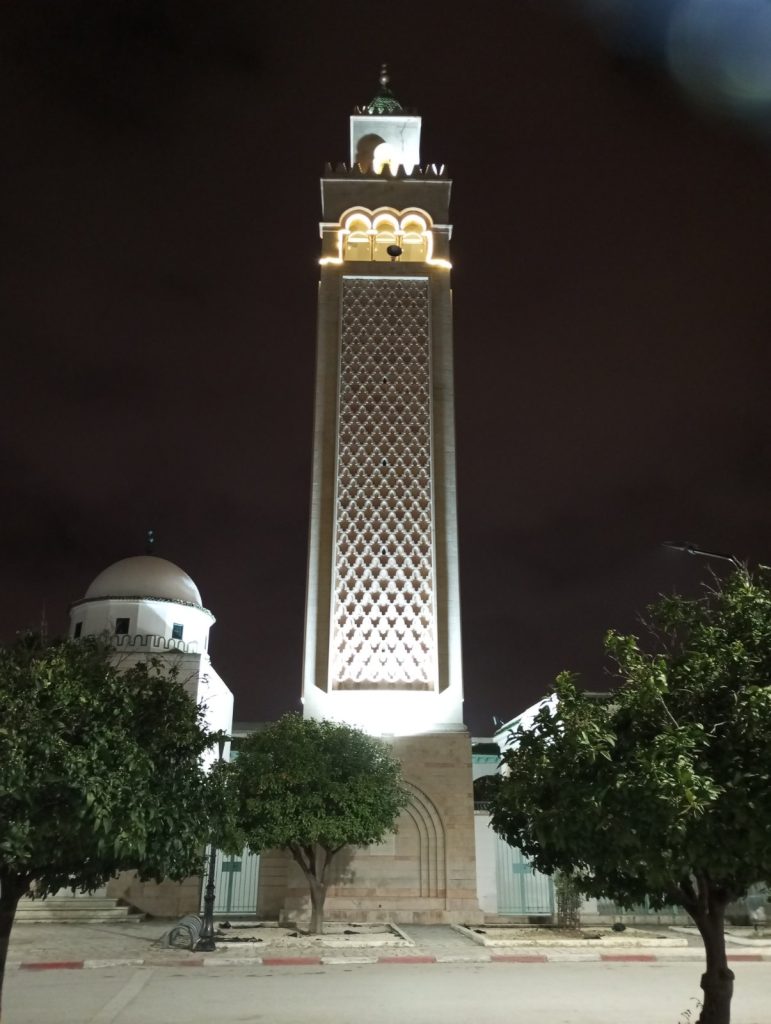
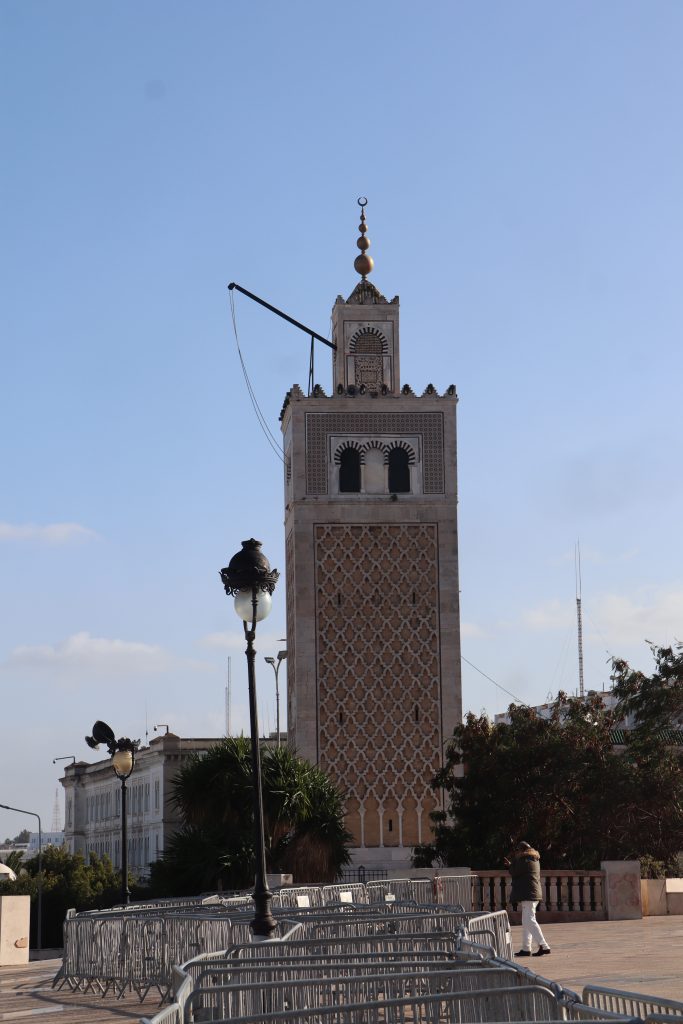
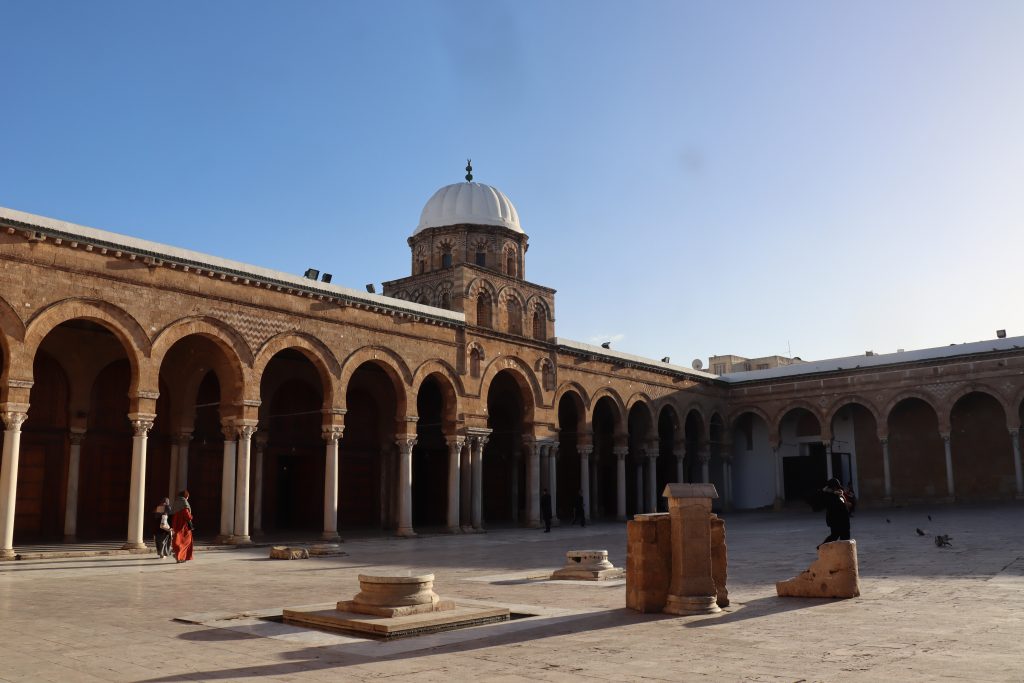
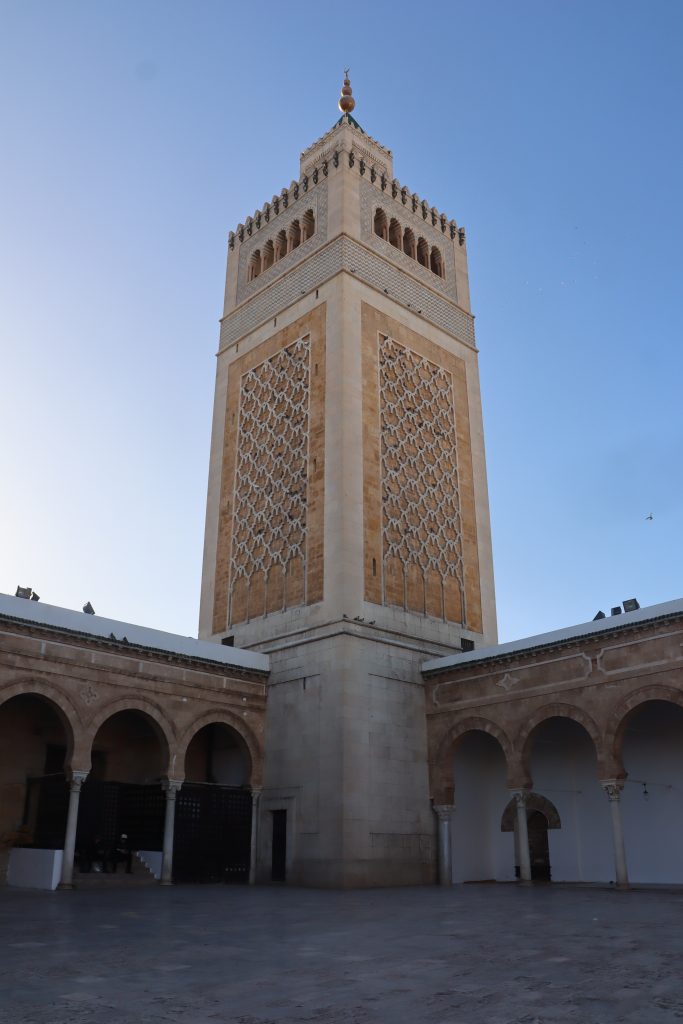
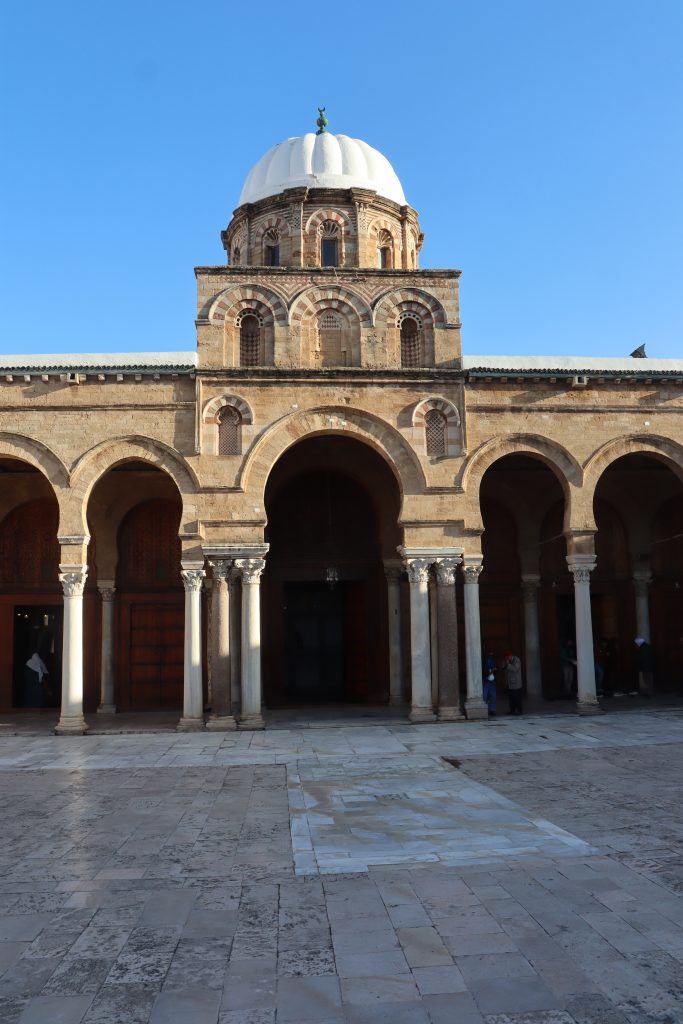
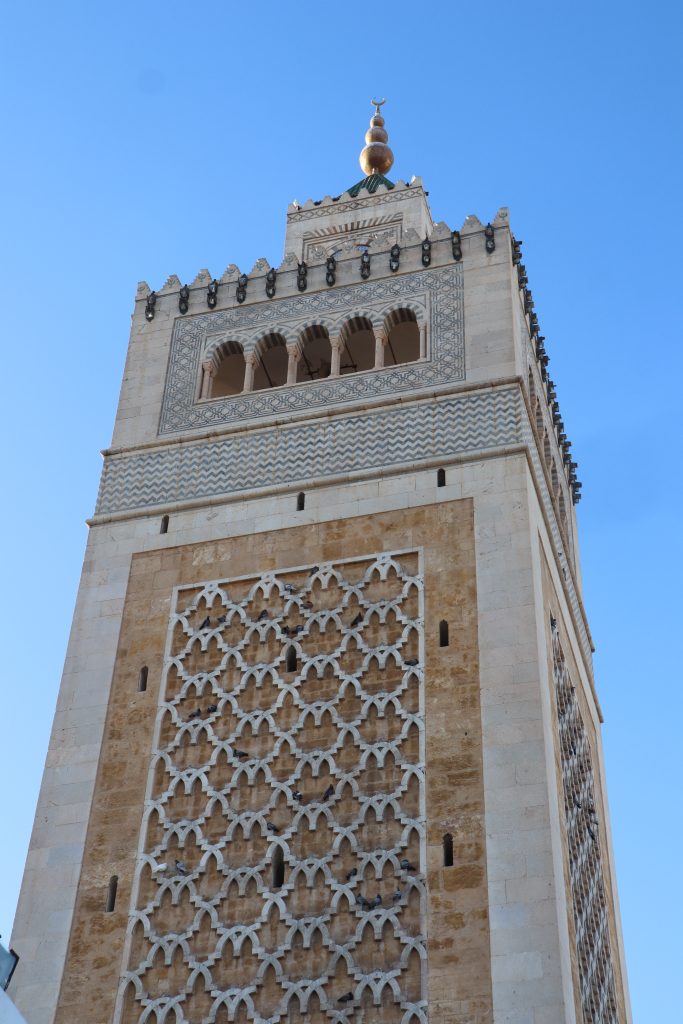
Al-Zaytuna Mosque was the second mosque built in the Tunisian region after the Great Mosque of Kairouan. It is located in the centre of the Medina of Tunis. The exterior features a quite impressive minaret. I also went inside, although I did not take any photos.
4) Medina and Bab el Bhar
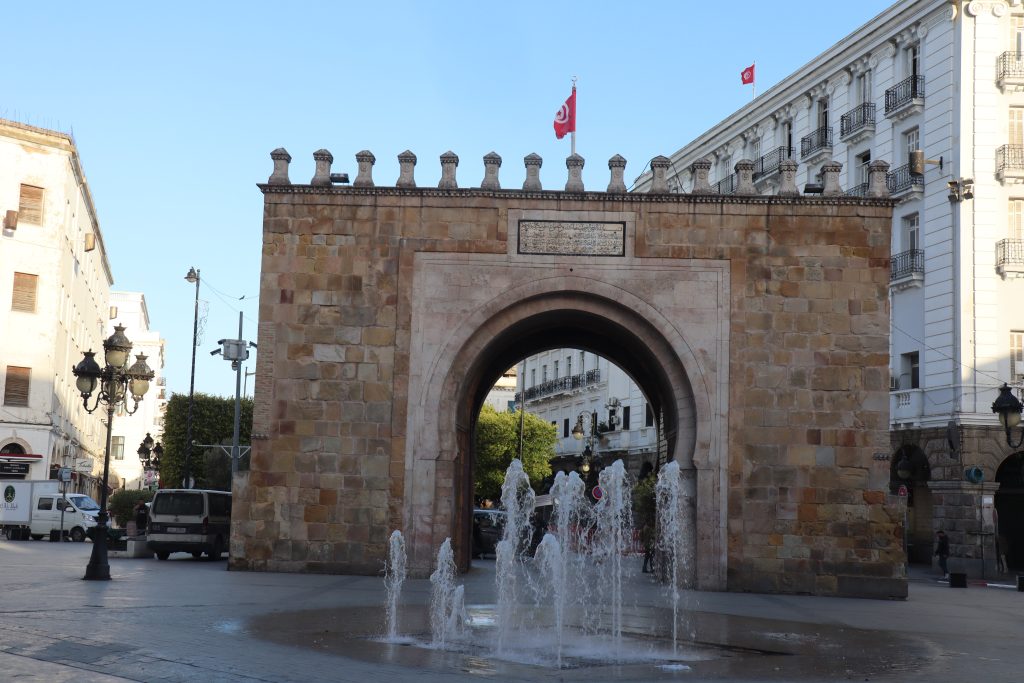
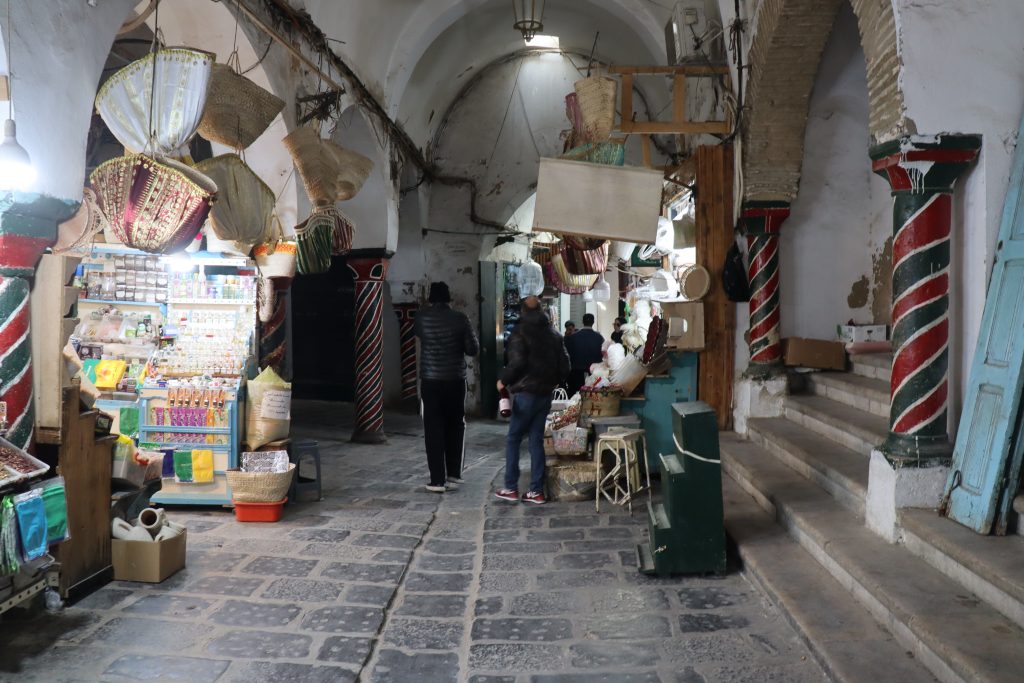
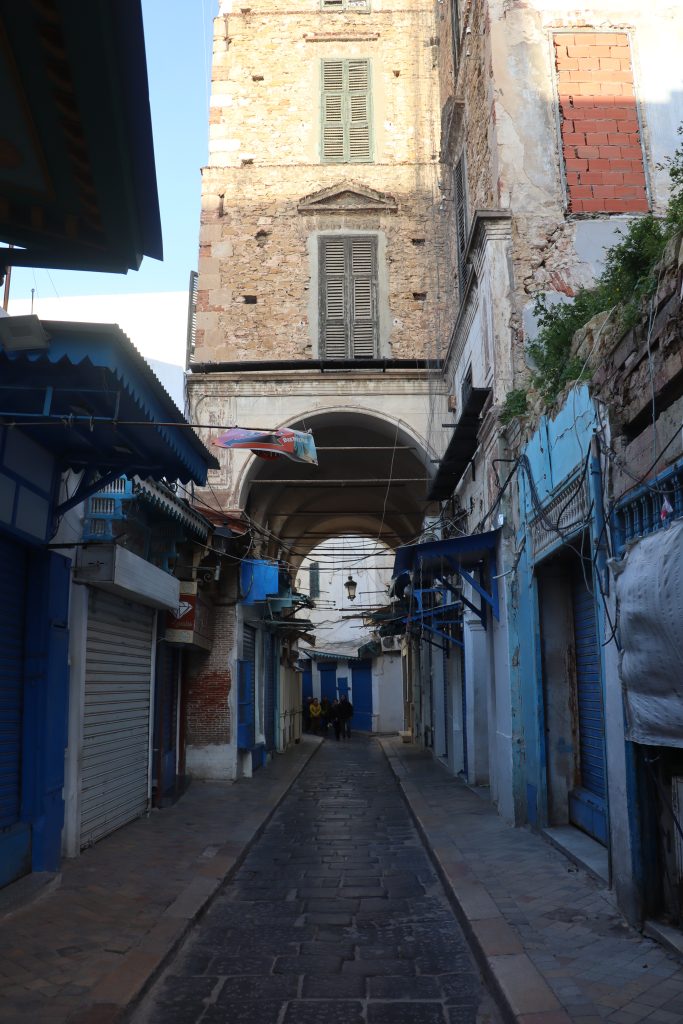
The Medina of Tunis gradually developed around the Al-Zaytuna Mosque, which became the religious and cultural heart of the city. Although I visited the area during Ramadan, I found it quite interesting. Some sweets sold at the local shops looked tasty, although I did not try them. Do not forget to visit Bab el Bhar, a well-known gate in the Medina that separates it from the modern city. To be honest, it is not the most enchanting medina I have ever visited. I preferred the Medina of Marrakesh, but this one is also worth a visit.
5) Cathedral of Saint Vincent de Paul
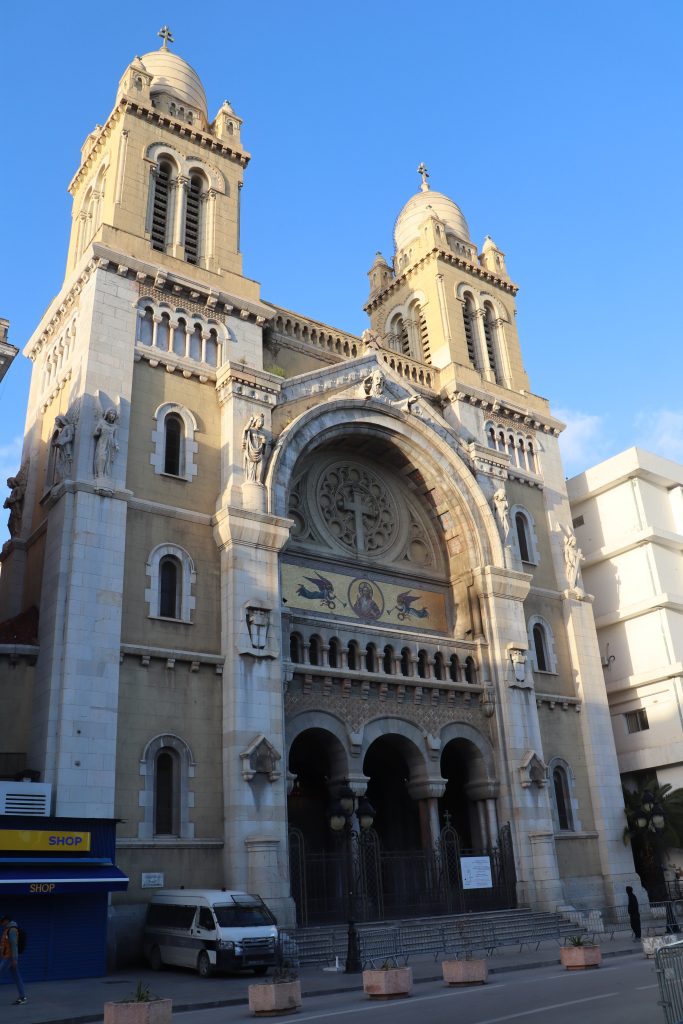
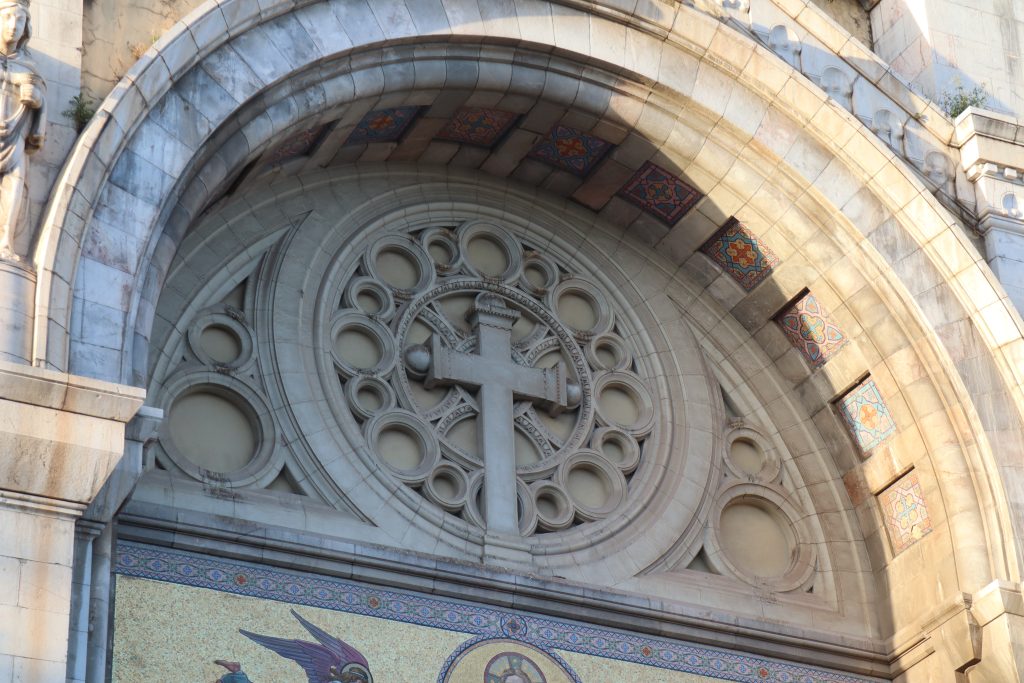
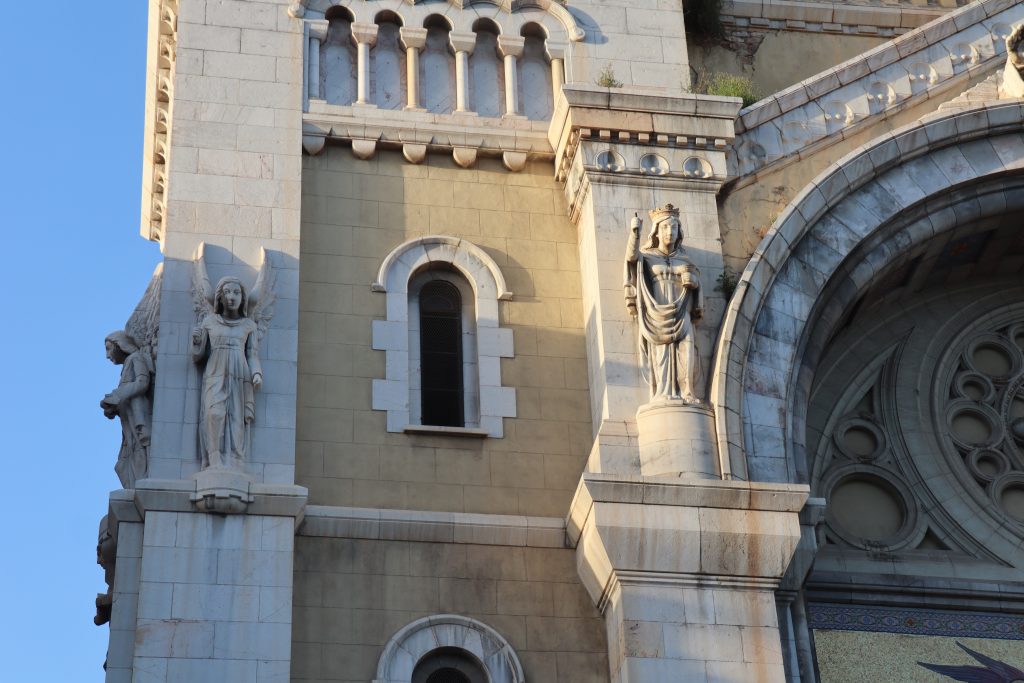
The Cathedral of Saint Vincent de Paul is probably the most famous church in the centre of Tunis. It is a Roman Catholic church that immediately draws your attention while you walk along Avenue Habib Bourguiba.
6) Clock Tower
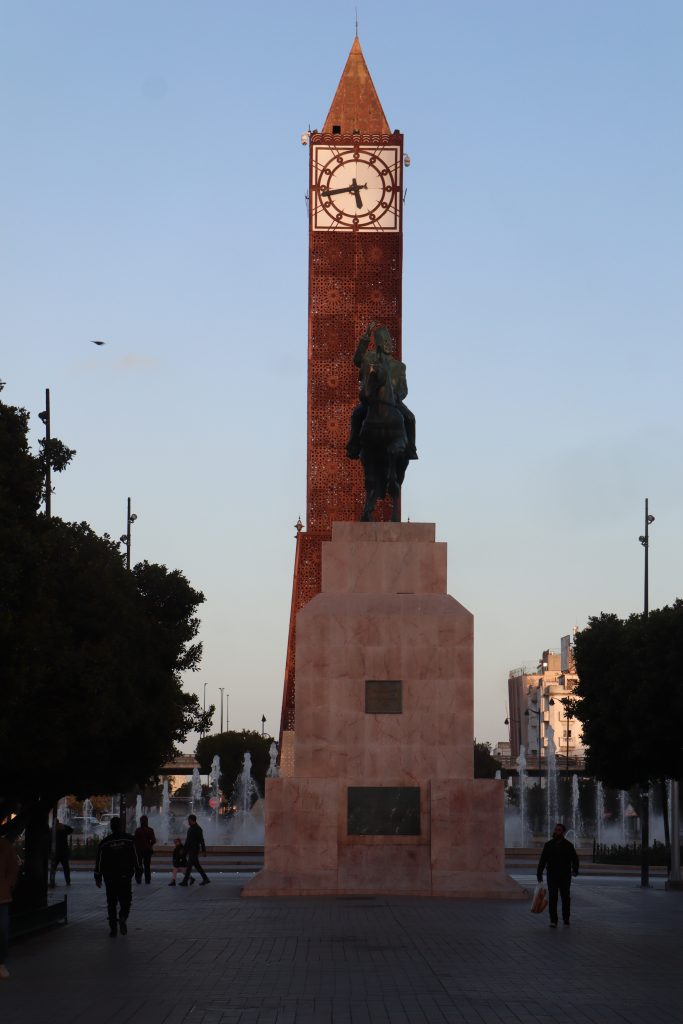
The Tunis Clock Tower is a tall clock tower located on the wide Avenue Habib Bourguiba, where many buildings influenced by French architecture can be found. The structure, which is considered a landmark of Tunis, was built to commemorate former President Ben Ali’s rise to power. Although it is not something truly spectacular, it is a nice place to stop and take some photos.
7) Carthage
The archaeological site of Carthage is the main reason why I decided to visit Tunis. I booked a tour that included all its major sites, and I recommend that you do the same. If you want peace of mind, choose a trustworthy tour guide and avoid the offers of often unprofessional taxi drivers, who may drive you to different shops and even attempt to scam you. Here are the main places that you should visit:
7a) The Baths of Antoninus
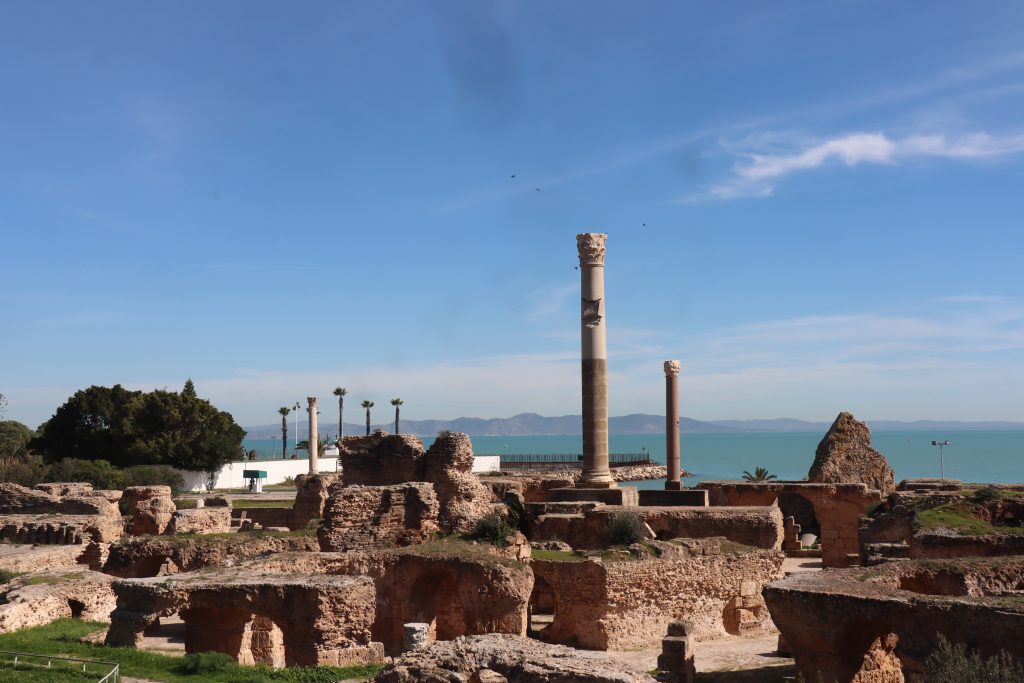
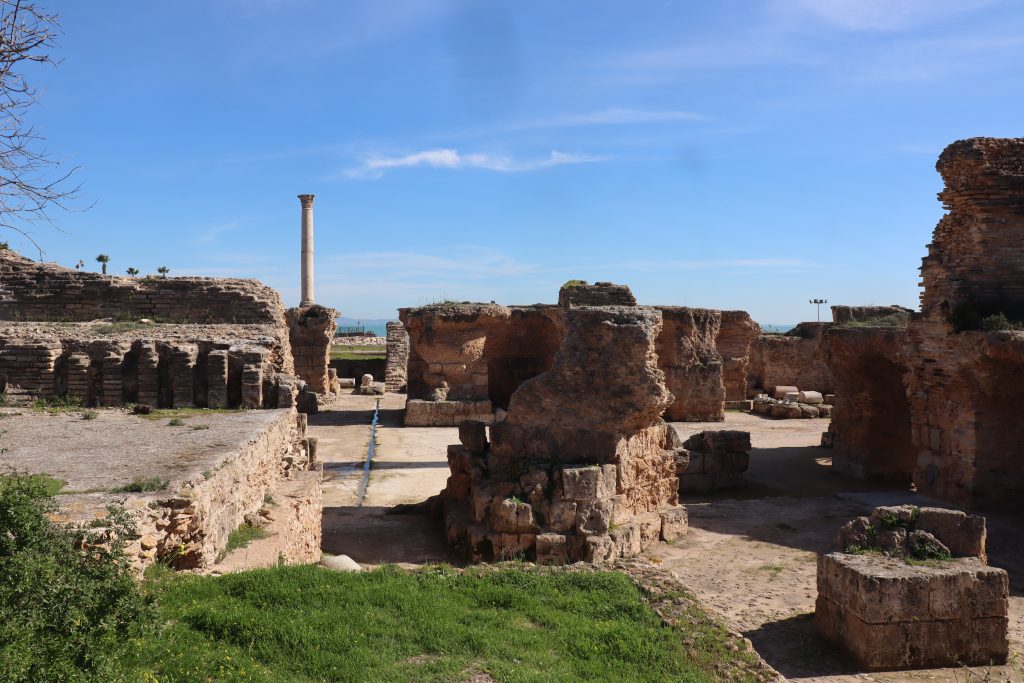
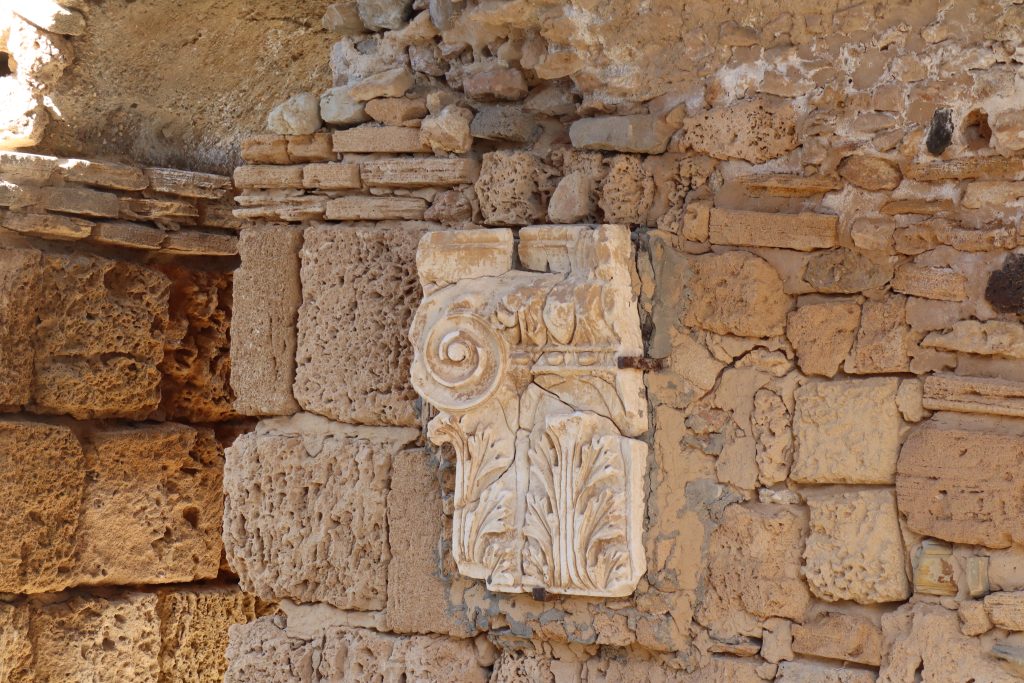
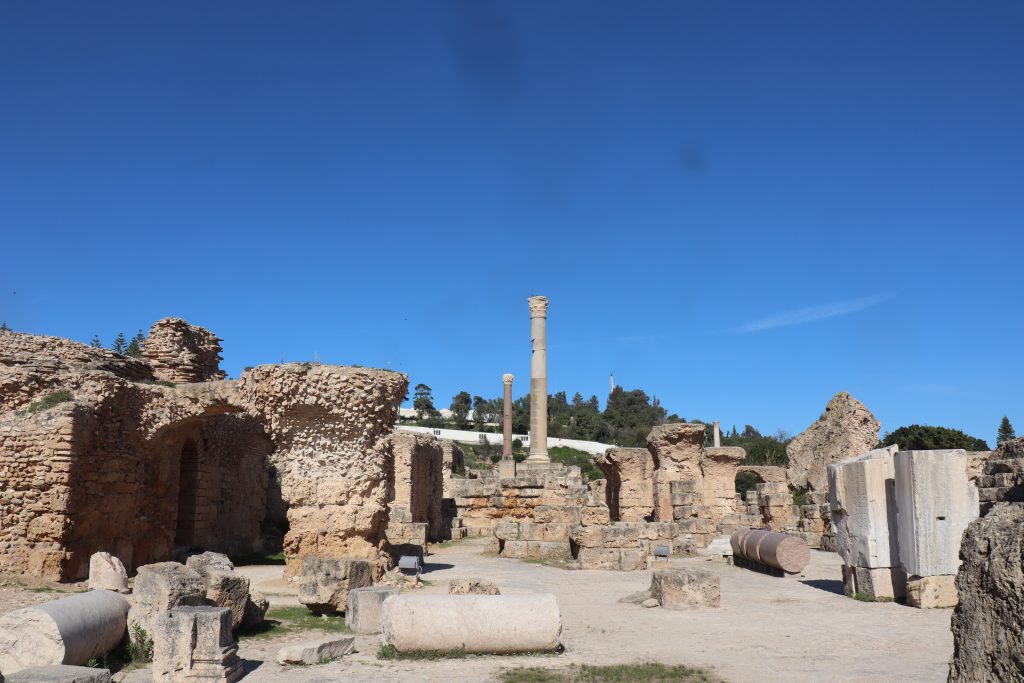
The Baths of Antoninus are perhaps one of the most important sight in Carthage. They cover a wide area and are, in fact, among the three largest Roman baths ever built in the Roman Empire. I think this is the site in Carthage where I spent the most time.
7b) Roman Villas
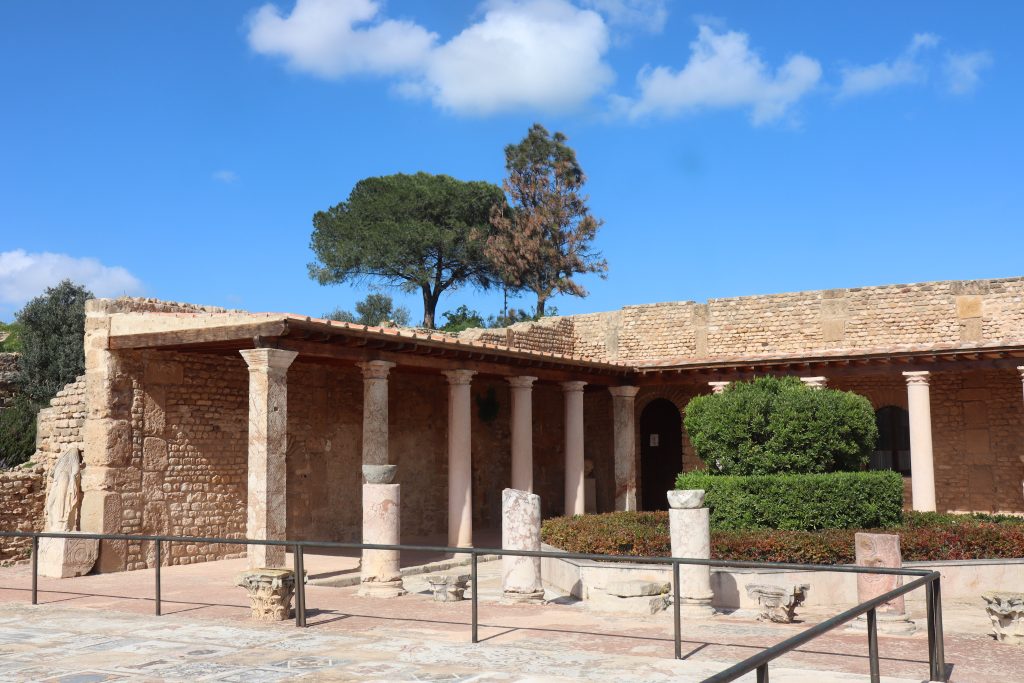
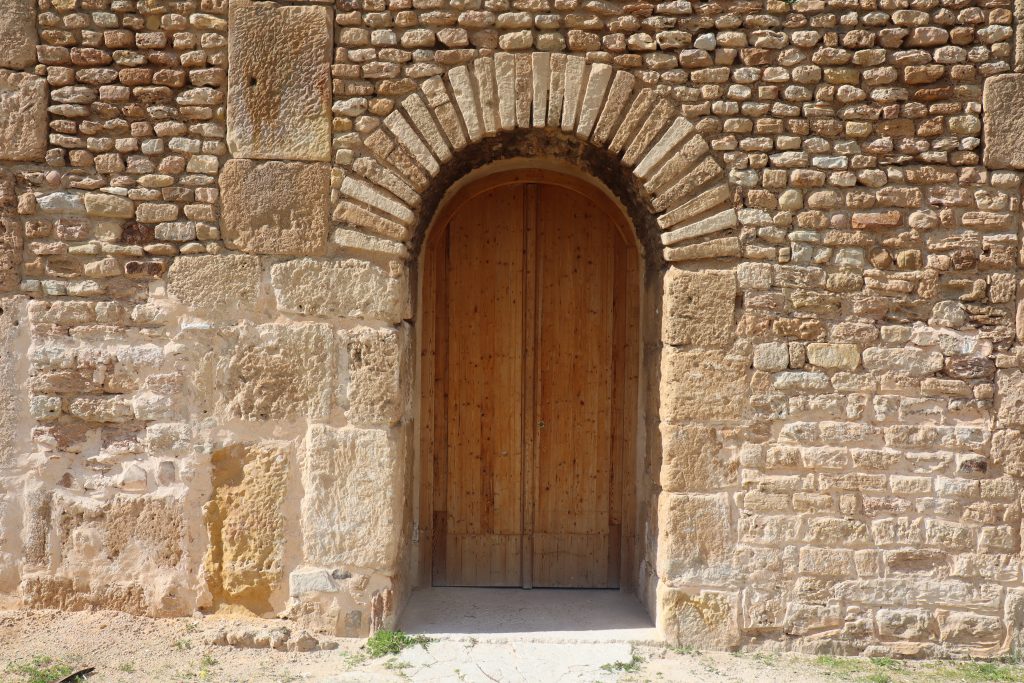
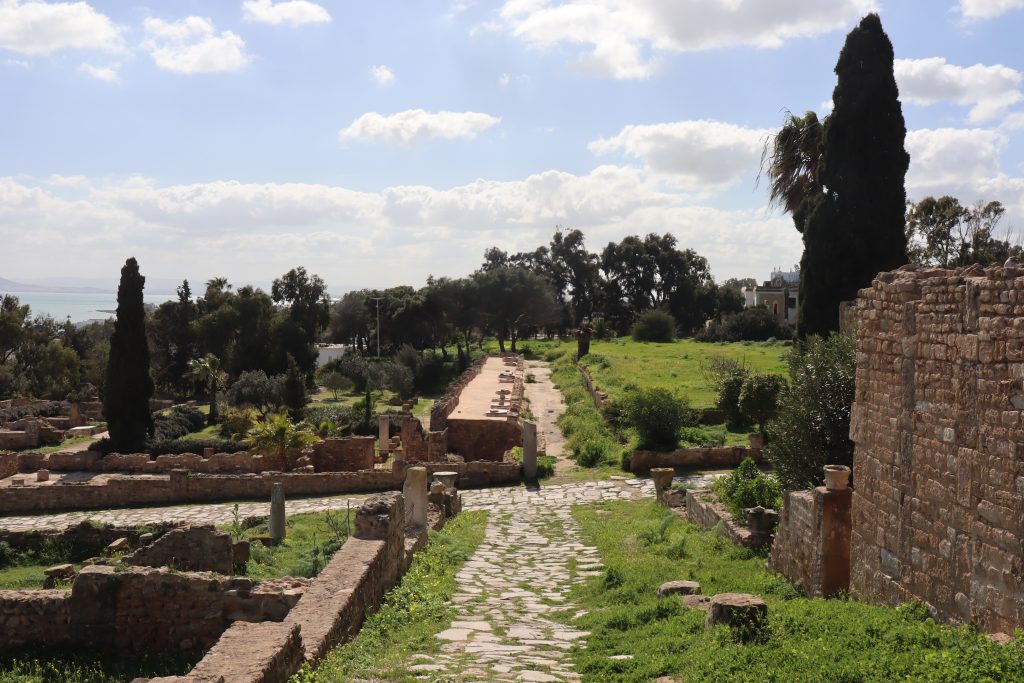
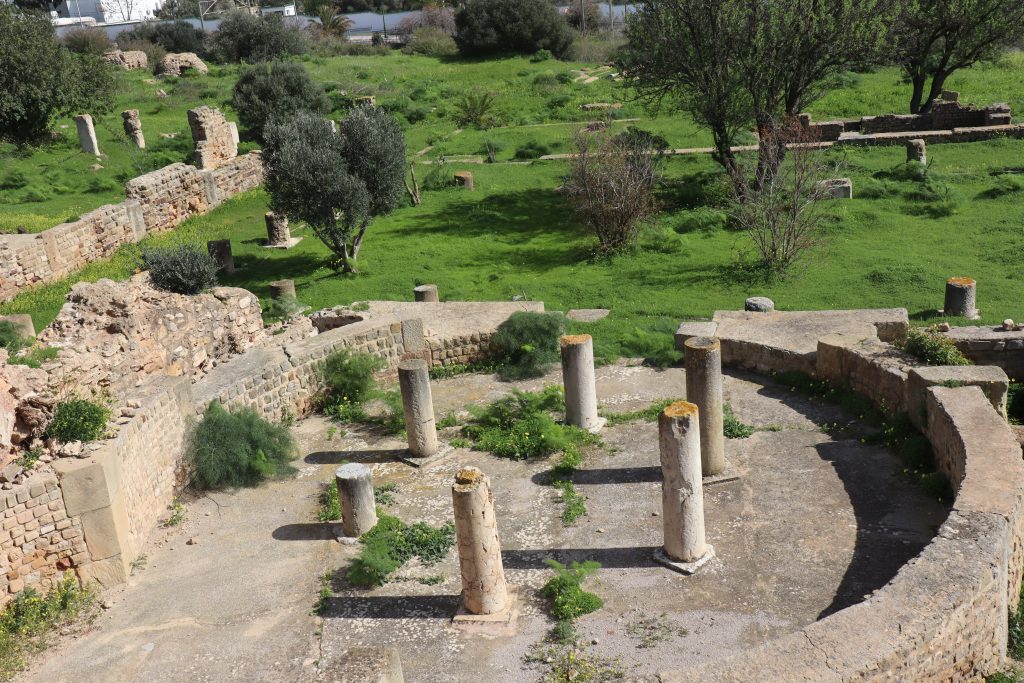
The Roman Villas on Odeon Hill give visitors a glimpse into the aristocratic residences of the patricians of Carthage. The Villa of the Aviary is probably the best-preserved structure on the site, while the Rotunda particularly drew my attention.
7c) Roman Theatre of Carthage
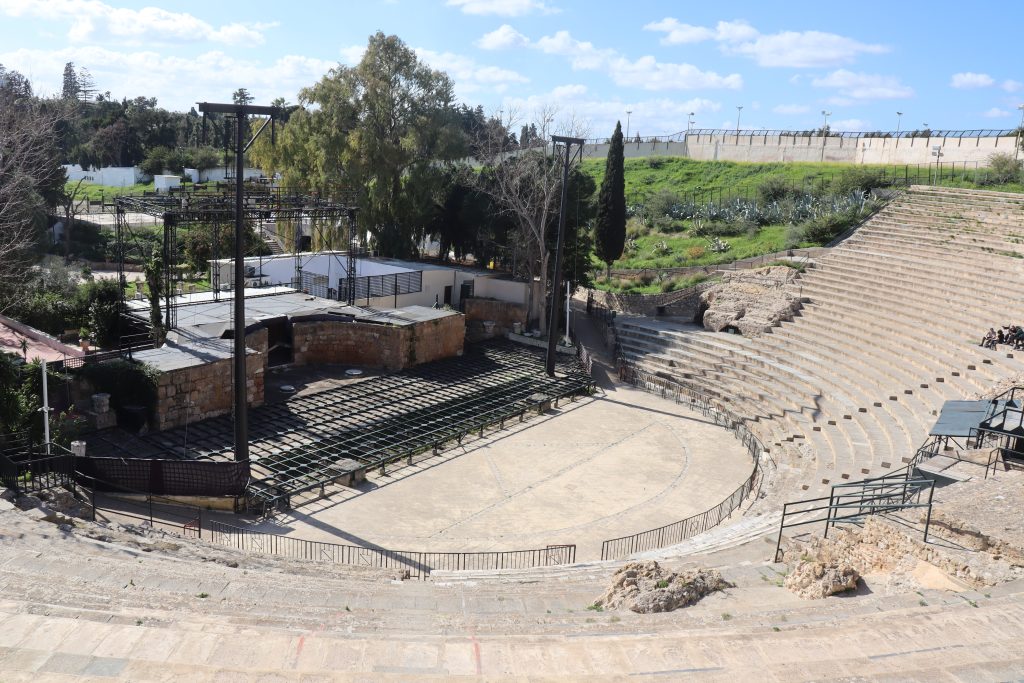
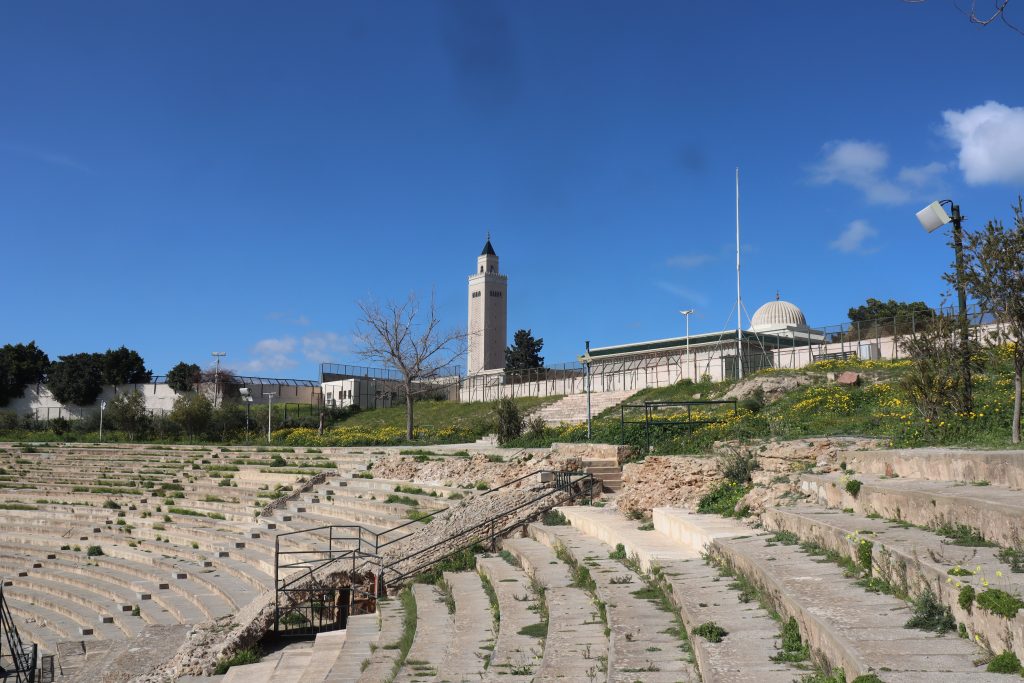
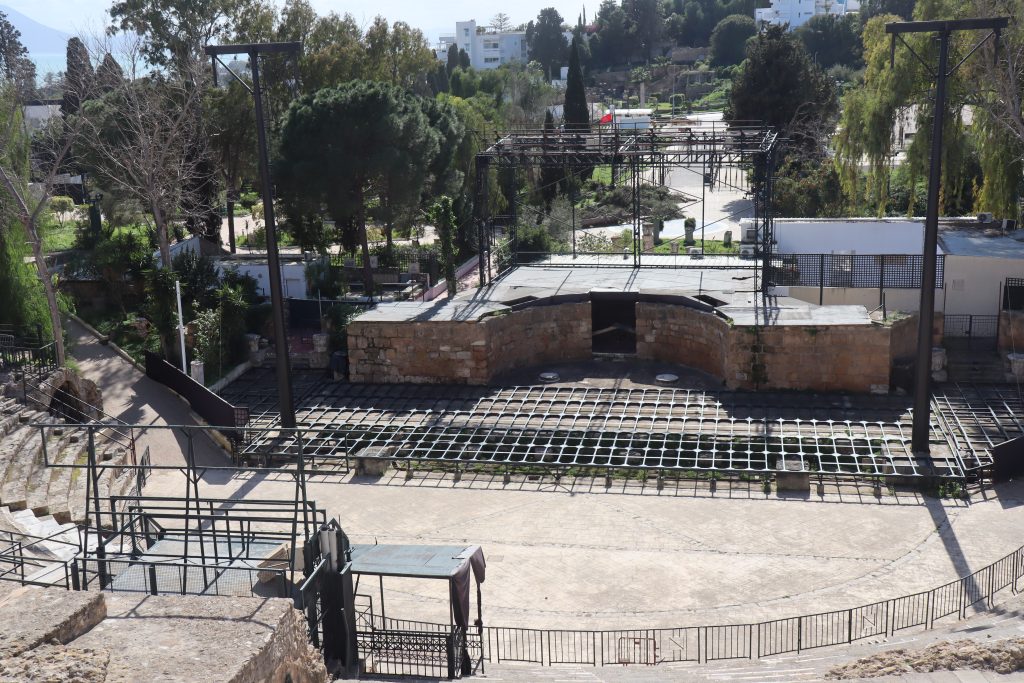
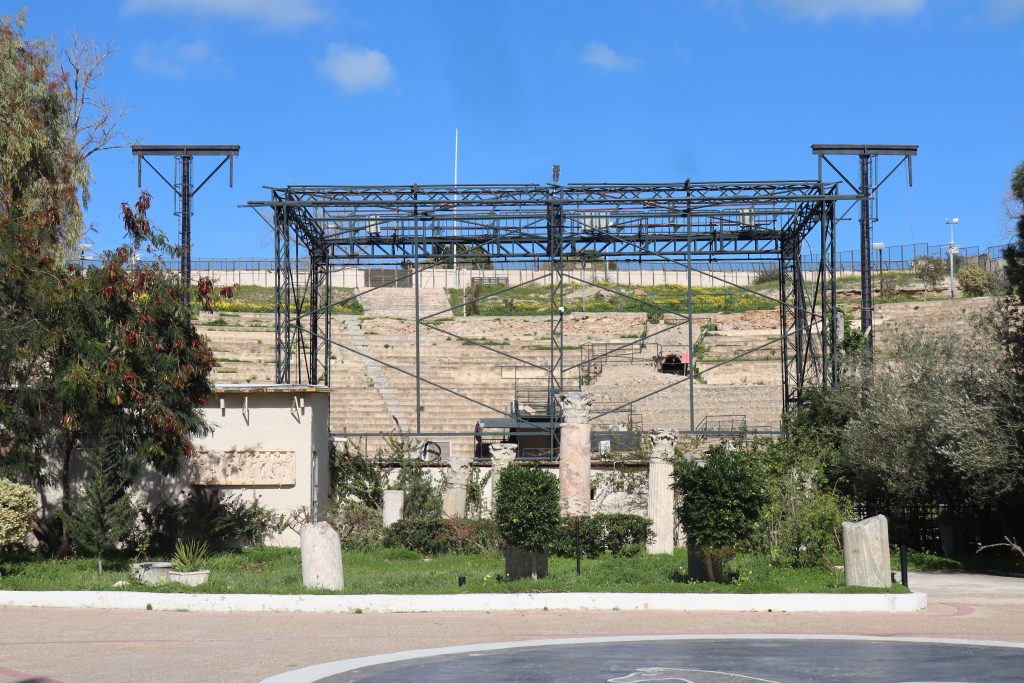
The Roman Theatre of Carthage, which was built around the second century AD, was mainly used for theatrical performances, as well as various other events. Although it is probably not as impressive as some ancient Greek theatres that I have visited, it is certainly worth a visit.
7d) Carthage amphitheatre
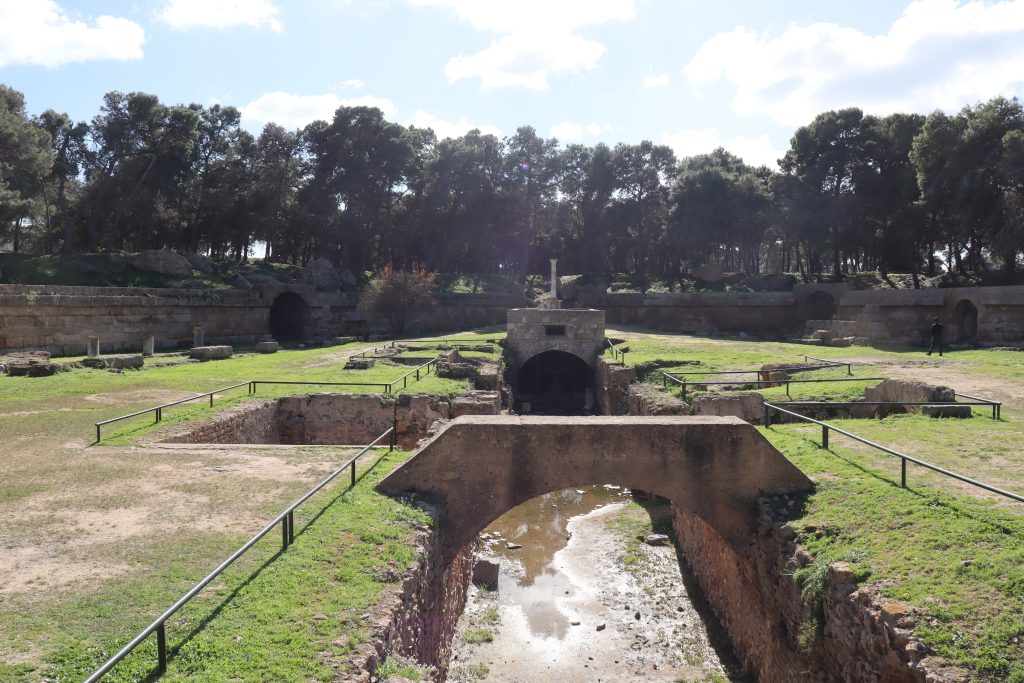
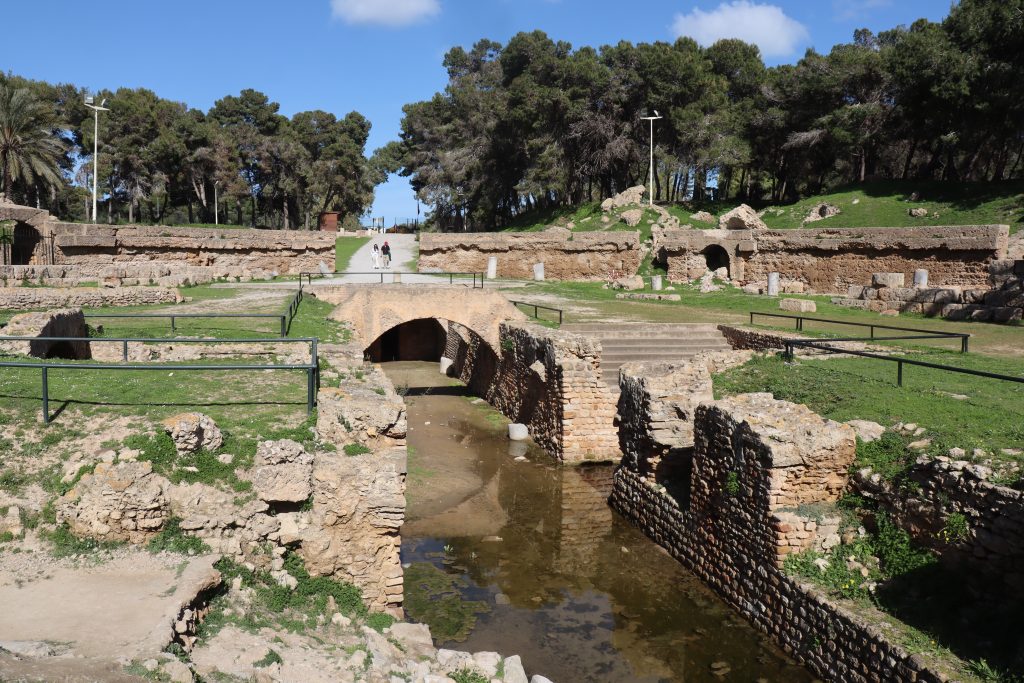
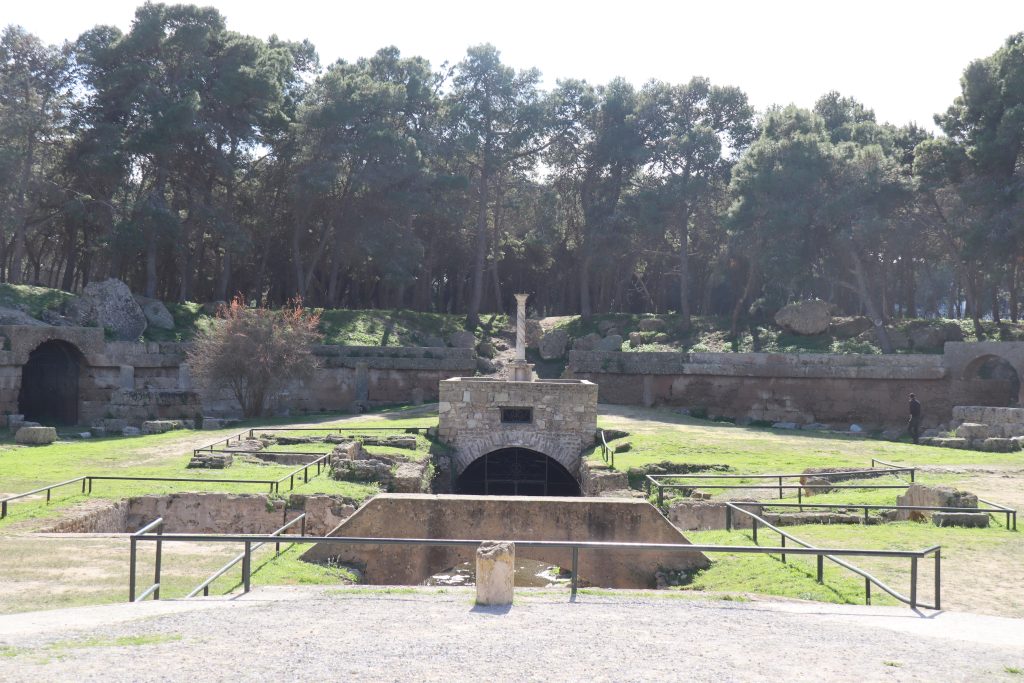
The Carthage Amphitheatre was built around the first century AD. The word “amphitheatre” means “theatre all around.” Nonetheless, theatres and amphitheatres had completely different purposes. The latter were traditionally used for executions, animal hunts, and gladiatorial contests.
7e) Byrsa Hill
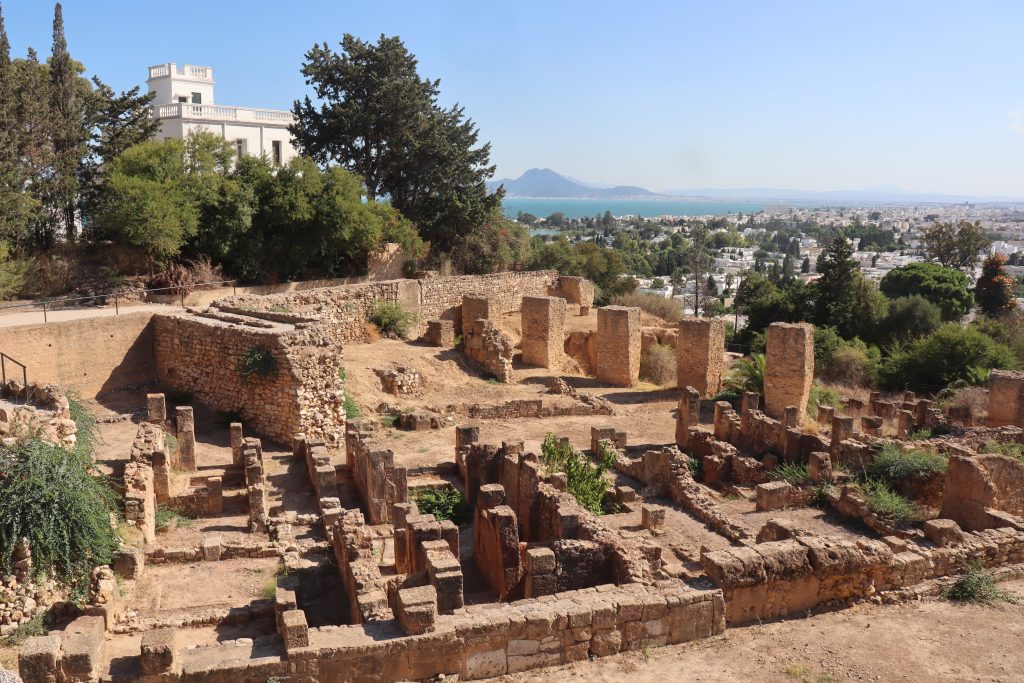
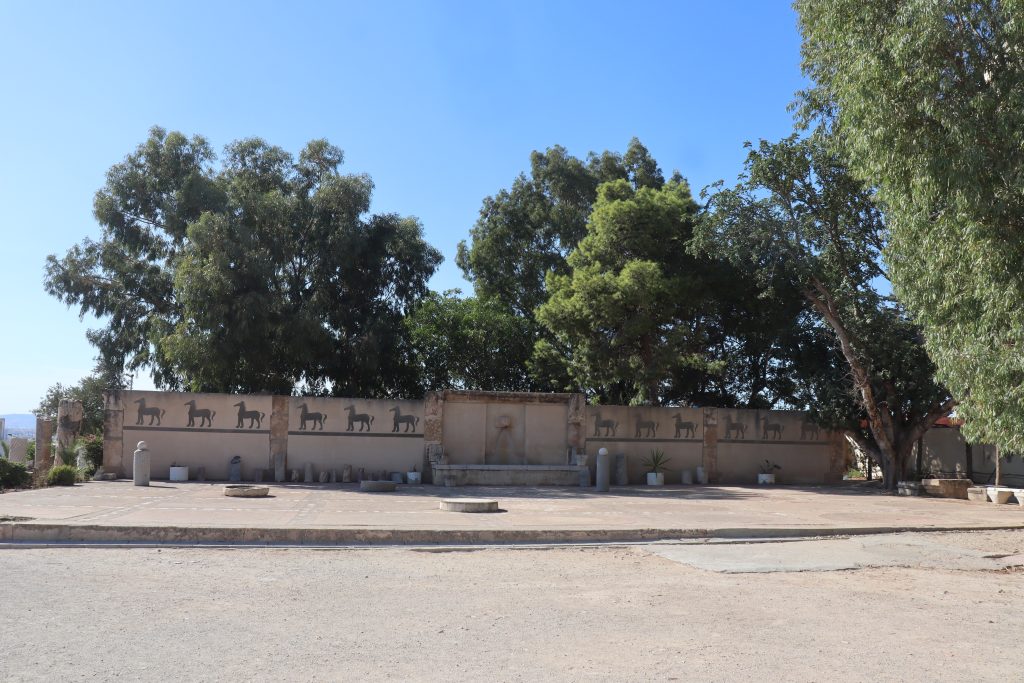
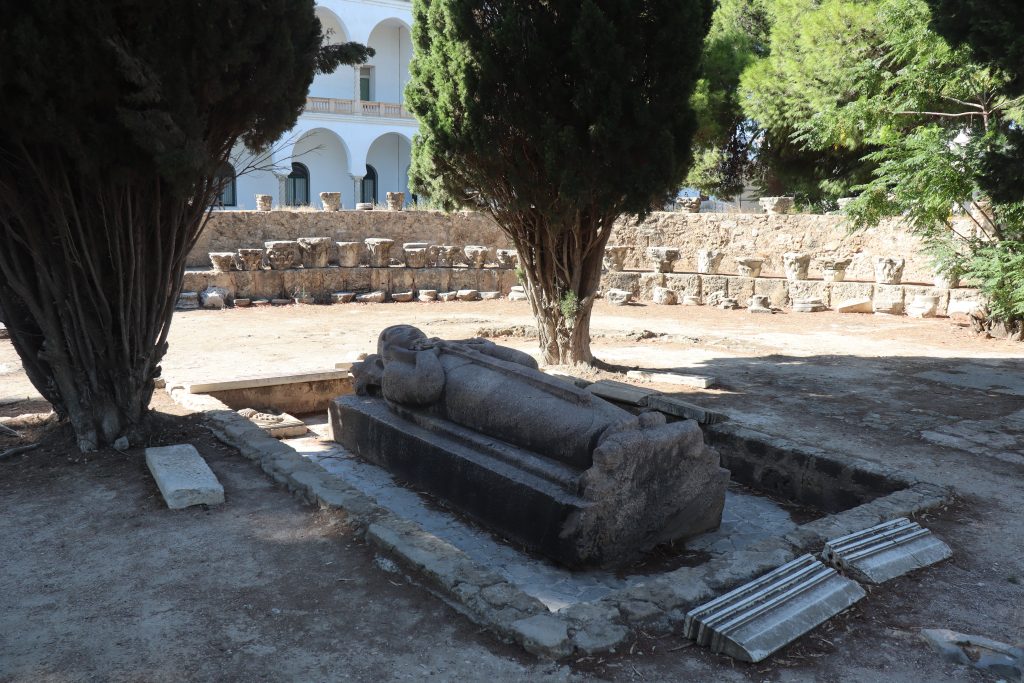
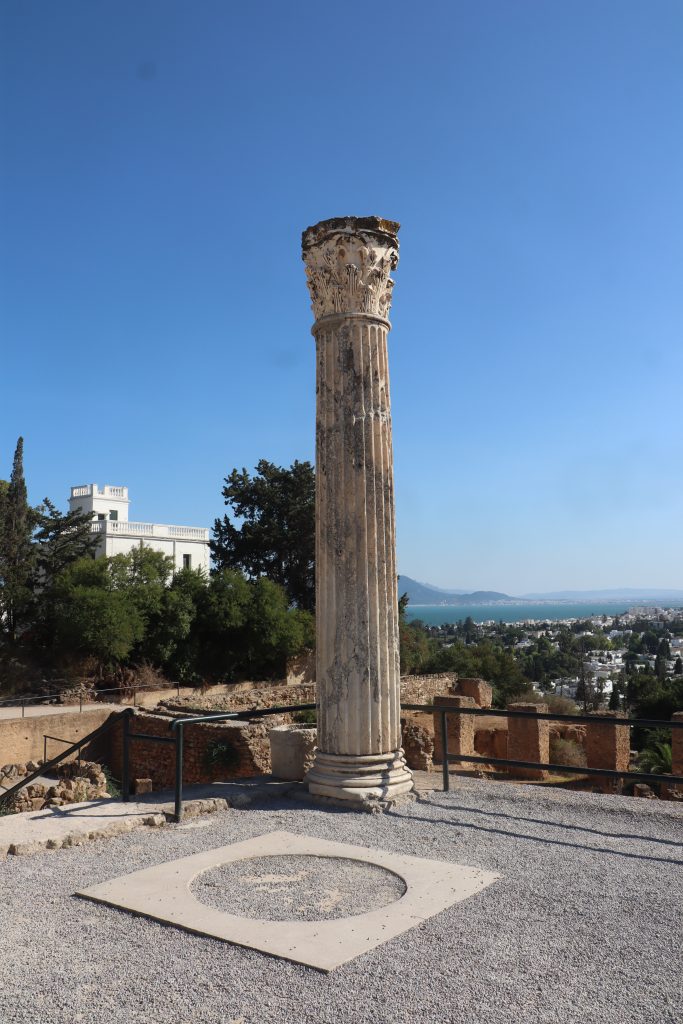
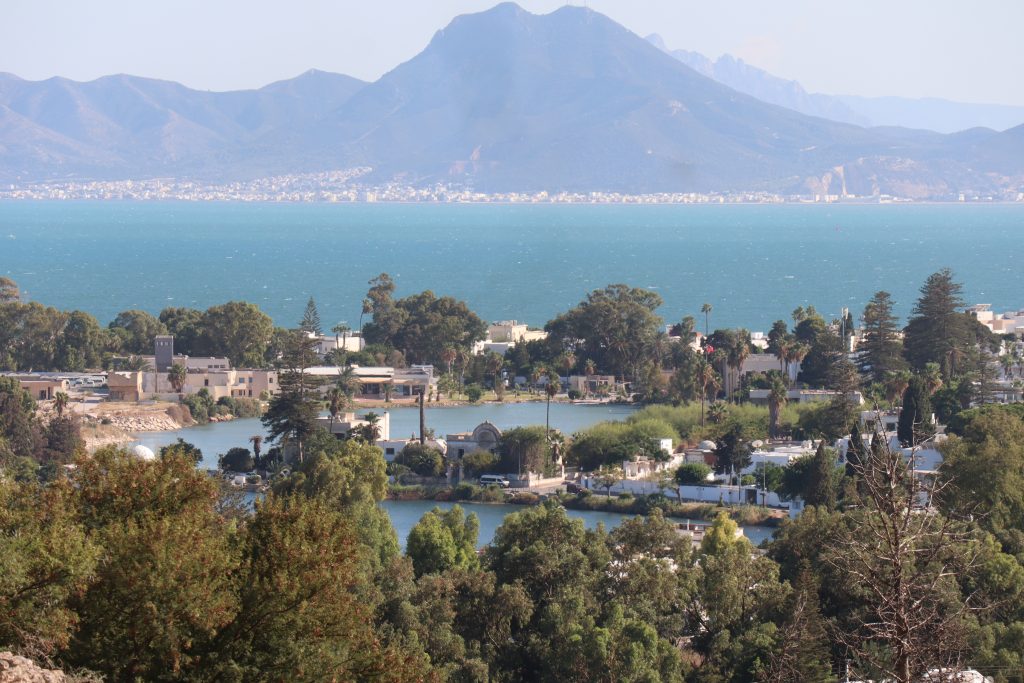
Byrsa Hill is one of the most important sights in Carthage. It was once the citadel of Carthage and features the city’s ancient Punic and later Roman archaeological remains. There are also some later Christian monuments on the site. From there, visitors can enjoy a great view of Tunis as well.
7f) Saint Louis Cathedral
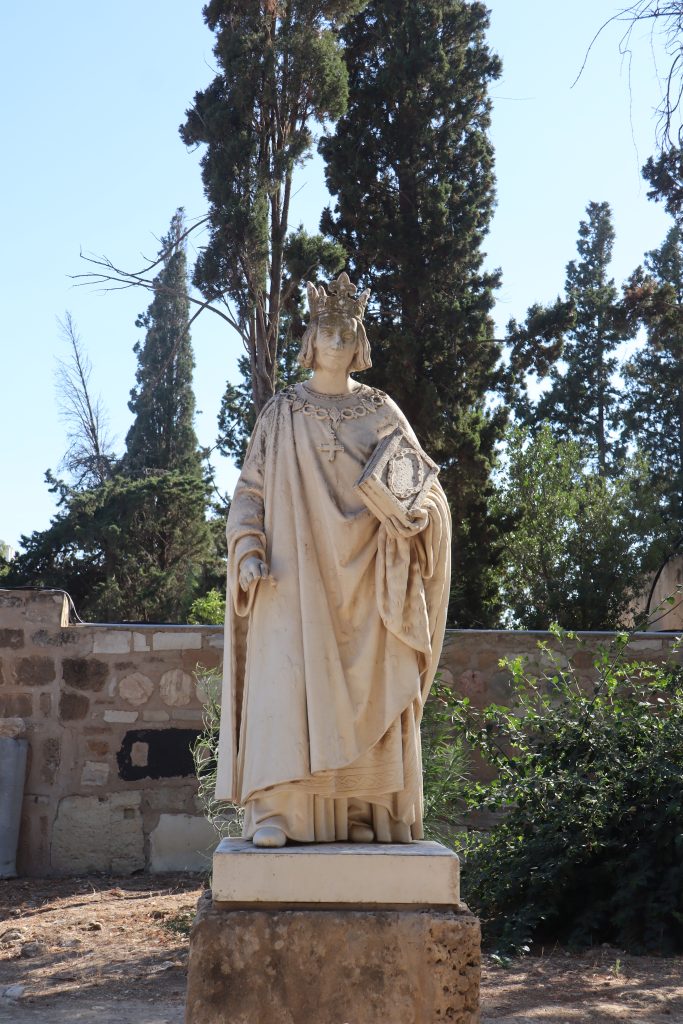
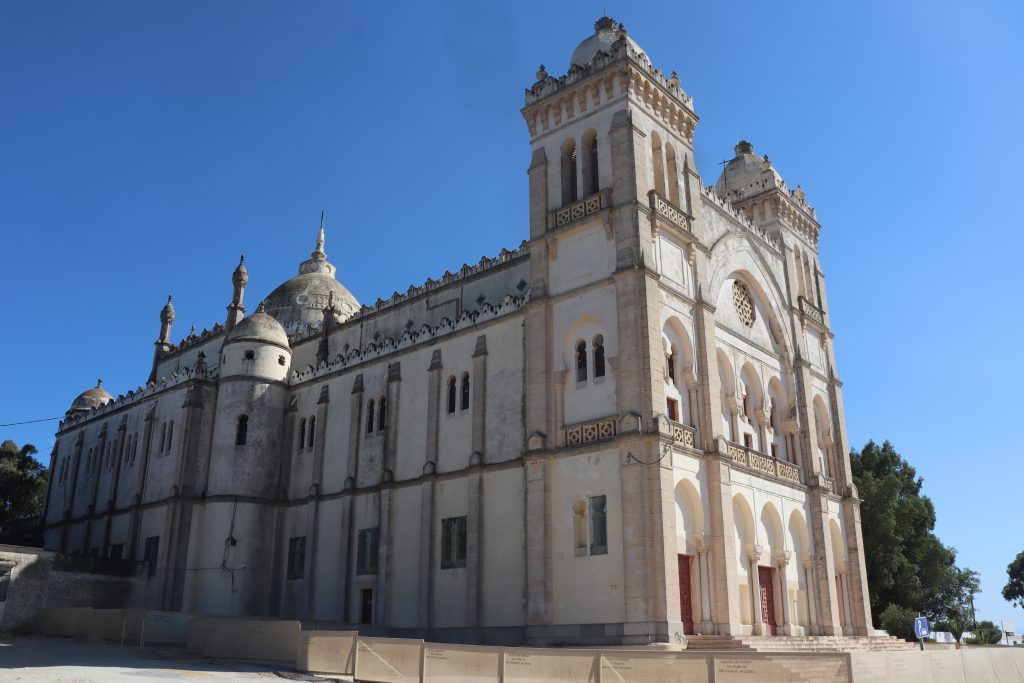
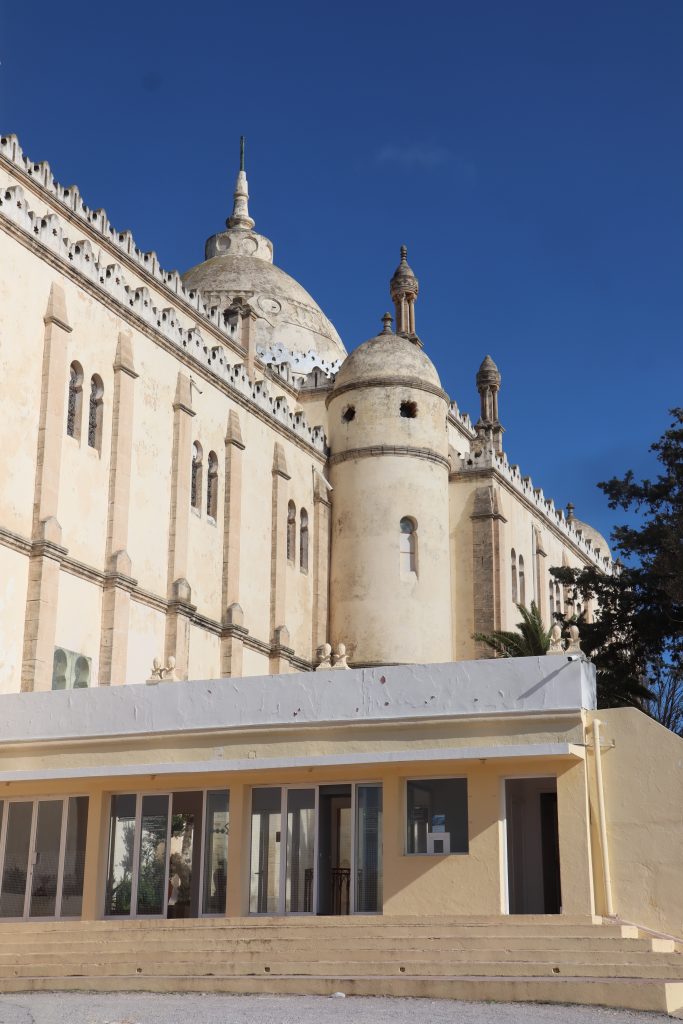
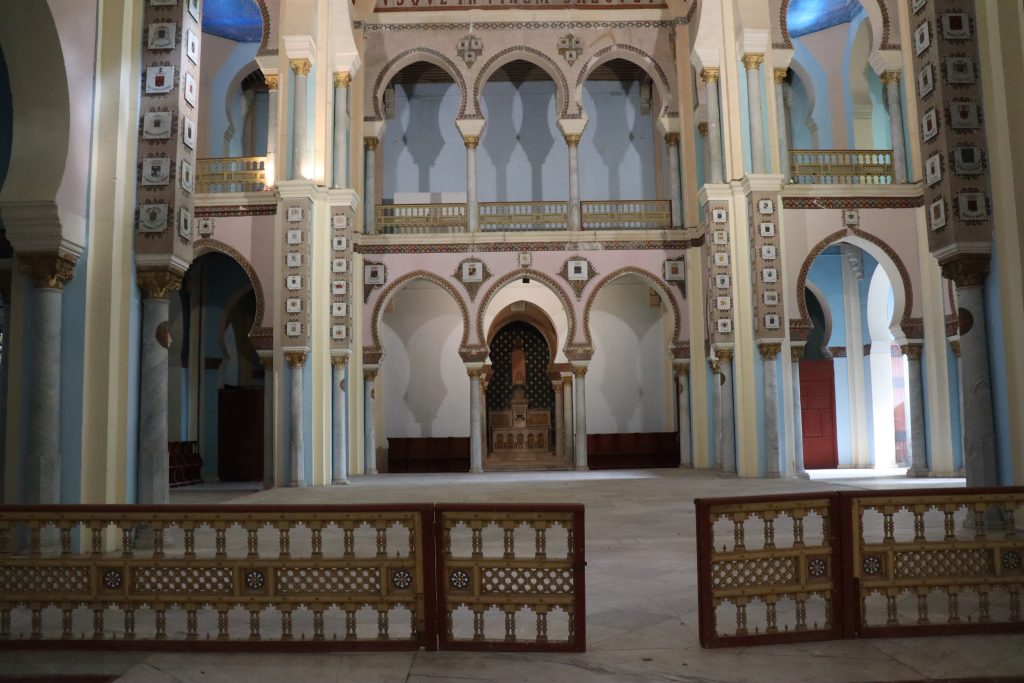
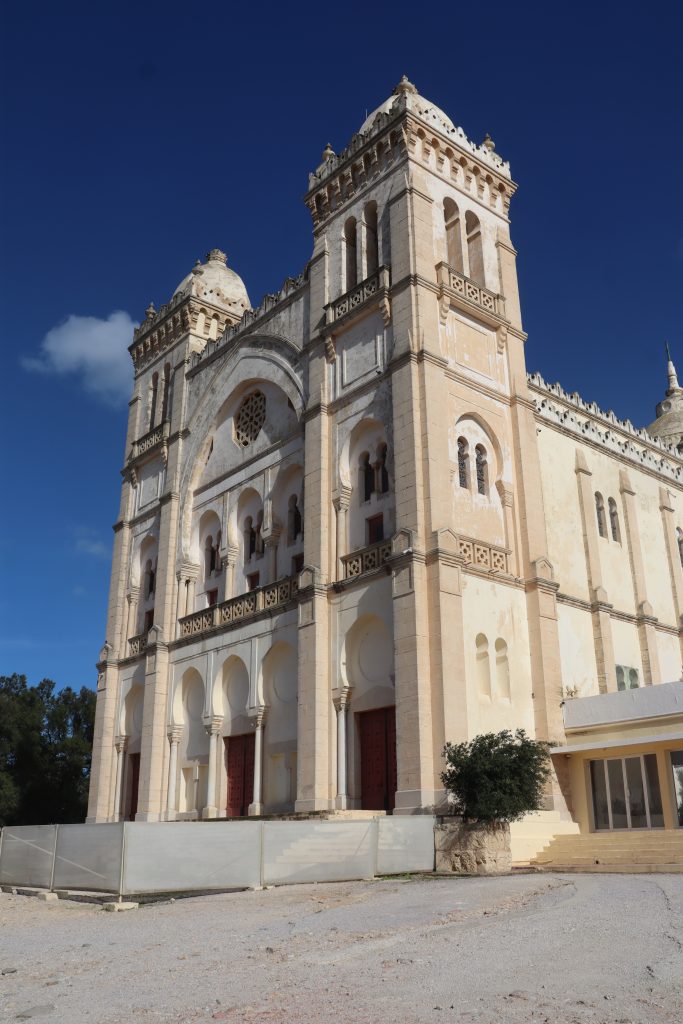
Saint Louis Cathedral, built at the end of the 19th century, is located on Byrsa Hill, close to the archaeological ruins. It is no longer used as a church, but instead hosts various cultural events. It features symbols of the three monotheistic religions, namely Christianity, Islam, and Judaism. Saint Louis Cathedral, also known as the Acropolium, is definitely worth a visit.
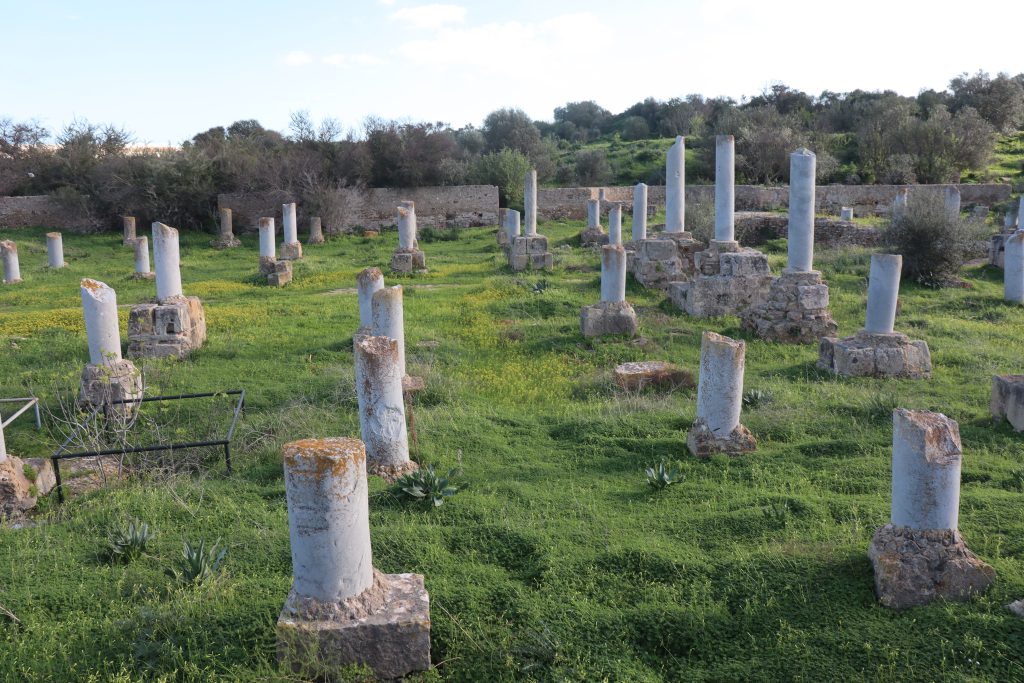
7g) Basilica of Damous El Karita
The Basilica of Damous El Karita is a very important ancient Christian site in Carthage. It was a significant pilgrimage destination linked to the saints buried there. Nowadays, the ruins are visited by relatively few tourists.
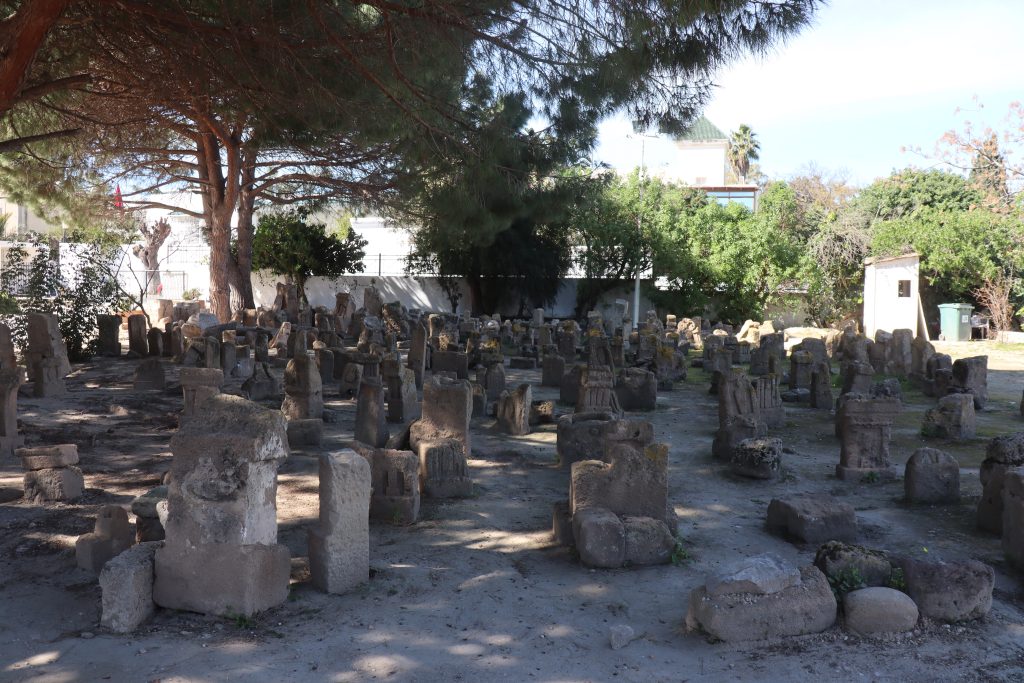
7h) Tophet of Salambo
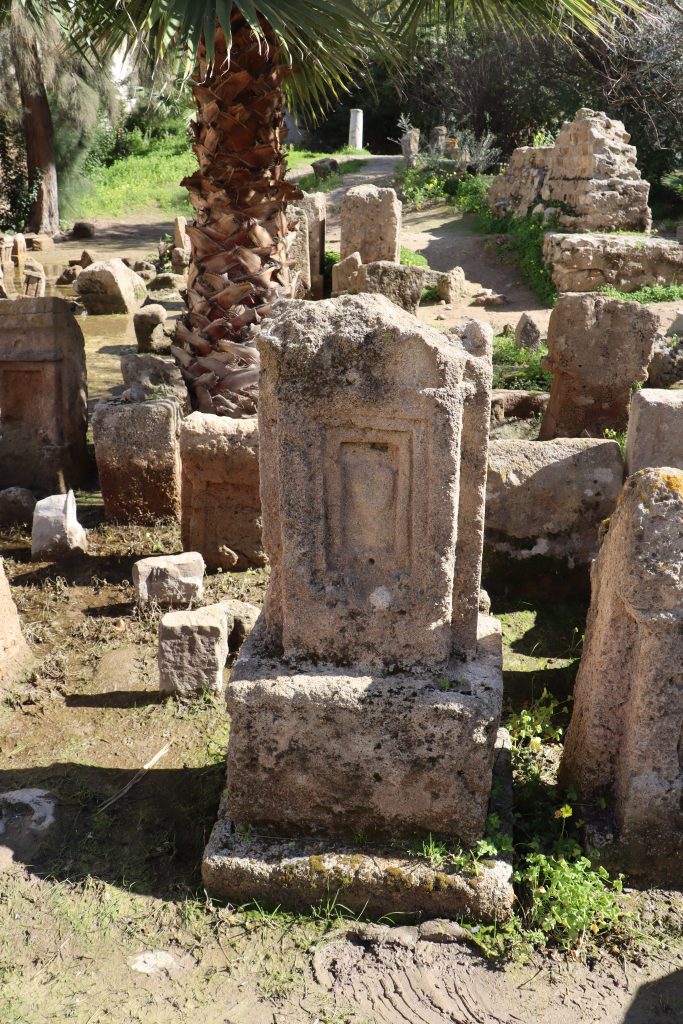
The Tophet of Salammbo is an ancient site in Carthage that is often associated with child sacrifice. Archaeologists have discovered urns containing the cremated remains of infants and young children in the area.
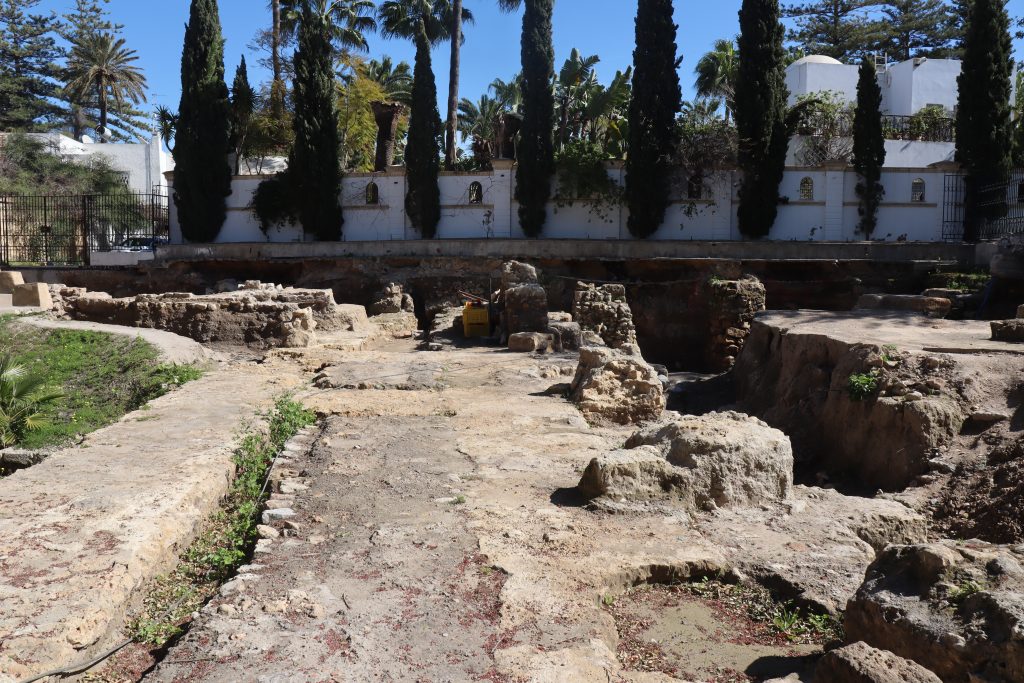
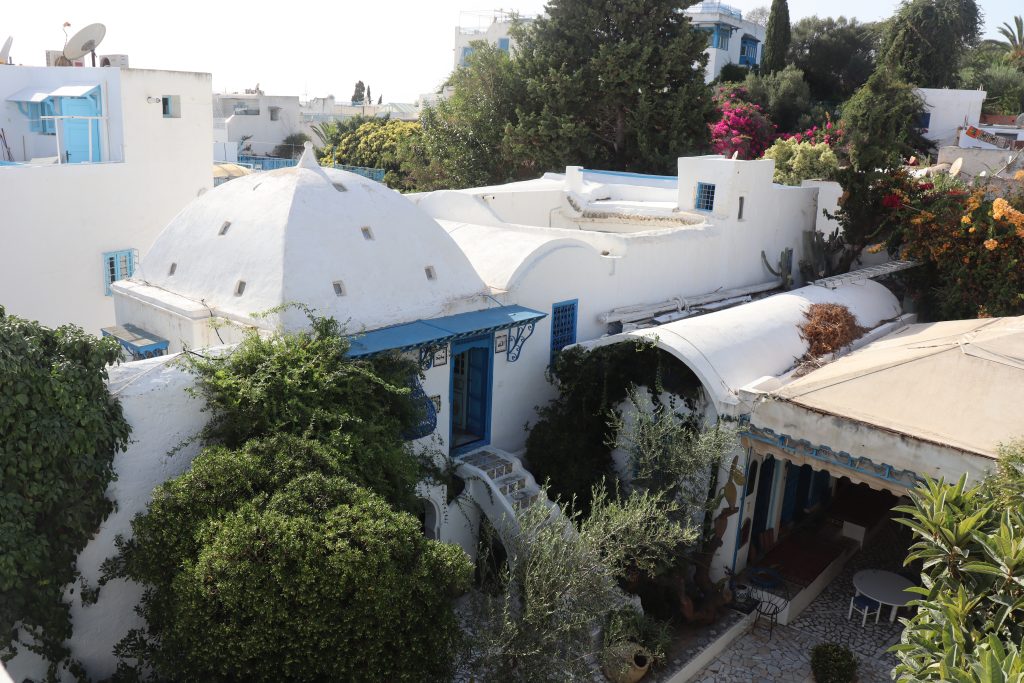
8) Sidi Bou Said
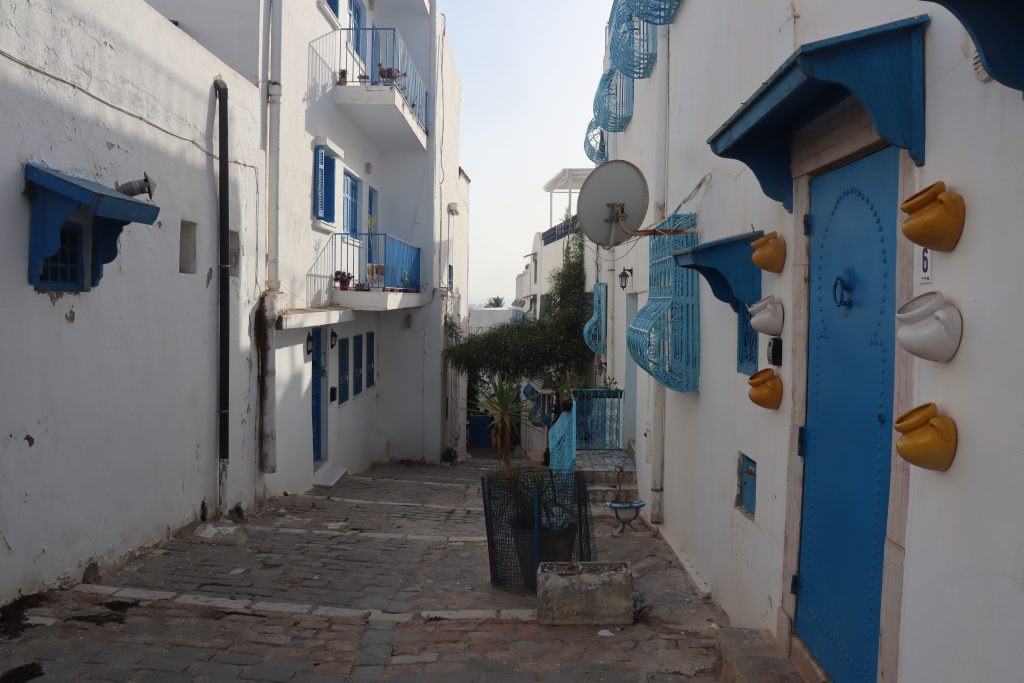
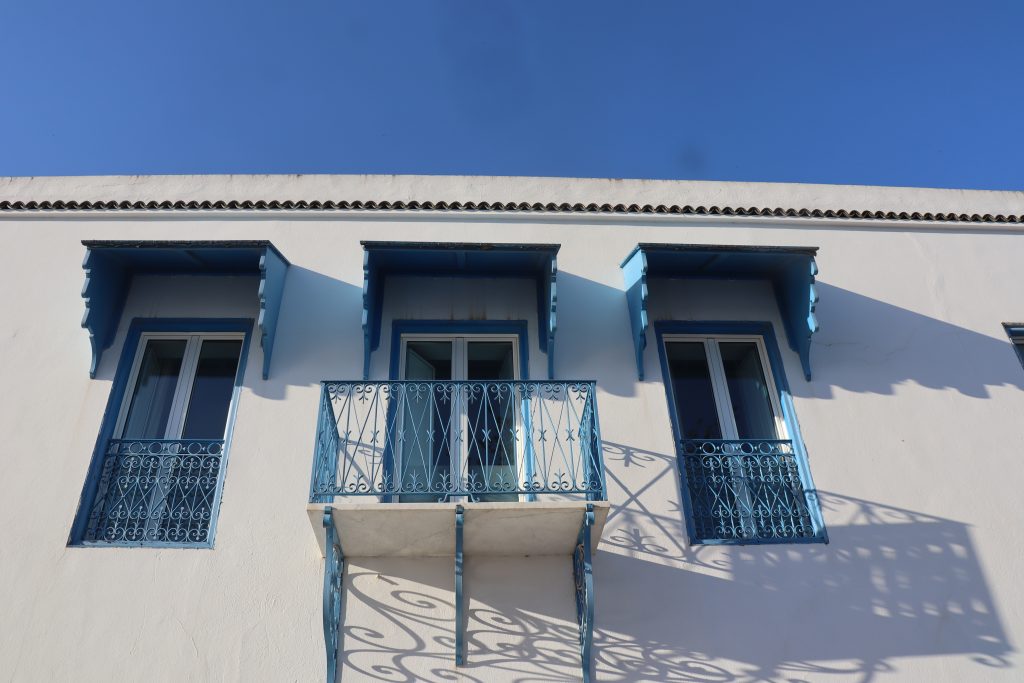
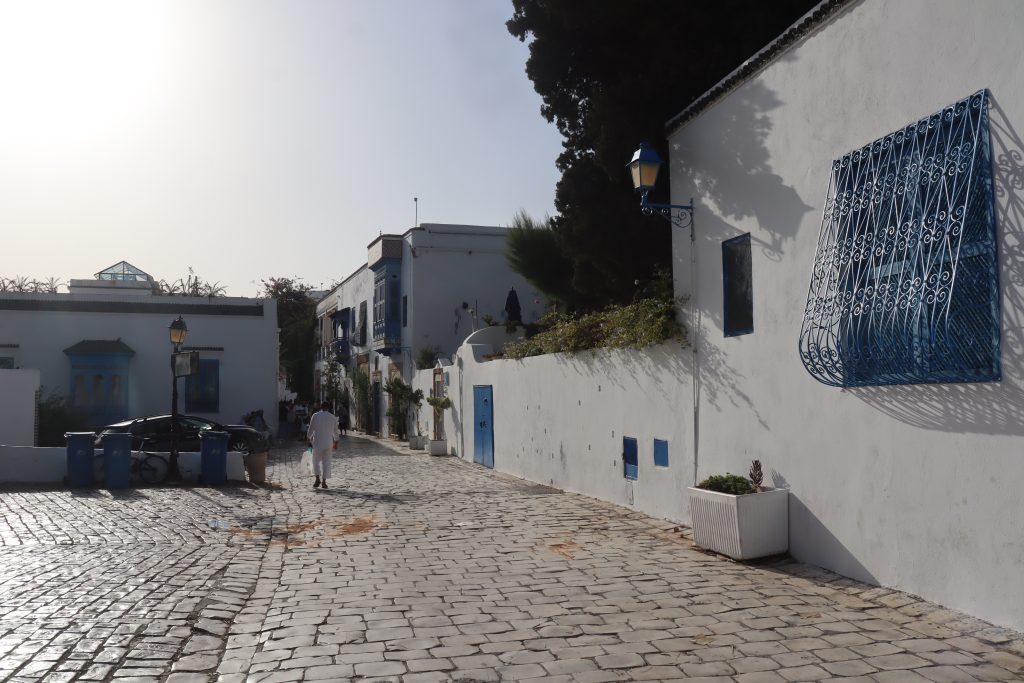
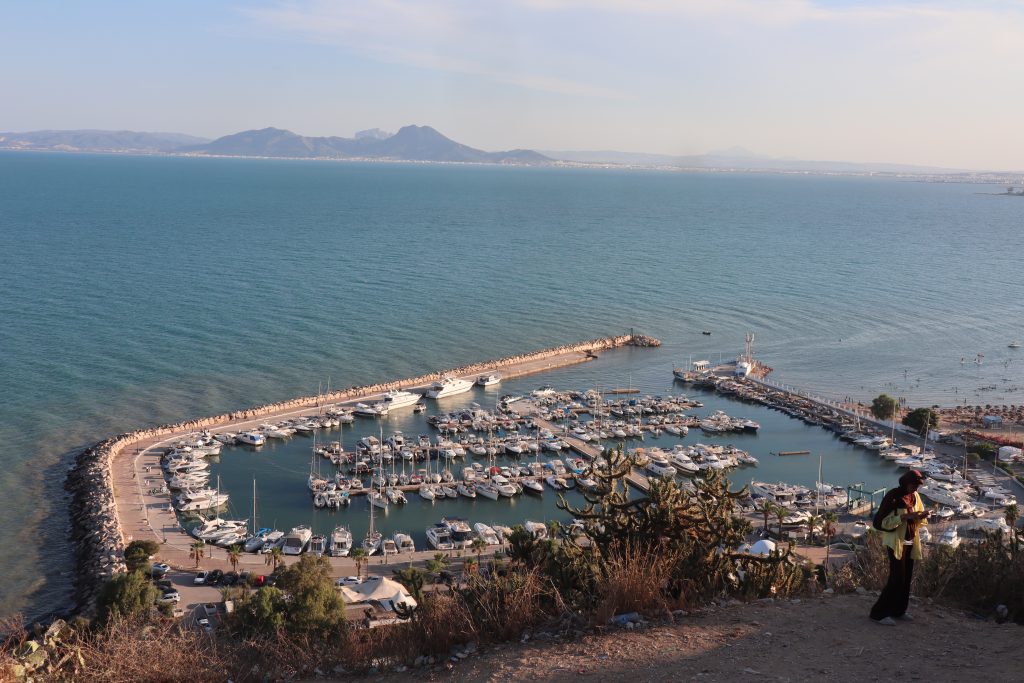
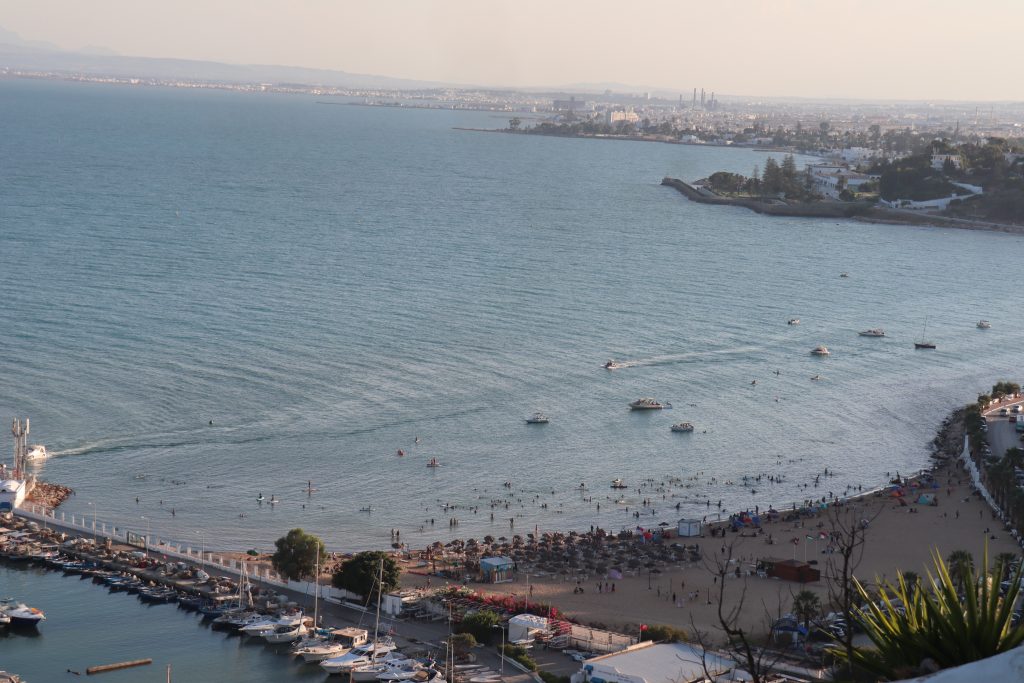
Sidi Bou Said is a popular travel destination where visitors have the chance to admire its distinctive blue-and-white buildings. Its architecture is reminiscent of that found on some Greek islands, especially those of the Cyclades, although I personally find the latter more impressive than Sidi Bou Said. Do not forget to enjoy the amazing sea views that the town offers. I also visited its beach, but, to be honest, I was not particularly impressed by it.
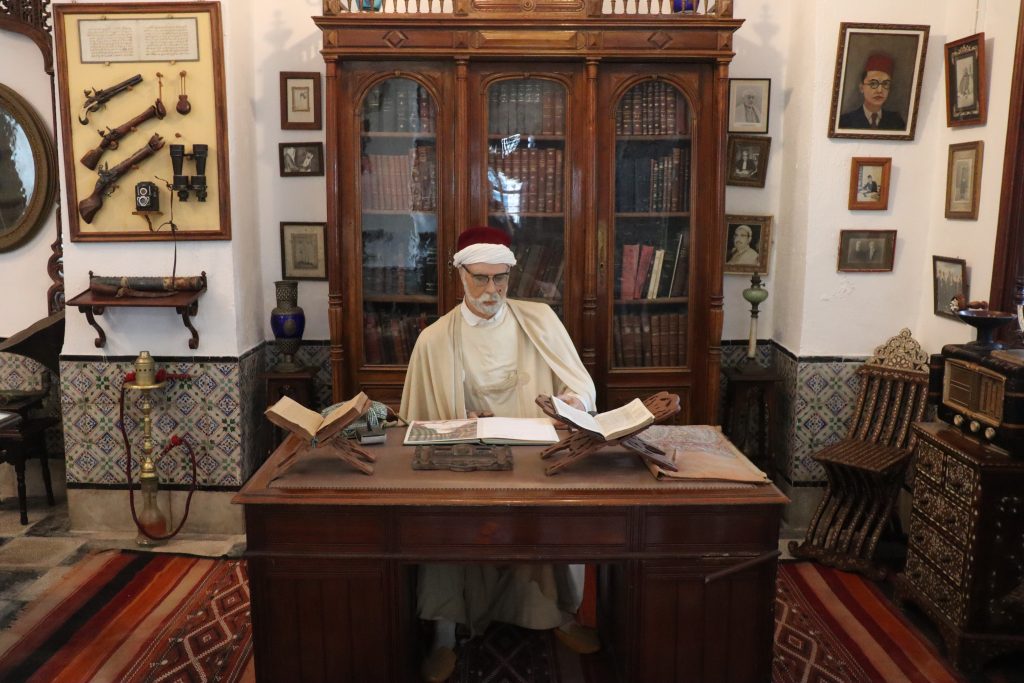
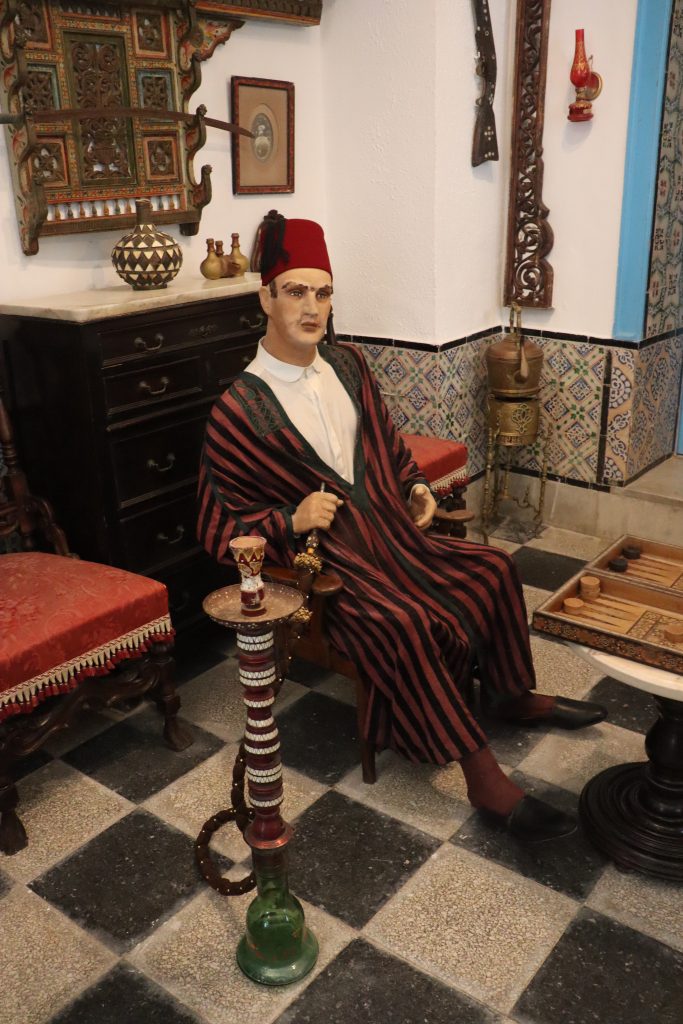
8a) Dar El Annabi
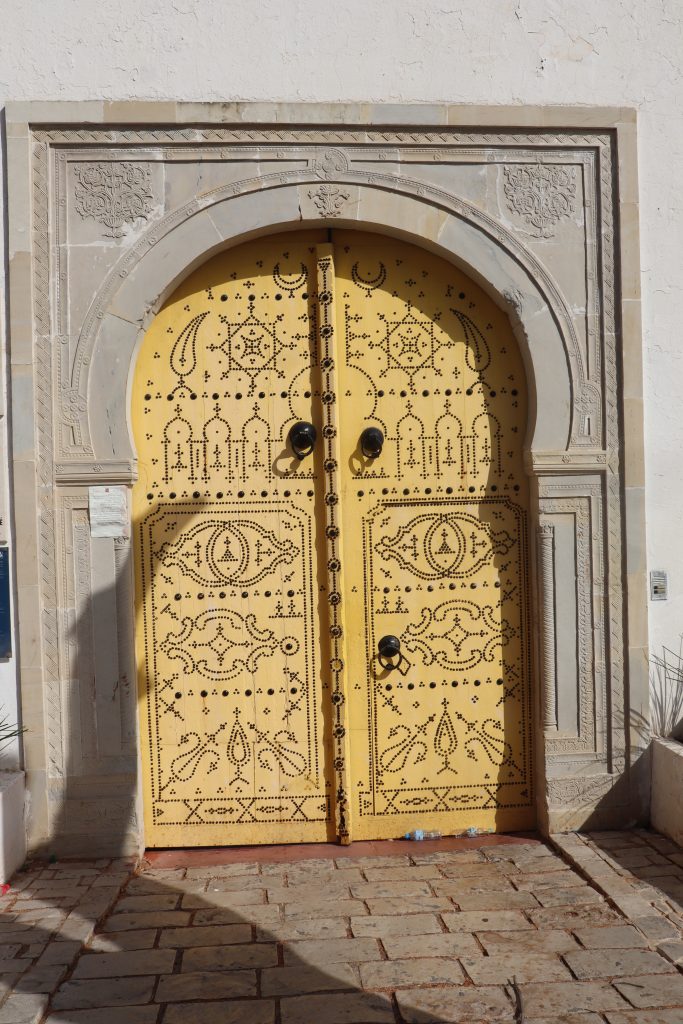
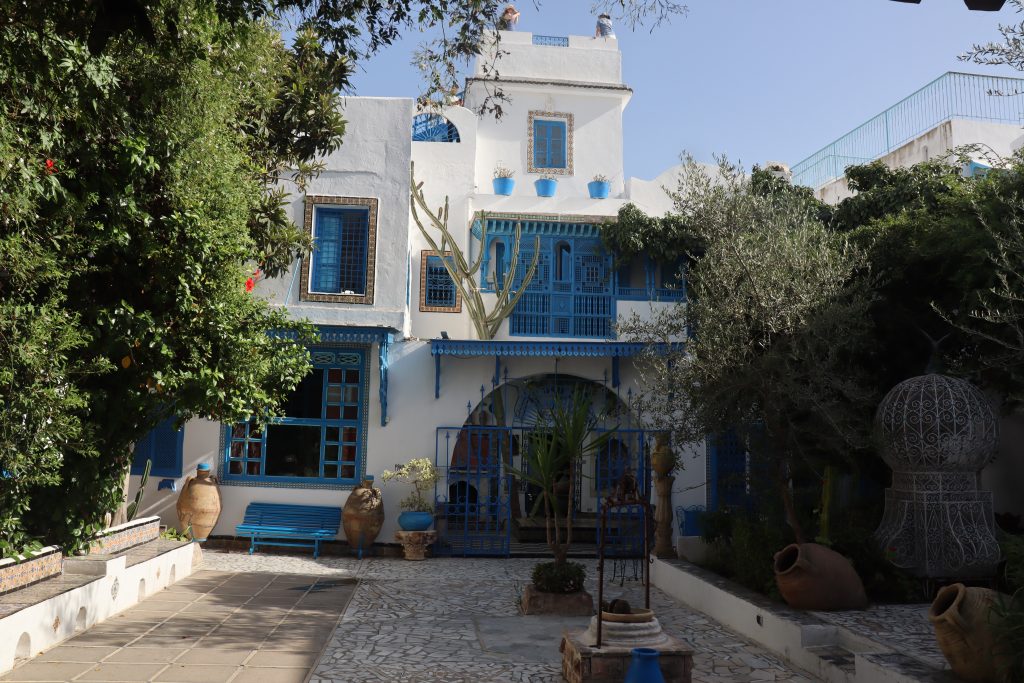
Dar El Annabi is a traditional house in Sidi Bou Said that now serves as a museum. It offers a glimpse into the life of an affluent Tunisian family in the late 18th century.
9) La Marsa
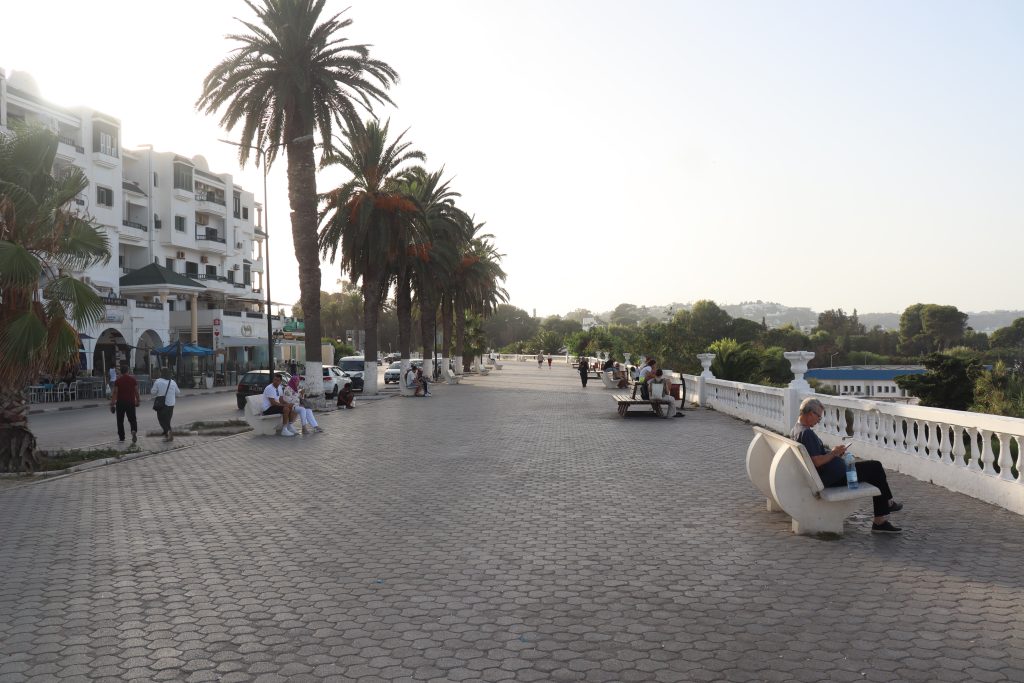
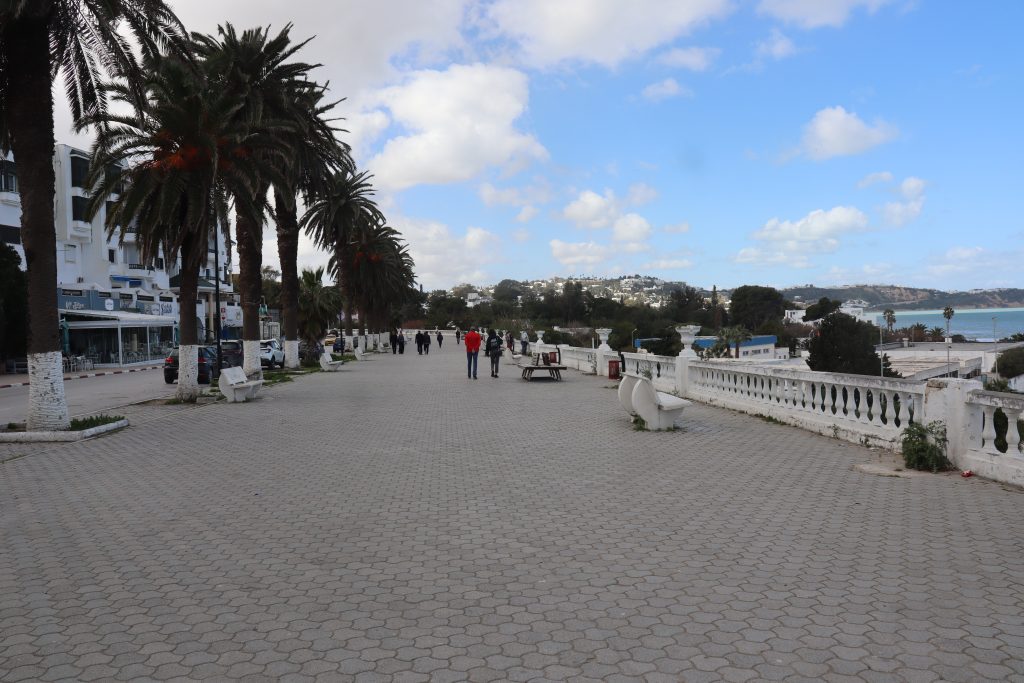
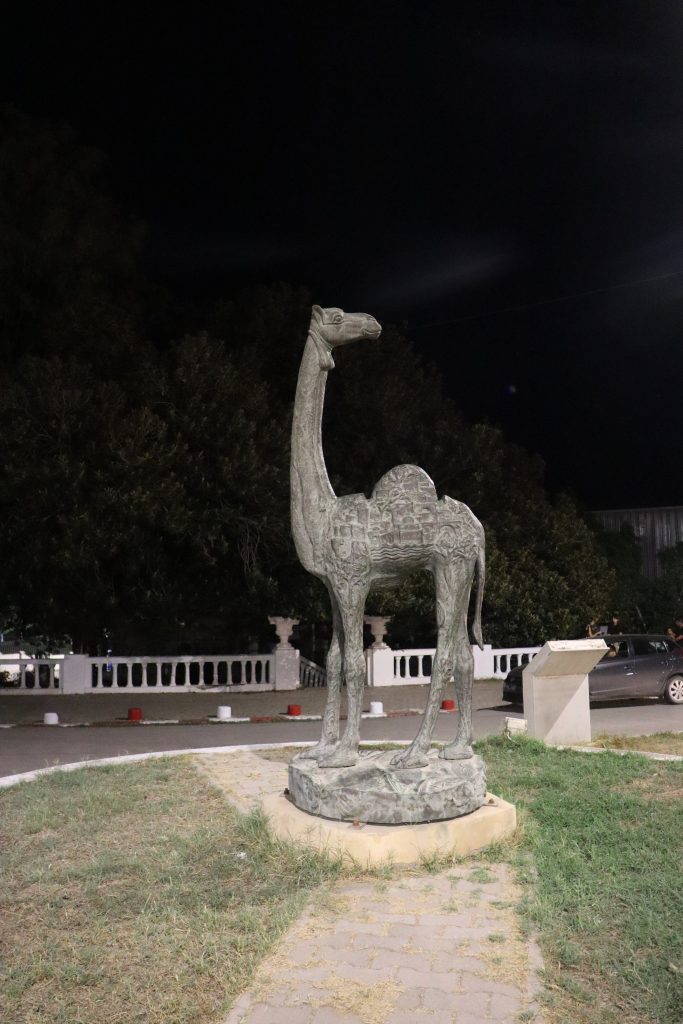
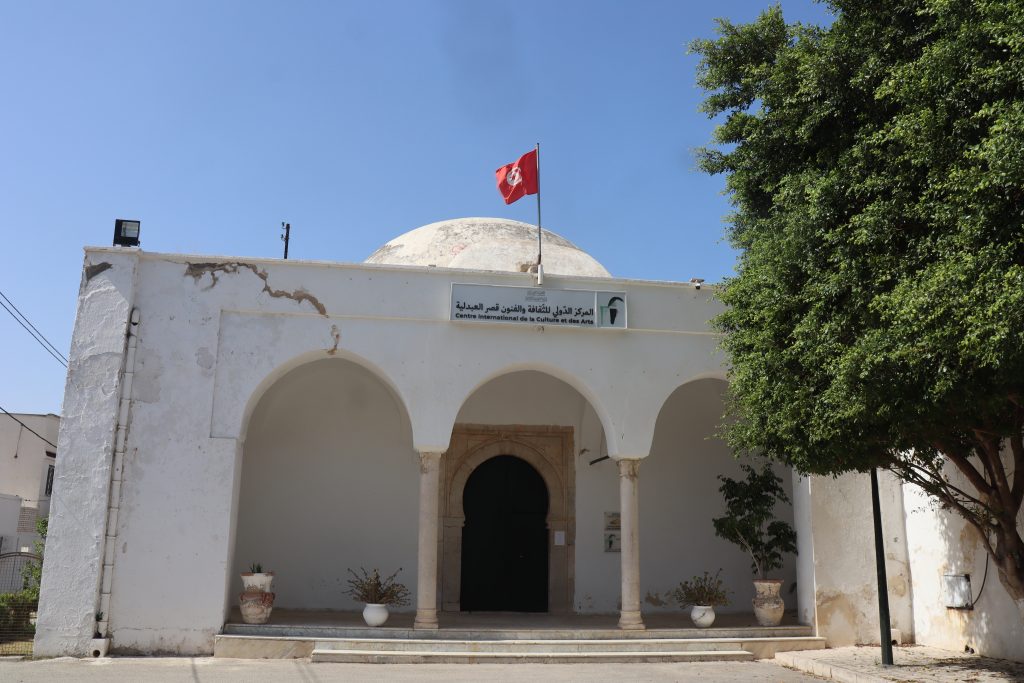
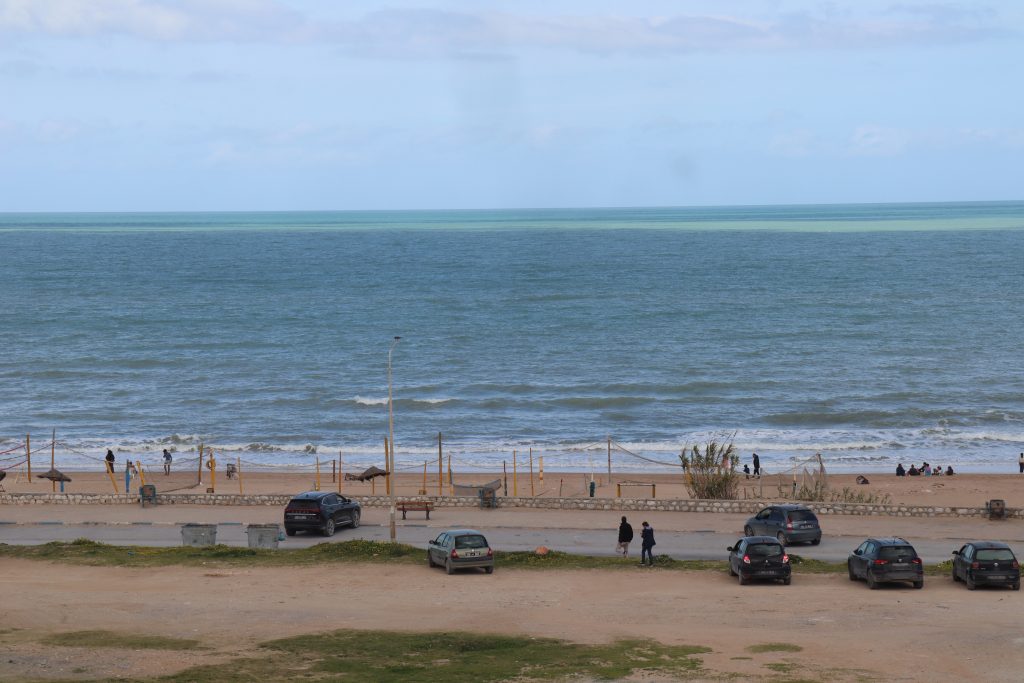
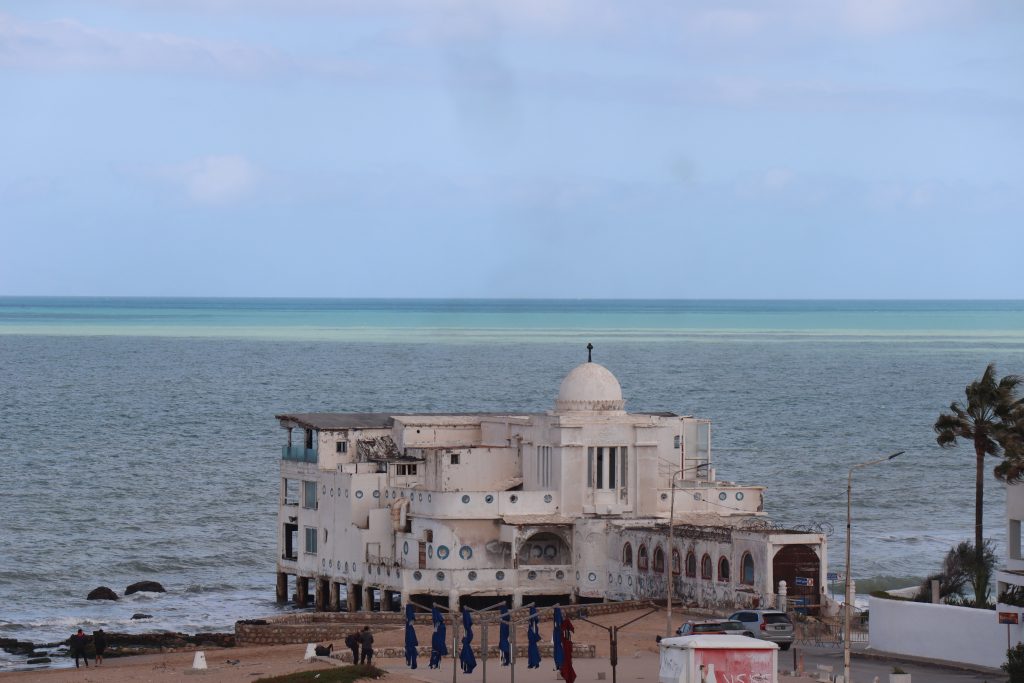
La Marsa is the city where I have chosen to stay on both occasions when I visited Tunis. It is an enchanting coastal city located close to Carthage on the Mediterranean Sea. It is well known for its beaches, restaurants, and cafés. Although it is not as lively as Lac 2, I particularly enjoyed strolling around in a sense of serenity and gazing at the sea. Abdellia Palace, dating from around 1500, is another historic landmark in La Marsa. Unfortunately, it was closed on the day of my visit.