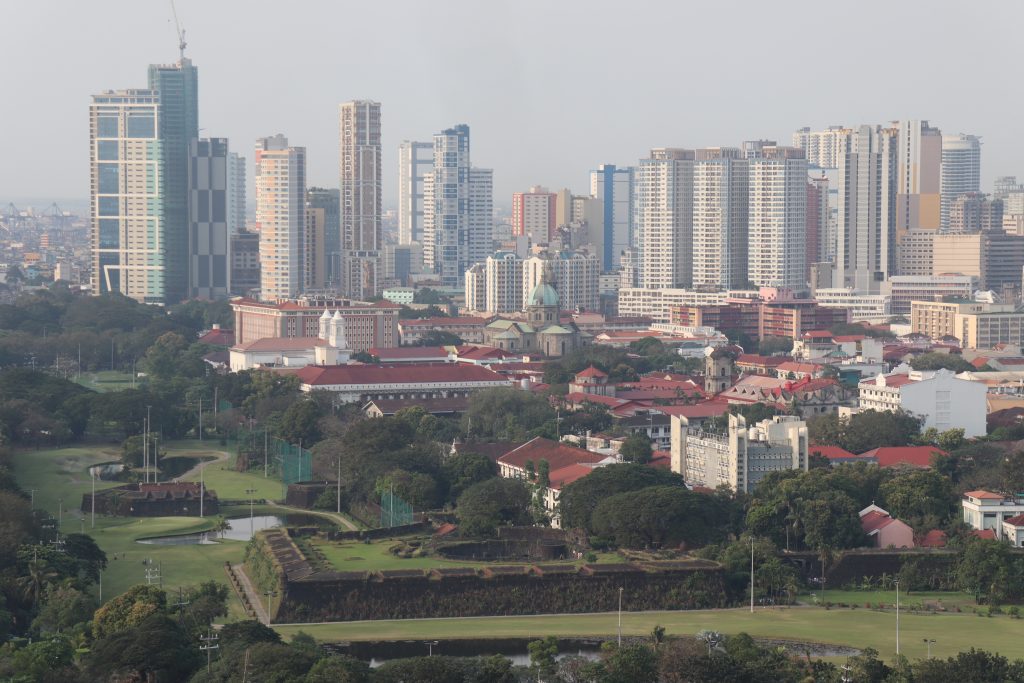
Manila, the capital of the Philippines, is usually not considered an ideal travel destination. Metro Manila is a huge, densely populated area with different neighbourhoods, ranging from the modern, safe, and clean Bonifacio Global City to the slums. Most travellers use Manila as a gateway to the wonderful beaches of famous islands like Palawan or Boracay and do not spend much time in the city. Although it is not an entirely safe place and there are also a lot of homeless people in many parts of the metropolitan area, I found Manila much more enticing than I had expected. You are not going to find an amazing ancient city or the tropical beach of your dreams there, but the modern museums, Intramuros, the Manila Chinese Cemetery, some excellent restaurants, and the ambience of the huge metropolis, which seems never to sleep and is full of promises, are good reasons to visit Manila. The best time to visit Manila is from November to April, during the dry season. The festive Christmas season is also an excellent time to visit the city. For maximum security and comfort book your airport transfer in advance.
Where to stay in Manila
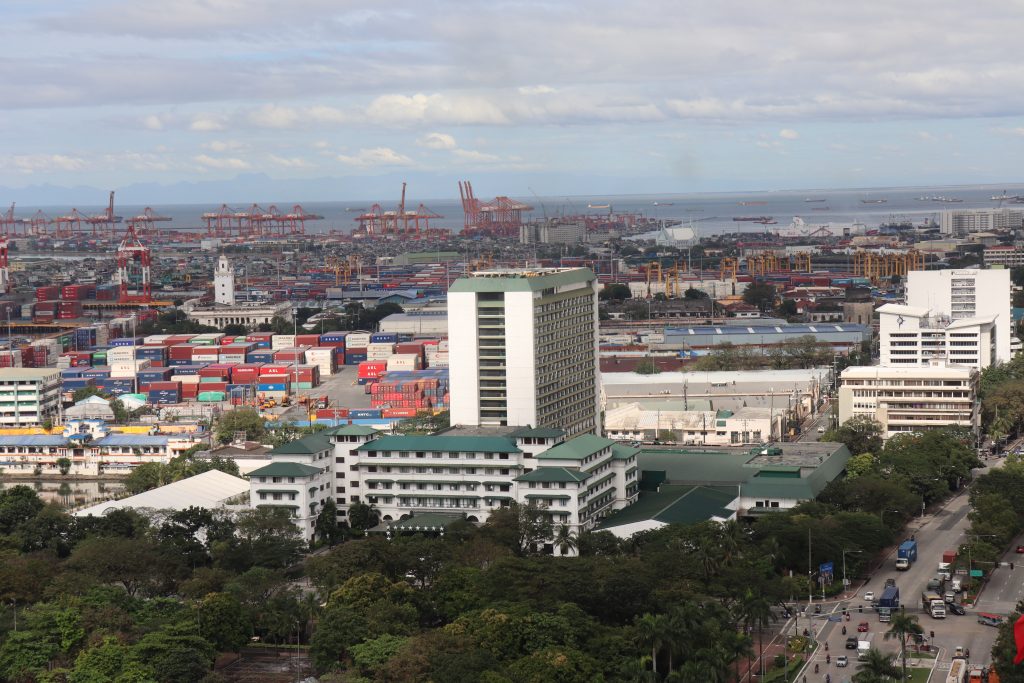
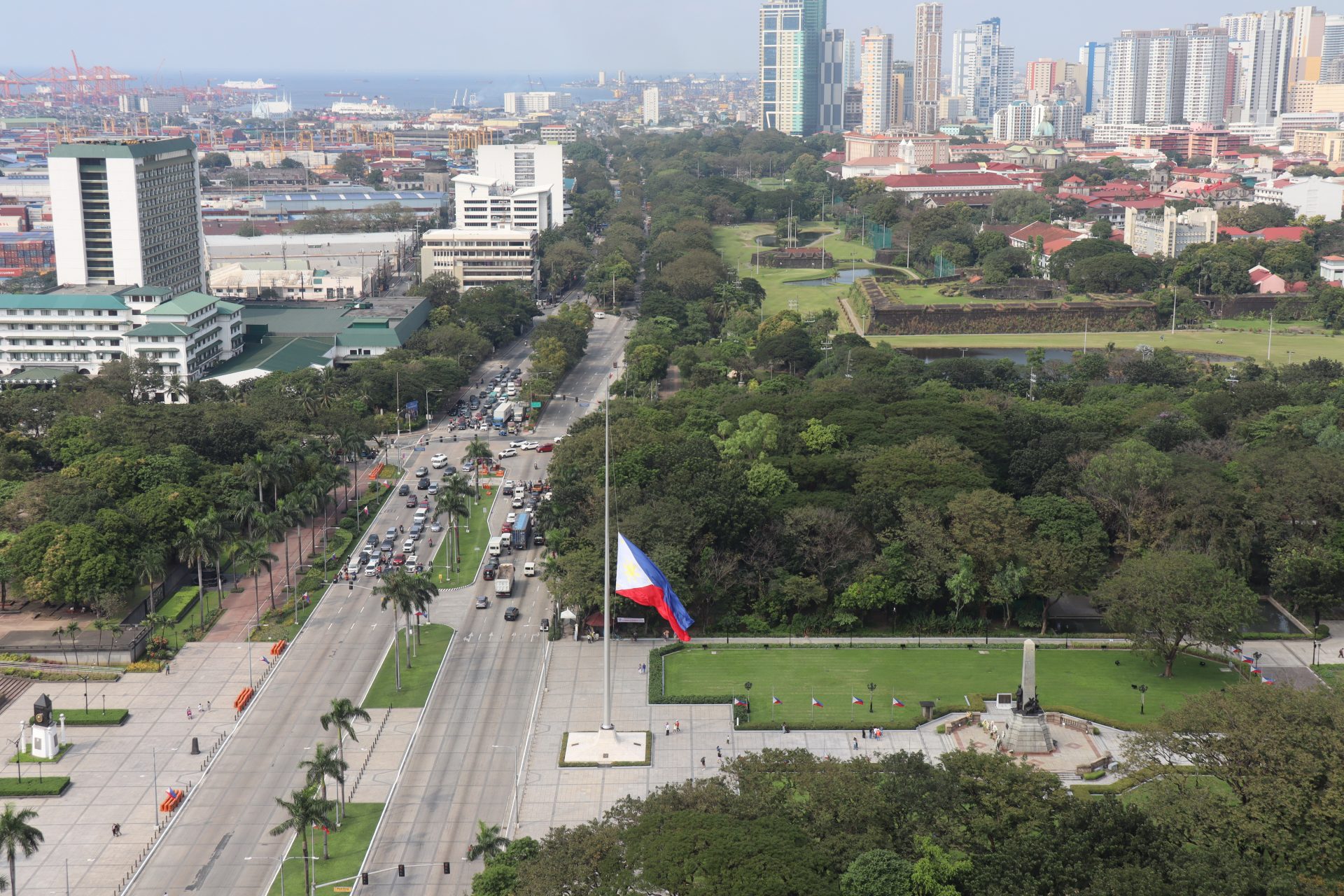
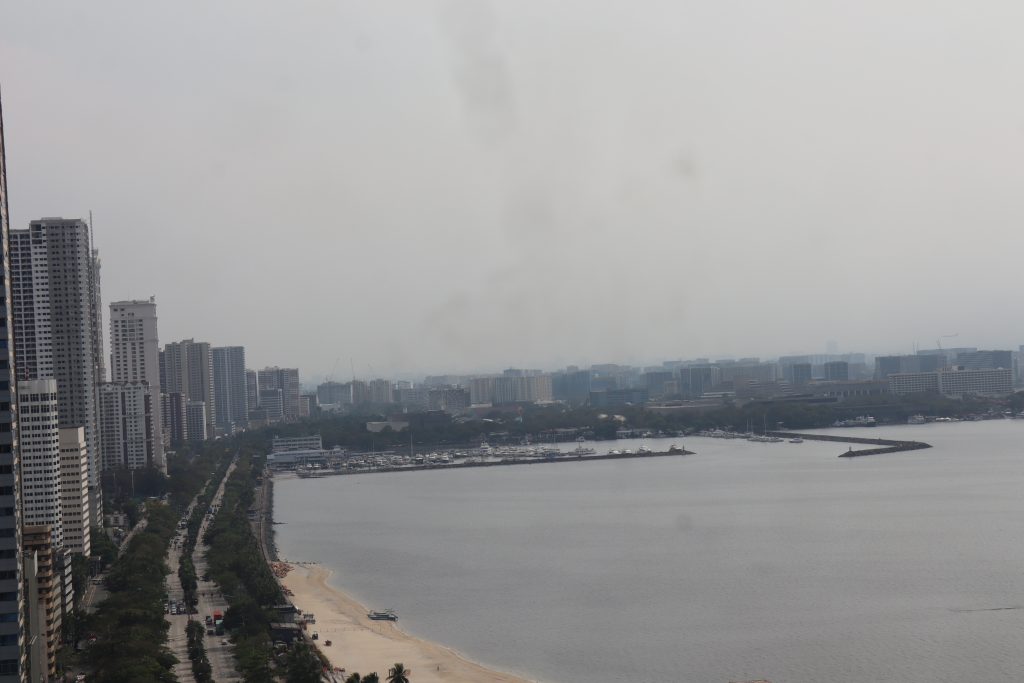
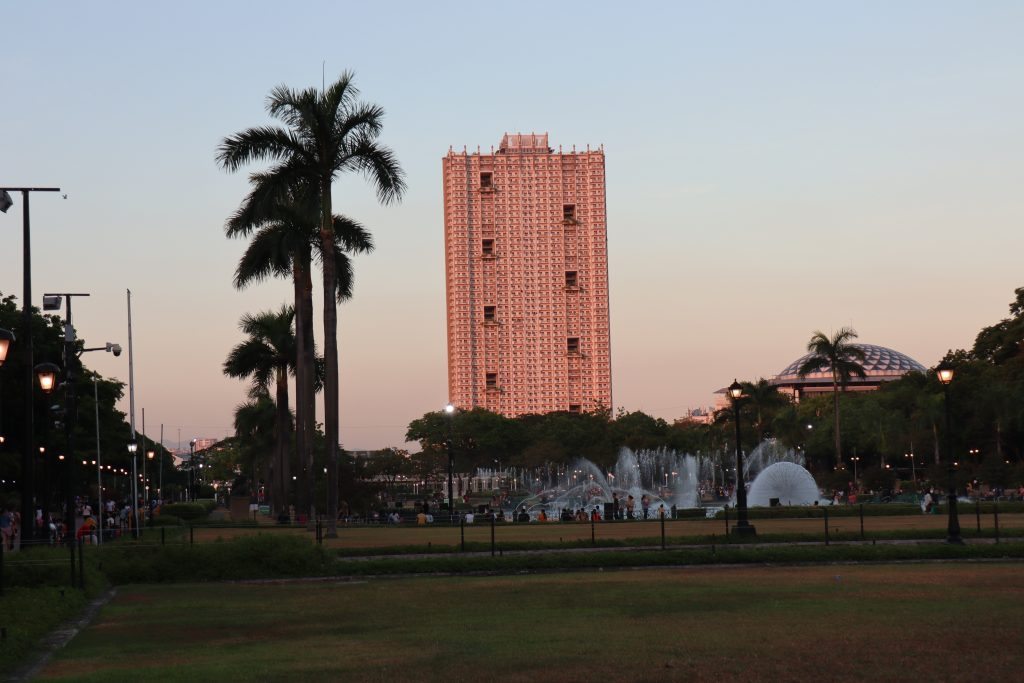
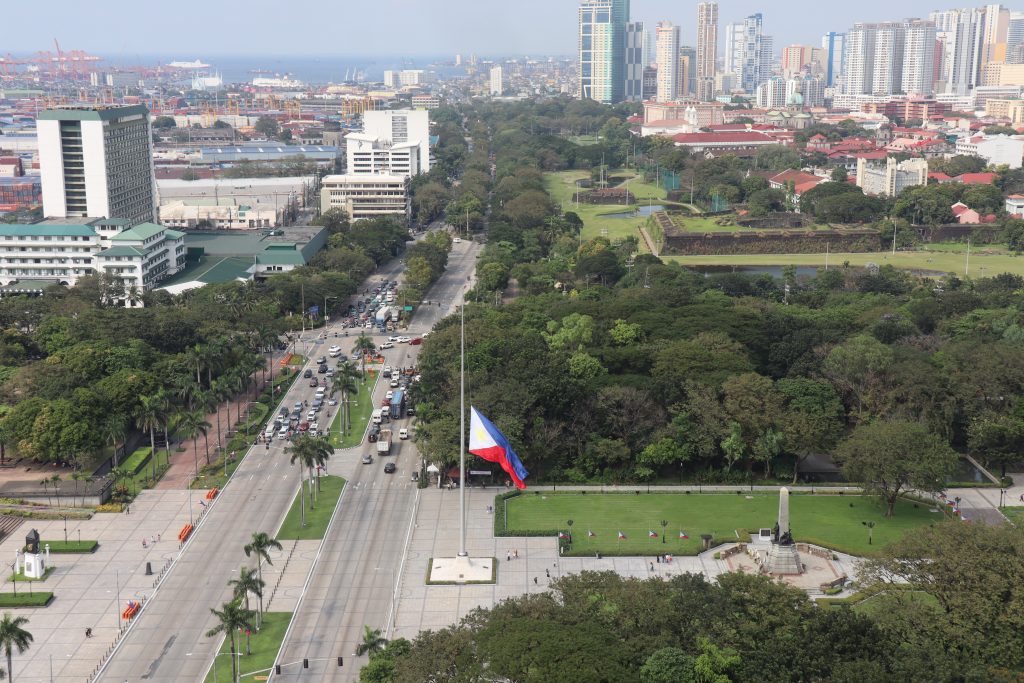
Although it’s easy to get around by taxi or tricycle, I prefer to walk whenever possible. Hence, being close to some of the main sights was very important to me. Therefore, I enjoyed my stays near Intramuros, especially my second stay in Manila, in a condo with a magnificent view of Rizal Park and the bay. Nevertheless, if you prefer a safer and cleaner environment with plenty of restaurants and shops, then Bonifacio Global City may be a better choice for you. Moreover, people whose priority is nightlife should stay in Makati, the undisputed king of clubs and bars in the metropolitan area of Manila.
What to visit in Manila
1) Intramuros and Balaurte de San Diego
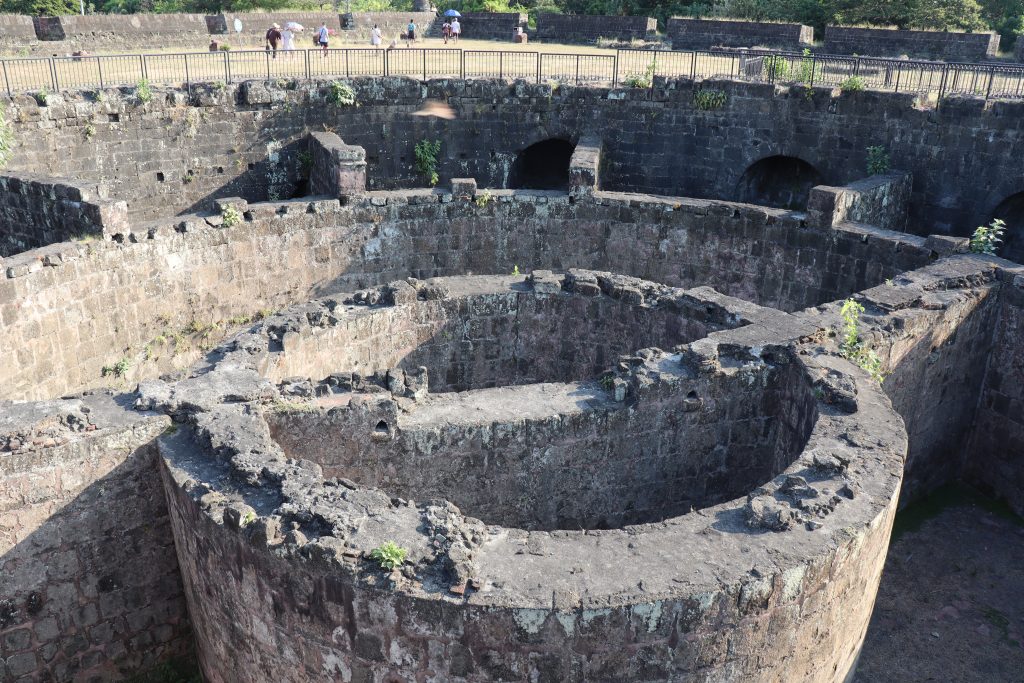
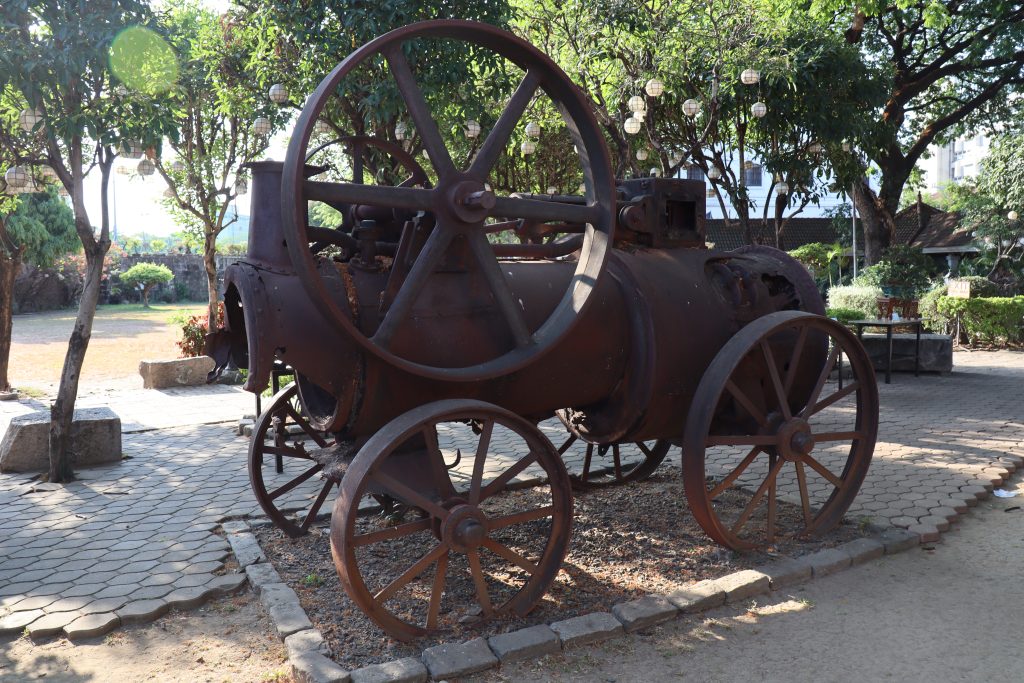
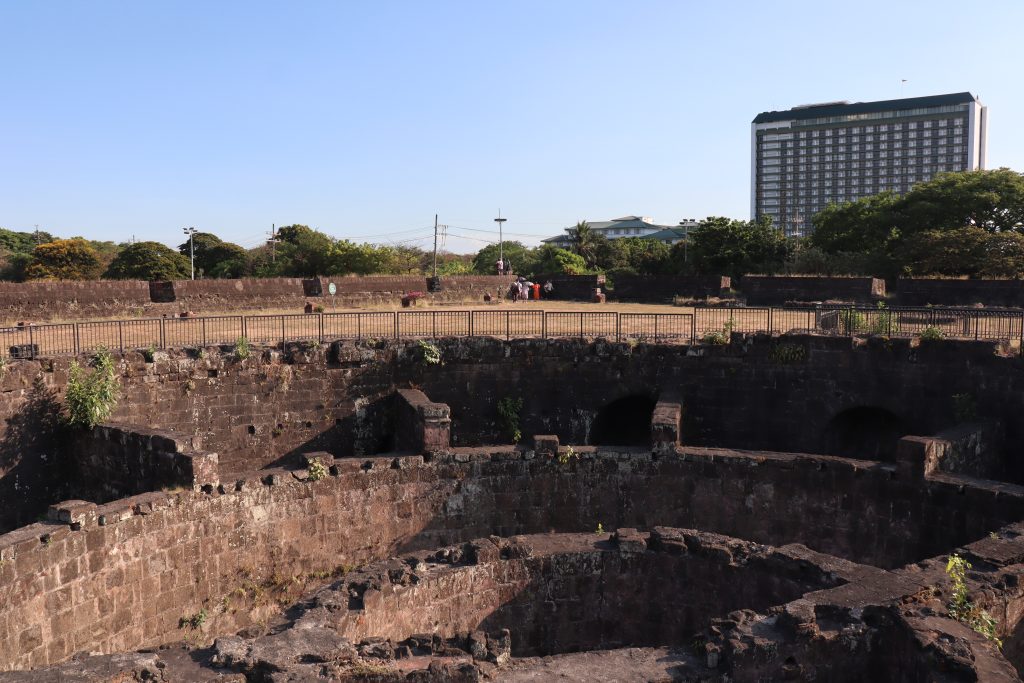
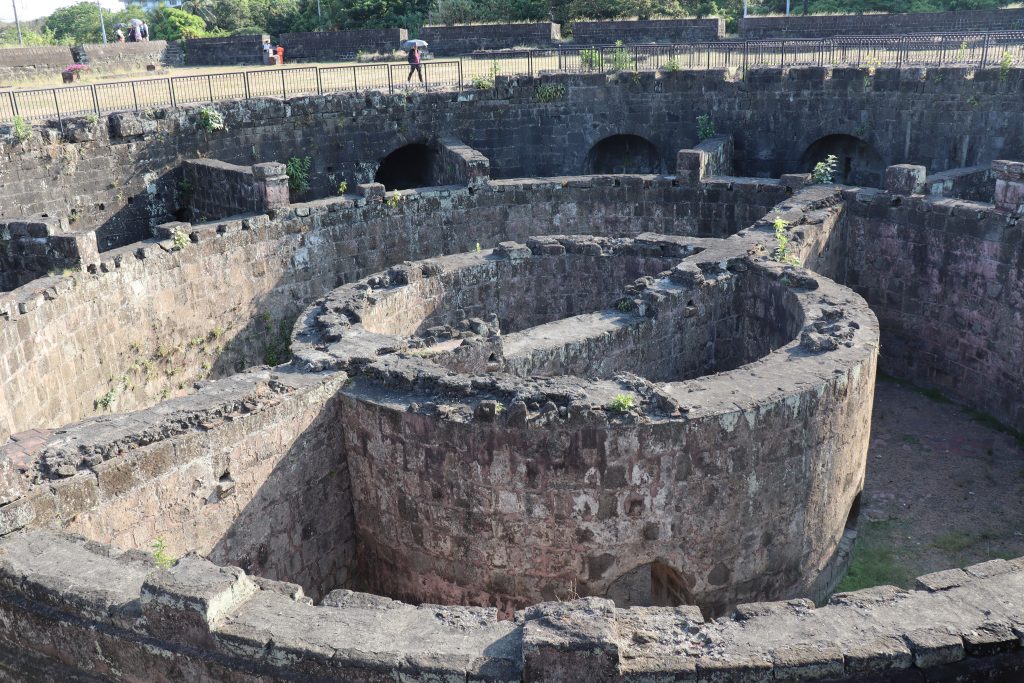
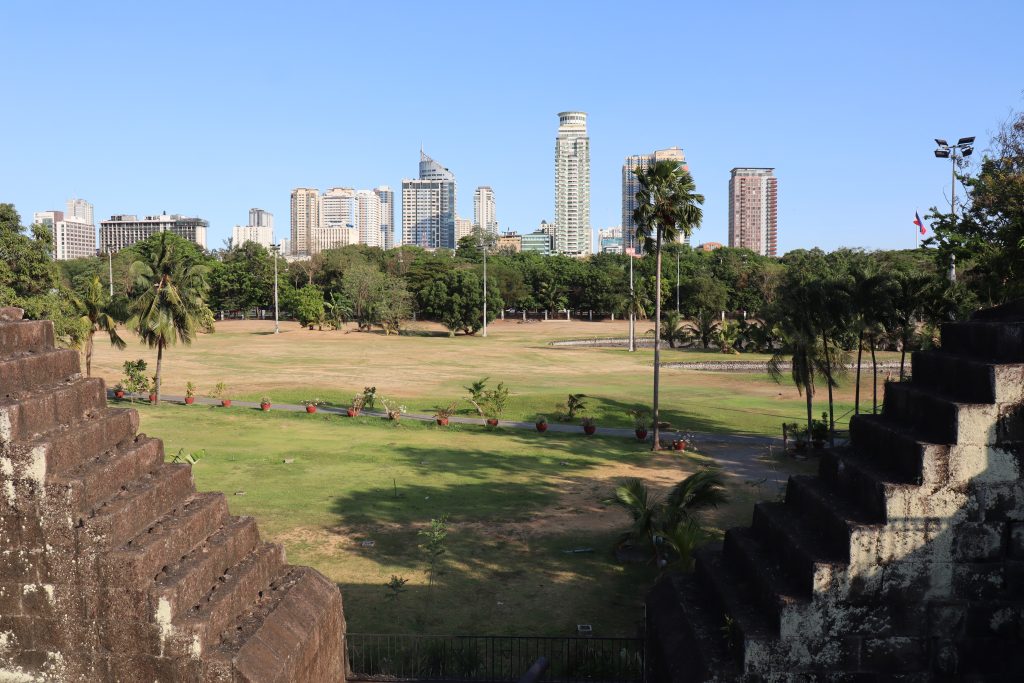
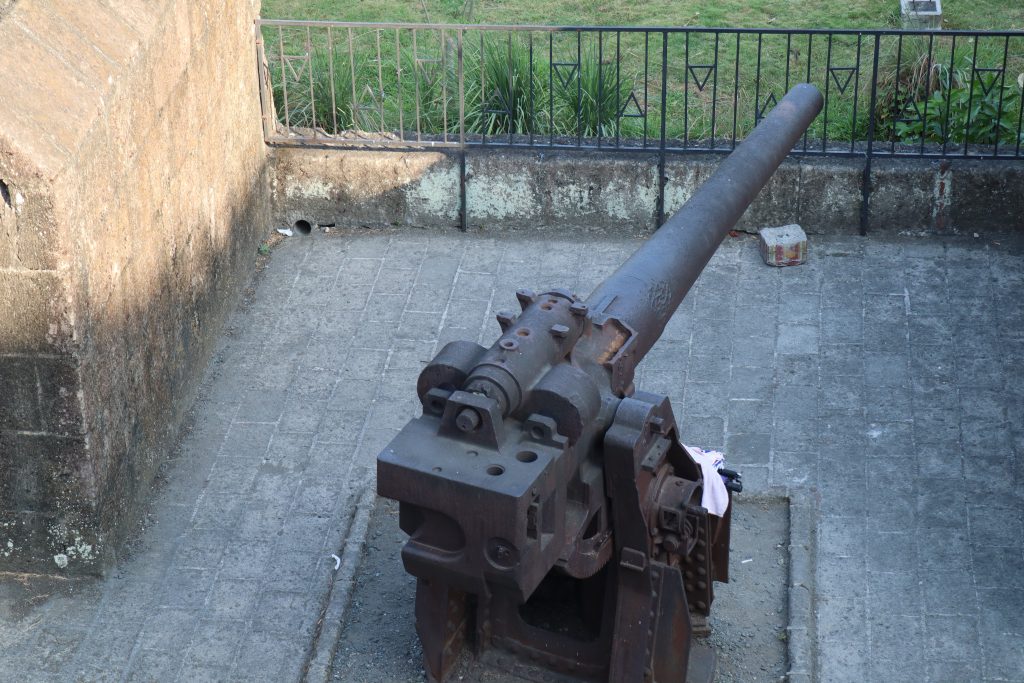
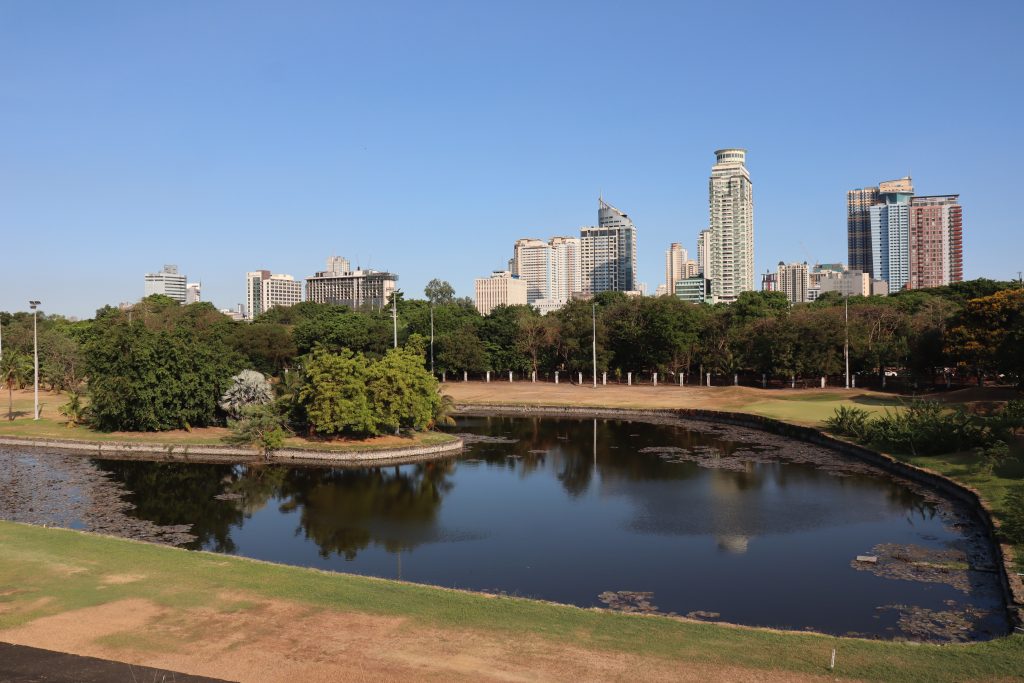
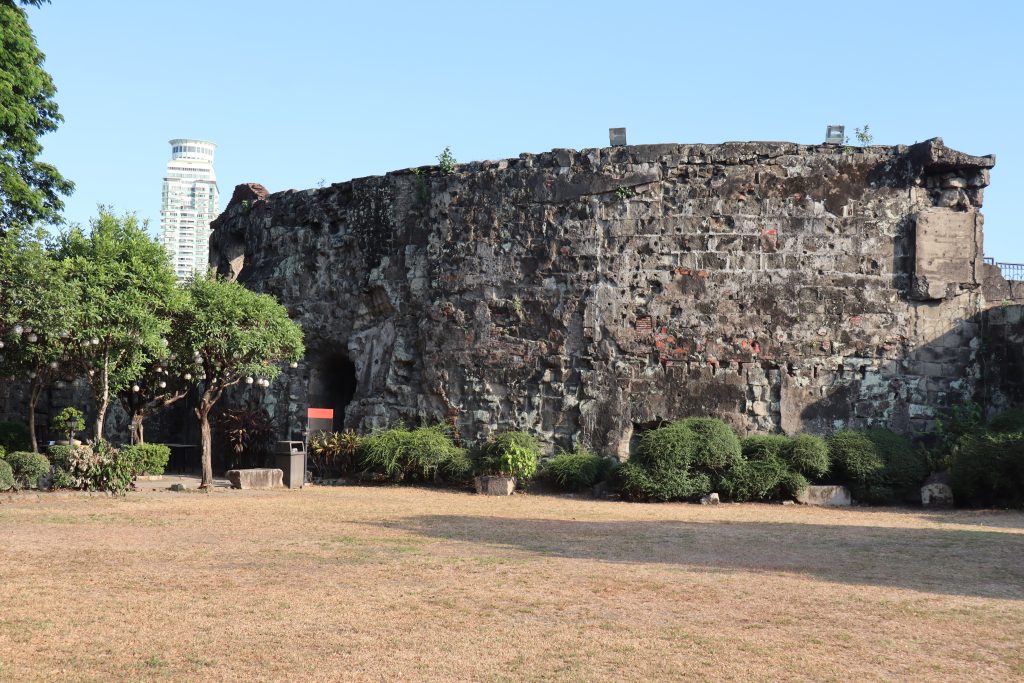
Intramuros was built during the Spanish colonial period and is deemed to be the cultural centre of the country. It is the walled old city of Manila, home to many cultural landmarks and government agencies. Although it is not always necessary to book tours when visiting different places, since you can often explore them on your own, this time it is highly recommended. The Baluarte de San Diego itself is a bastion in Intramuros that was built to protect the city against invaders. This stone fortification attracts many visitors, but it was not crowded when I visited it. I really enjoyed my visit to the site, as it gave me the chance to escape from the noise of the hectic city.
2) Fort Santiago
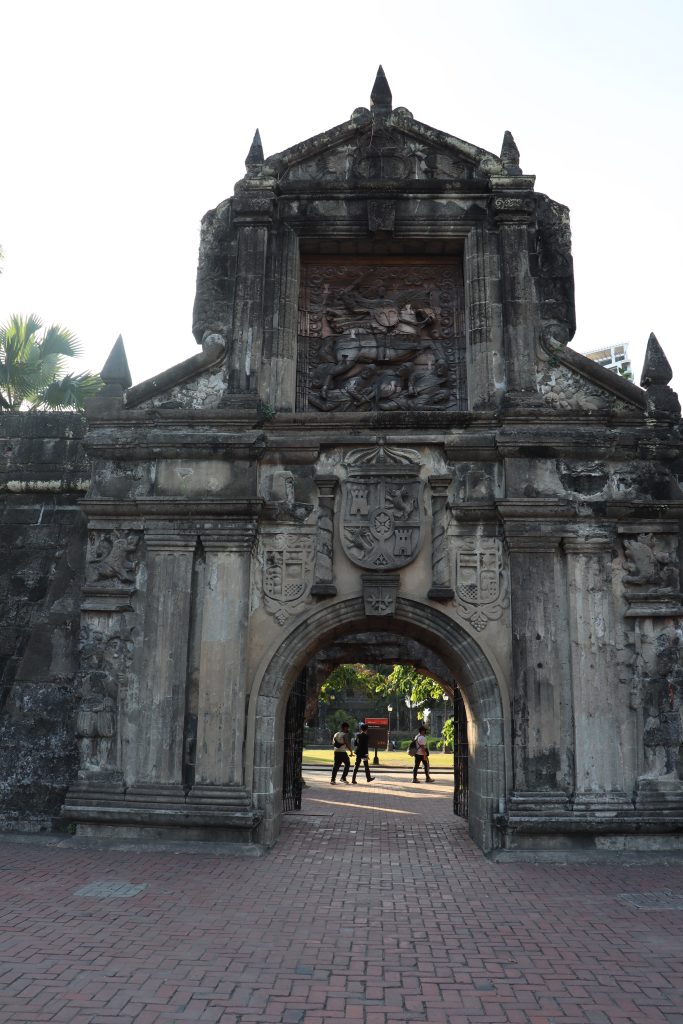
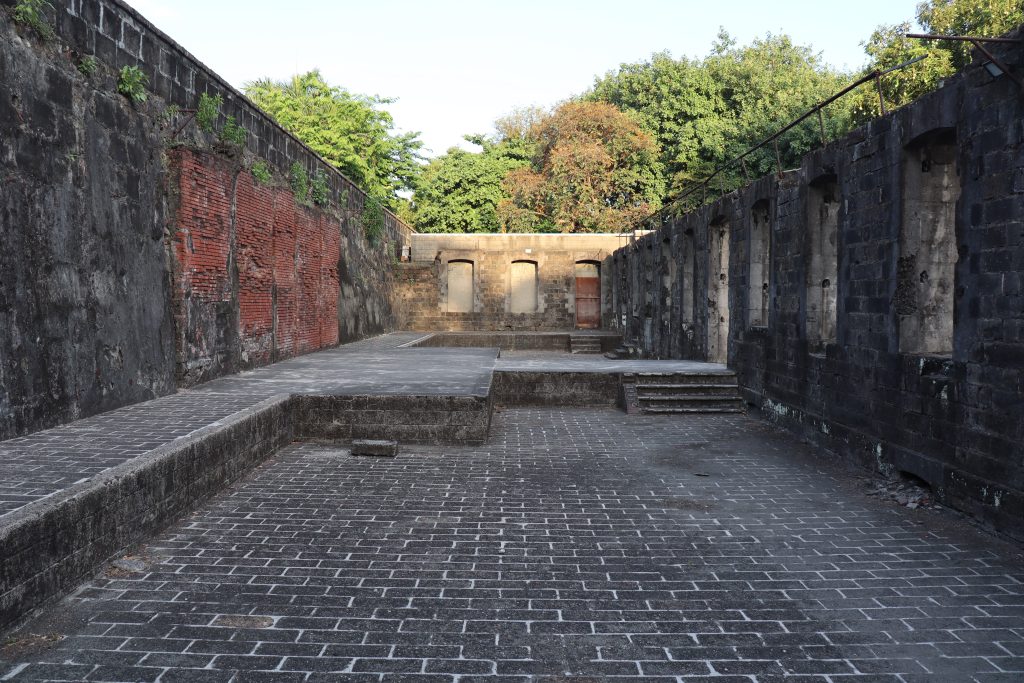
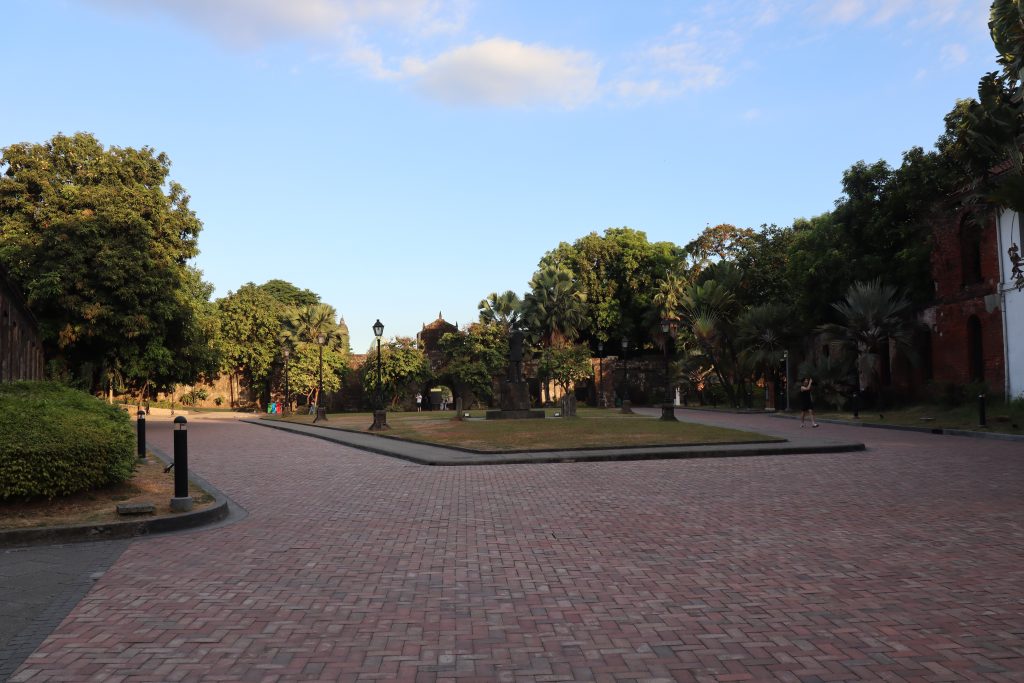
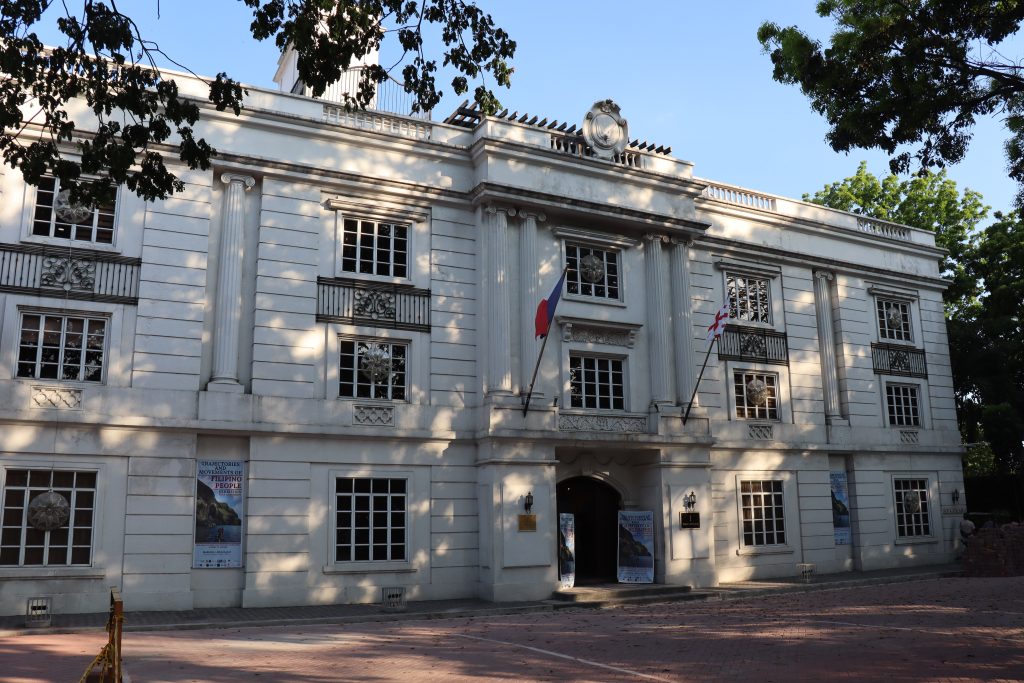
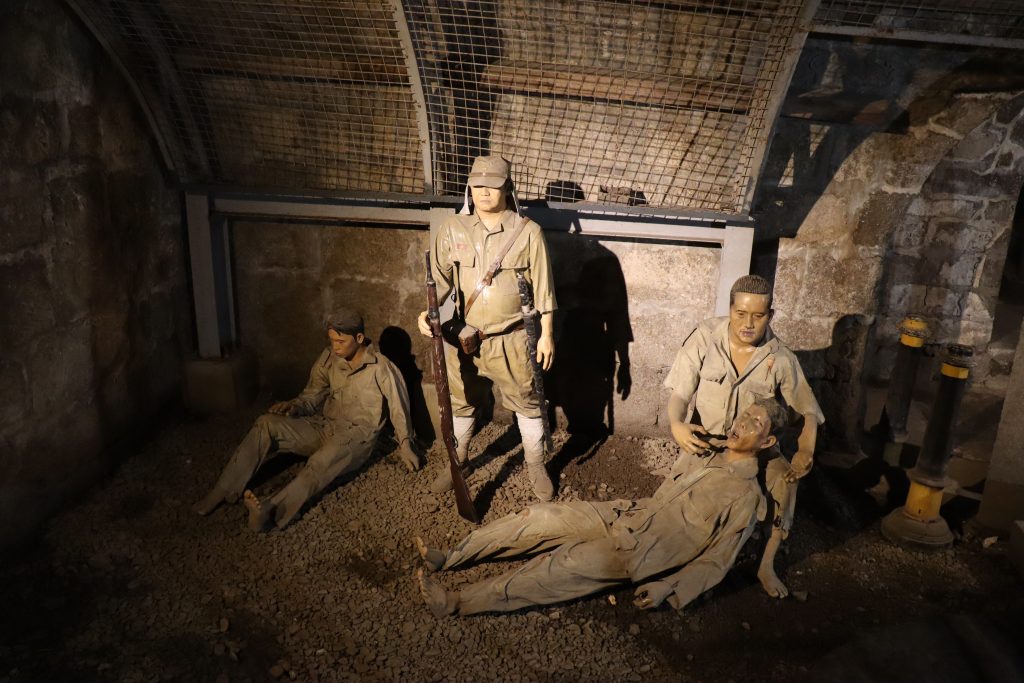
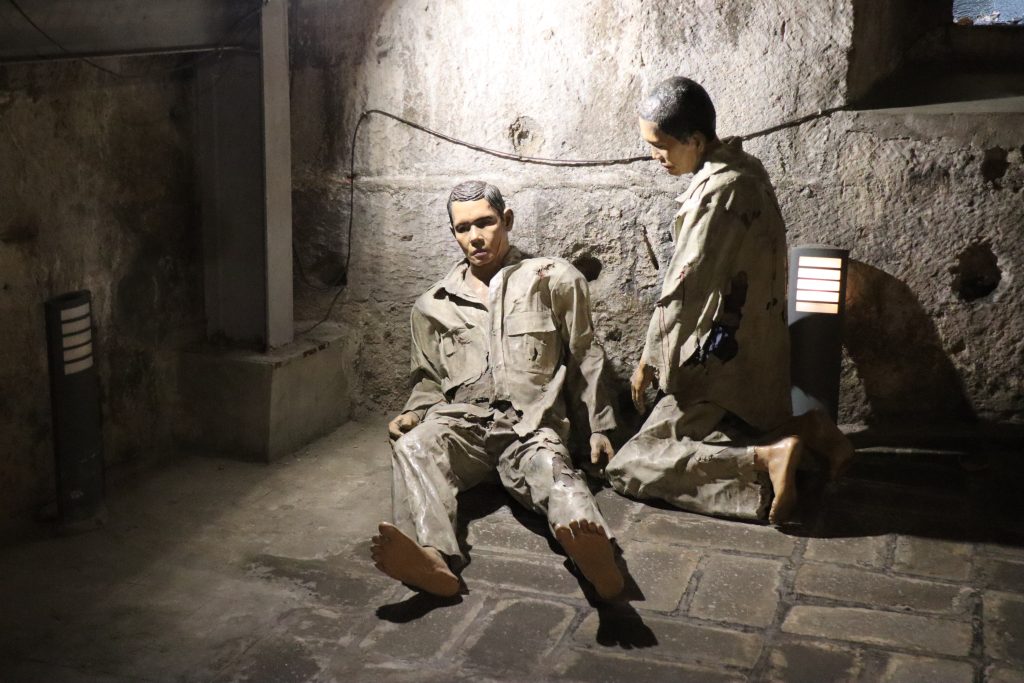
Fort Santiago is located in Intramuros, the historic area of Manila. The fortress has an impressive history and has witnessed battles during different eras, from the Spanish colonization to World War II. There are also dungeons and a small museum dedicated to José Rizal, the Philippine national hero. If you enjoy history and open spaces, don’t miss the opportunity to spend some relaxing time here.
3) San Agustin Church
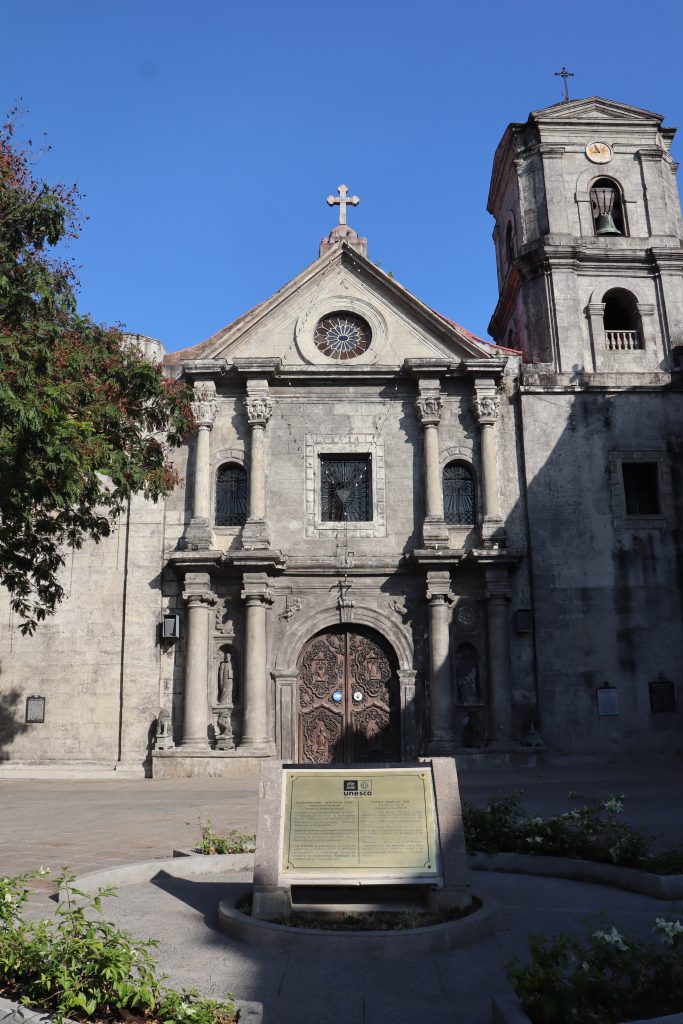
San Agustin Church is the oldest stone church not only in Manila but in the entire country. It is also located in Intramuros, the walled old city of Manila, not far from Fort Santiago. This charming edifice was built in 1587 by the Augustinians and is considered an important and popular landmark of the huge metropolis.
4) Memorare-Manila 1945 Monument
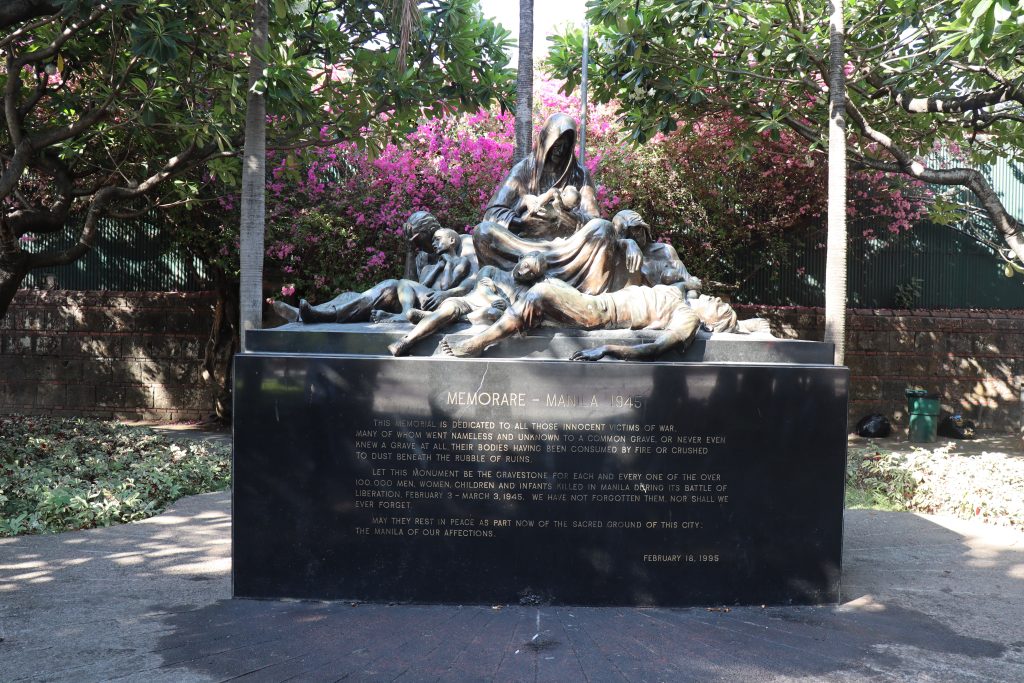
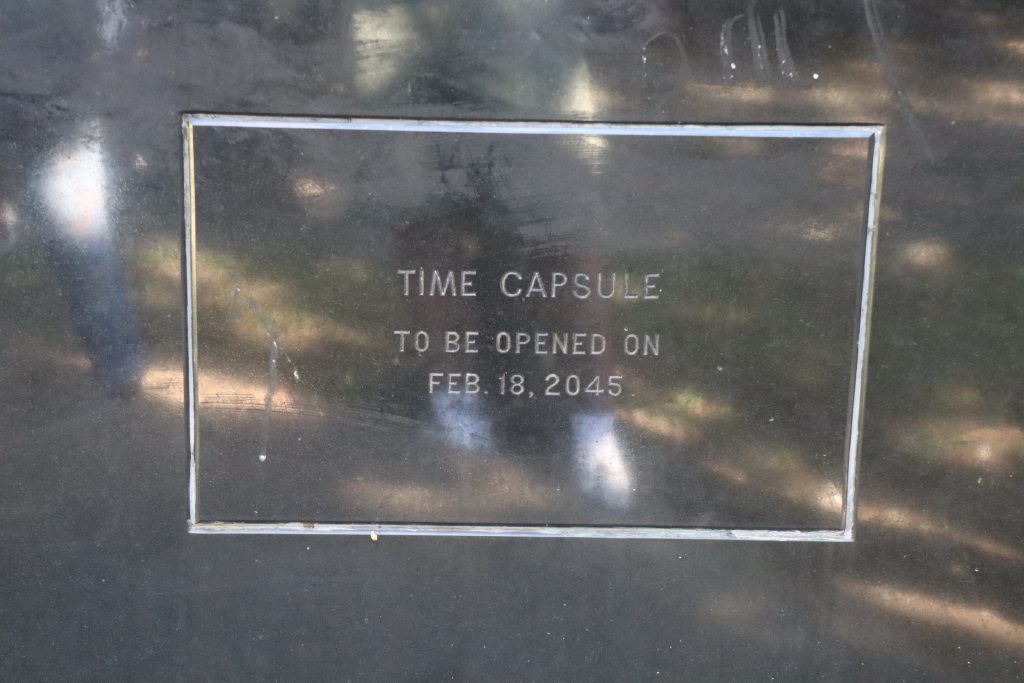
The Memorare Manila 1945 Monument commemorates the 100,000 civilians slaughtered by the Imperial Japanese Army during World War II. These atrocities took place during the battle for the liberation of Manila, when Filipino and American troops fought against the Japanese forces. The monument is also located in Intramuros and depicts the despair that war always causes. Read the inscription on the front side of the monument, but do not forget the one on the back.
5) Casa Manila
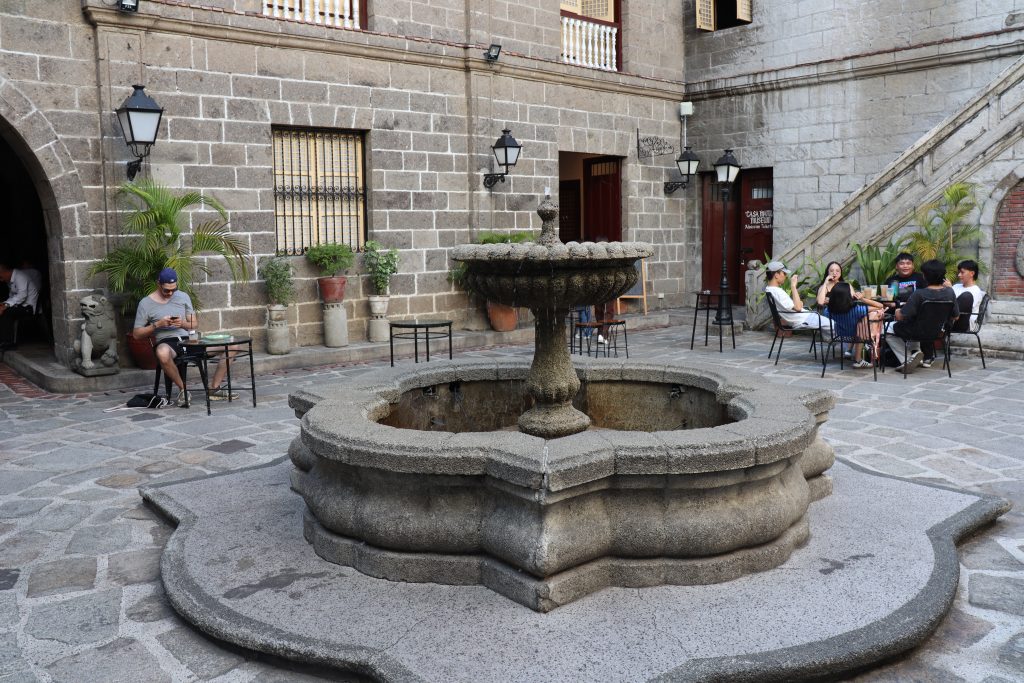
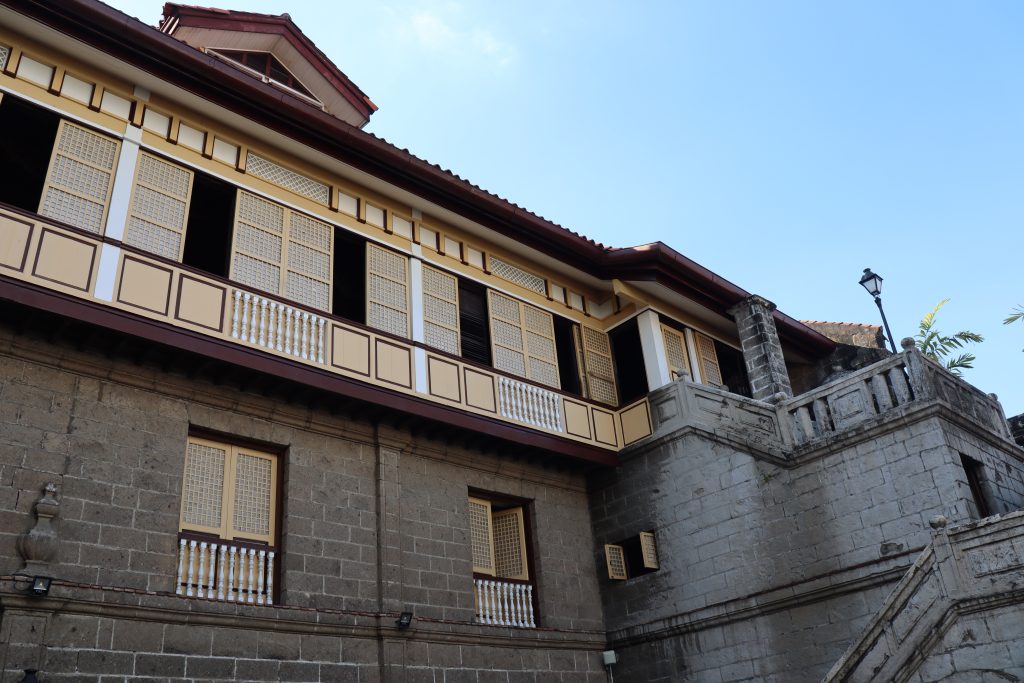
Casa Manila, located in Intramuros, is a museum that shows the public how wealthy Filipino families used to live during the Spanish colonial period. It is an interesting structure, built around 1850, and attracts many visitors, locals and tourists.
6) Rizal Park
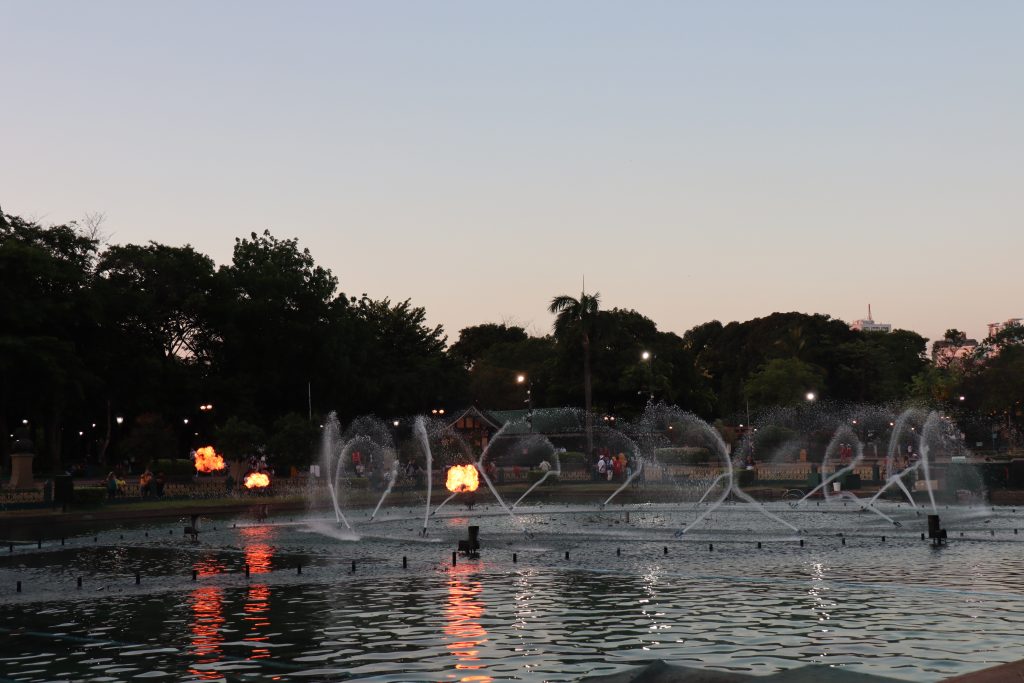
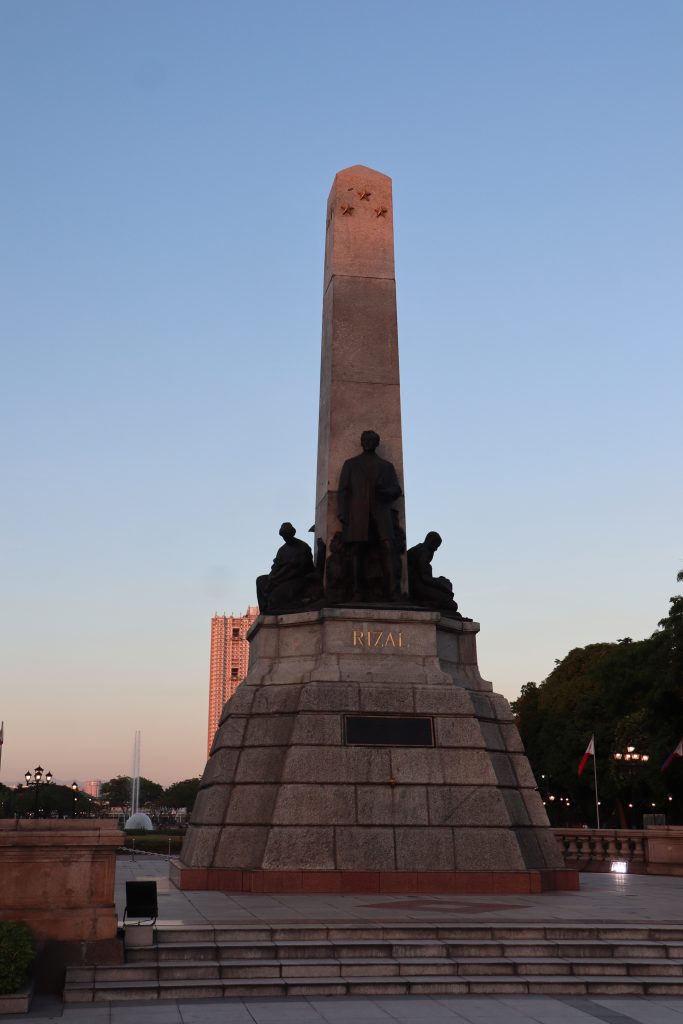
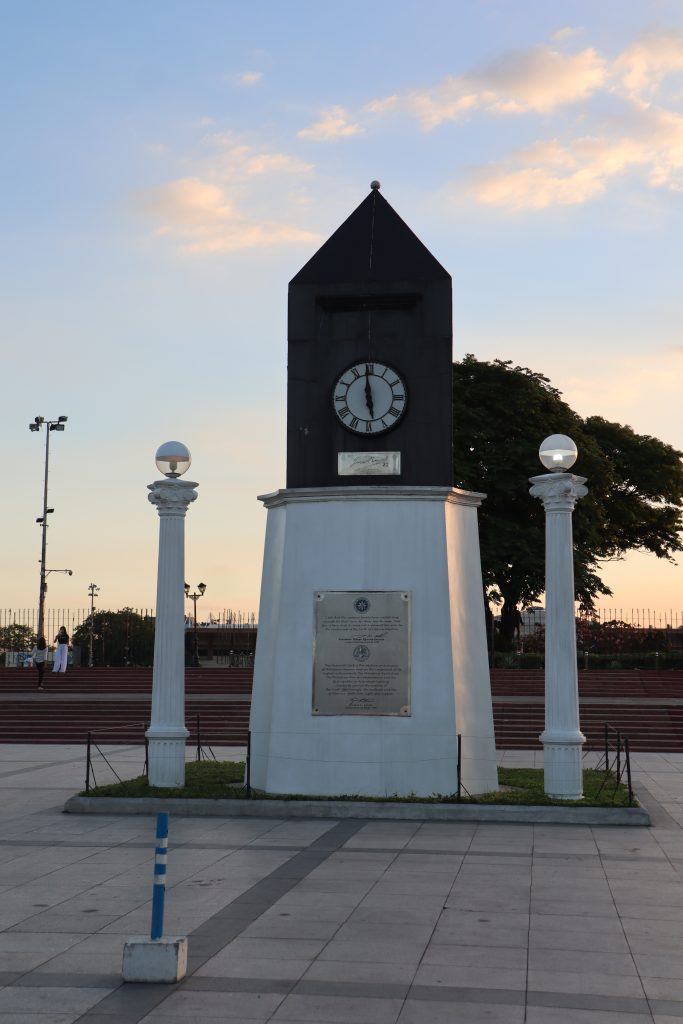
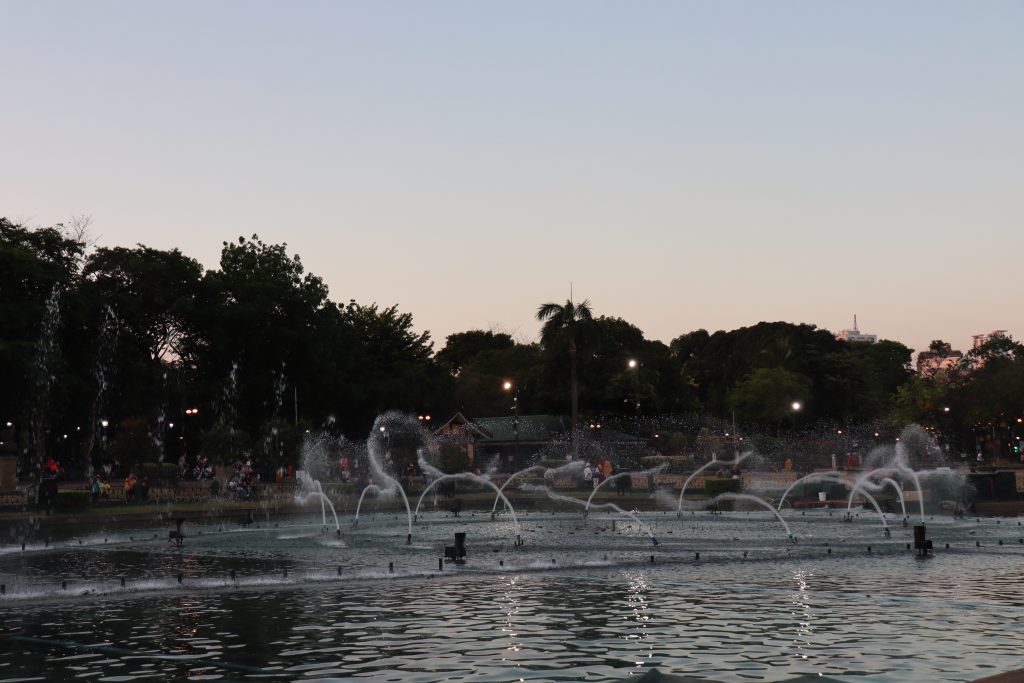
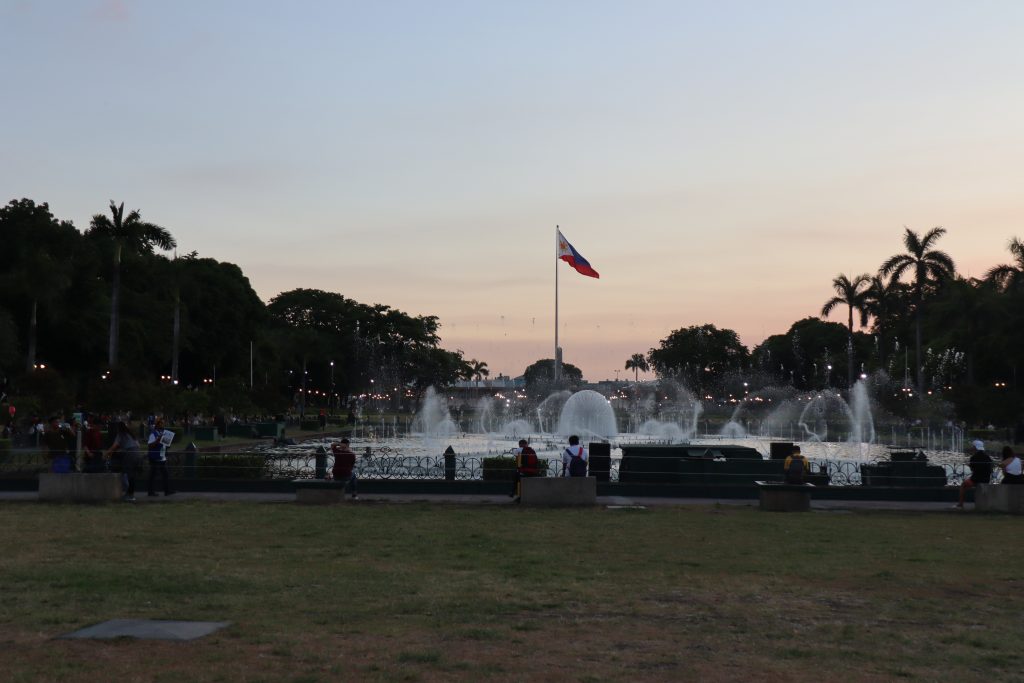
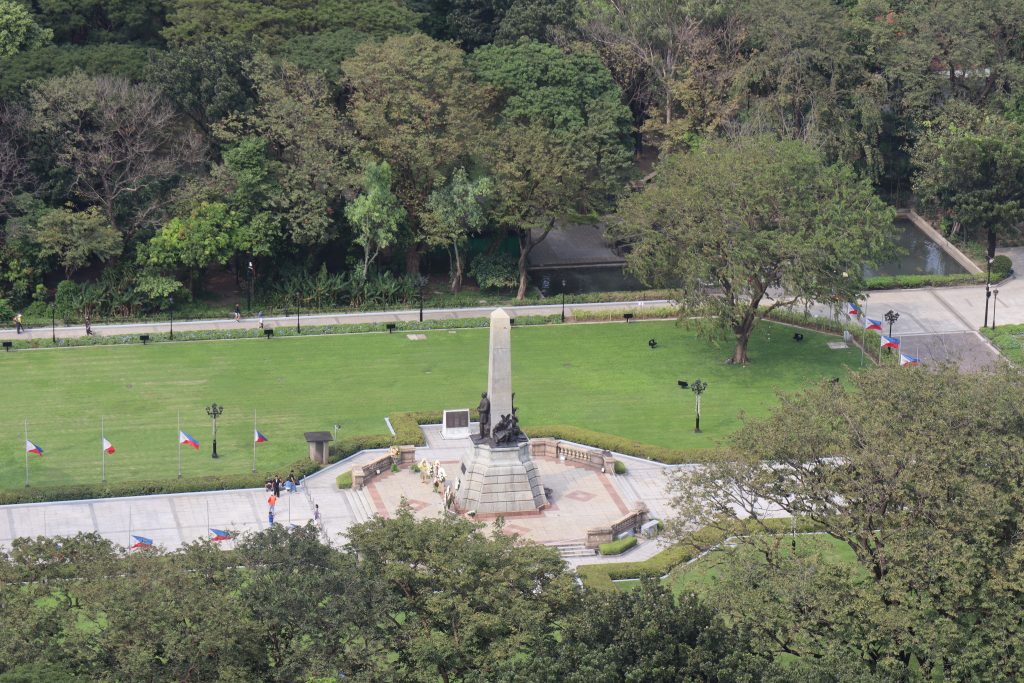
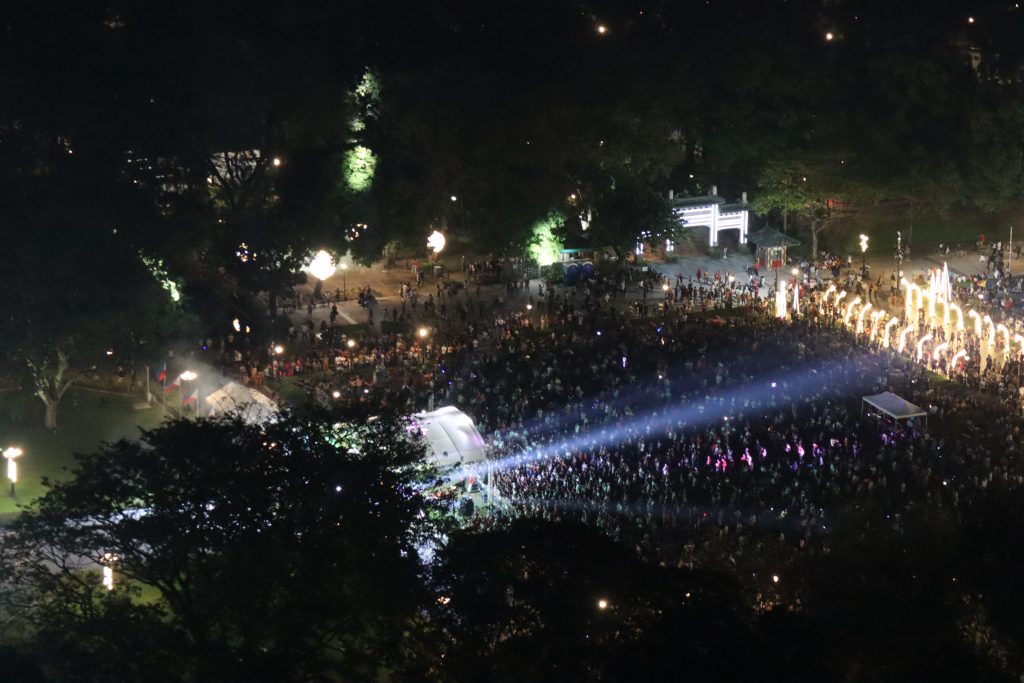
Rizal Park is a historic park in Manila, not far from Intramuros. It is named after José Rizal, the Philippine national hero who was executed there by Spanish forces in 1896. It is an interesting place with many visitors who come to relax and enjoy the “dancing fountains.”
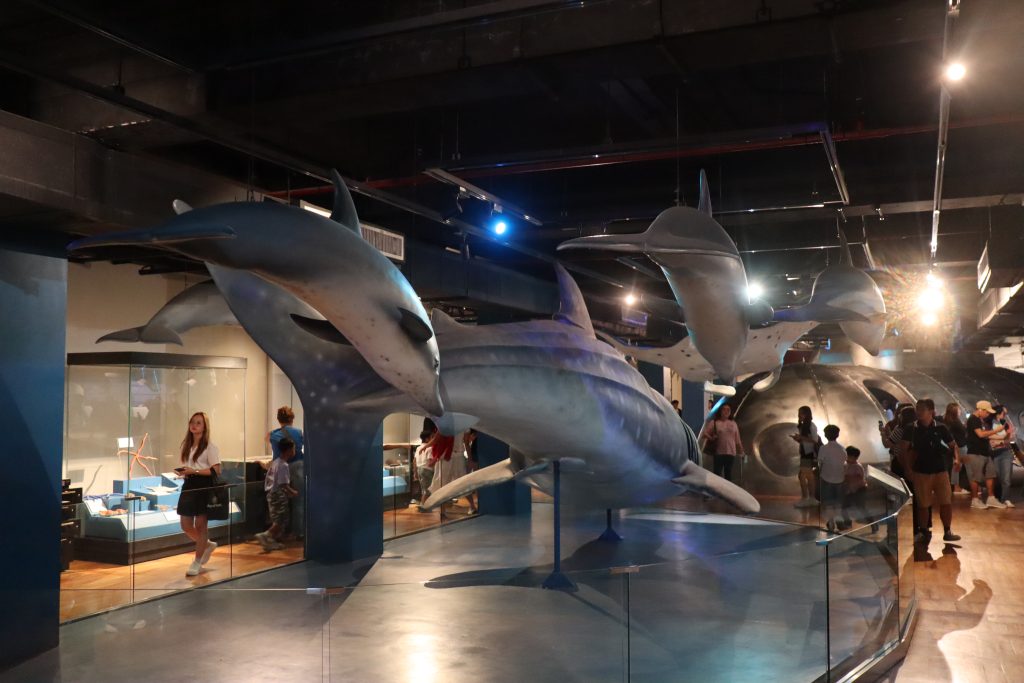
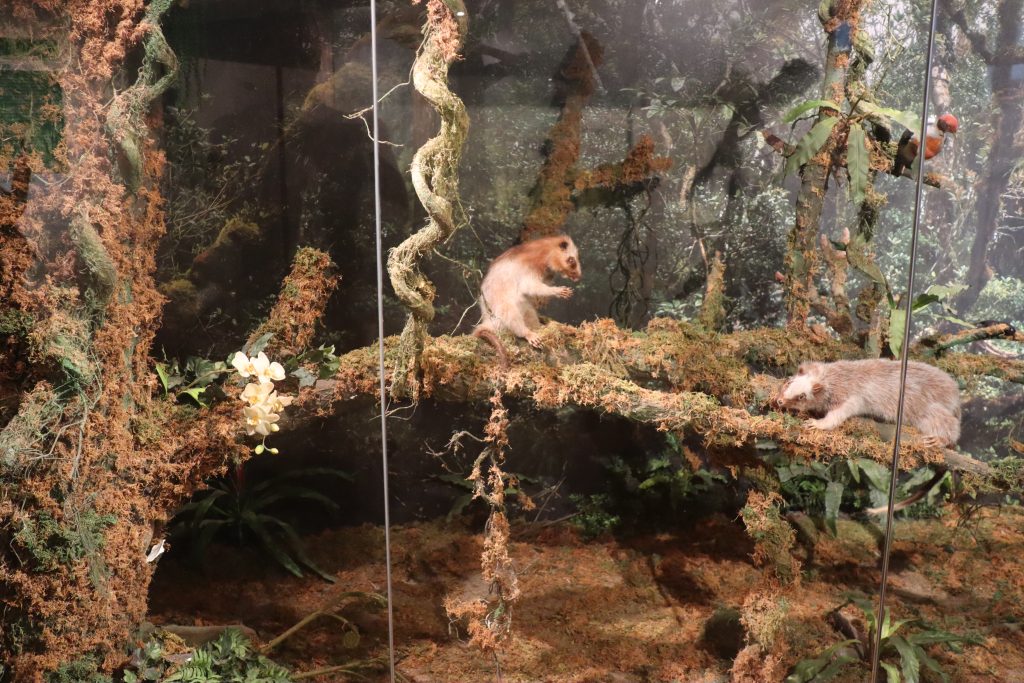
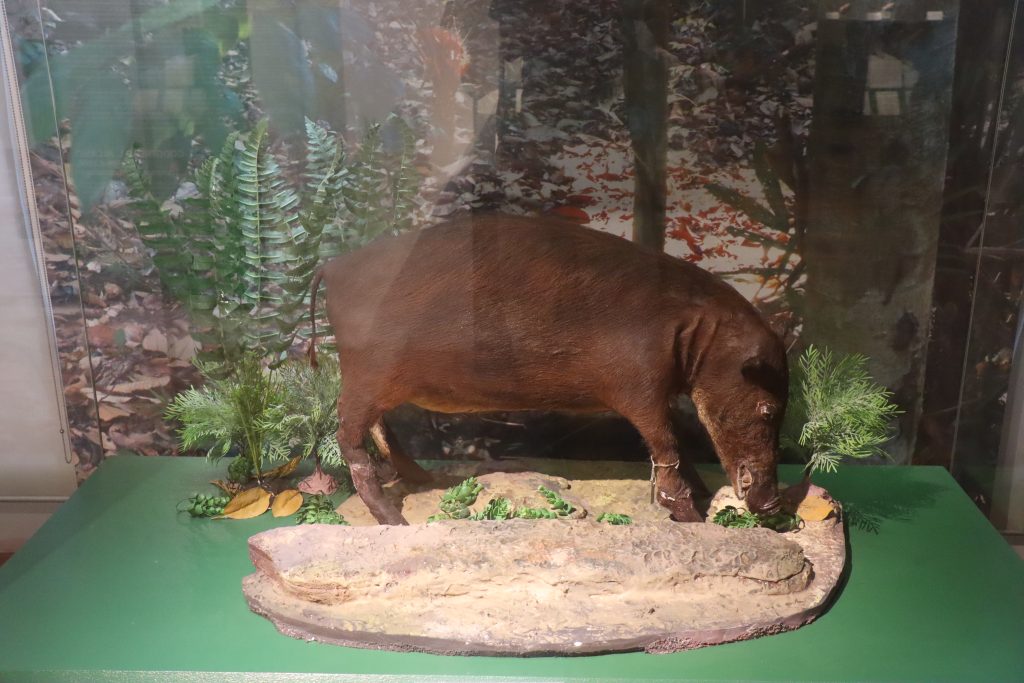
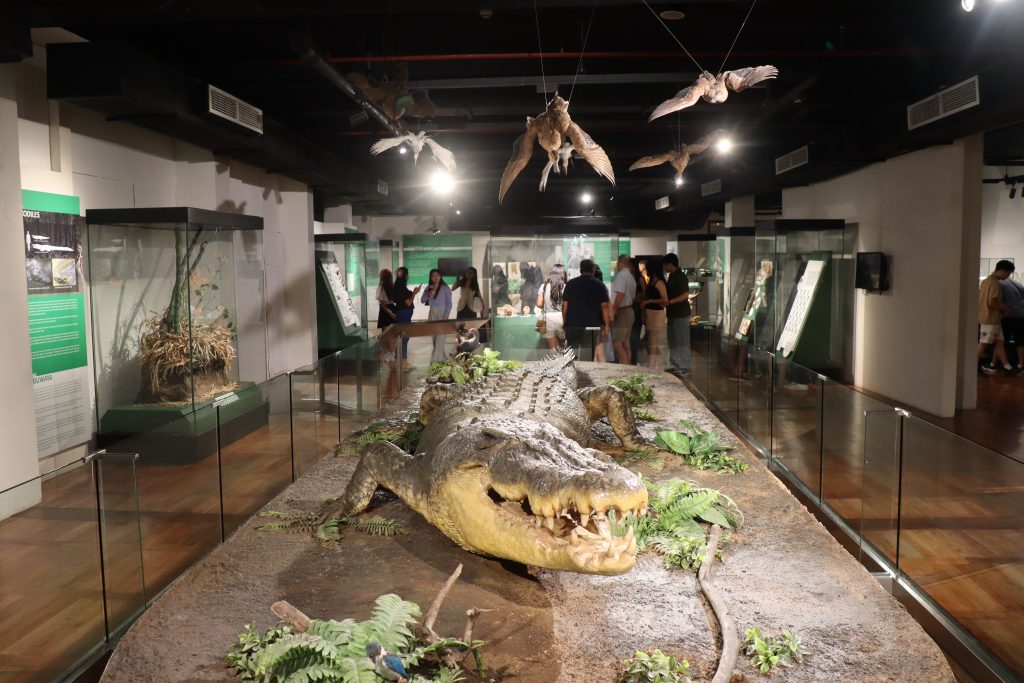
7) National Museum of Natural History
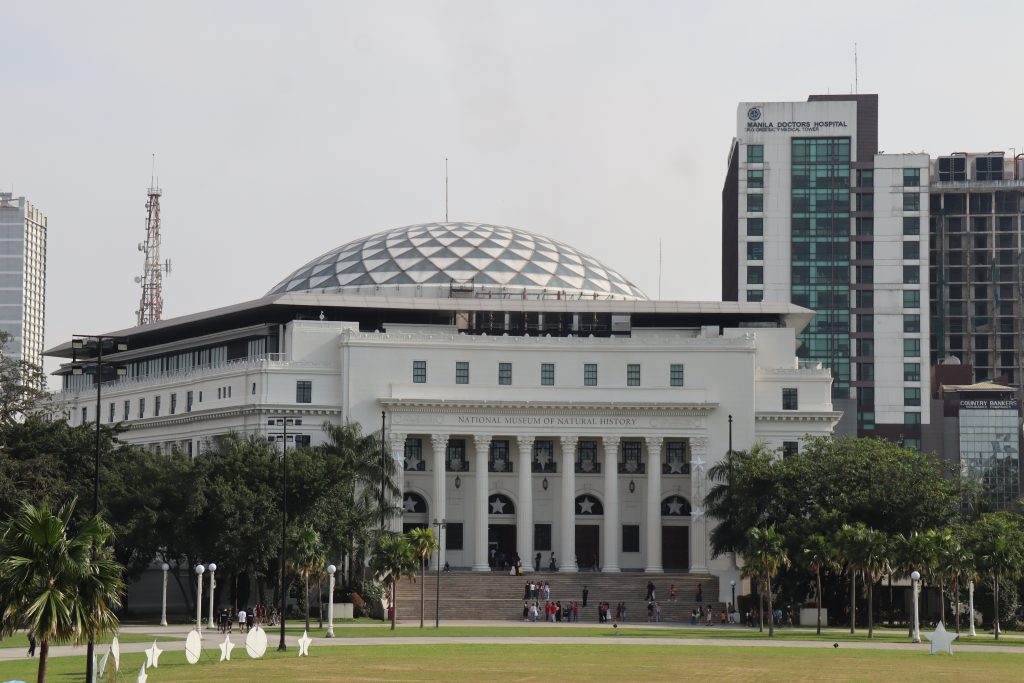
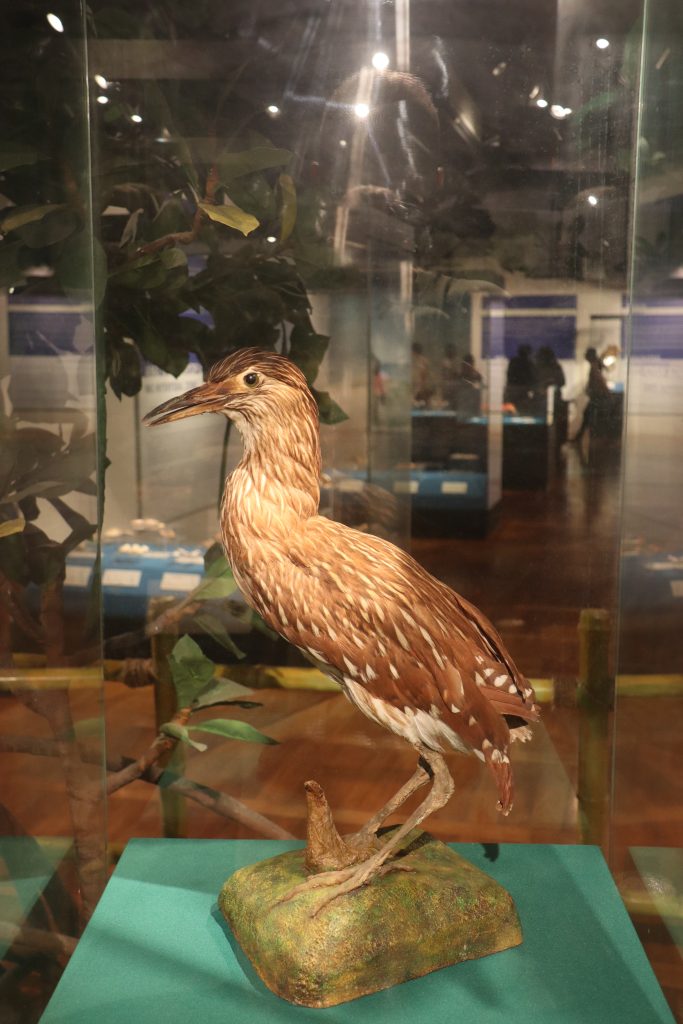
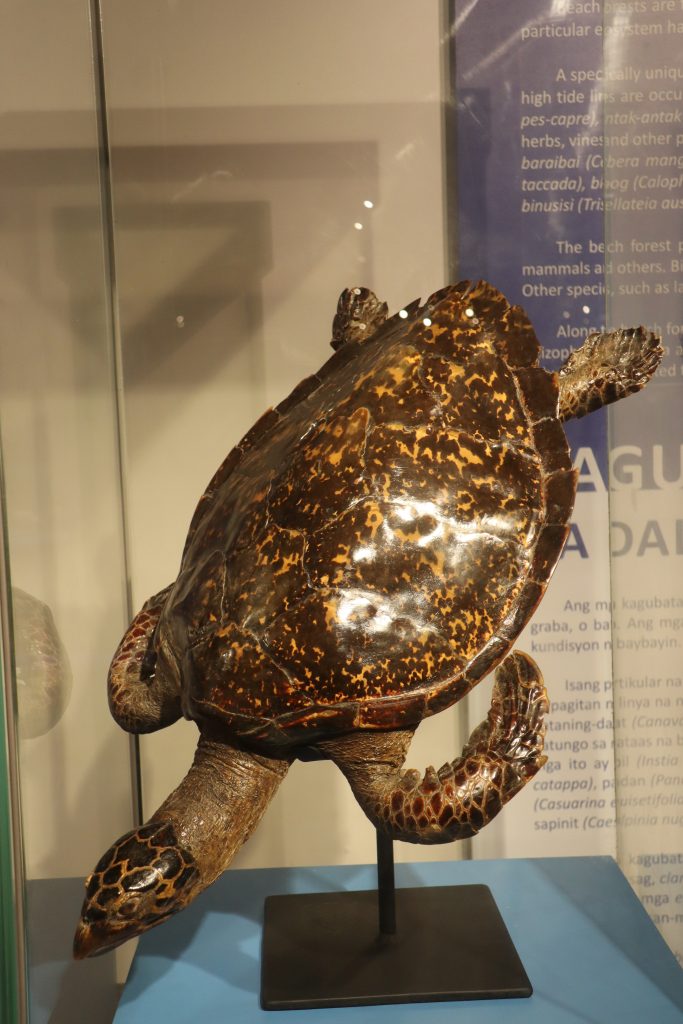
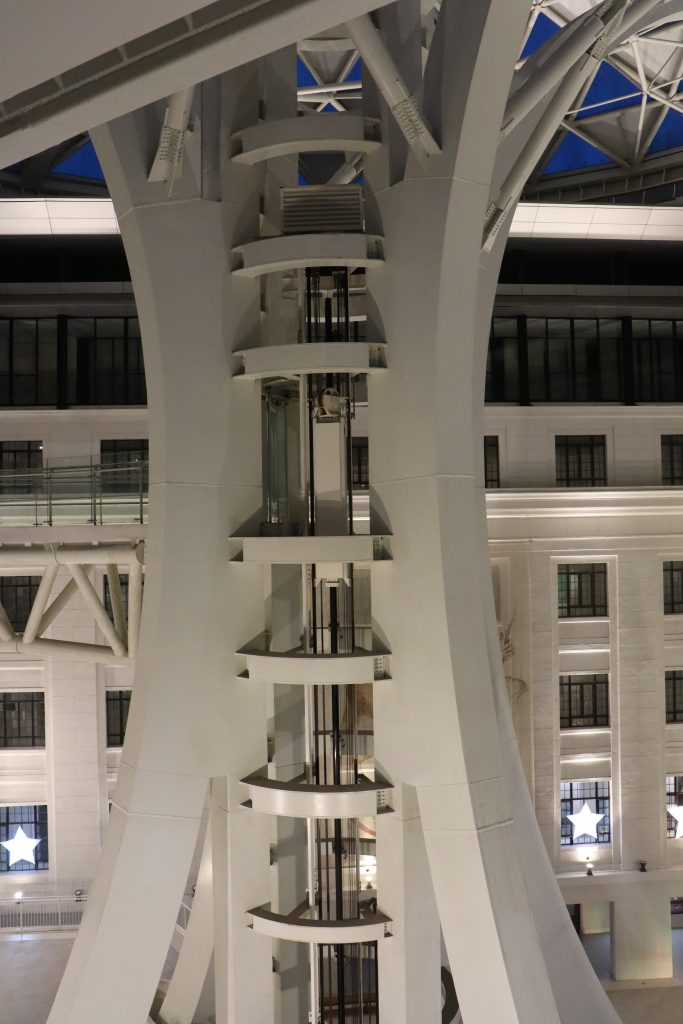
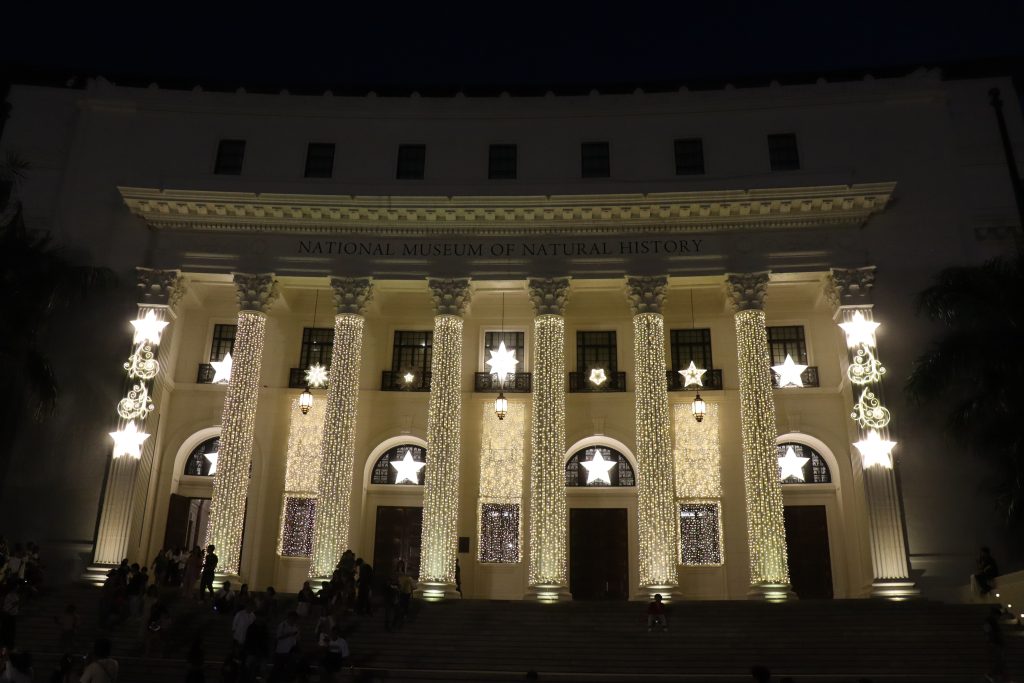
The National Museum of Natural History is housed in an impressive building set within a serene park. Fascinating artifacts that highlight the biological diversity of the Philippines can be found in the museum’s many galleries. If you visit this modern museum, you will certainly learn a great deal about the Philippines.
8) National Nuseum of Anthropology
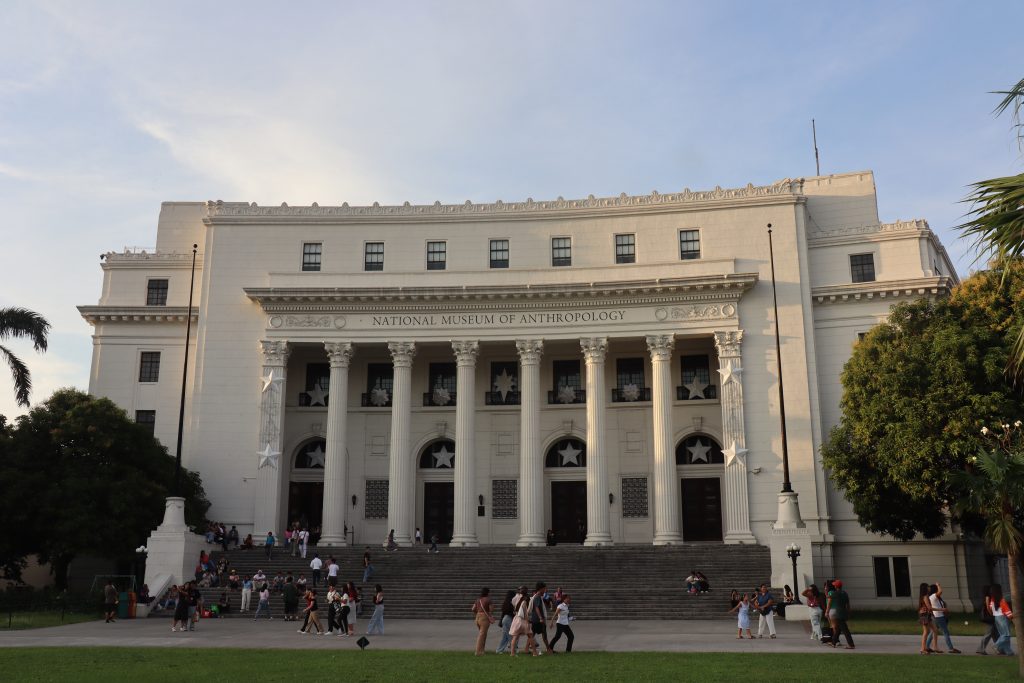
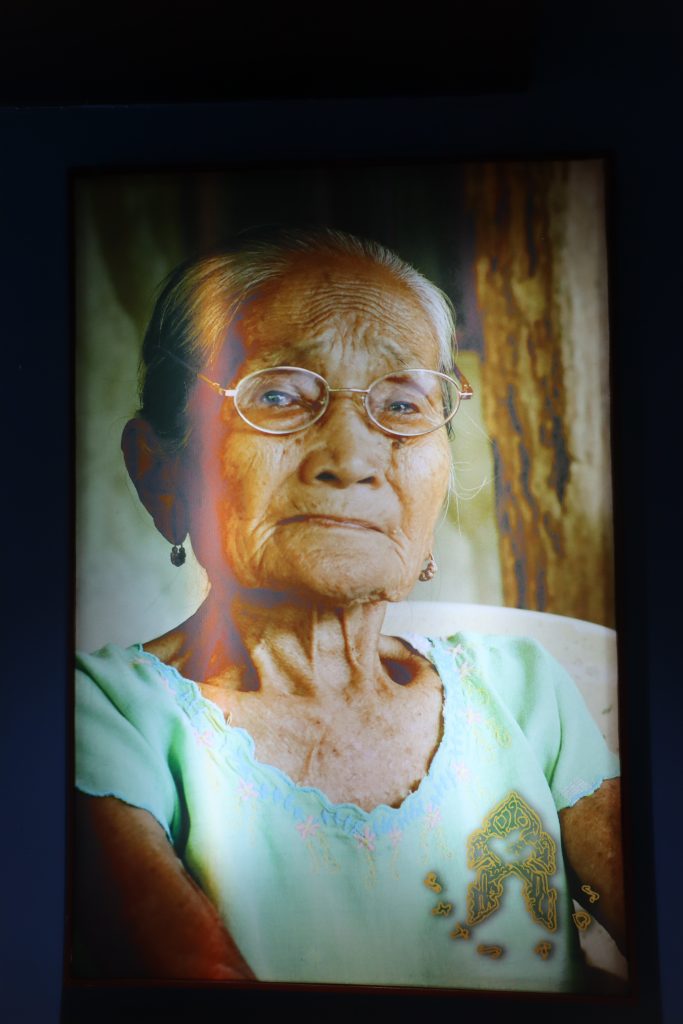
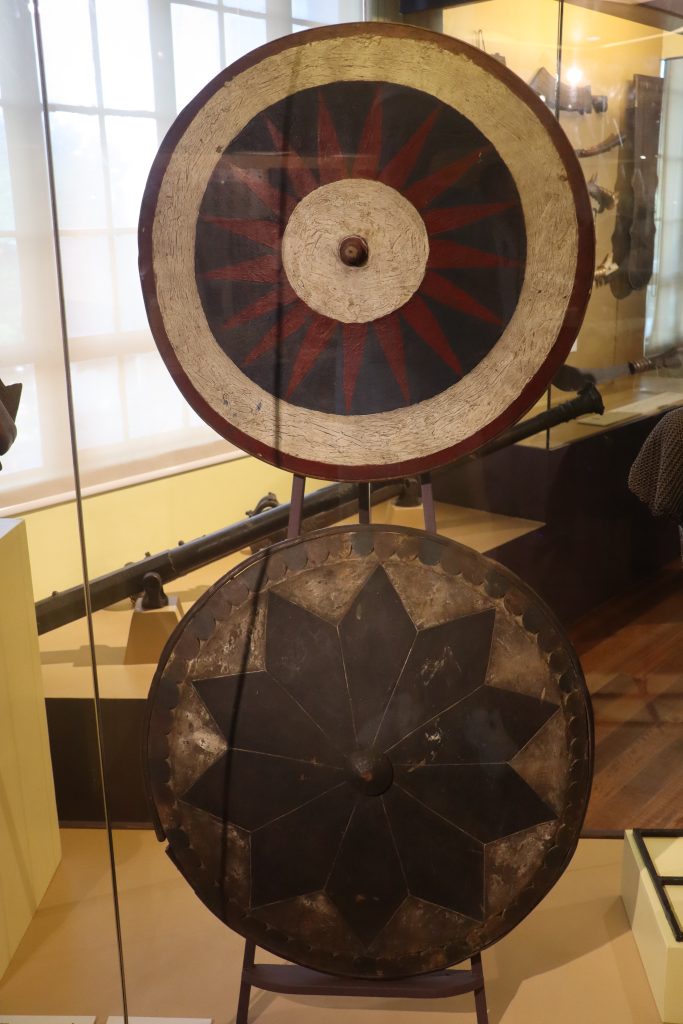
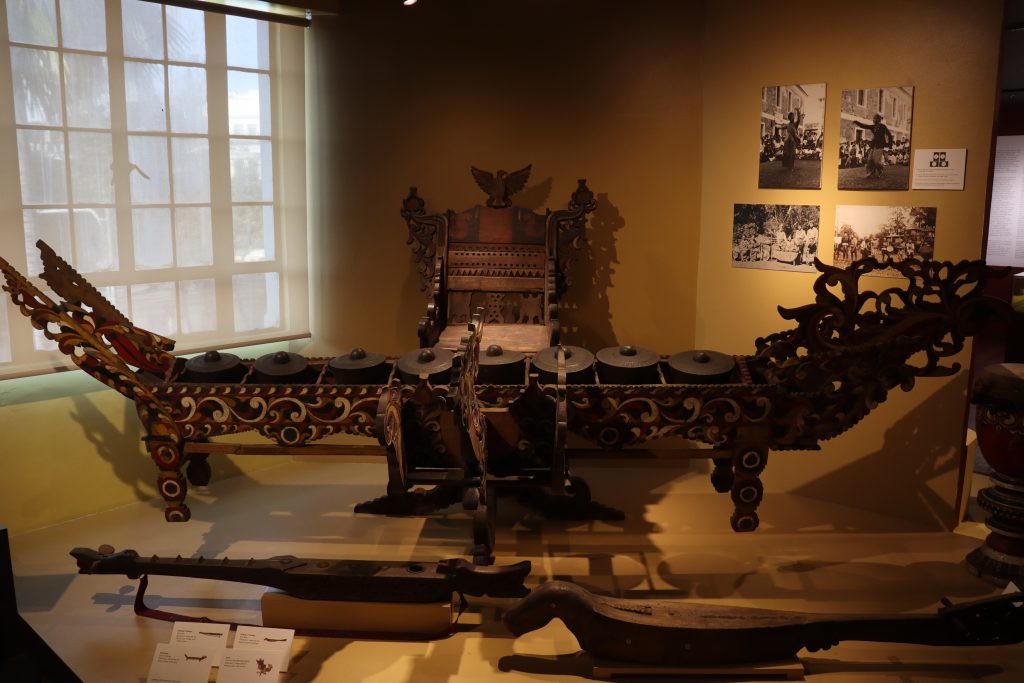
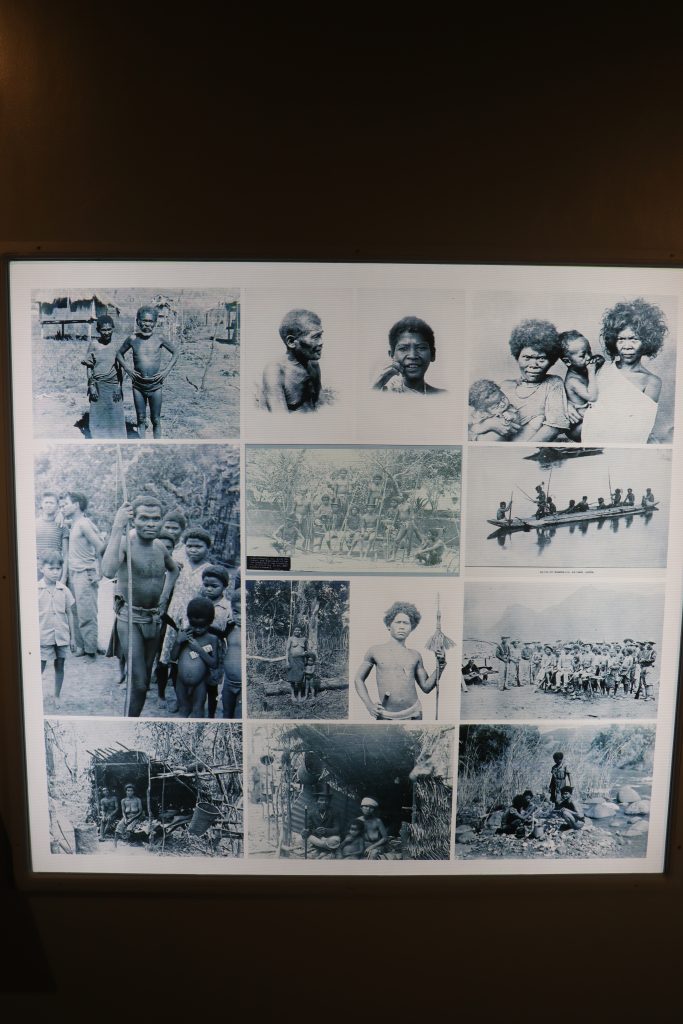
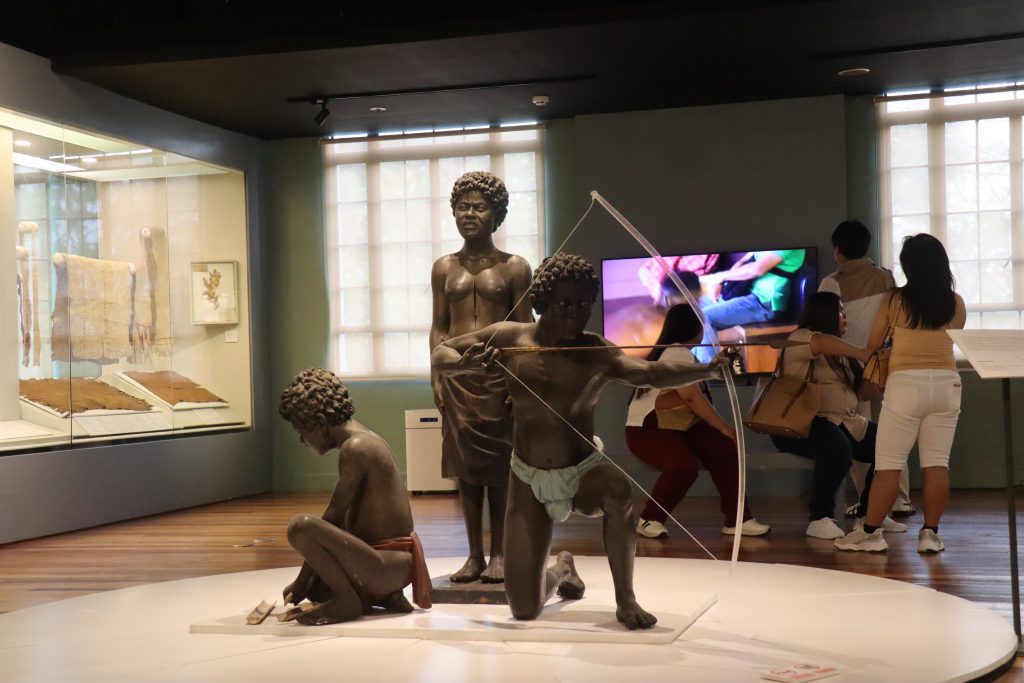
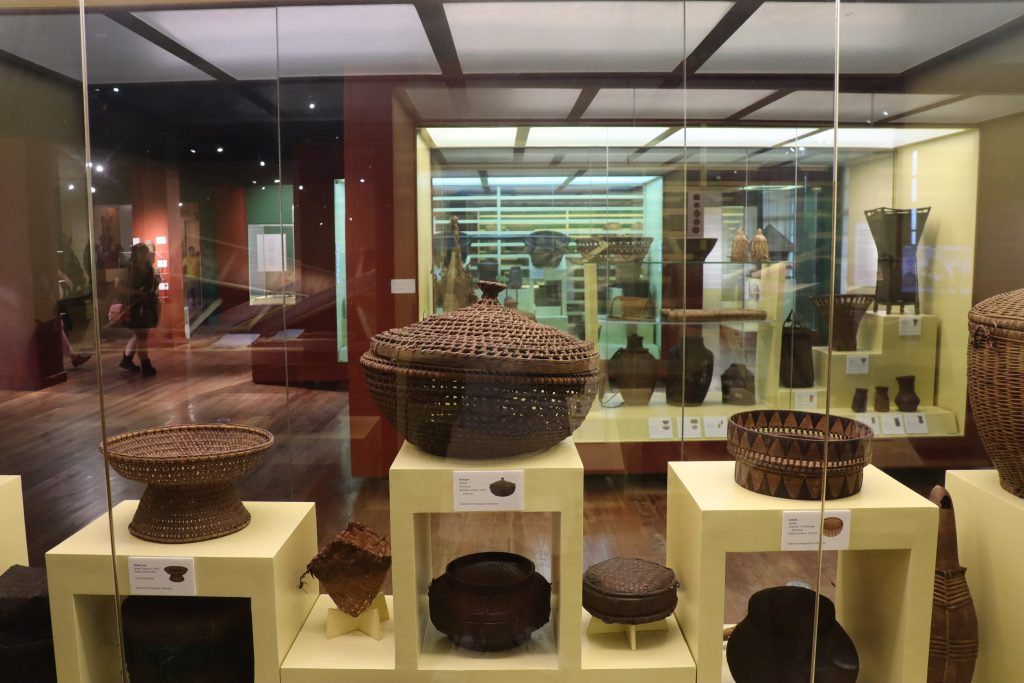
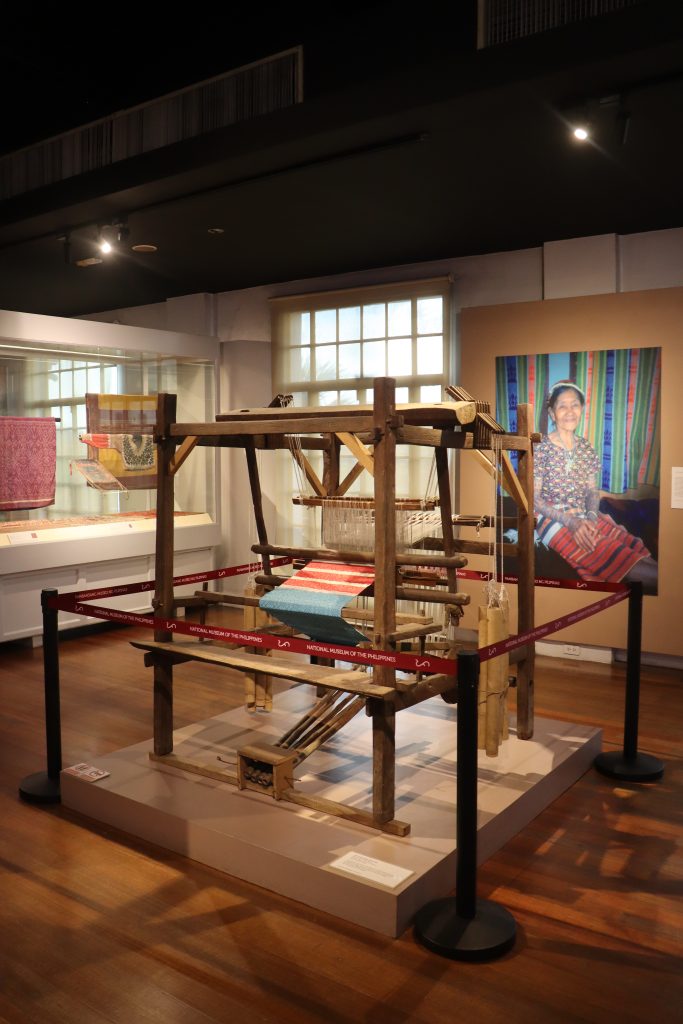
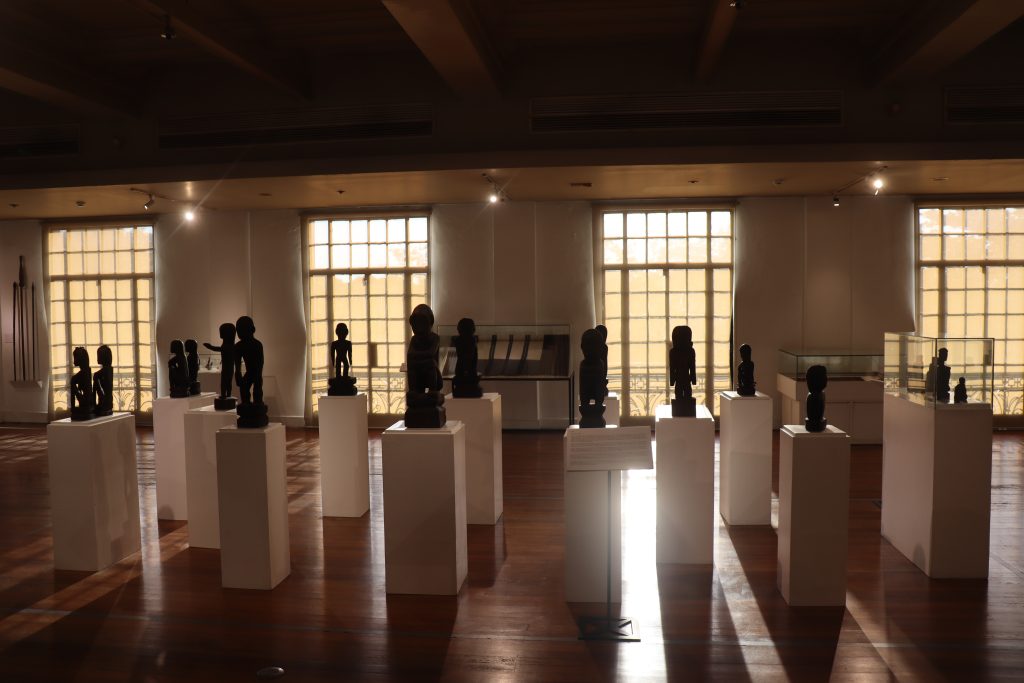
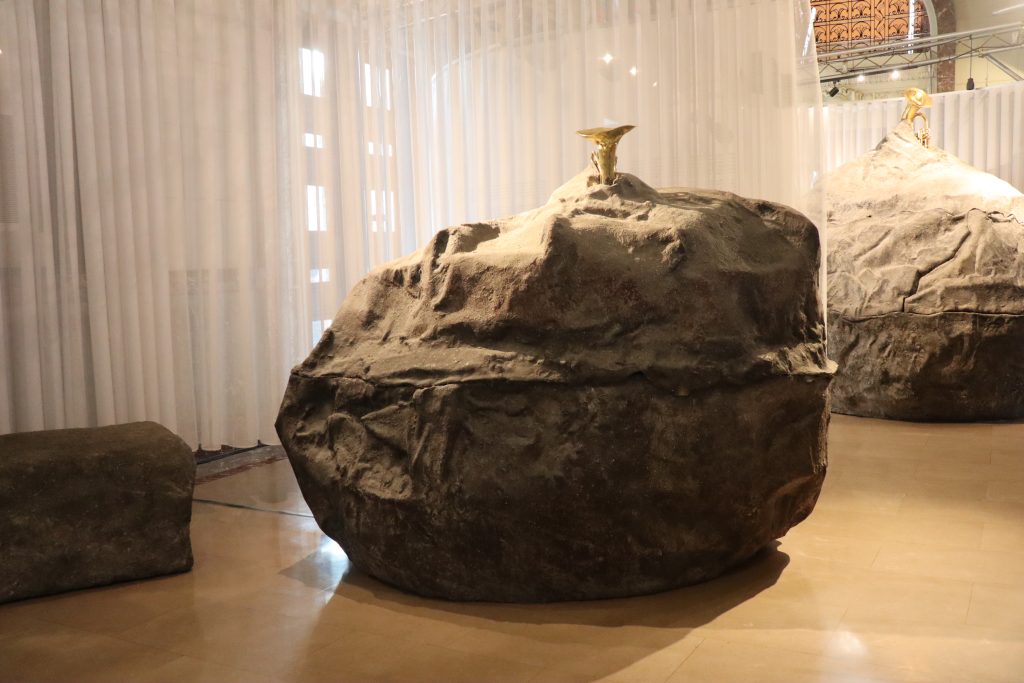
If you are interested in the different ethnic groups of the Philippines, then you will enjoy a visit to the National Museum of Anthropology. The edifice that houses the museum is similar to the one that houses the National Museum of Natural History which lies nearby. Some parts of the museum are particularly engaging, such as the section dedicated to the various Negrito groups. I found some of the artifacts displayed there very unusual and interesting.
9) National Nuseum of Fine Arts
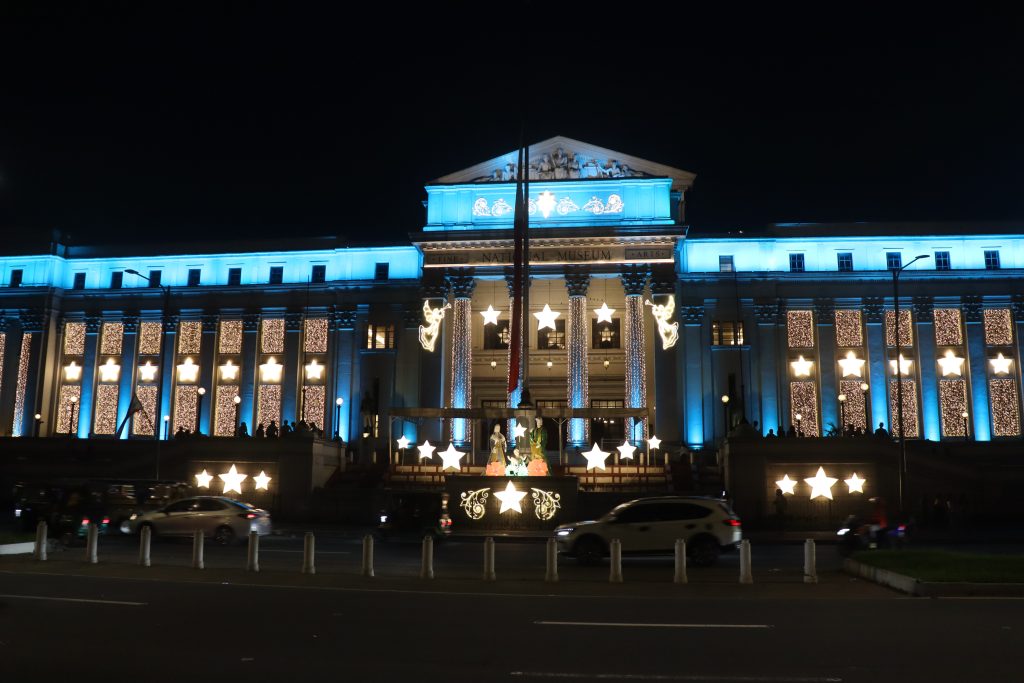
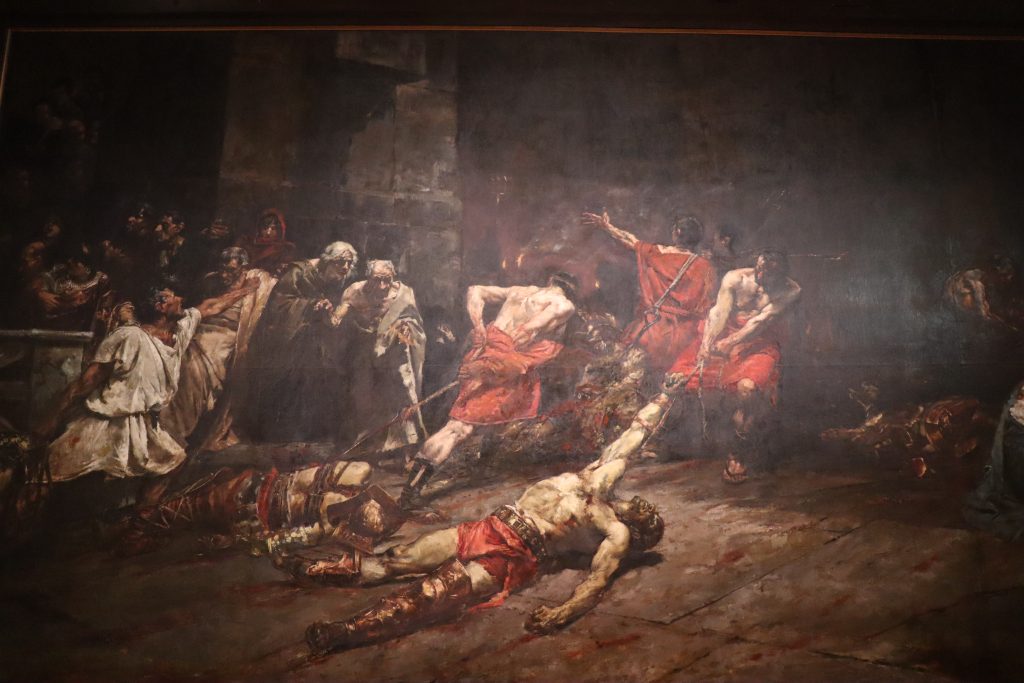
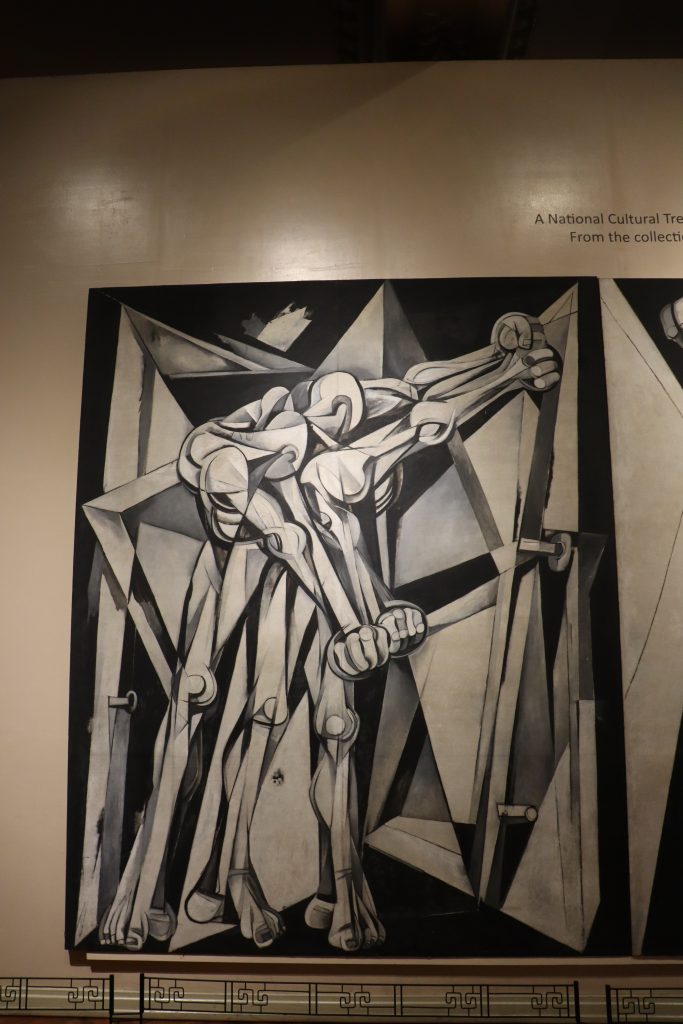
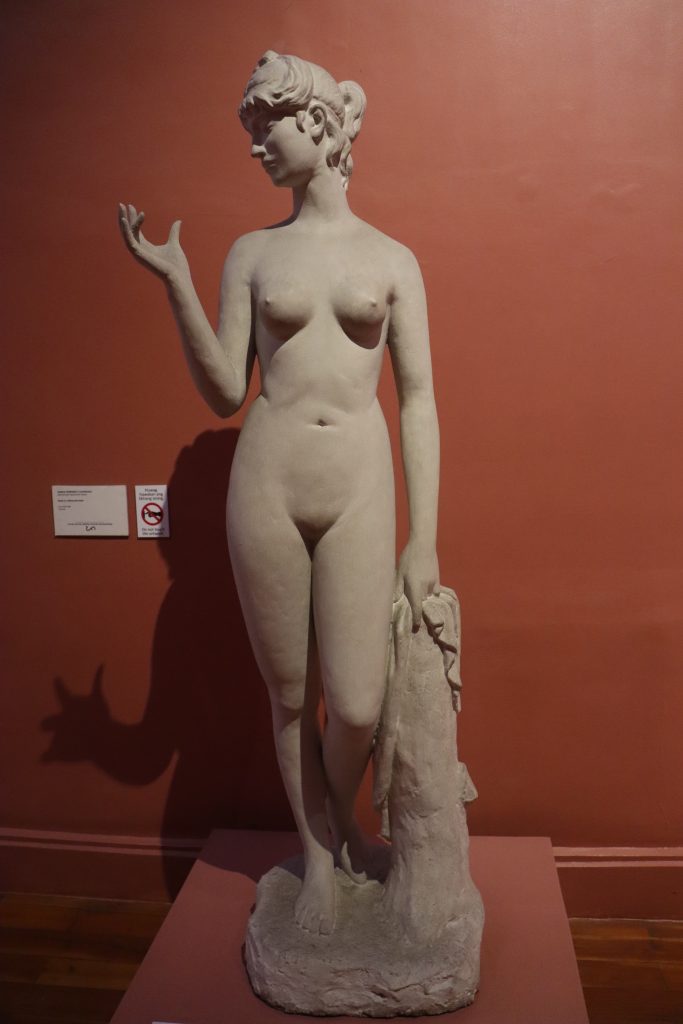
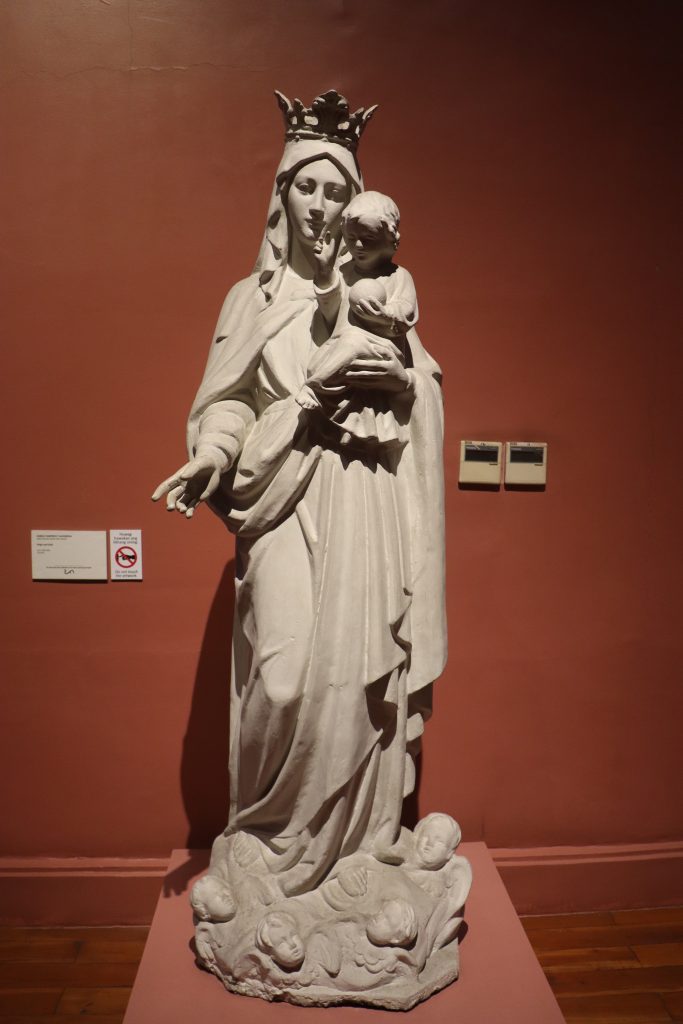
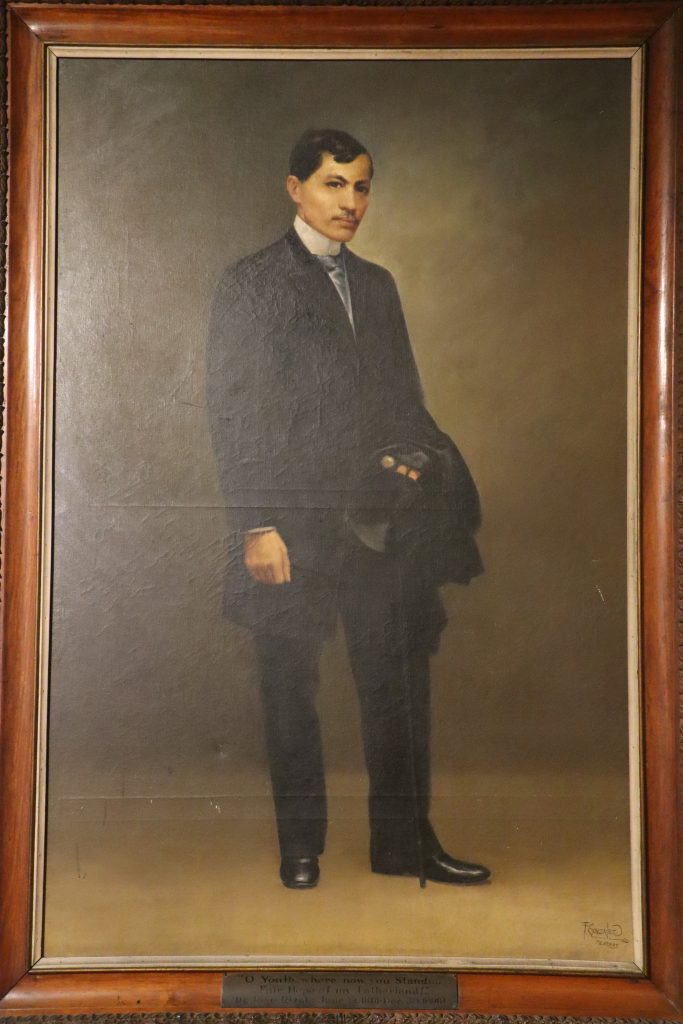
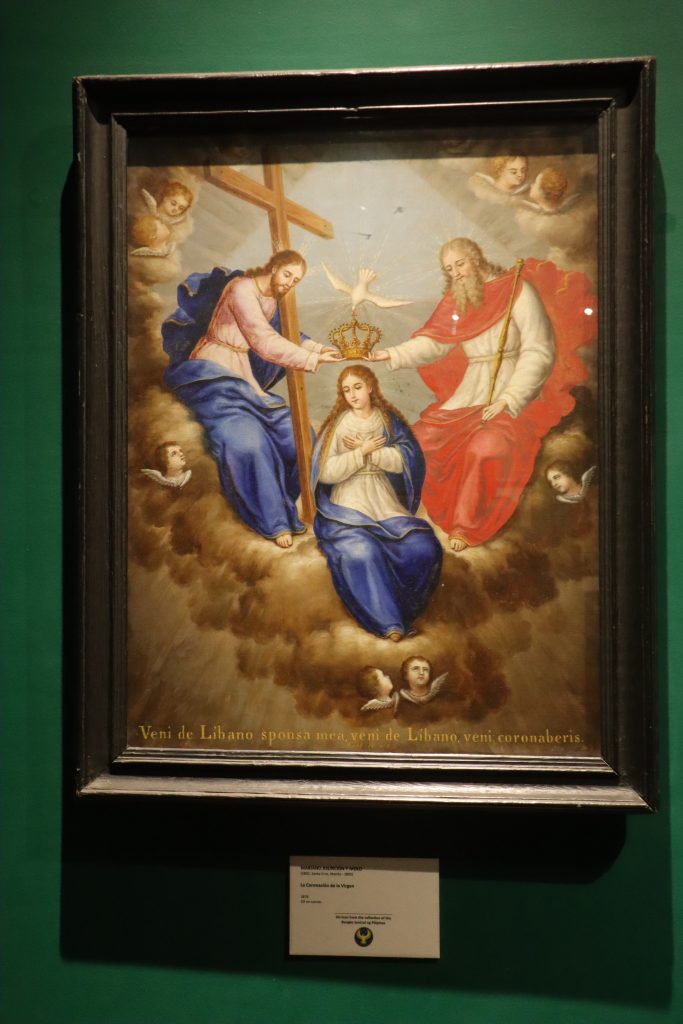
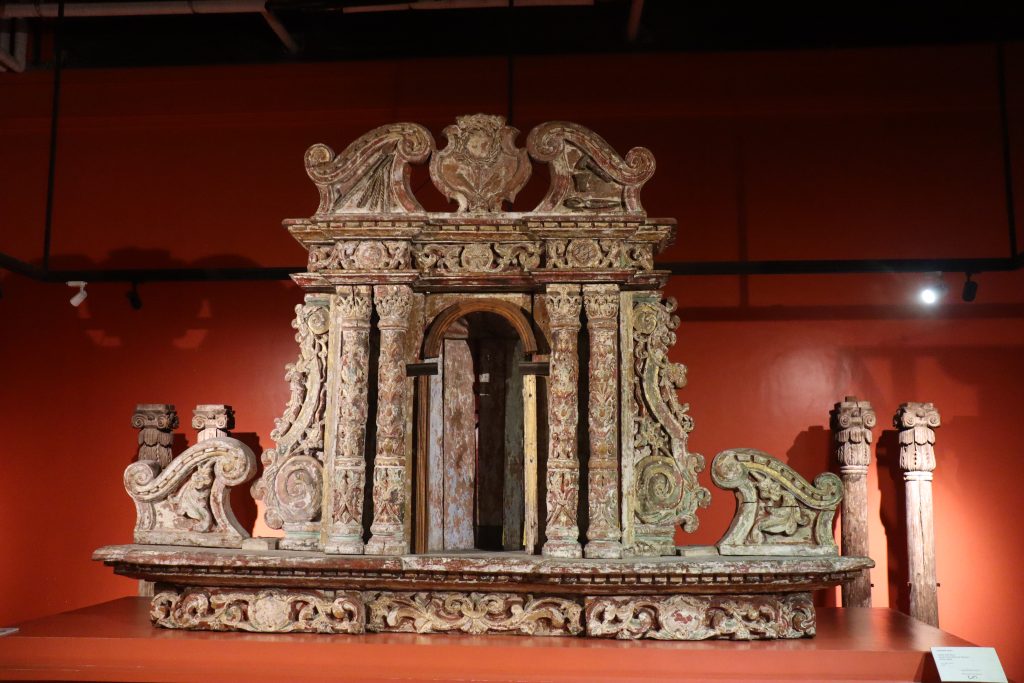
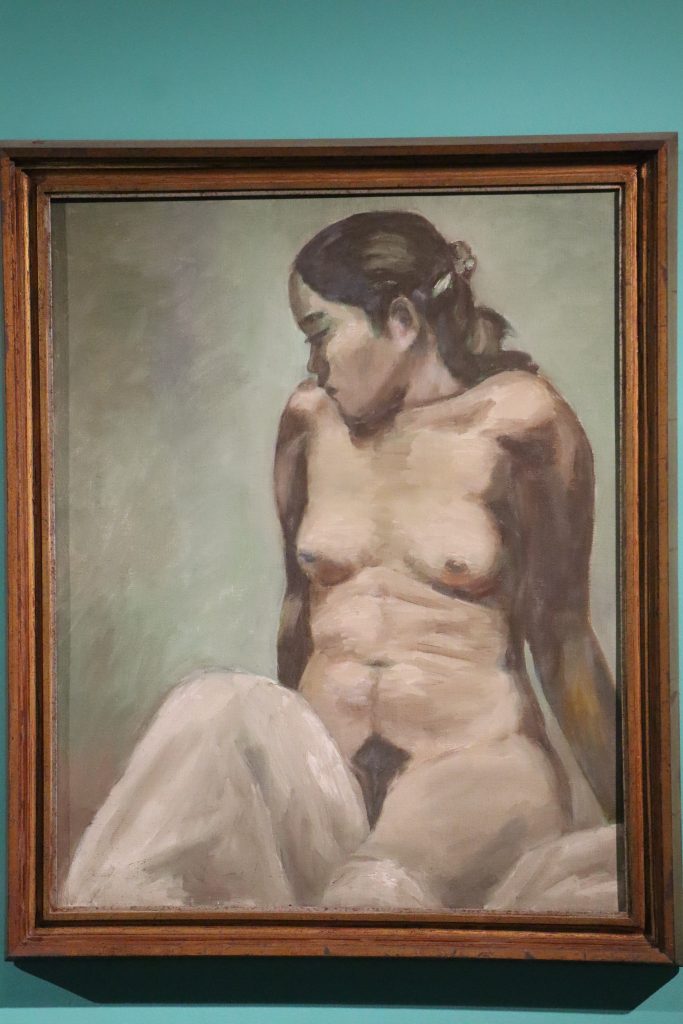
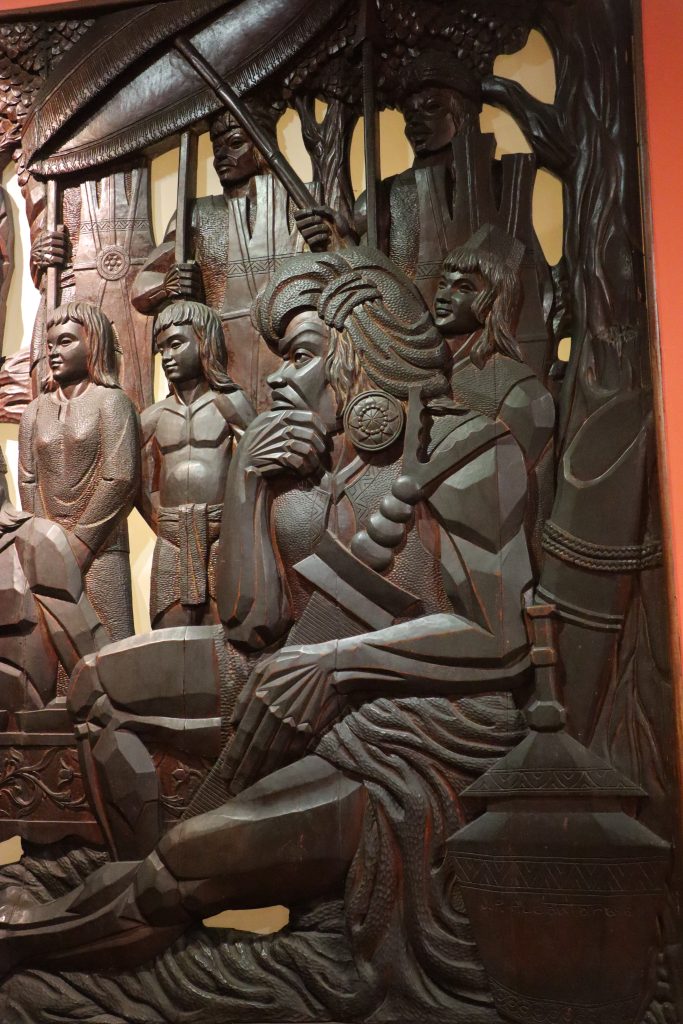
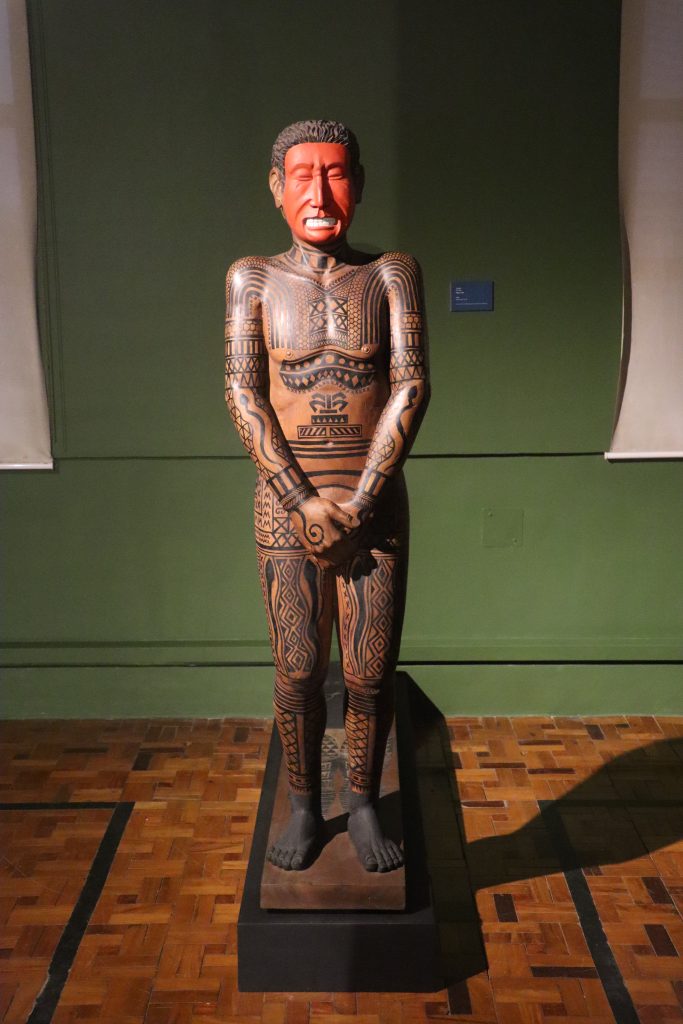
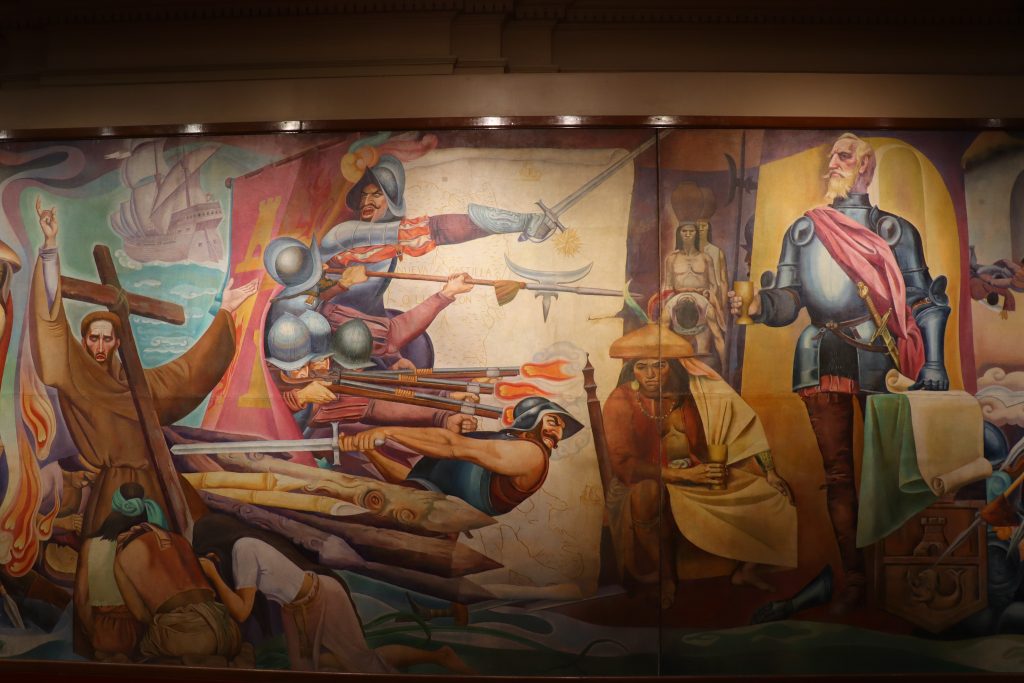
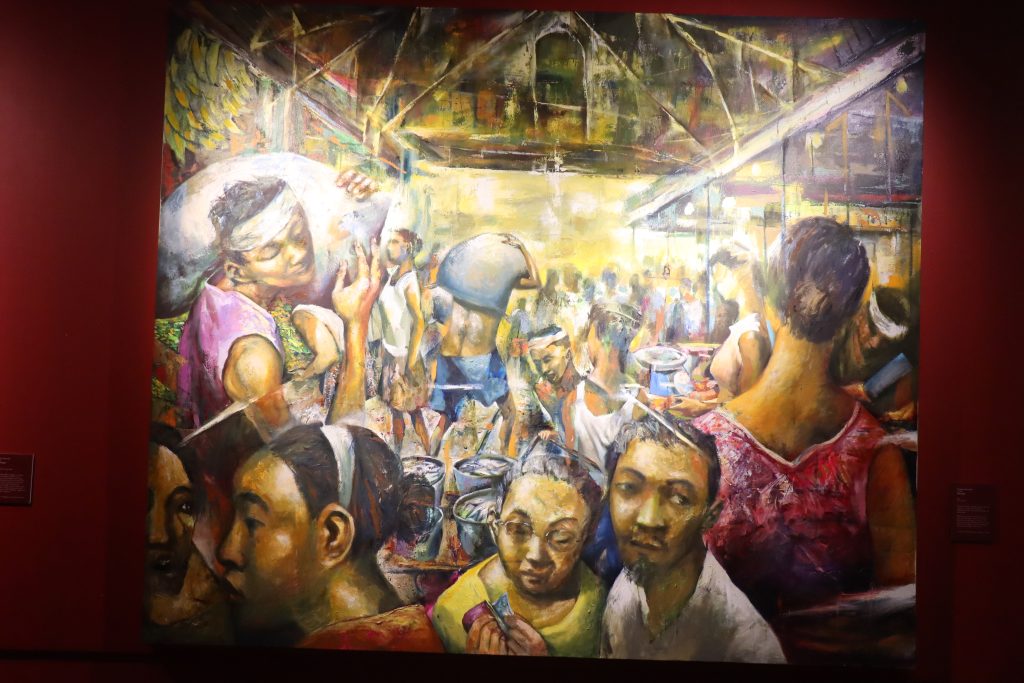
The National Museum of Fine Arts is located very close to the National Museum of Anthropology, in the historic Old Legislative Building. It is much larger and far more engaging than I expected. The many galleries in the four-storey building house a large number of works by Filipino painters, sculptors, and other artists.
10) Chinese Cemetery
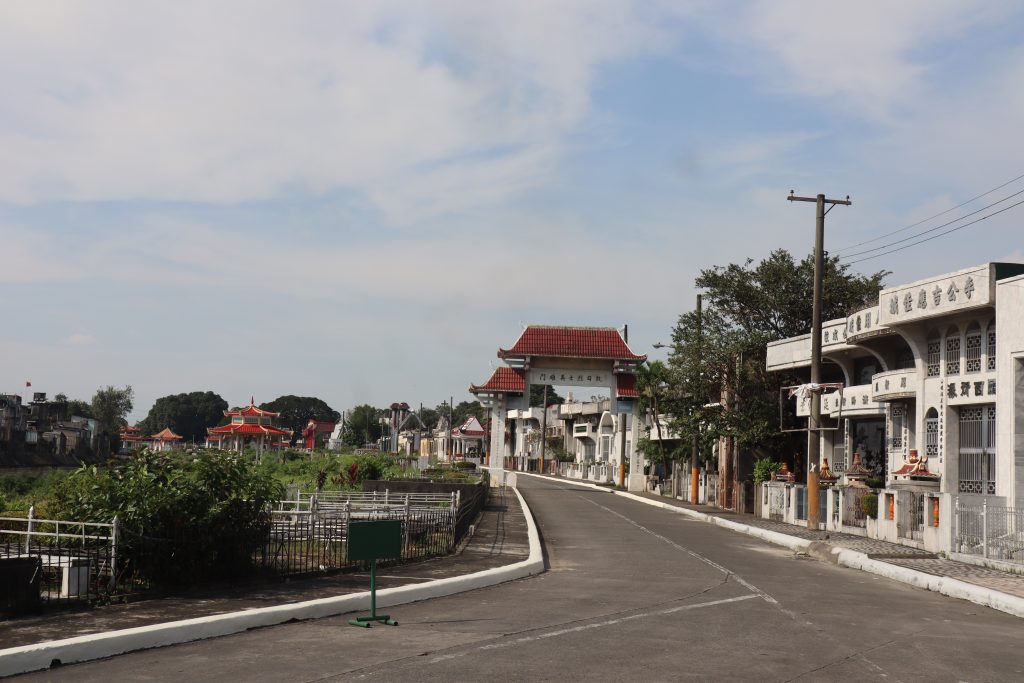
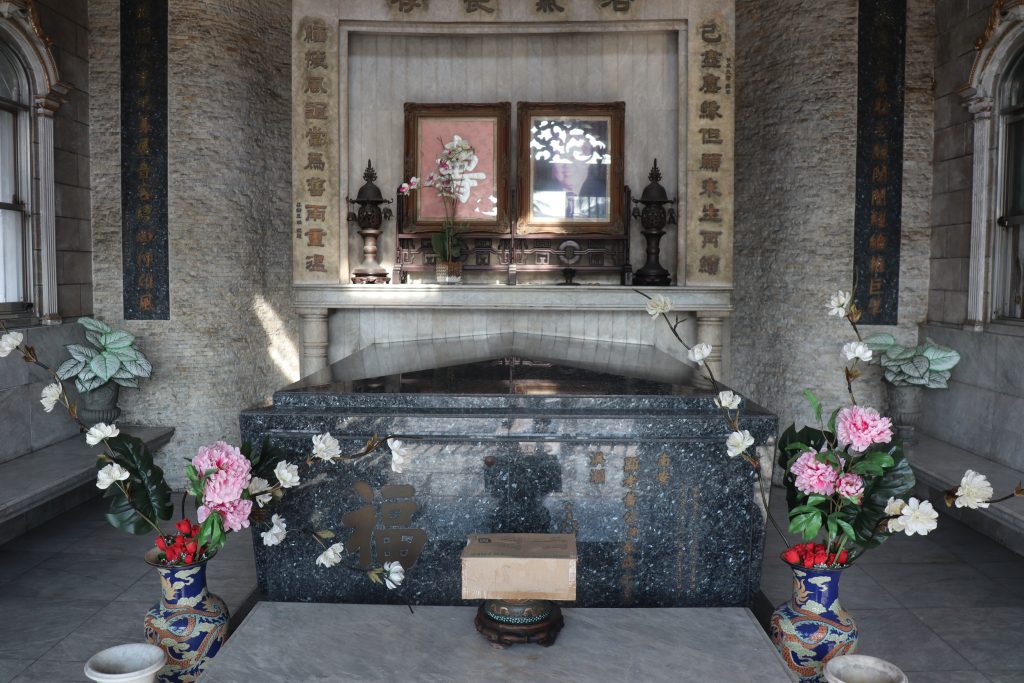
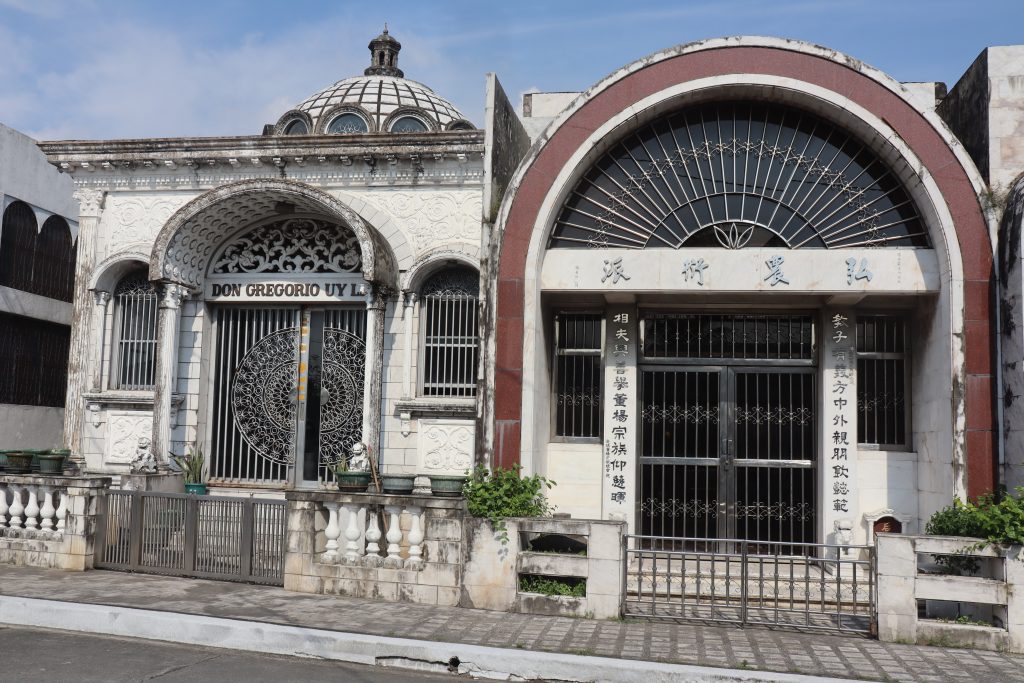
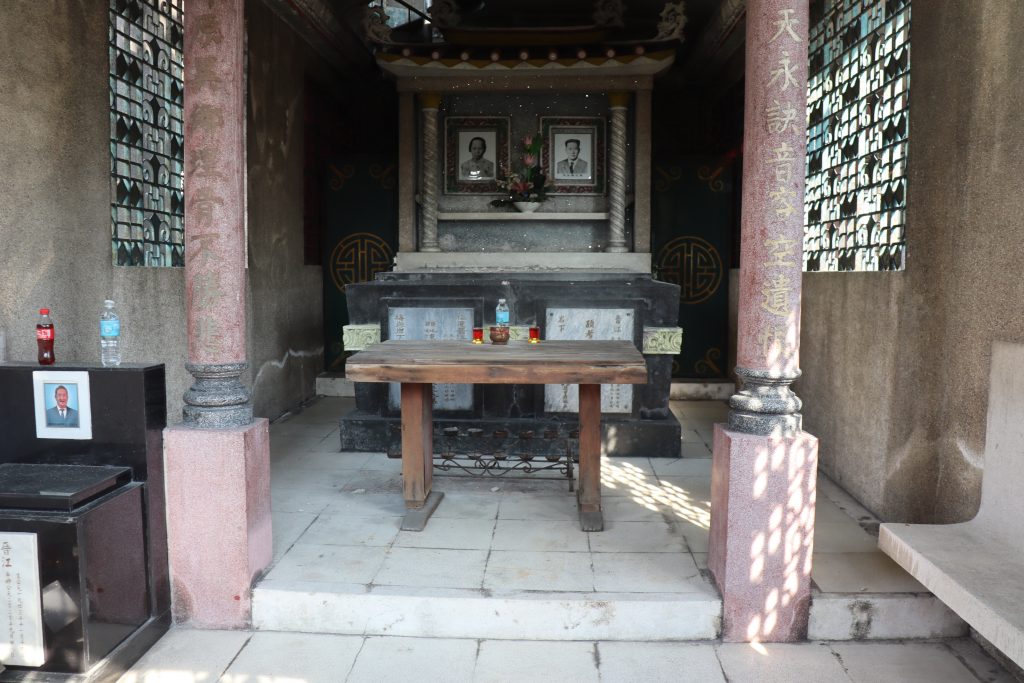
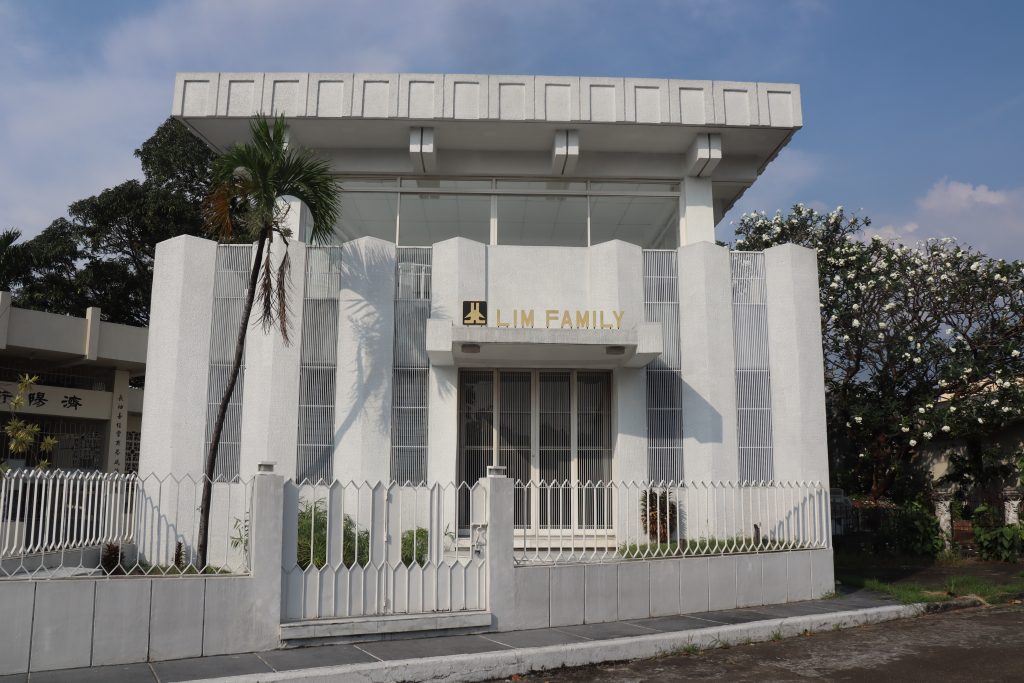
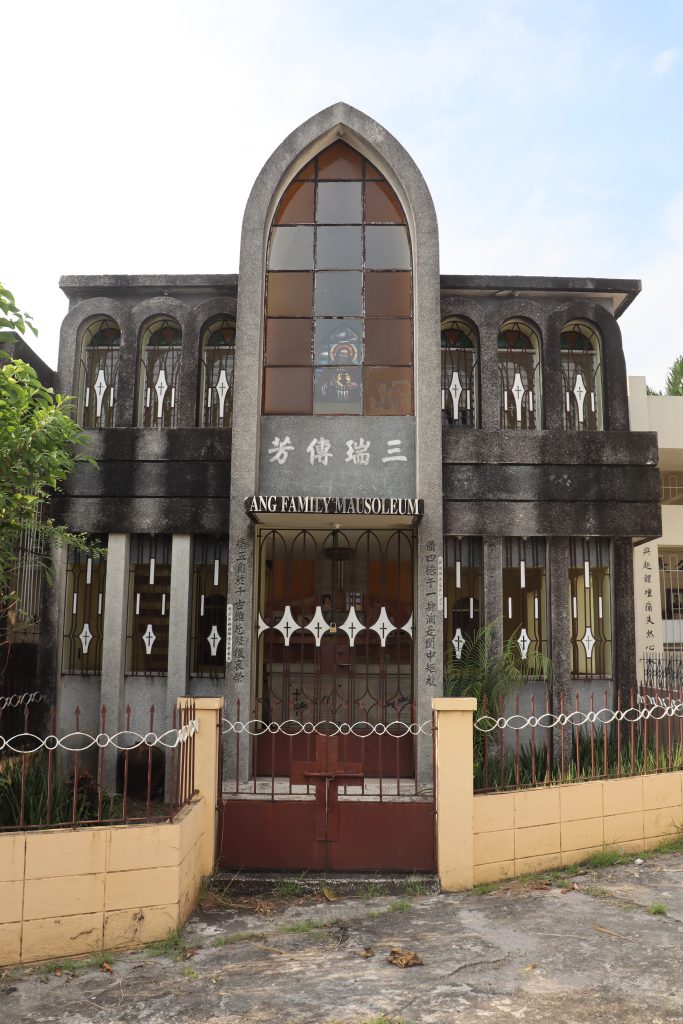
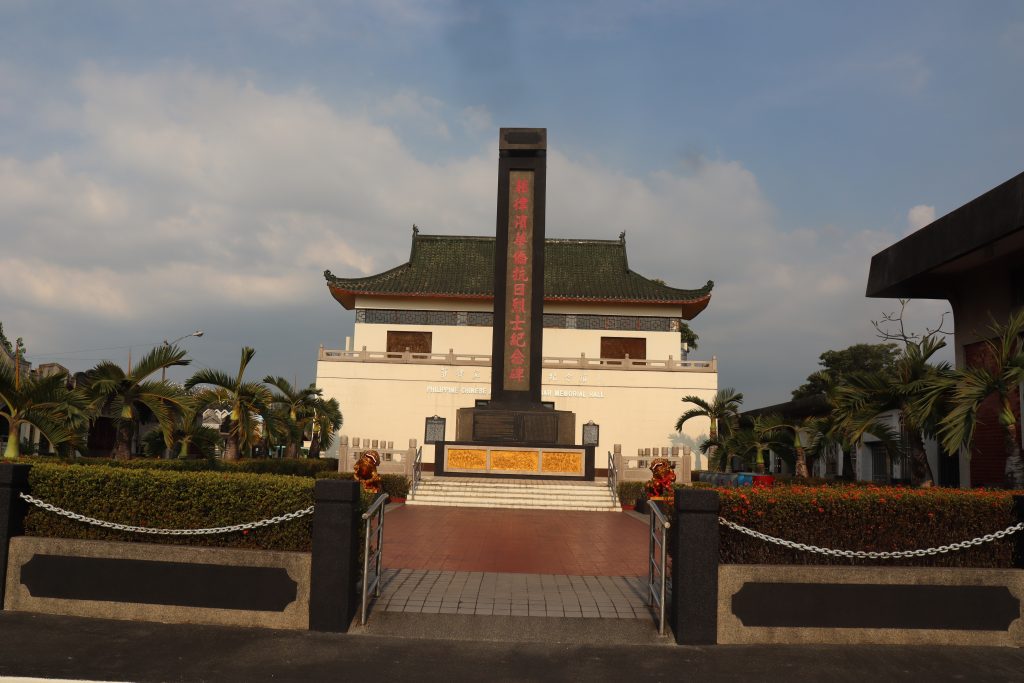
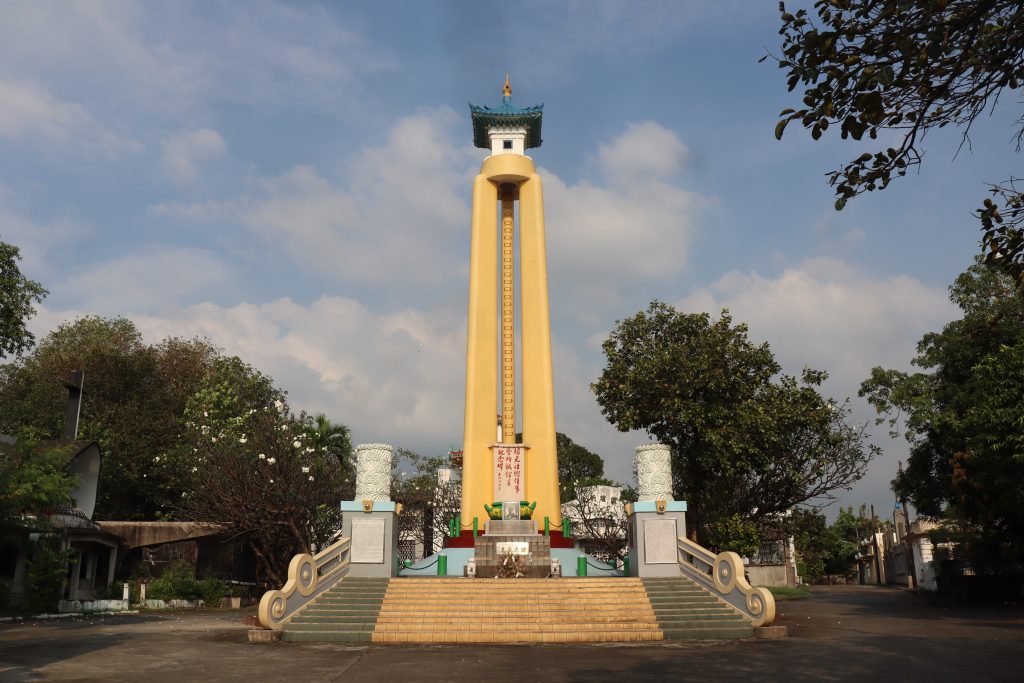
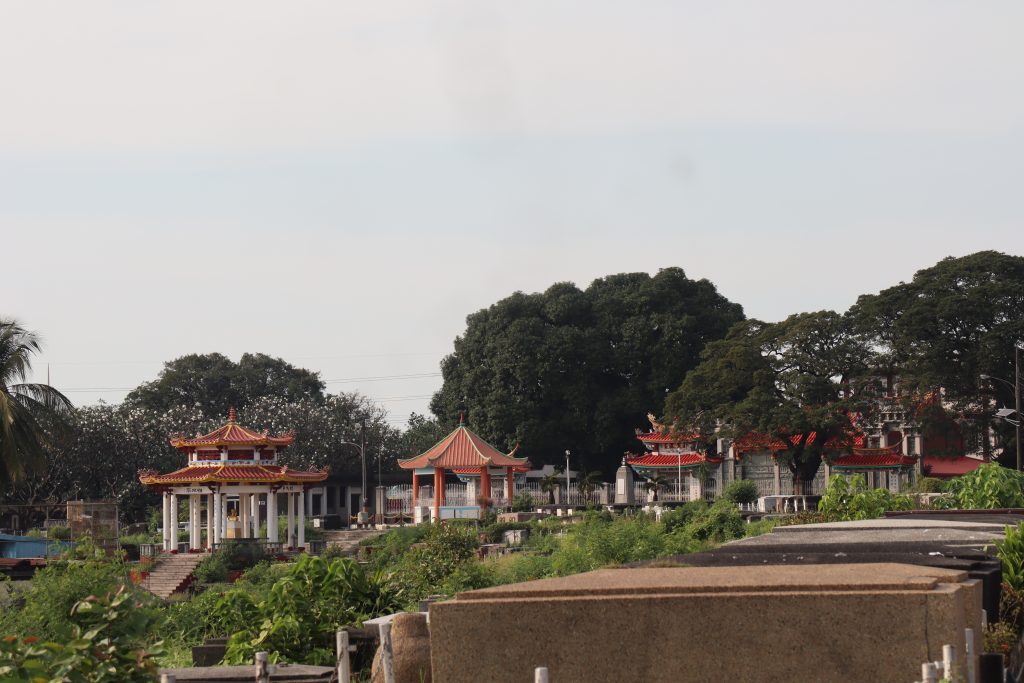
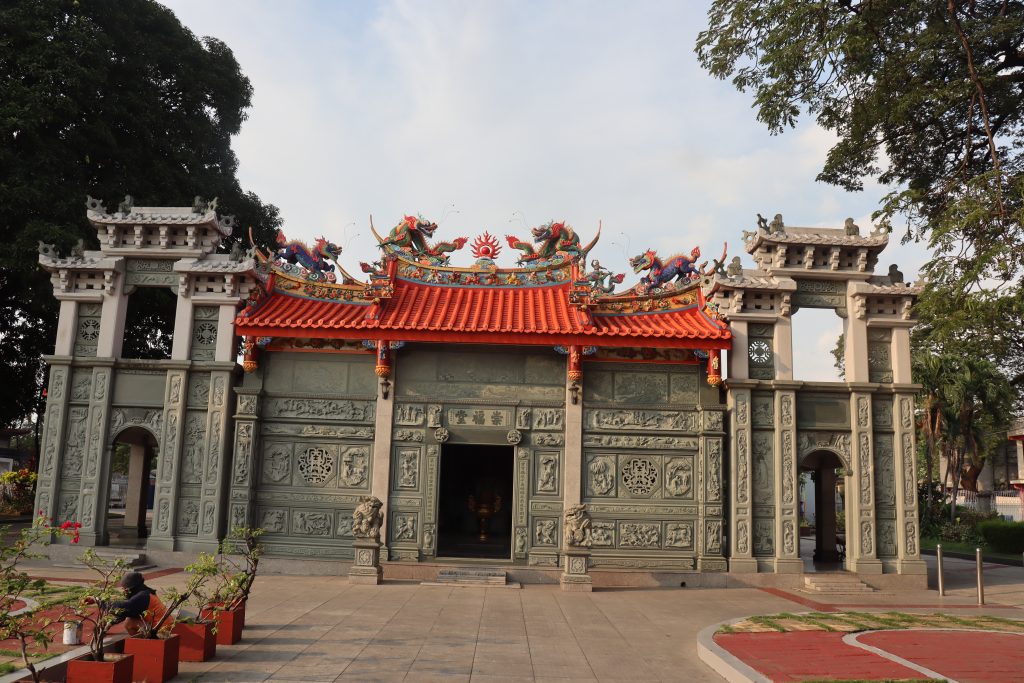
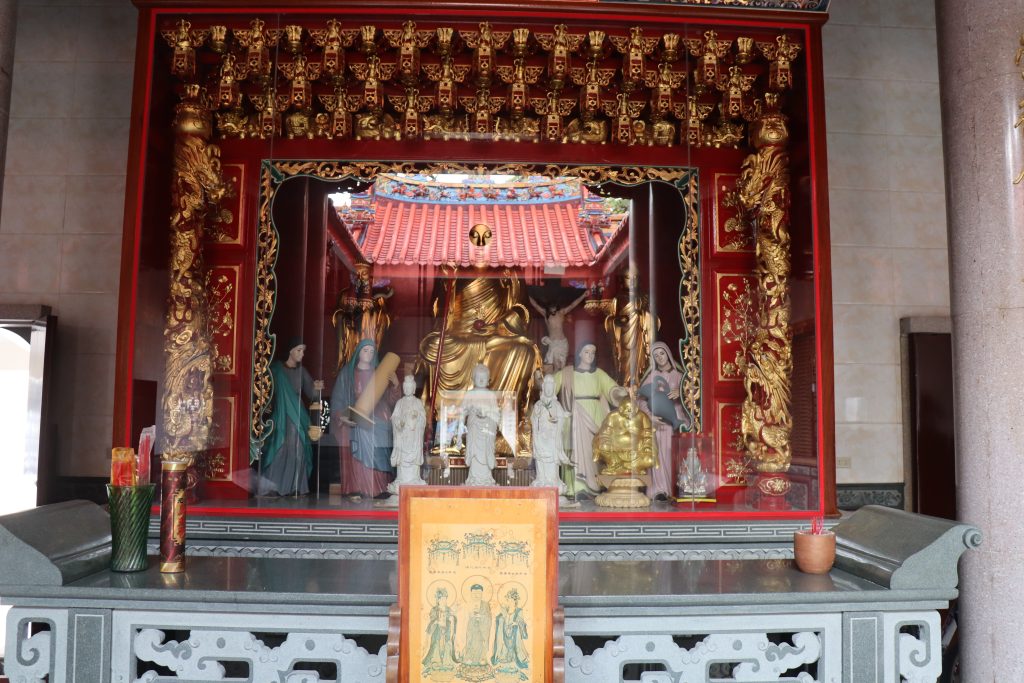
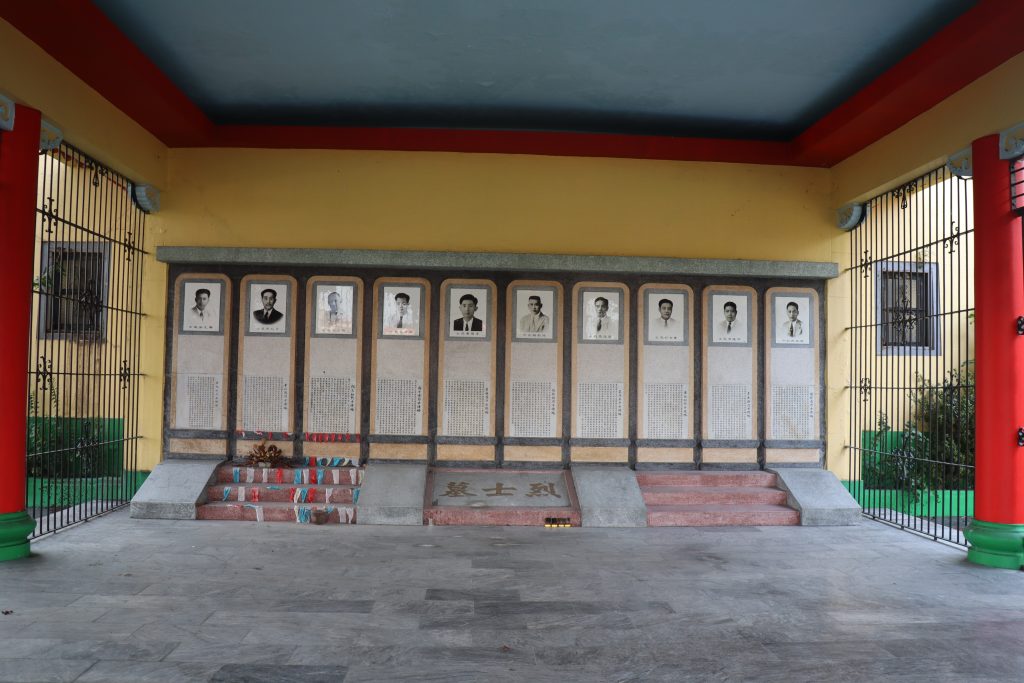
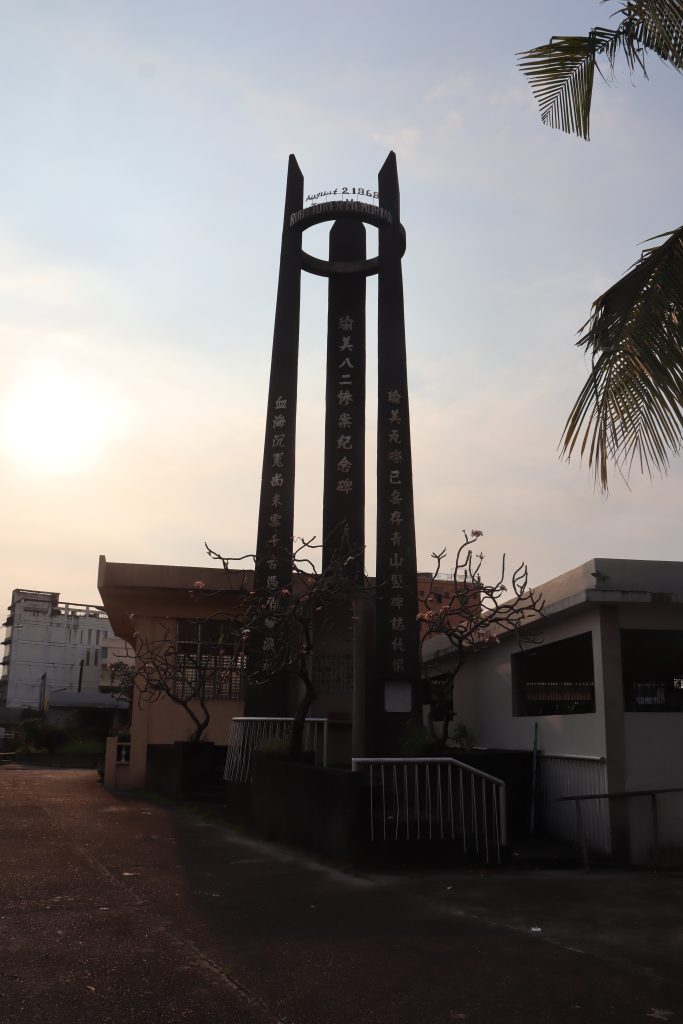
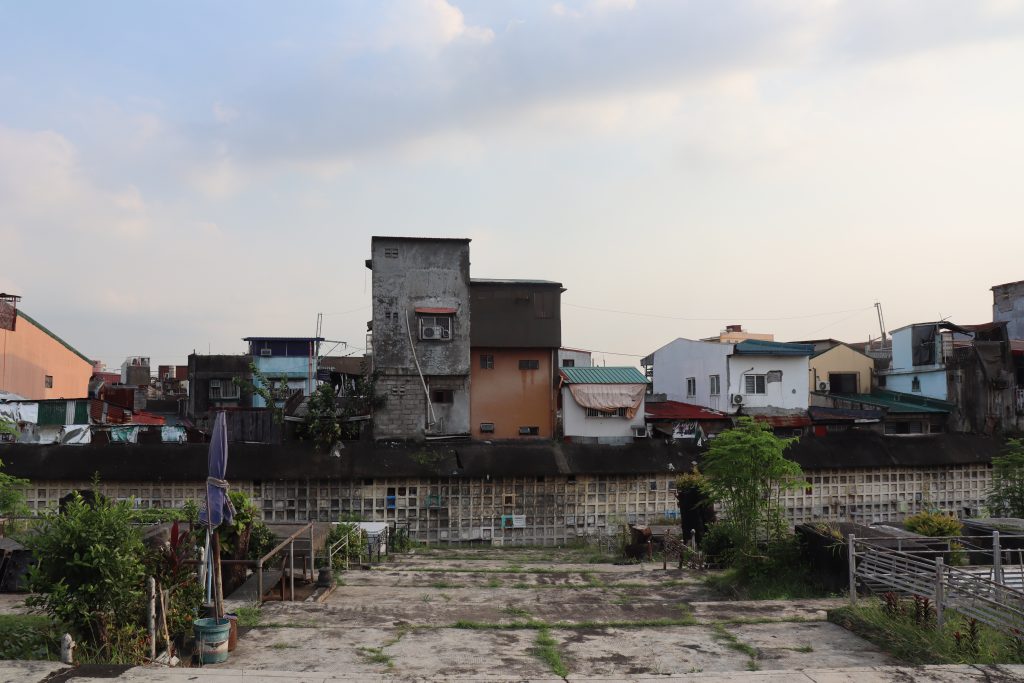
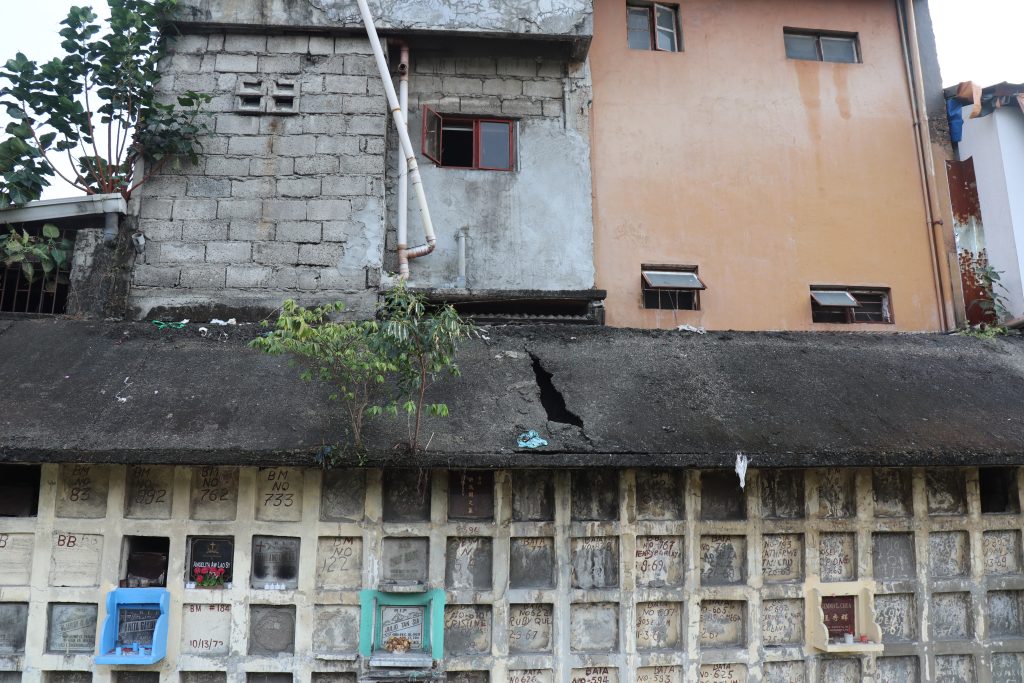
The Manila Chinese Cemetery covers a large area filled with mausoleums and graves. It includes Buddhist, Daoist, and Christian — mostly Catholic — burial sites. The cemetery is like a city for the dead. There are many large and luxurious mausoleums resembling comfortable houses or even villas. This display of wealth creates a stark contrast with the neighbouring slums. Apart from the mausoleums, there are also other places of interest in the area, such as Chong Hock Tong Temple, whose main altar features figures of Jesus Christ, Buddha, and Daoist deities. Another interesting structure in the cemetery is the Philippine Chinese Anti-Japanese War Memorial Complex, which commemorates the resistance efforts against the Japanese army. I have to admit that I found this serene place unexpectedly enchanting.
11) Chinatown
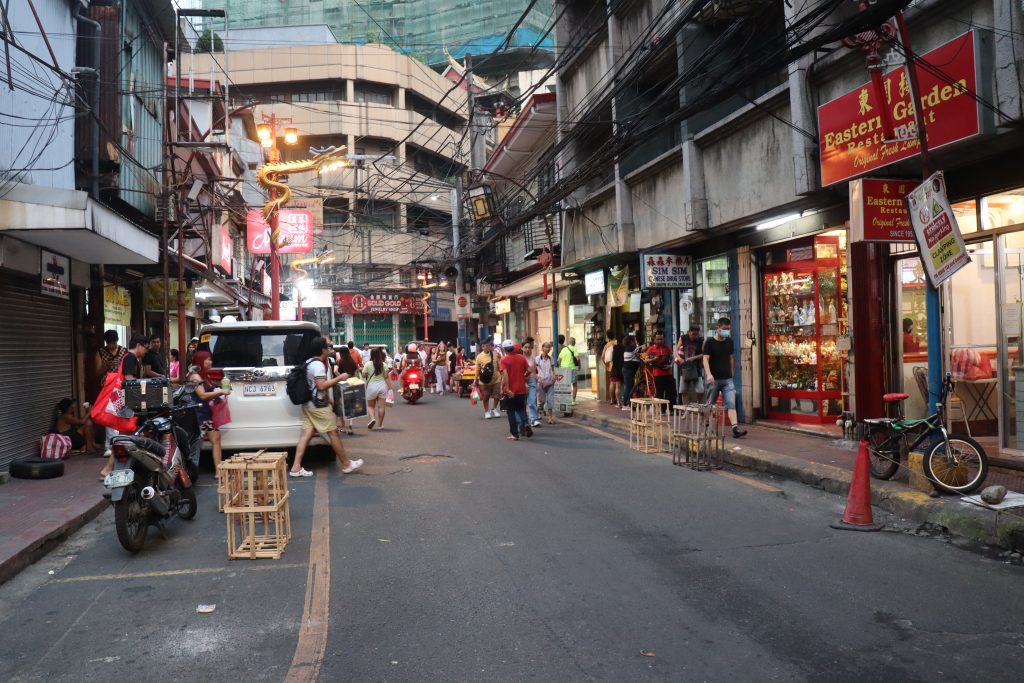
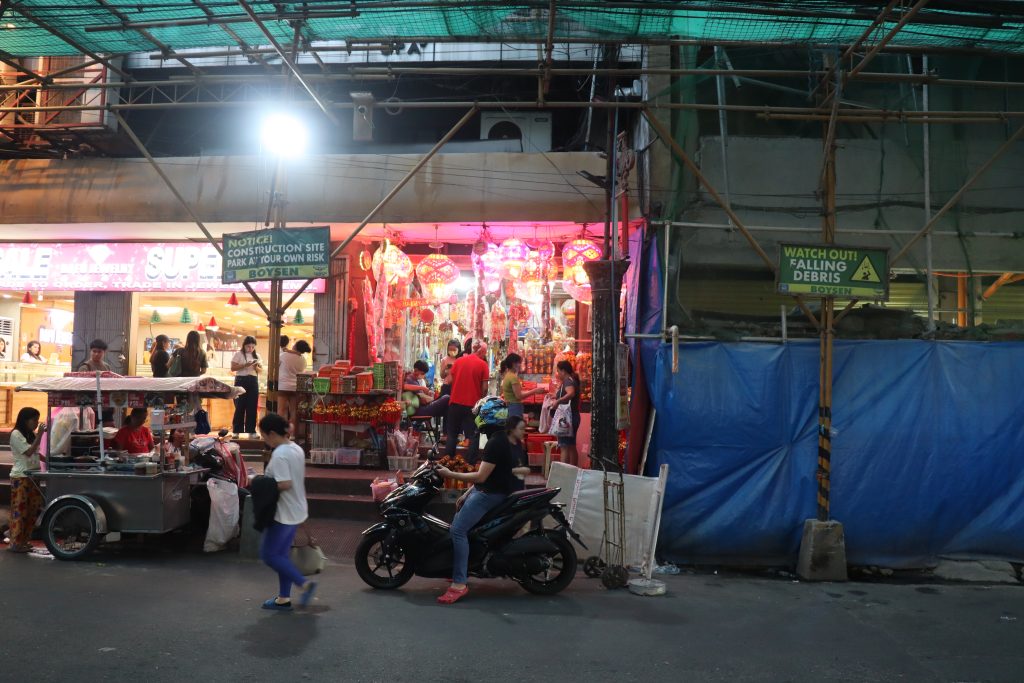
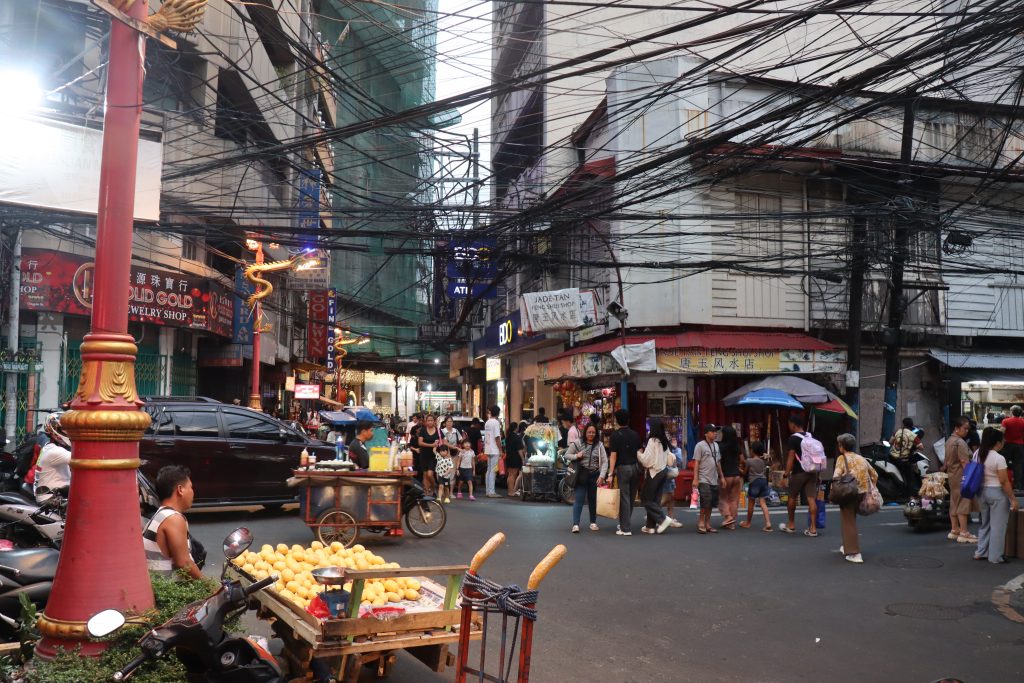
Manila is home to the oldest Chinatown in the world. It is a busy area with many shops, including a few jewellery stores. There are also some restaurants there, but I did not try the food. I would say that it is worth a visit if you want to experience the atmosphere, although there is nothing particularly exceptional about it that cannot be found elsewhere.
12) Quiapo Church
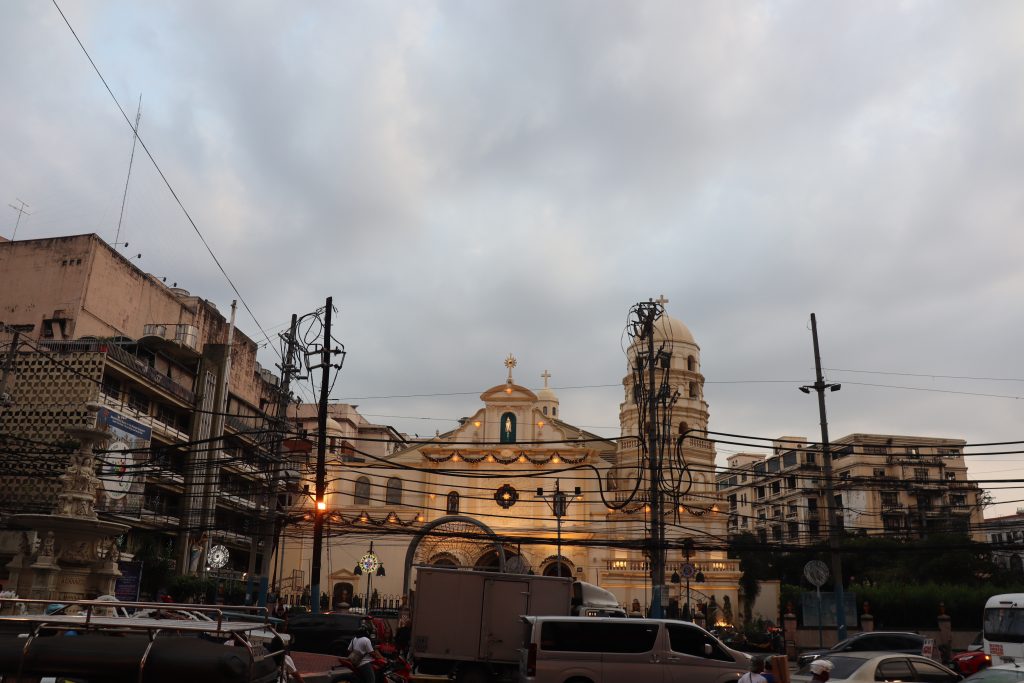
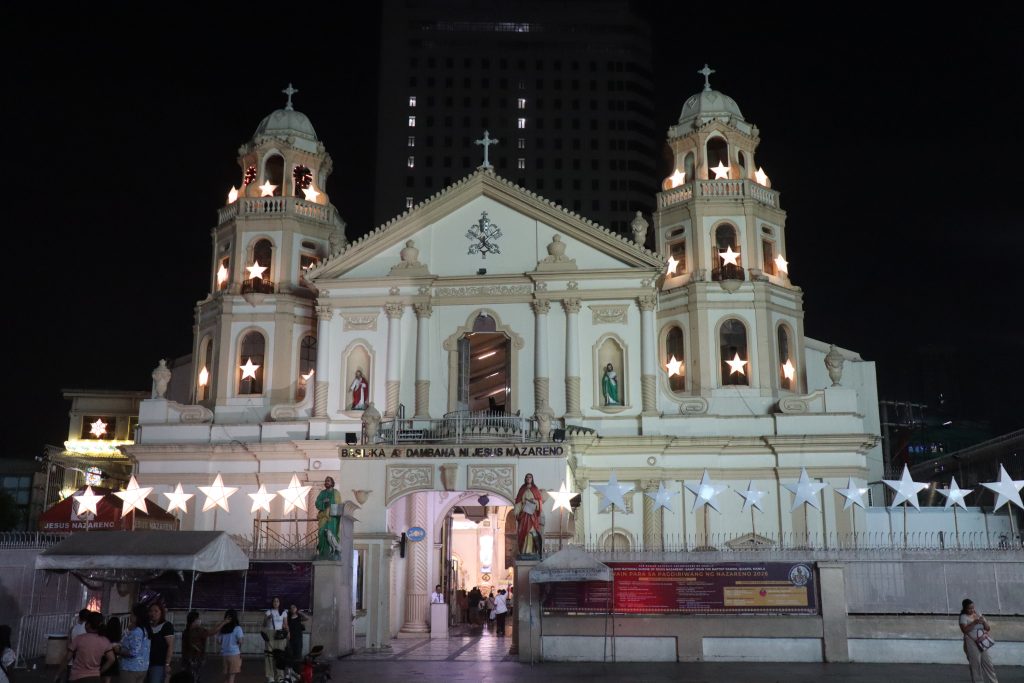
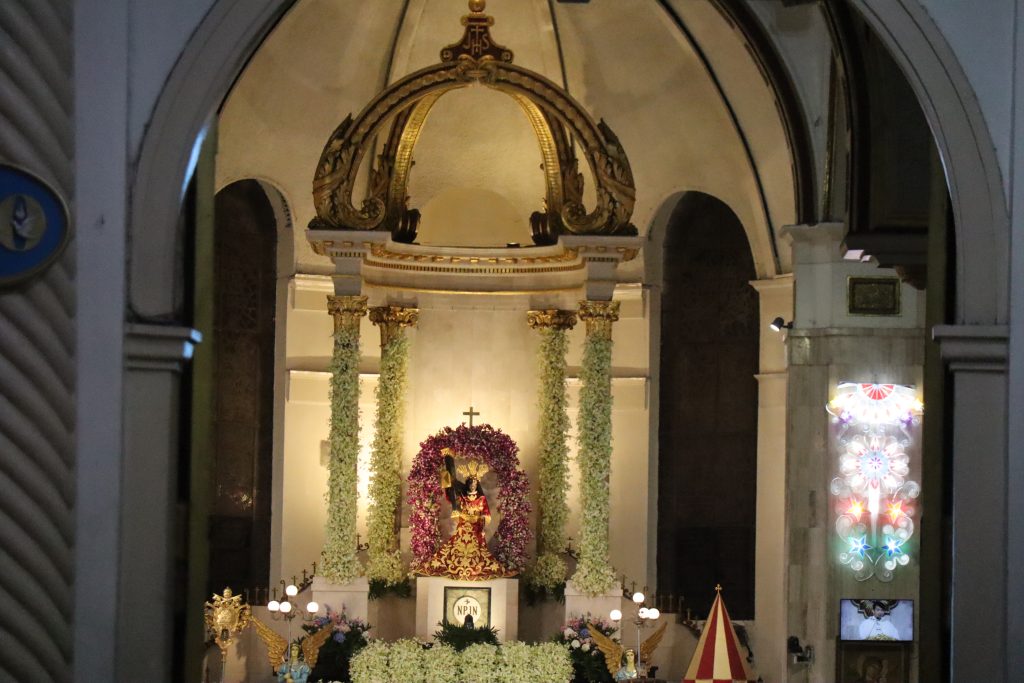
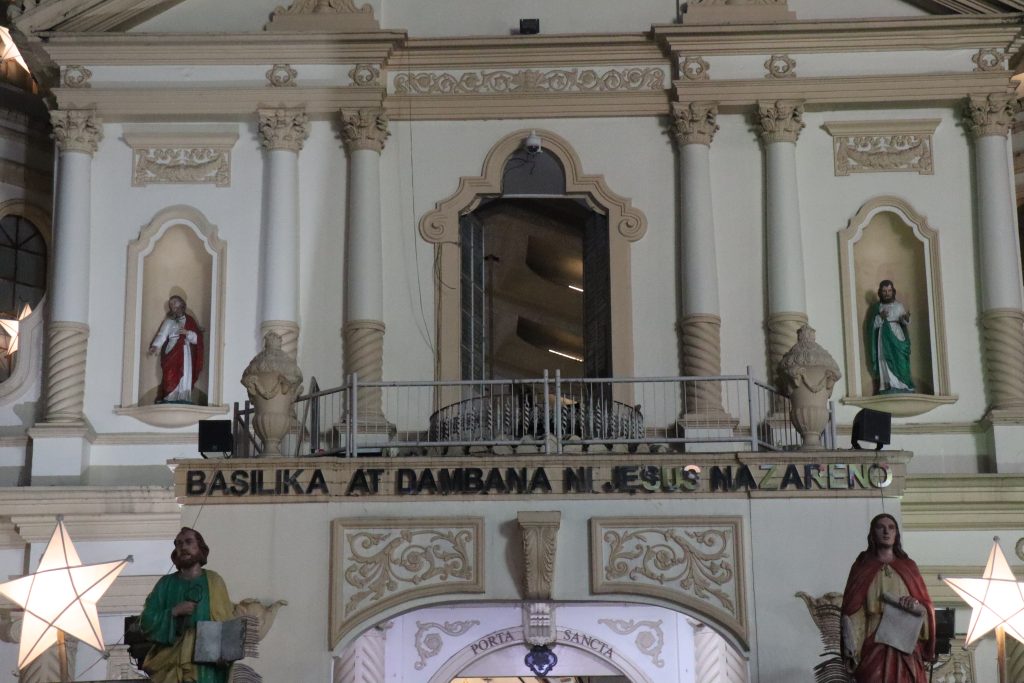
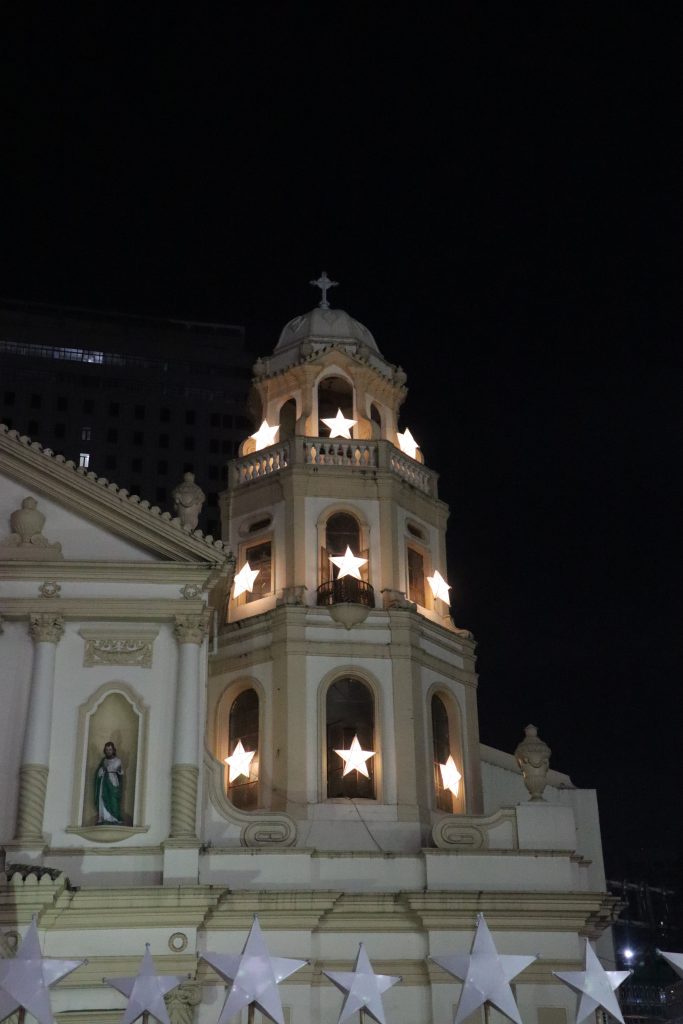
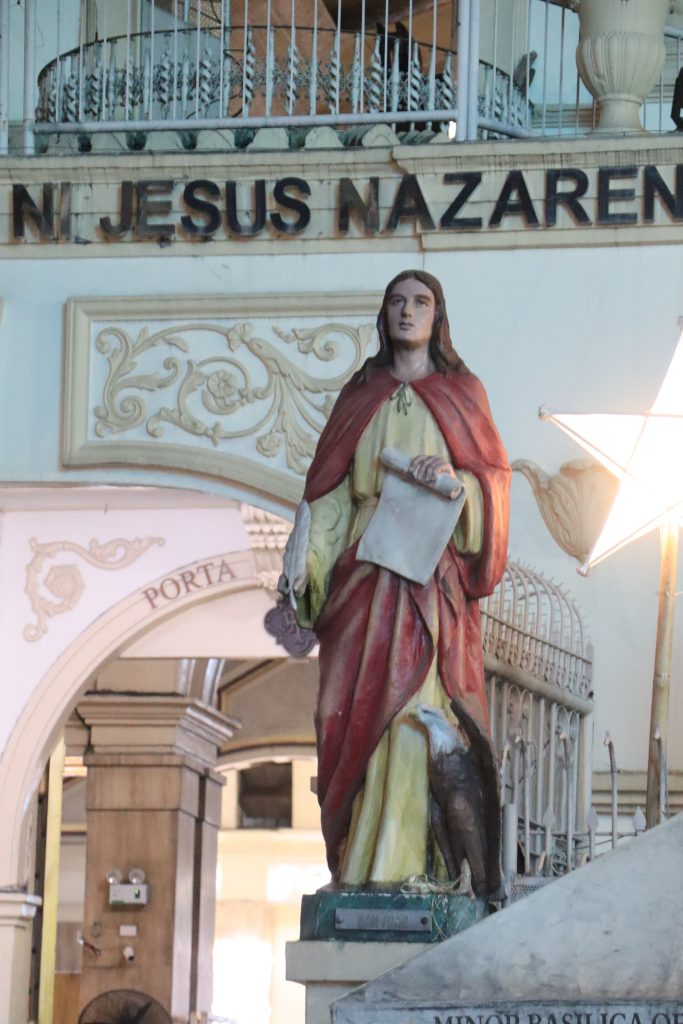
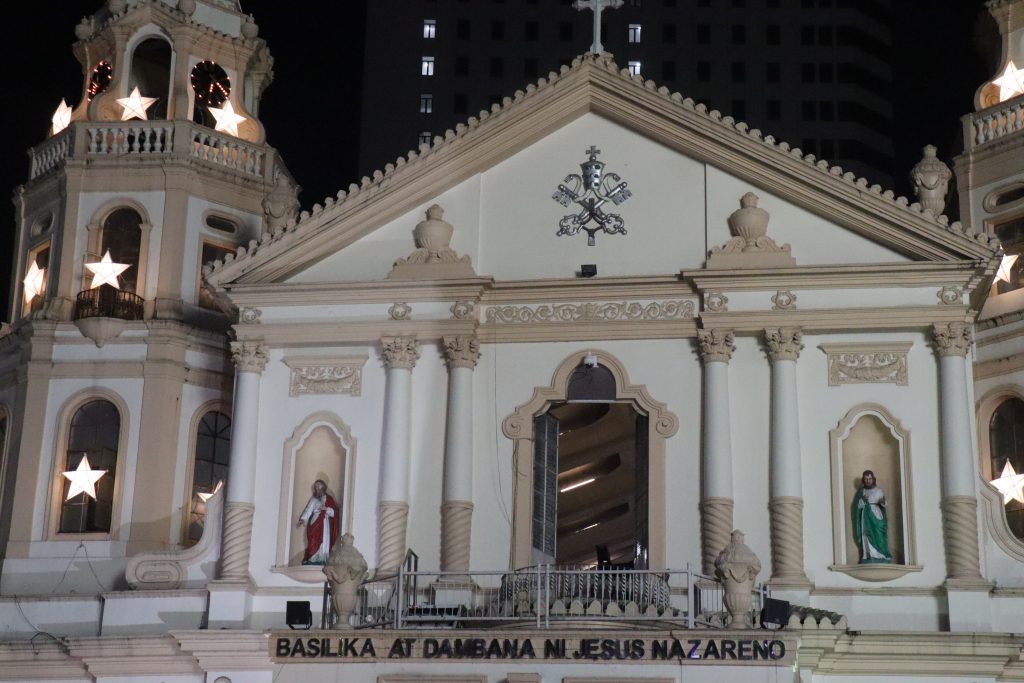
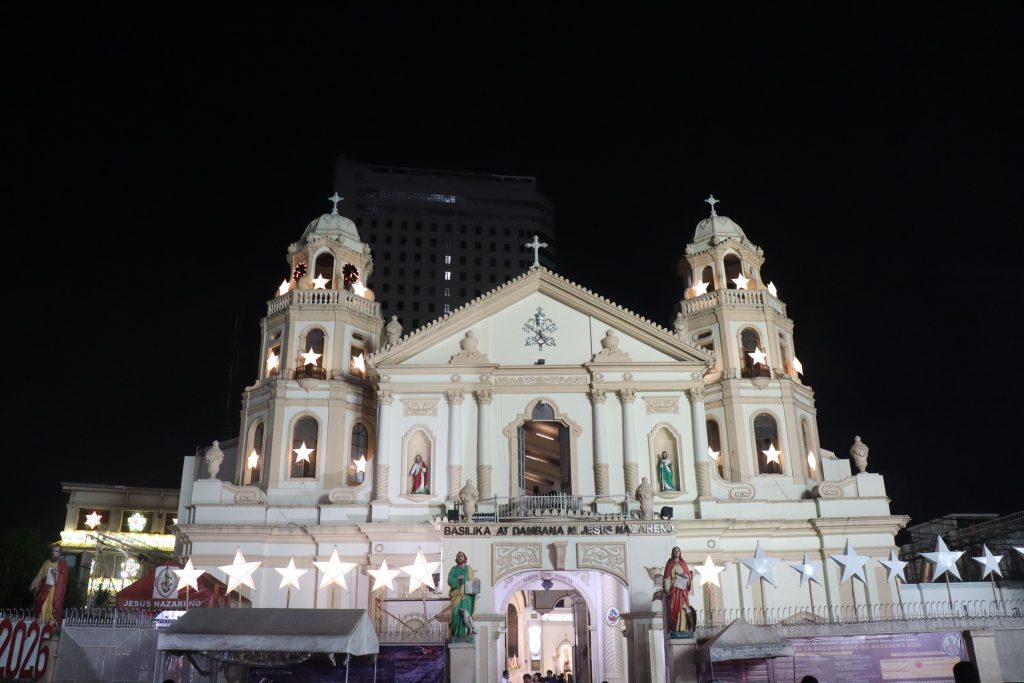
Quiapo Church is a Catholic basilica located in the district of Quiapo in Manila. The church, which is famous for its dark statue of Jesus Christ, known as the Black Nazarene, is quite a large and impressive building. When I visited it on New Year’s Eve, a mass was taking place, and there were many people both outside and inside the basilica.
13) Bonifacio Global City
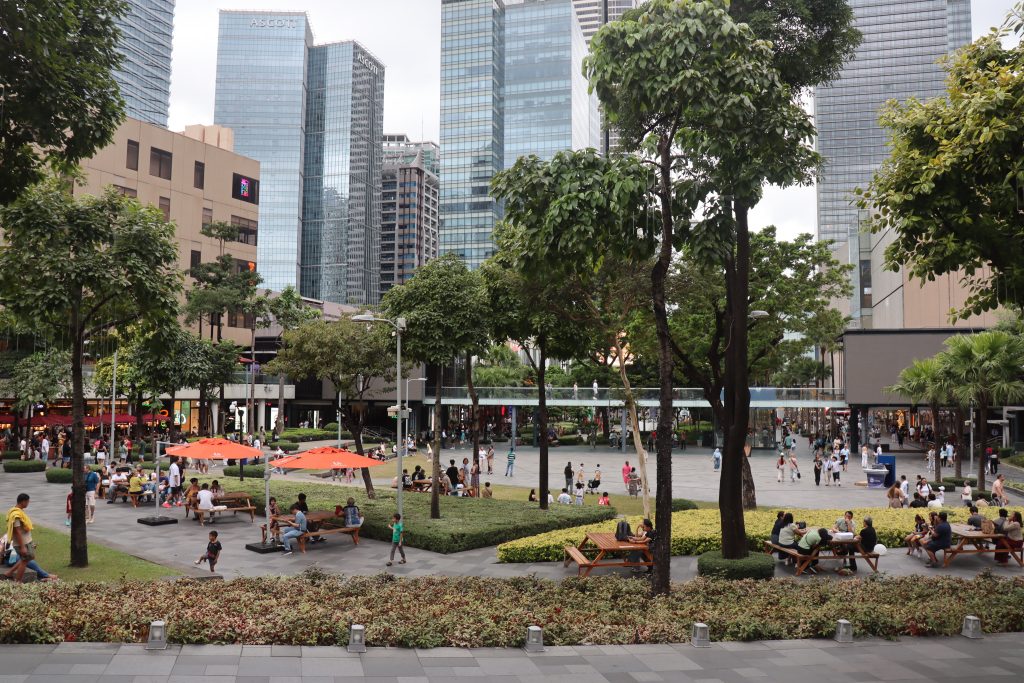
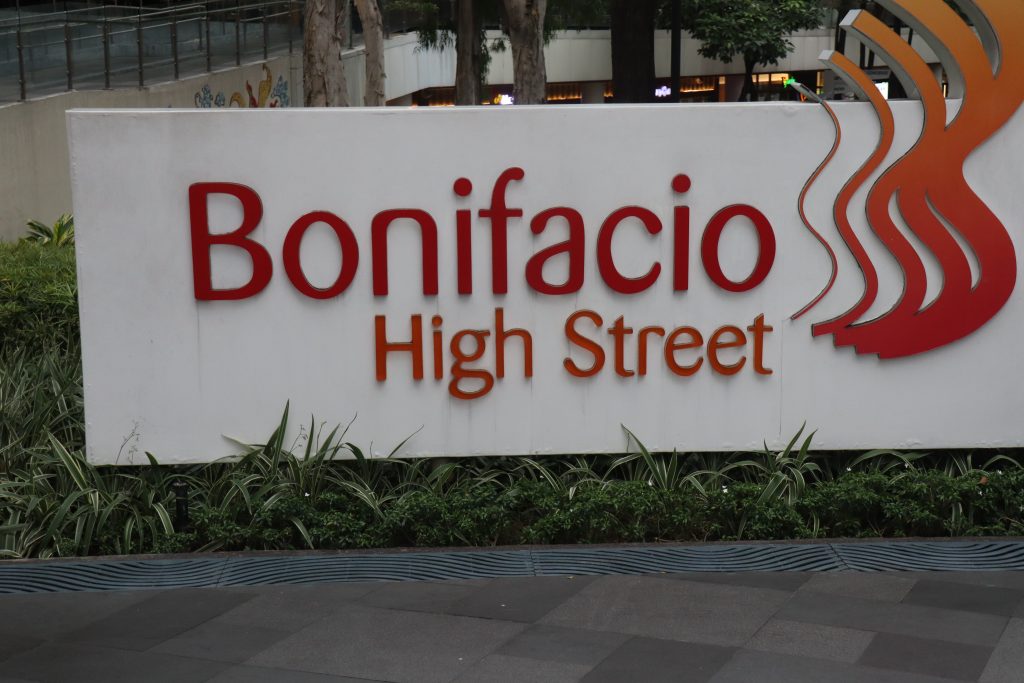
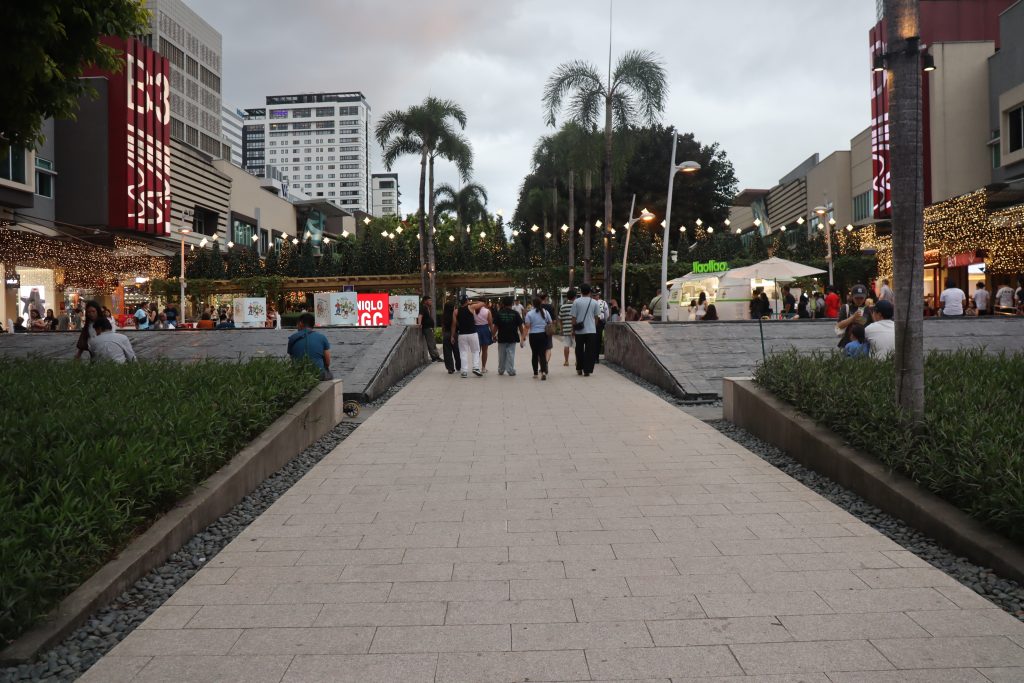
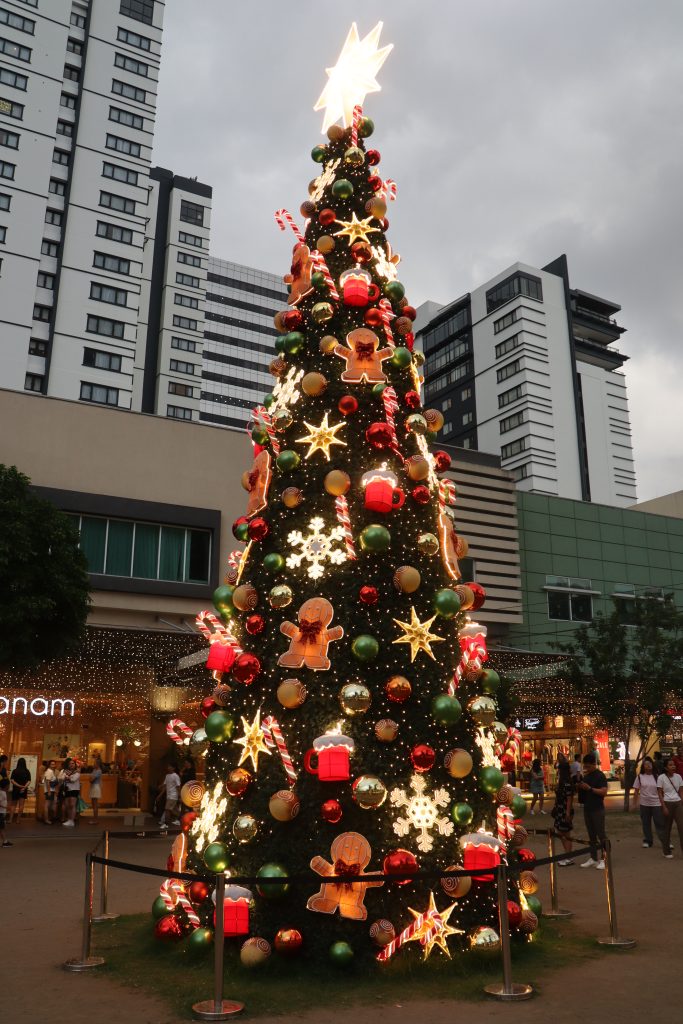
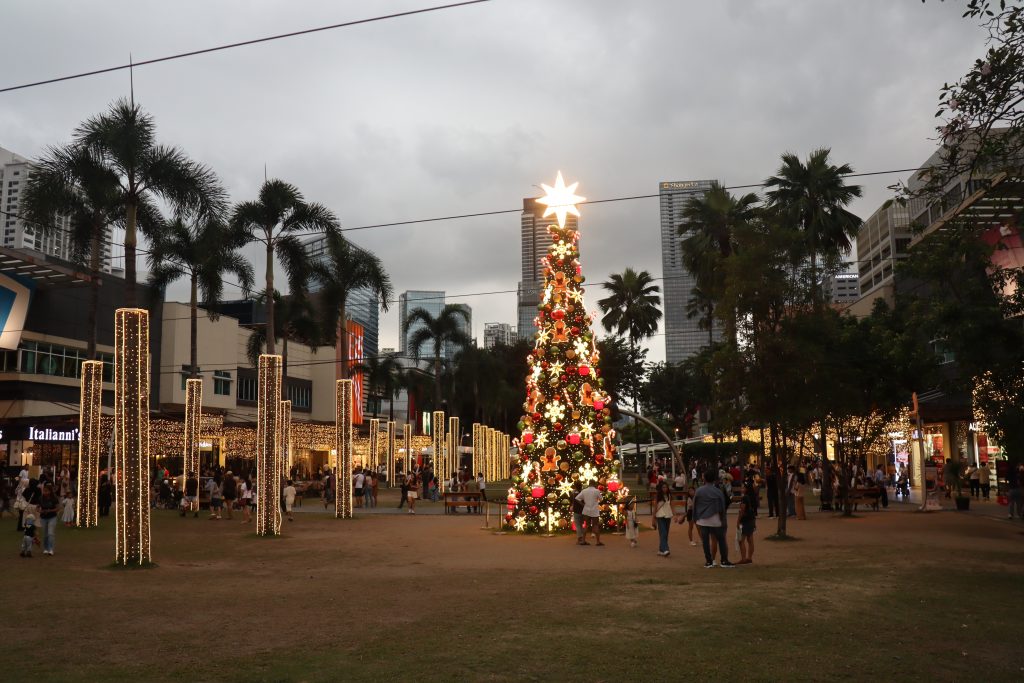
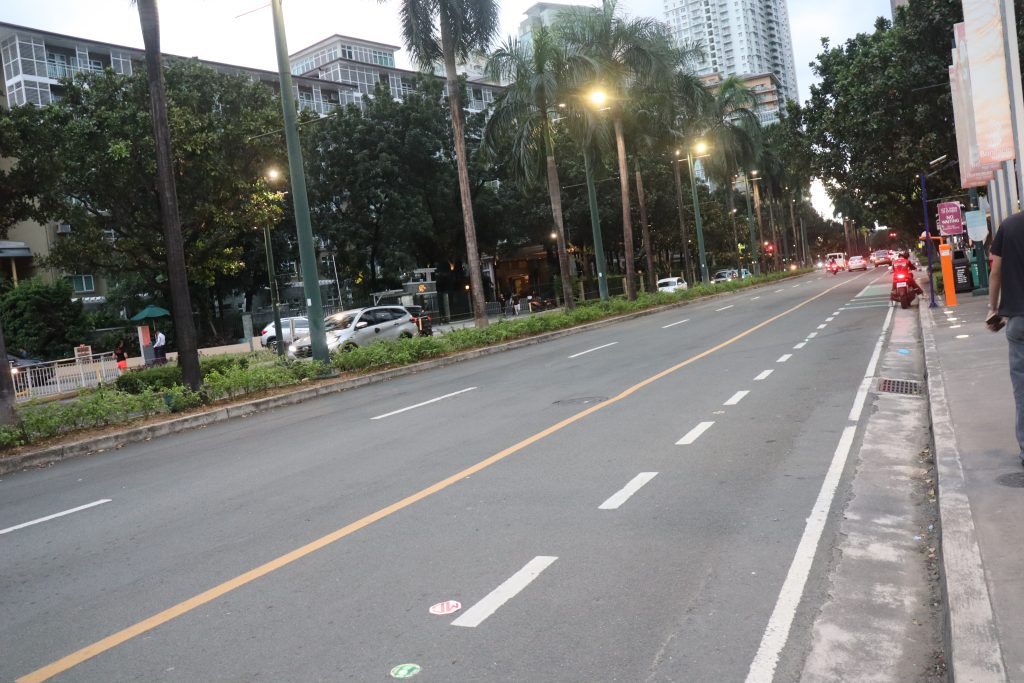
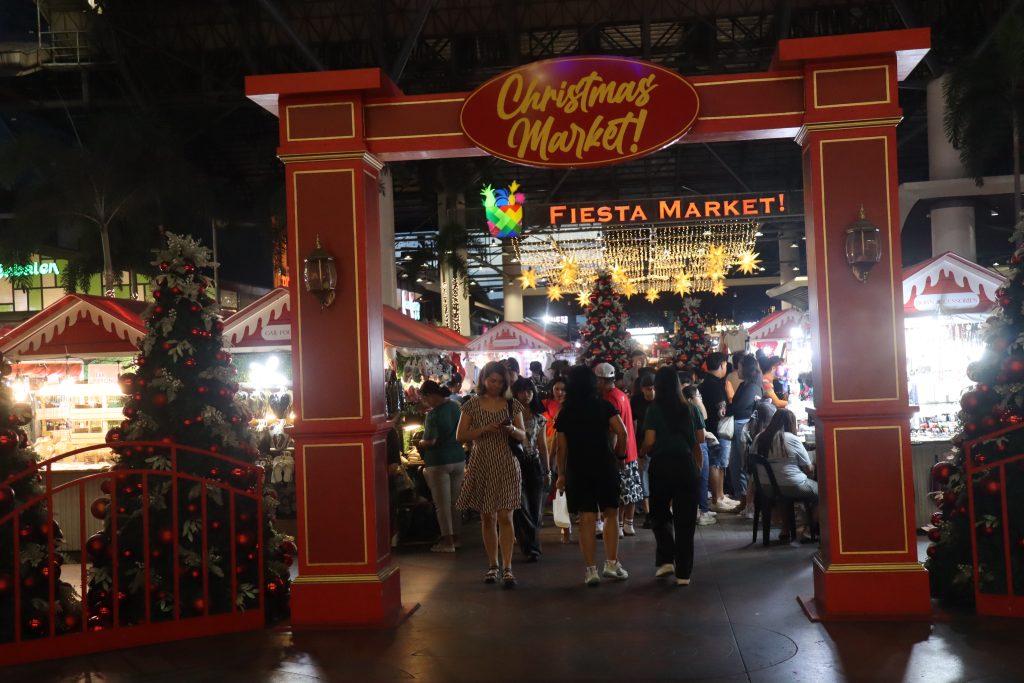
Bonifacio Global City is a district in the metropolitan area of Manila located within Fort Bonifacio. It is a pedestrian-friendly area filled with shops and restaurants, some of which serve tasty food. I consider it a good and safe place to stay, although visitors who want to experience the real Manila should choose another area, since that atmosphere cannot really be found in Bonifacio Global City (BGC). In any case, the Christmas ambience there is amazing and should not be missed.
14) Manila Hotel
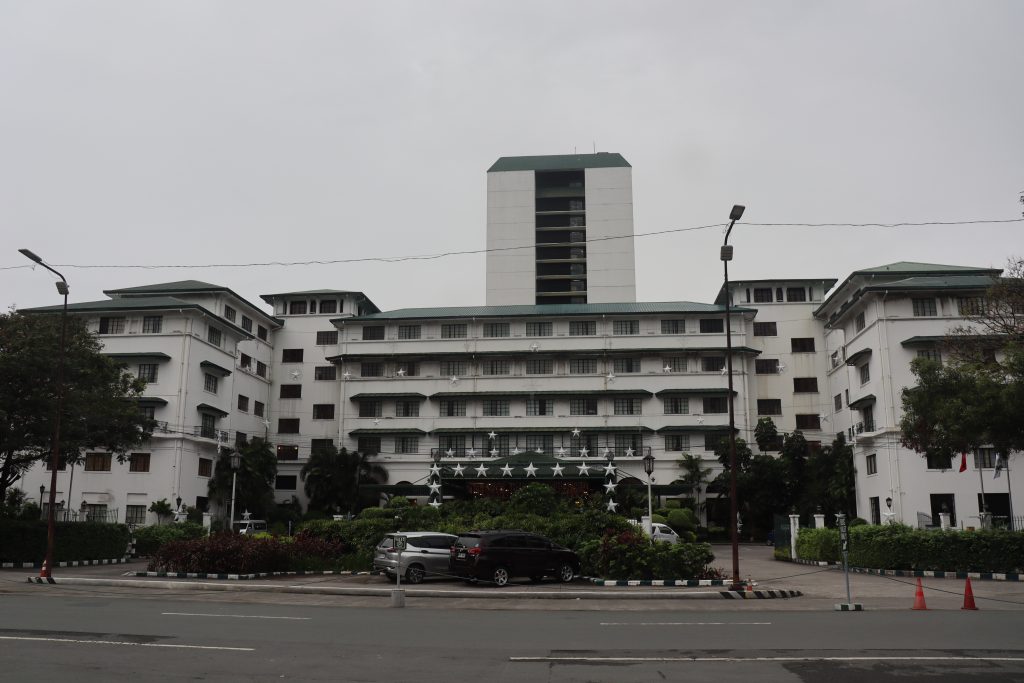
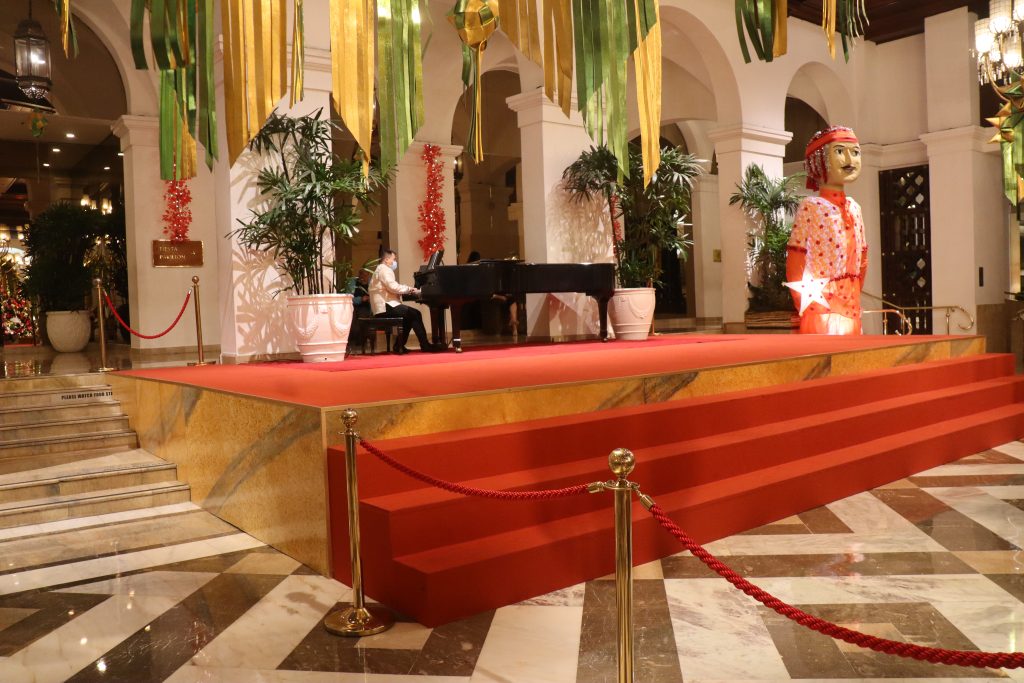
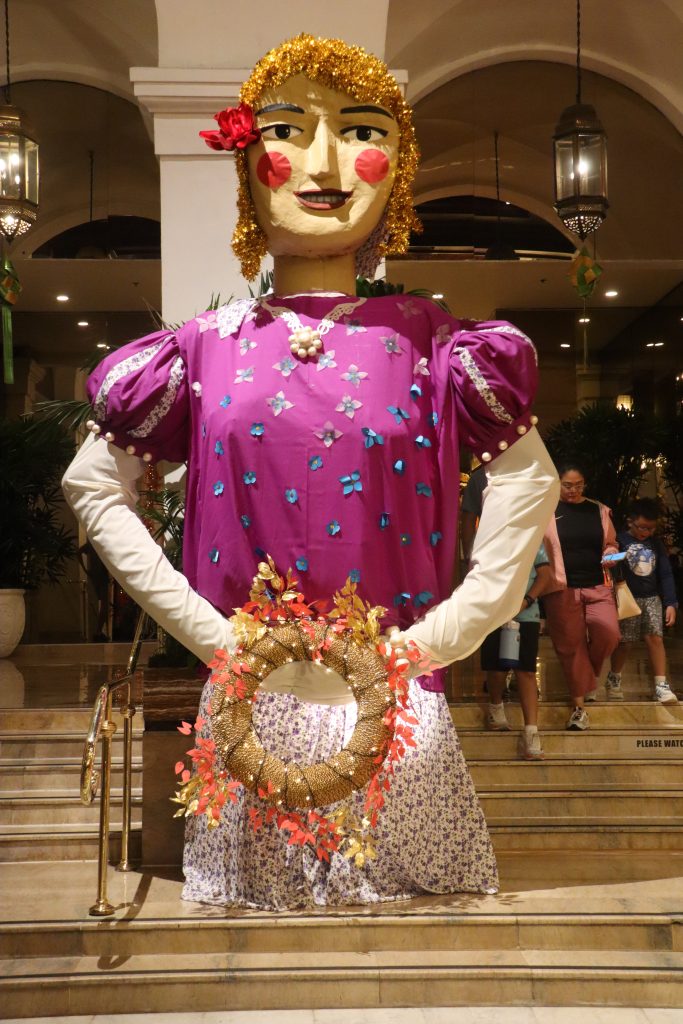
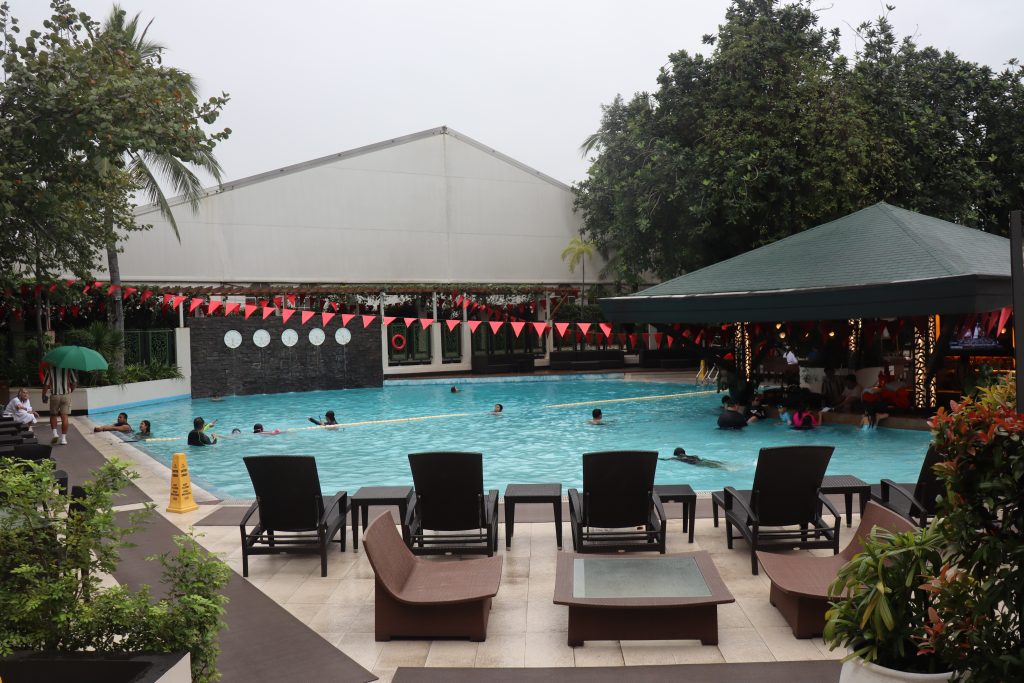
The Manila Hotel is a historic five-star seaside hotel located close to Rizal Park in Manila. Many celebrities and politicians have stayed here. I particularly liked the piano music in the main hall of the hotel while having lunch and dinner.