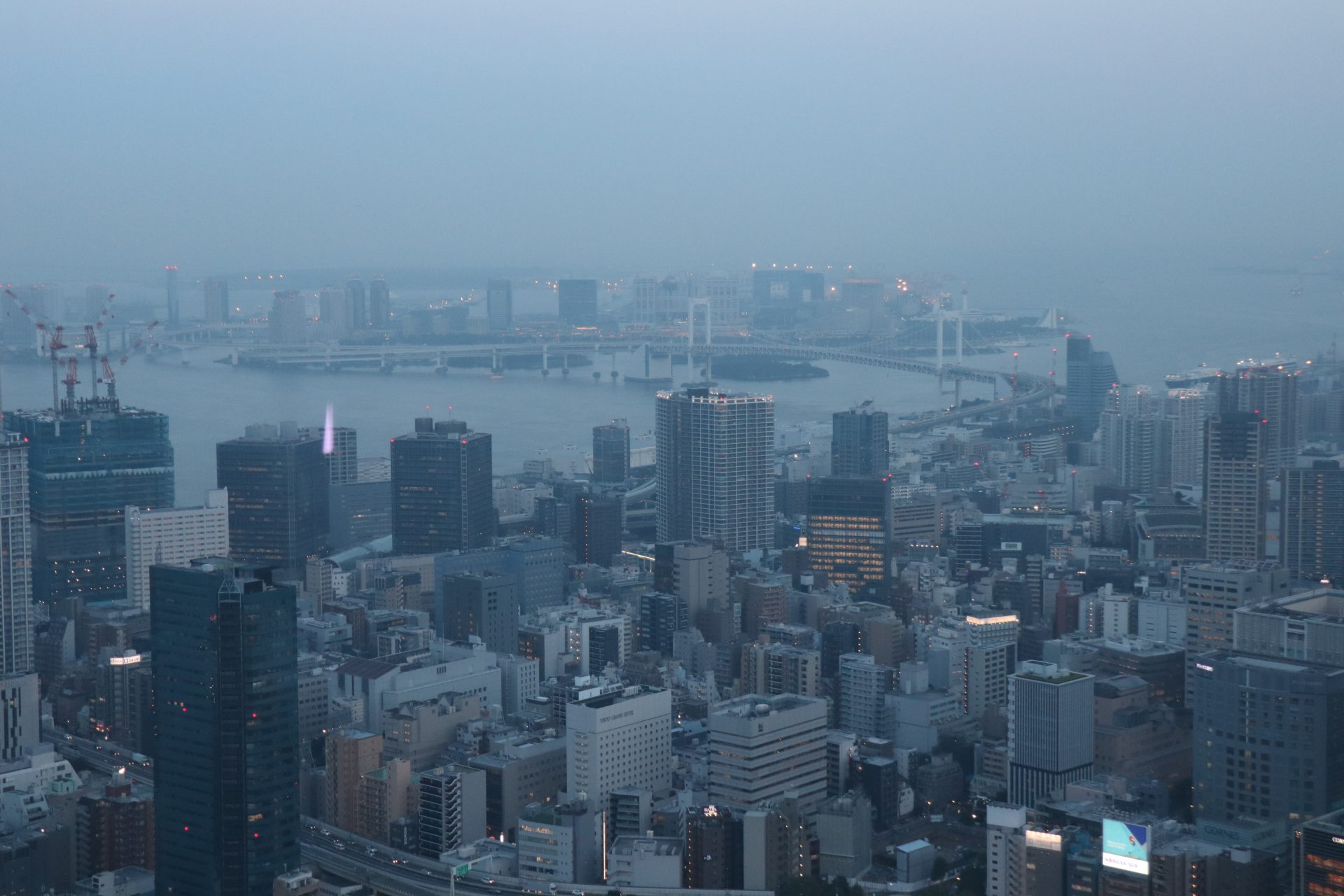
Tokyo, the capital of Japan, is located on Honshu, the country’s largest island. The Tokyo Metropolis is one of the most populous urban areas in the world. Although Japan is a fascinating country, I was hesitant about visiting Tokyo for various reasonsI usually have free time during the summer for long trips and this particular summer I had to choose between seaside beach paradises and walking around in a hectic metropolis where no one spoke English! The idea of being pushed into a train crammed full of passengers was quite scary for me. Moreover, Japan is a developed country, and the cost of living is quite high. Yet, no one can escape from their destiny, and on a hot summer day, I arrived in Osaka. I had already booked a taxi online to Kyoto, and after staying some days there, I took the super-fast Shinkansen bullet train to Tokyo. I didn’t regret it!
When to visit Tokyo
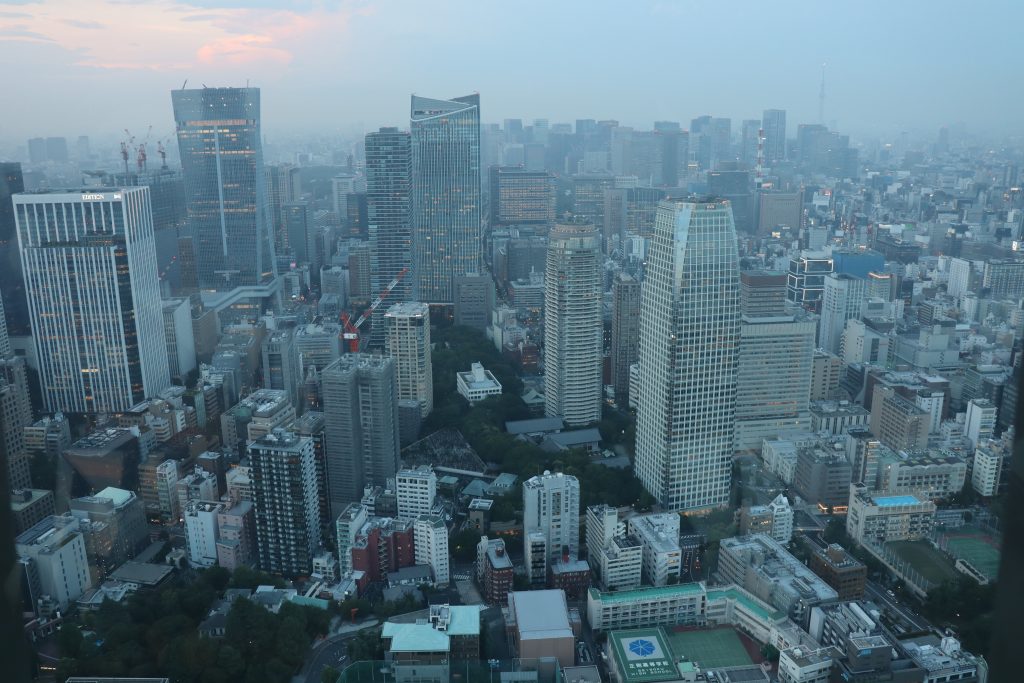
I visited Tokyo during the summer, and the weather was quite hot. However, I am not fond of cold climates, and the hot weather didn’t affect my stay in this magnificent city. Tokyo is an all-year-round destination, but the city’s famous cherry blossom season runs from the end of March to the beginning of April. Different varieties of cherry blossoms bloom at different times, but most of them decorate Tokyo during these months. For maximum security and comfort book your transfer from the airport in advance.
Where to stay in Tokyo
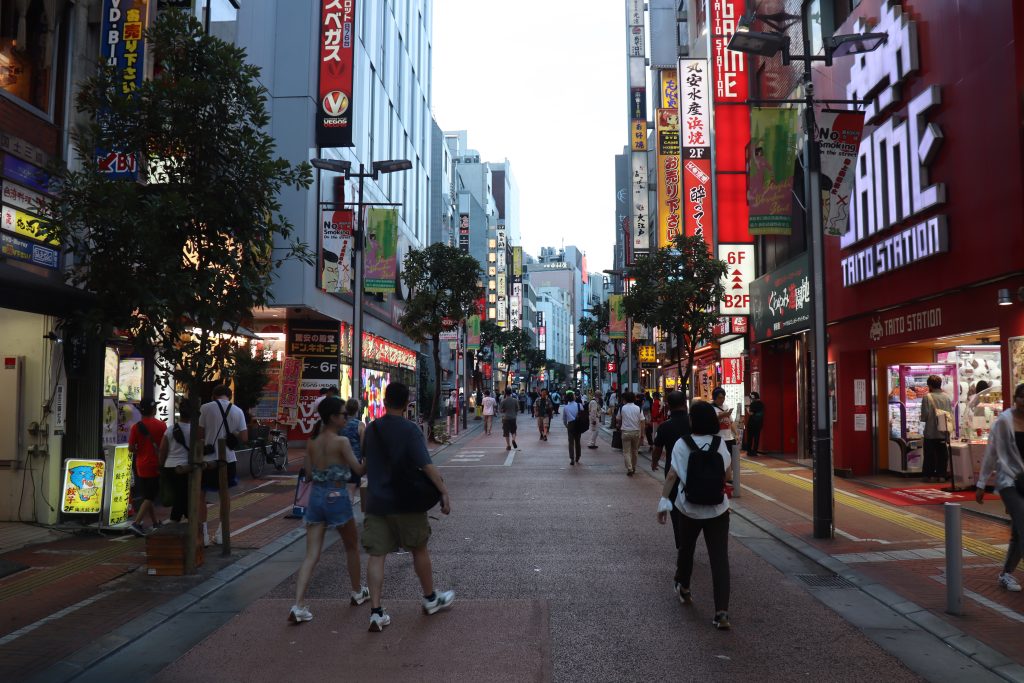
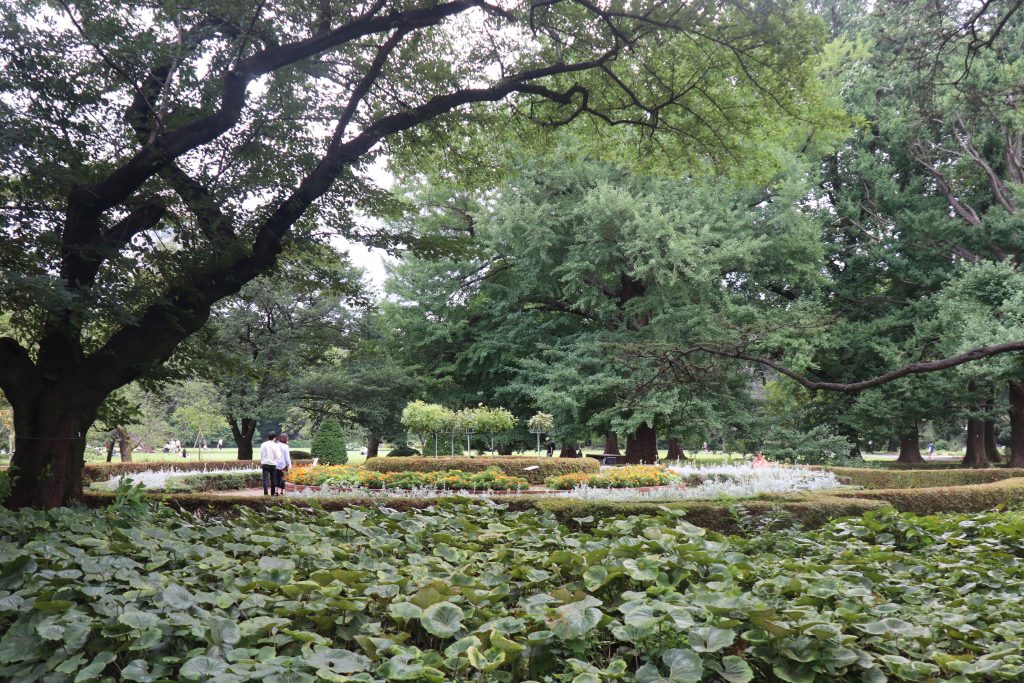
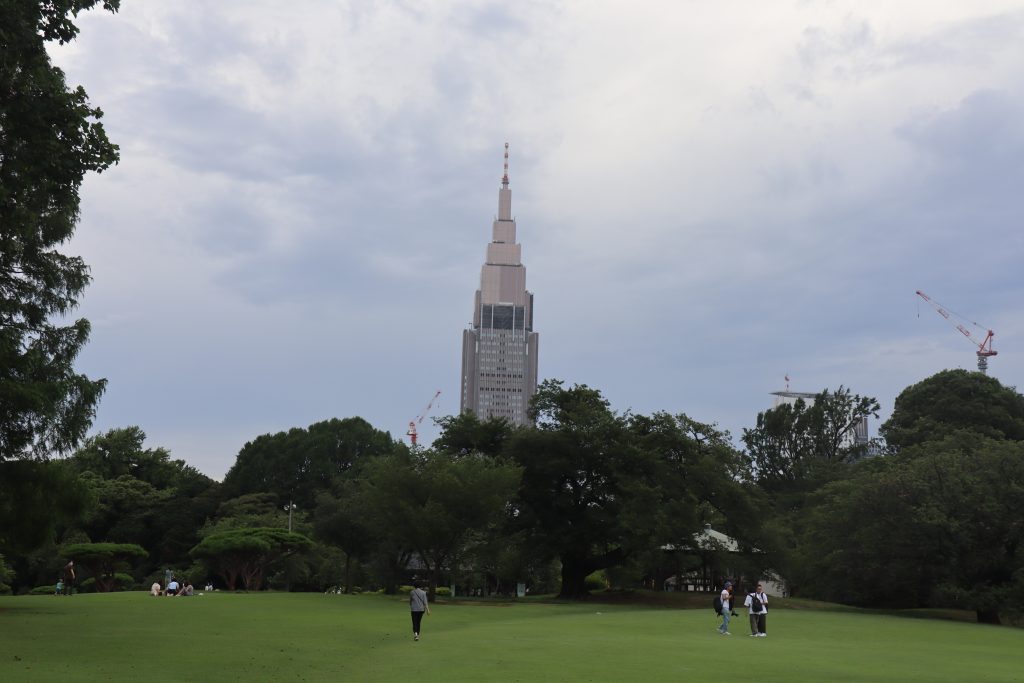
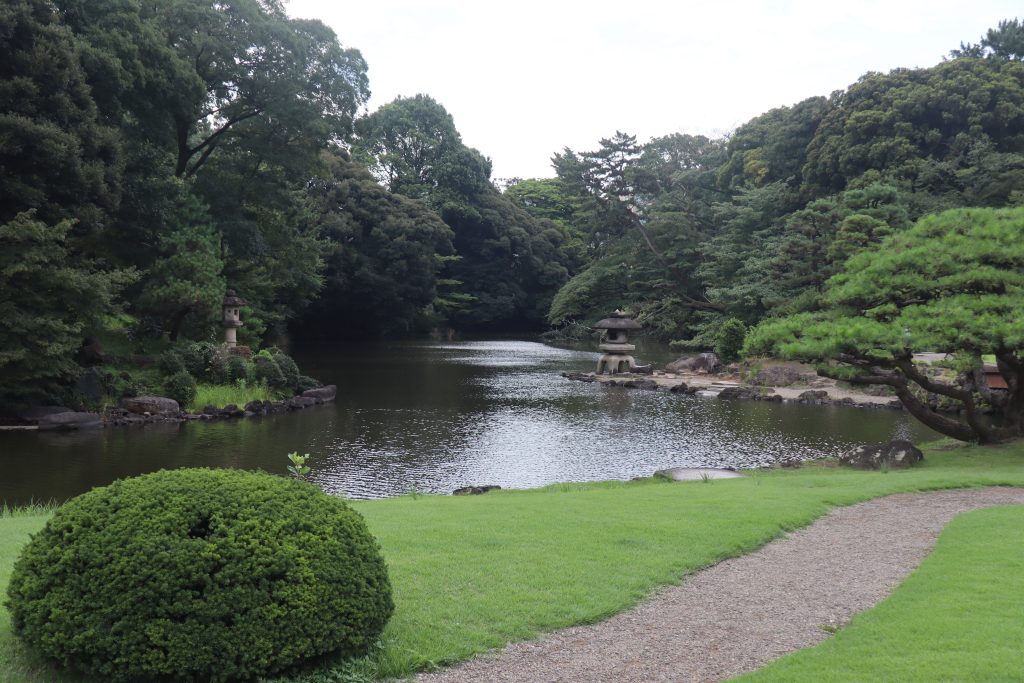
I stayed in Shinjuku, and I recommend that you do the same, as it will make things much simpler for you. Although it’s easy to get around by train and metro, I prefer to walk whenever possible. Hence, being close to some of the sights and convenient restaurants was very important to me. Located in Shinjuku is the Shinjuku Gyoen National Garden, a beautiful and serene place that I highly recommend you visit.
What to see in Tokyo
1) Sensoji Temple
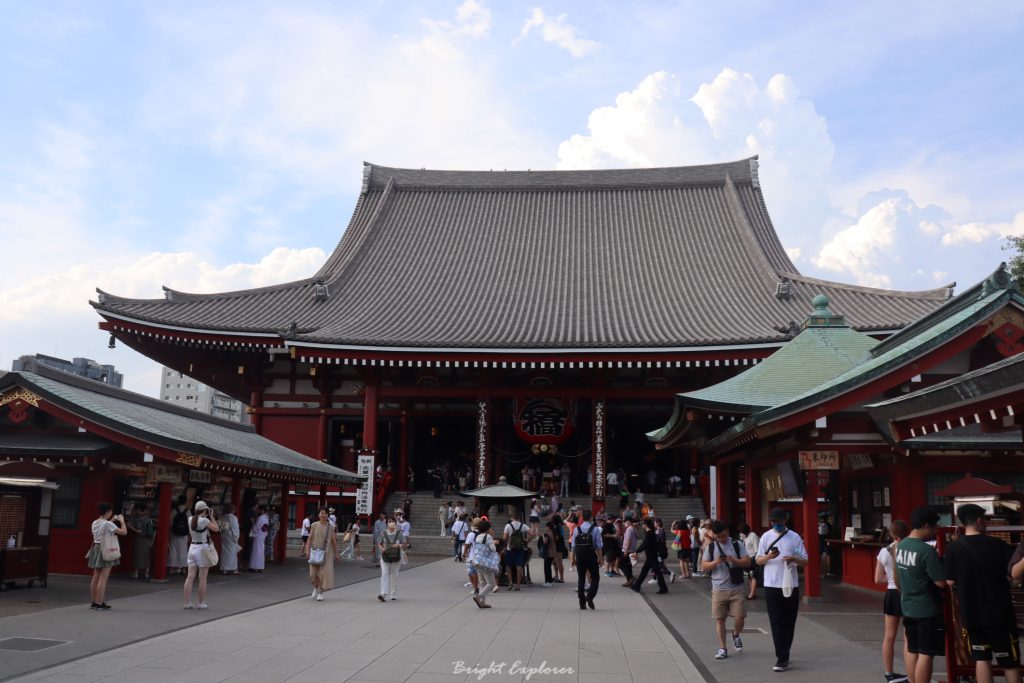
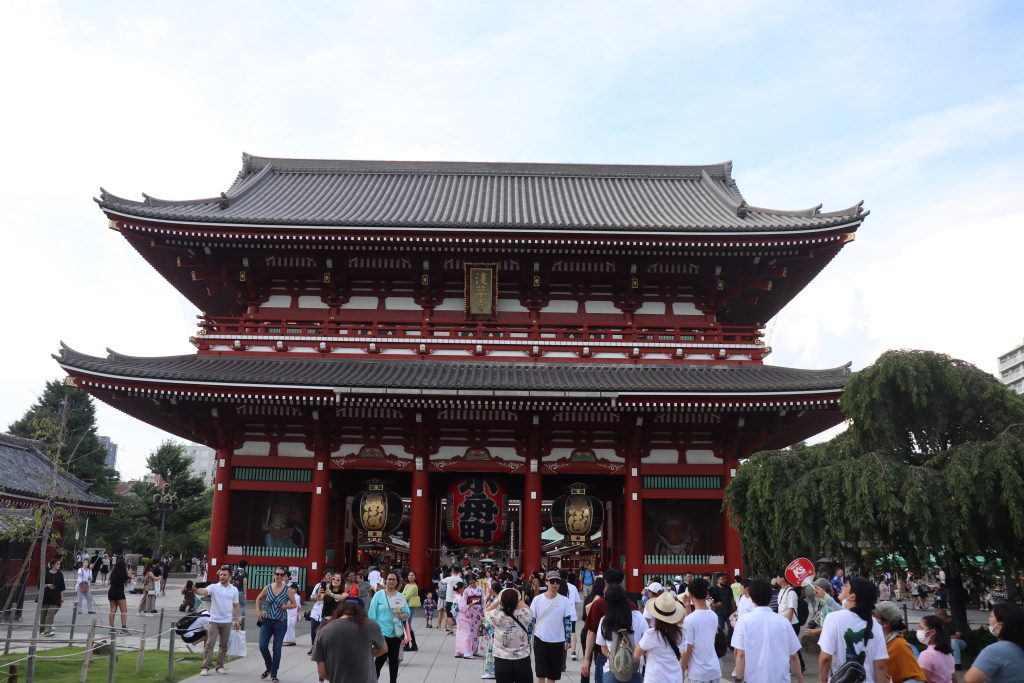
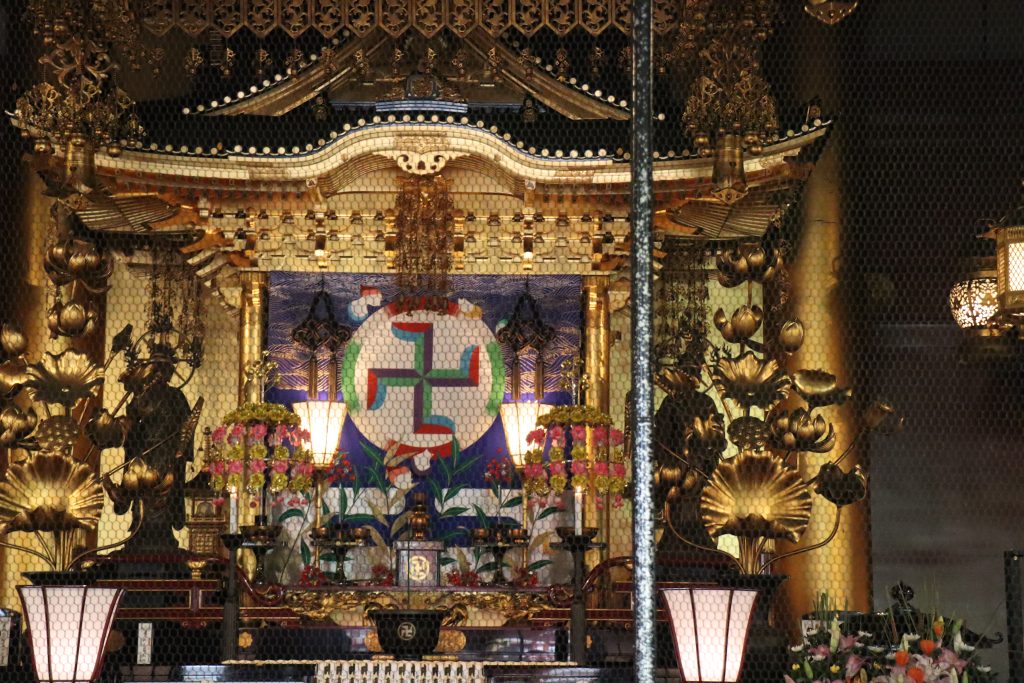
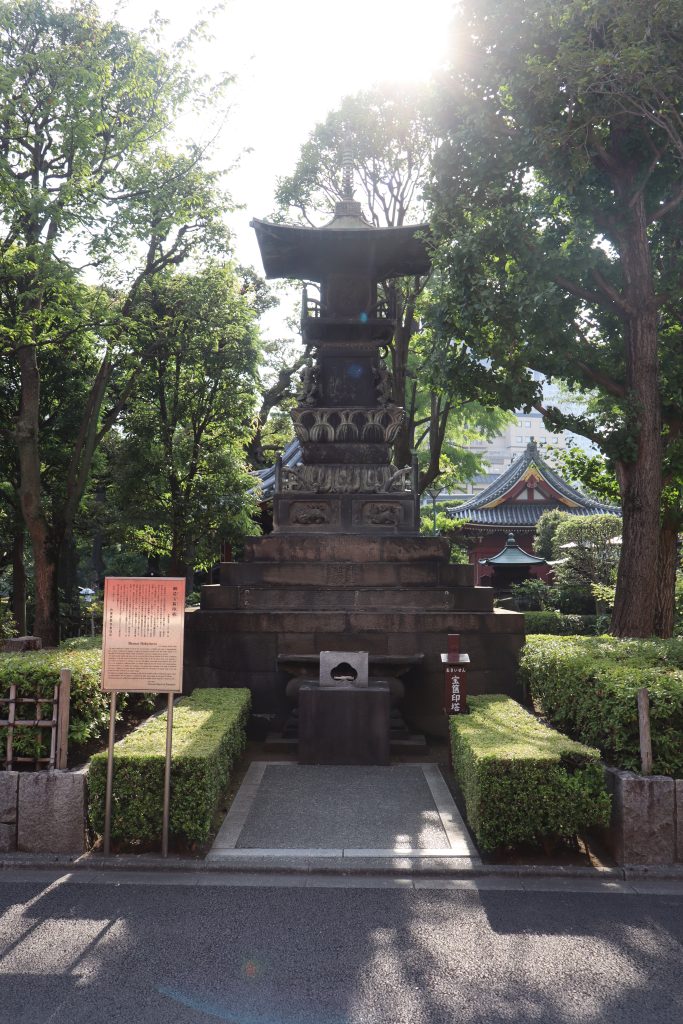
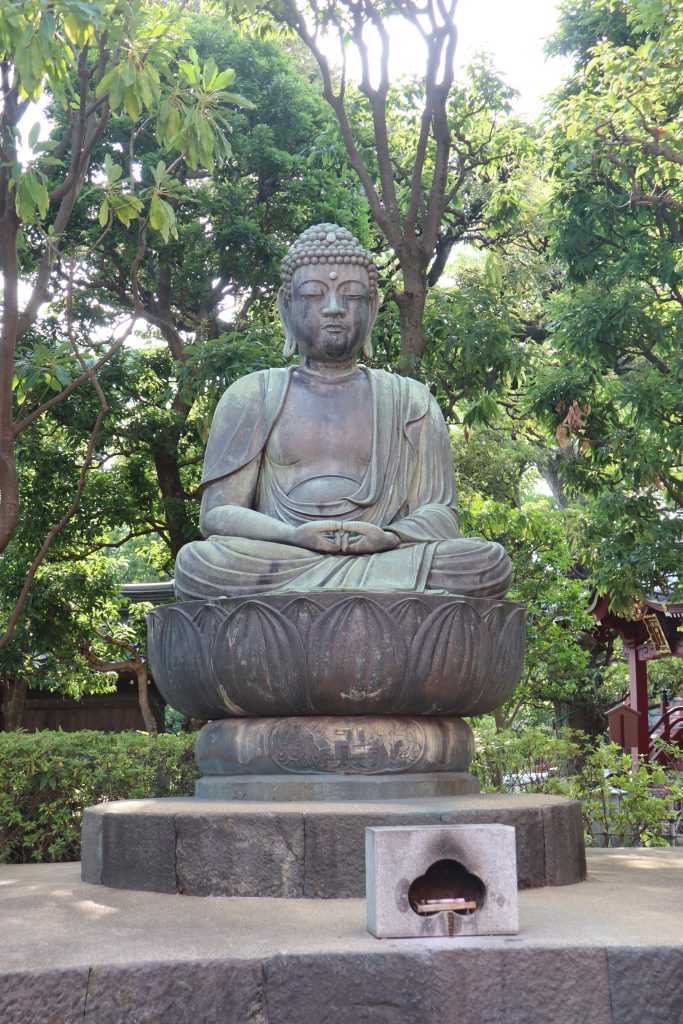
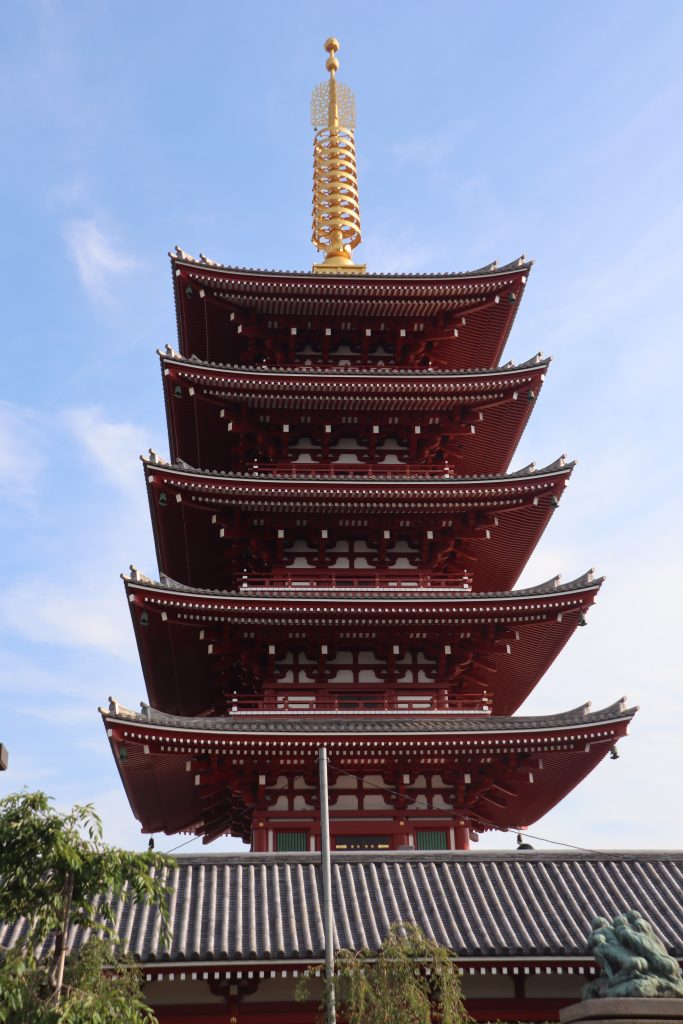
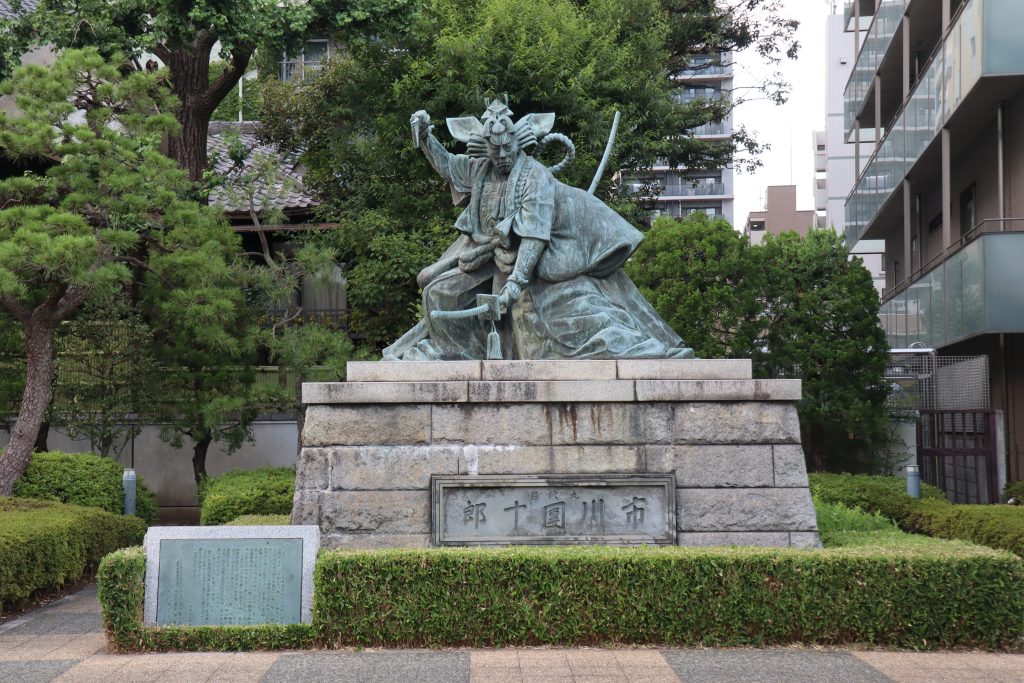
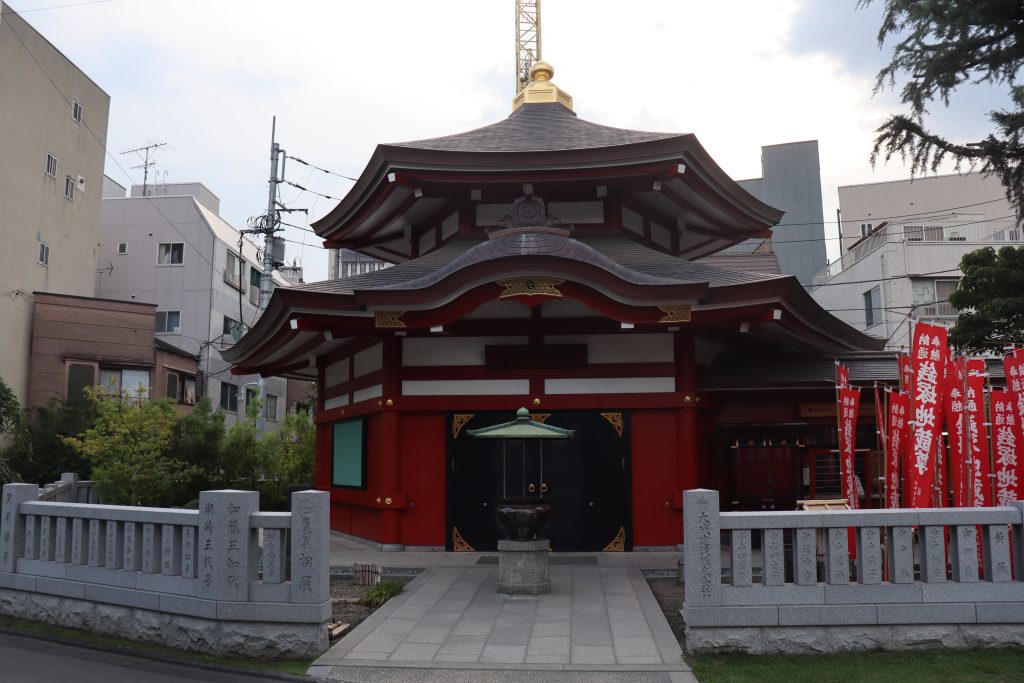
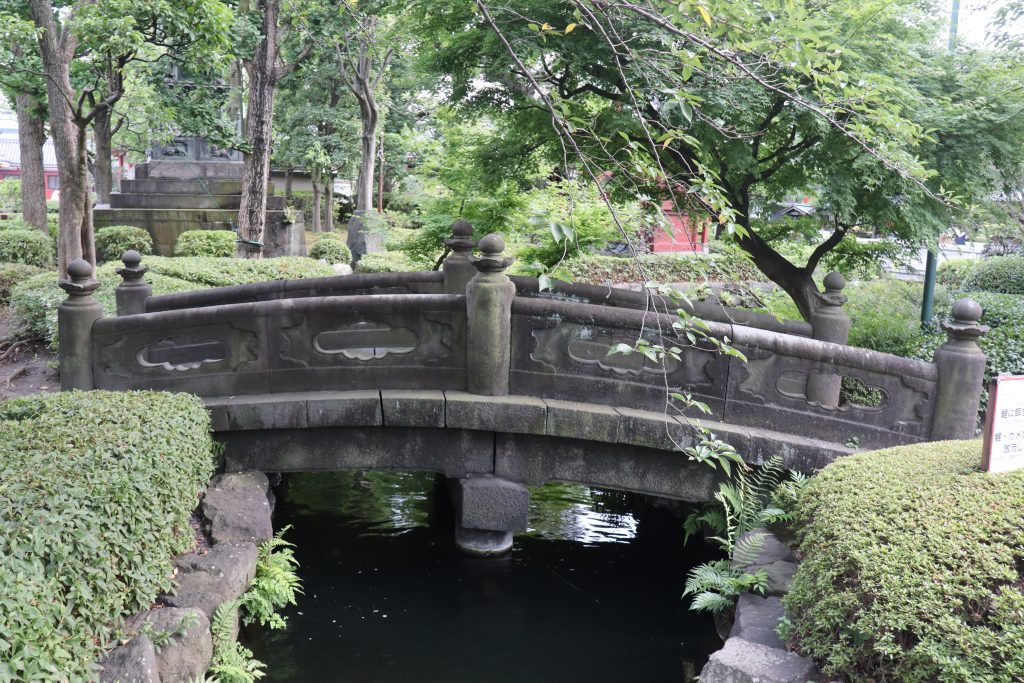
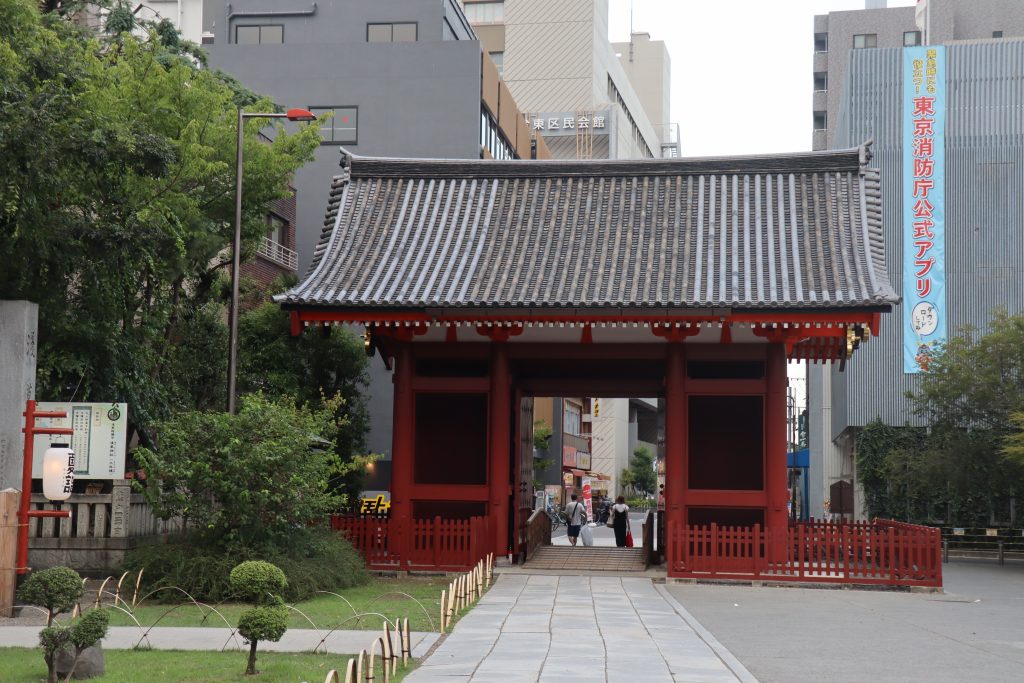
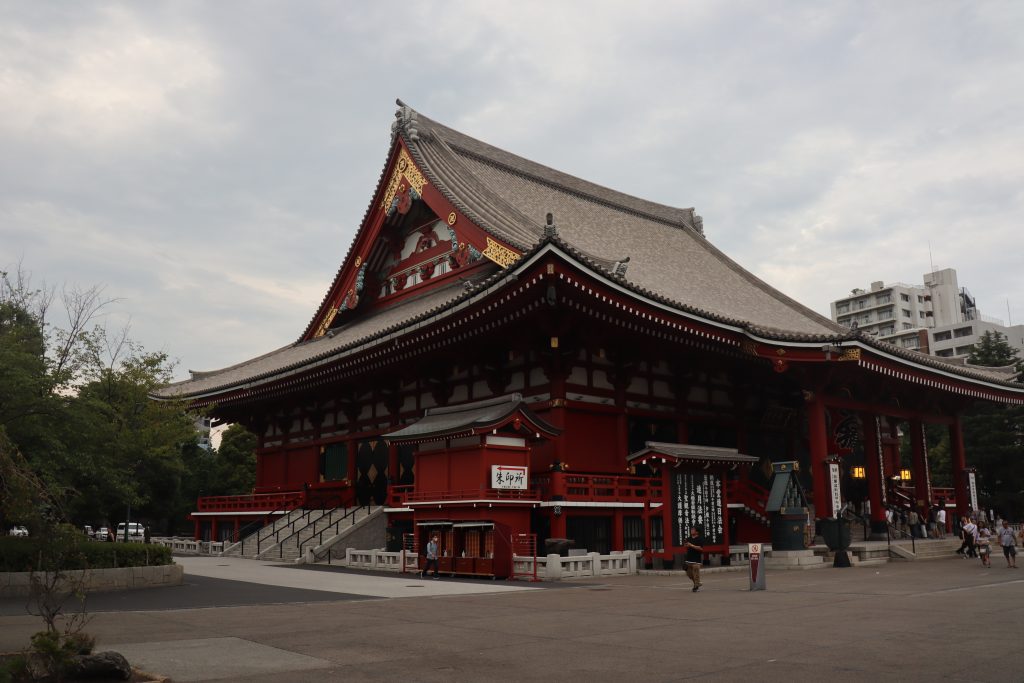
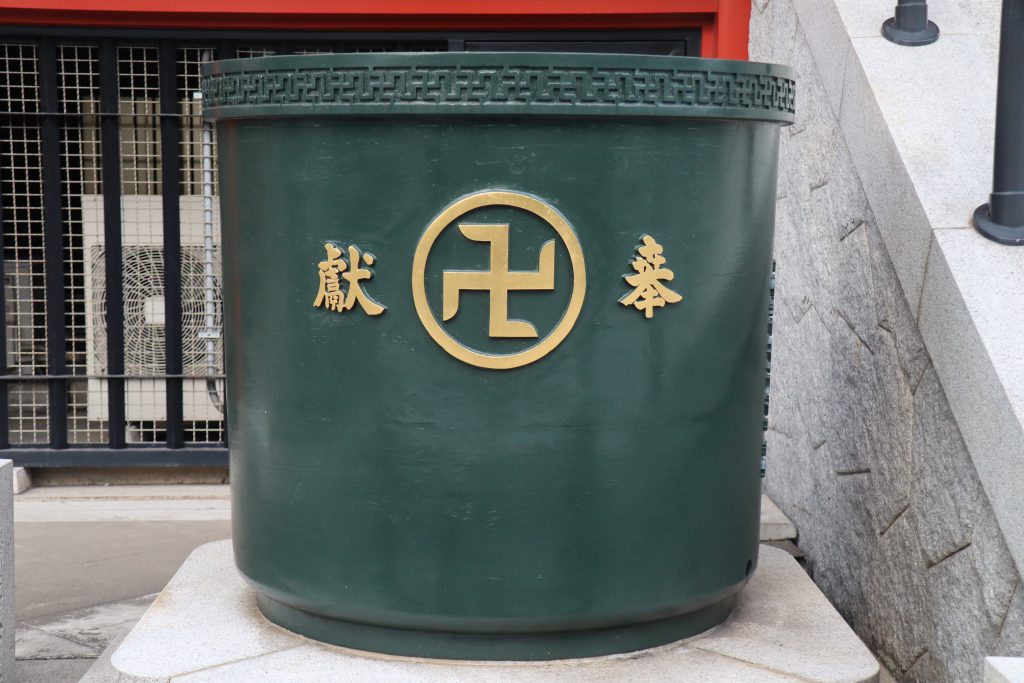
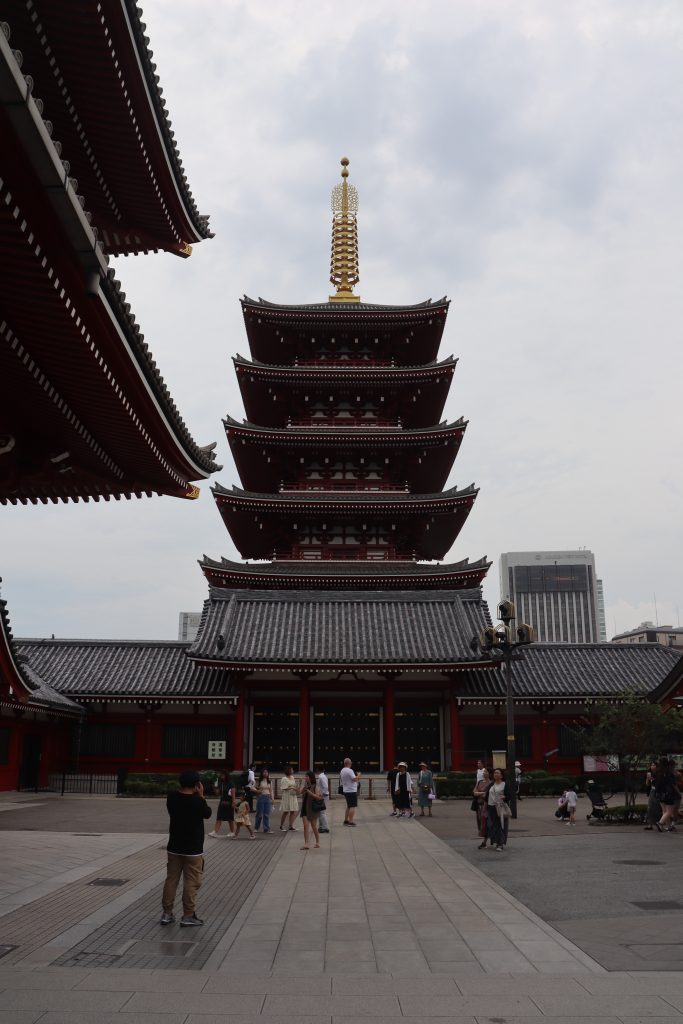
Sensoji, Tokyo’s oldest temple, is an ancient Buddhist temple located in Asakusa, Tokyo. The first temple was founded in 645 AD and has a rich history. It is dedicated to Kannon, the bodhisattva of compassion. It is visited by a large number of people and seems always busy. Many women wearing the traditional kimono visit the place in order to have their photos taken. Take your time there, wander around the site, and admire it from every angle. The Skytree is also visible from there.
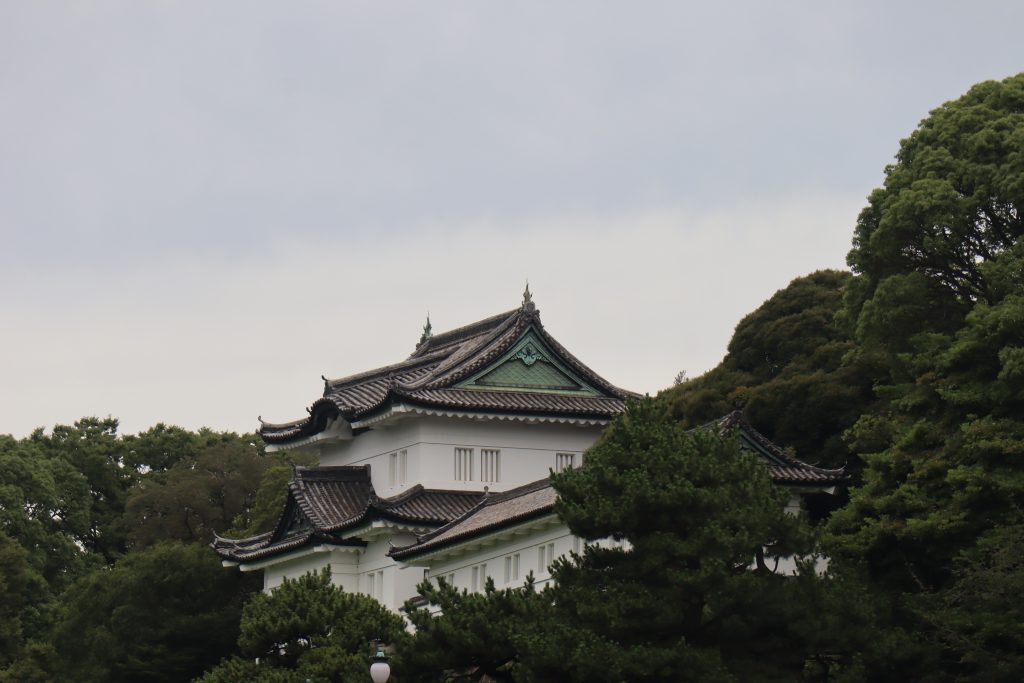
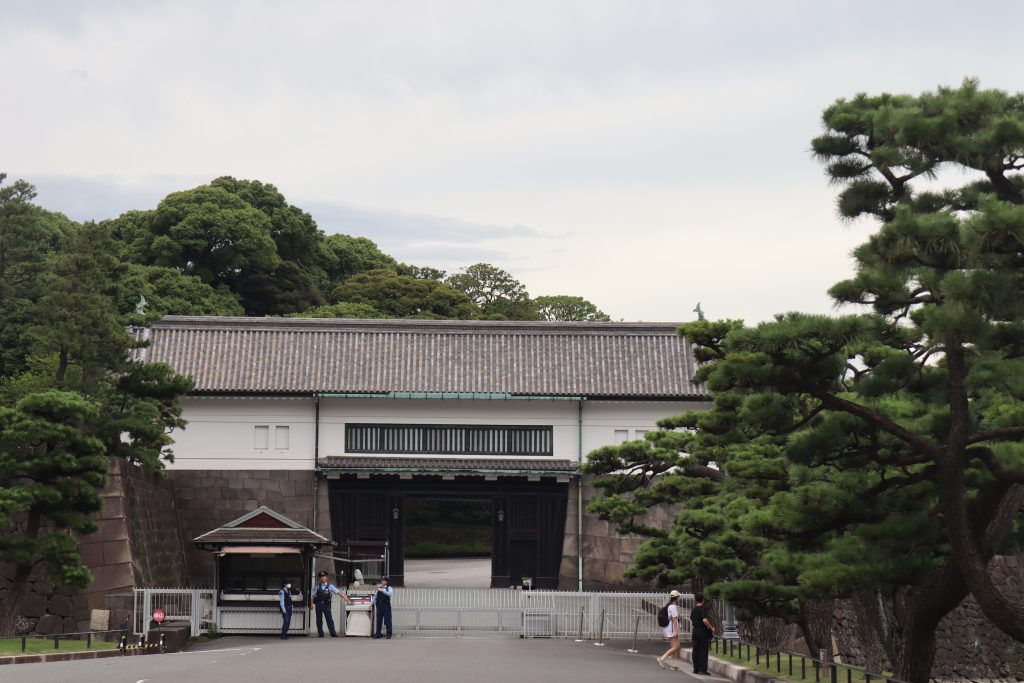
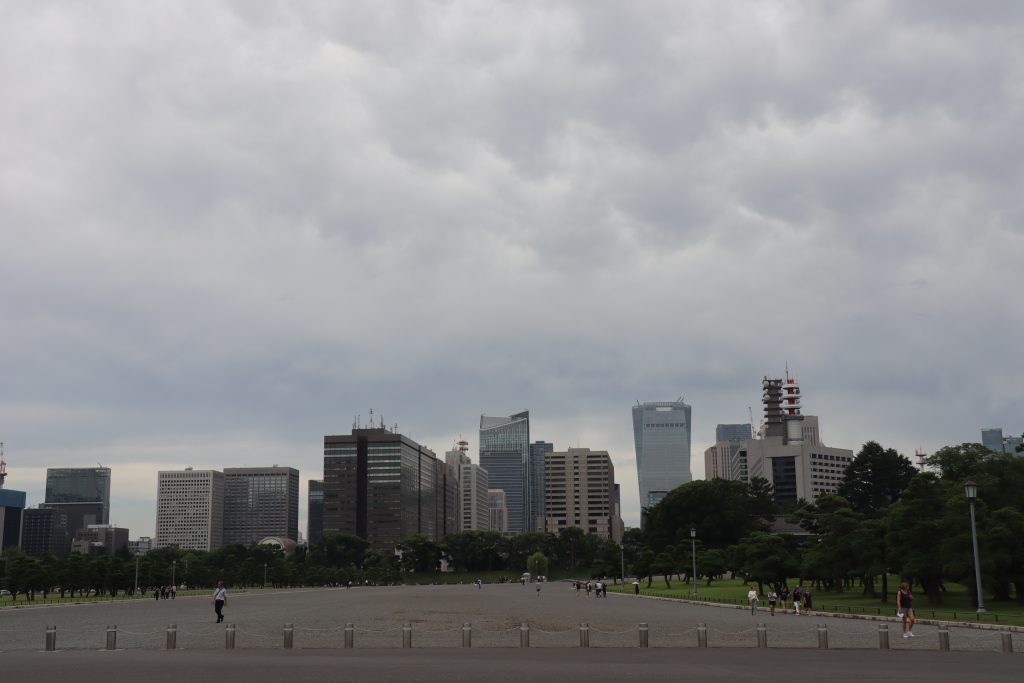
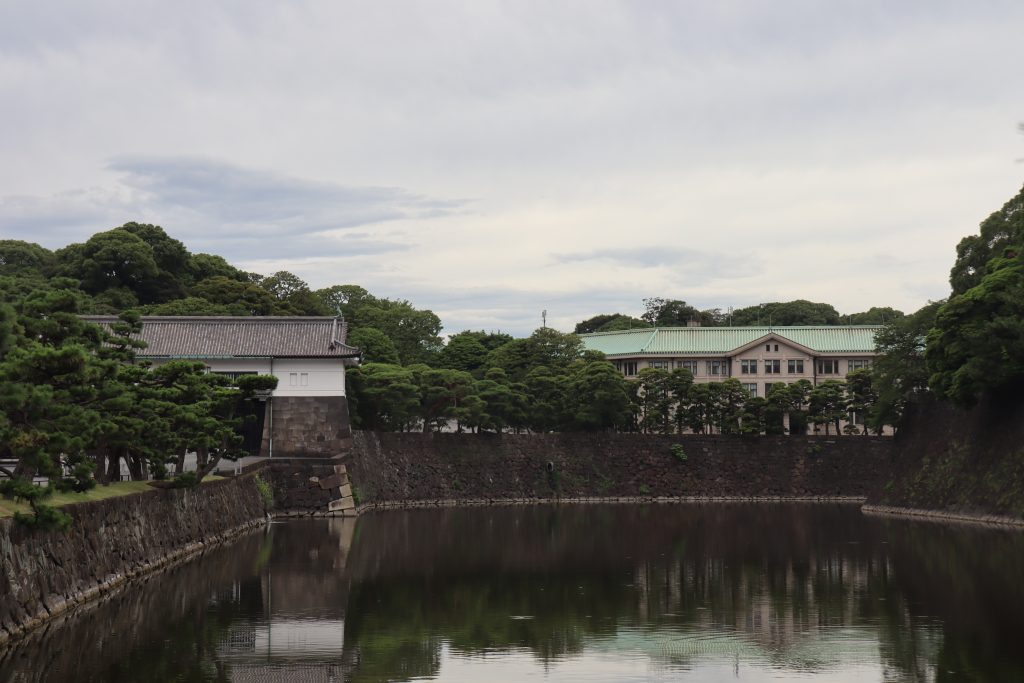
2) Tokyo Imperial Palace
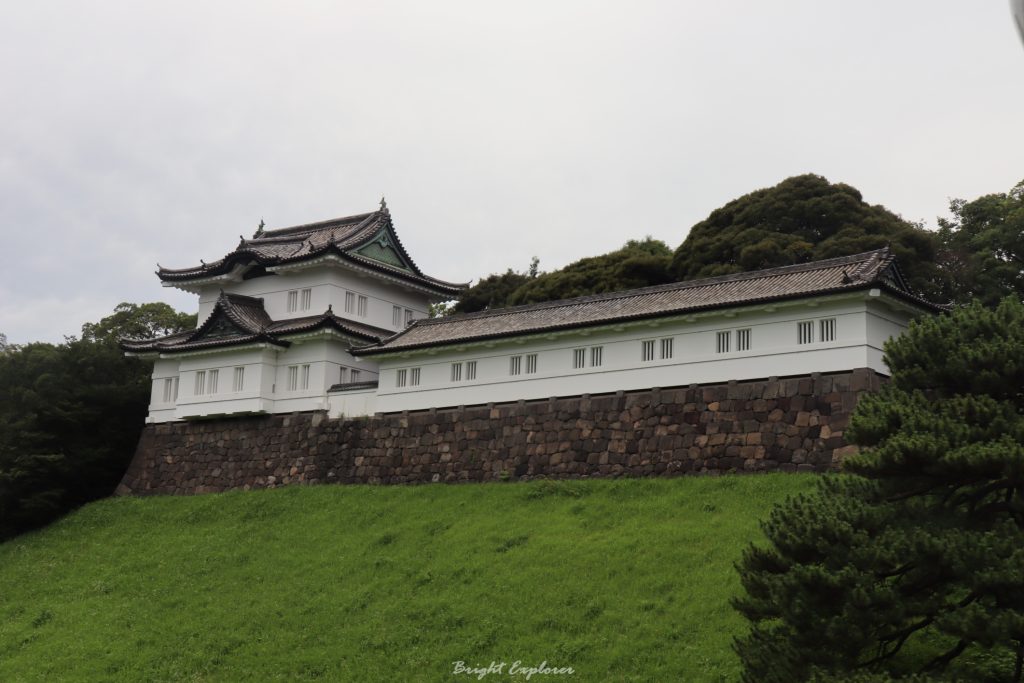
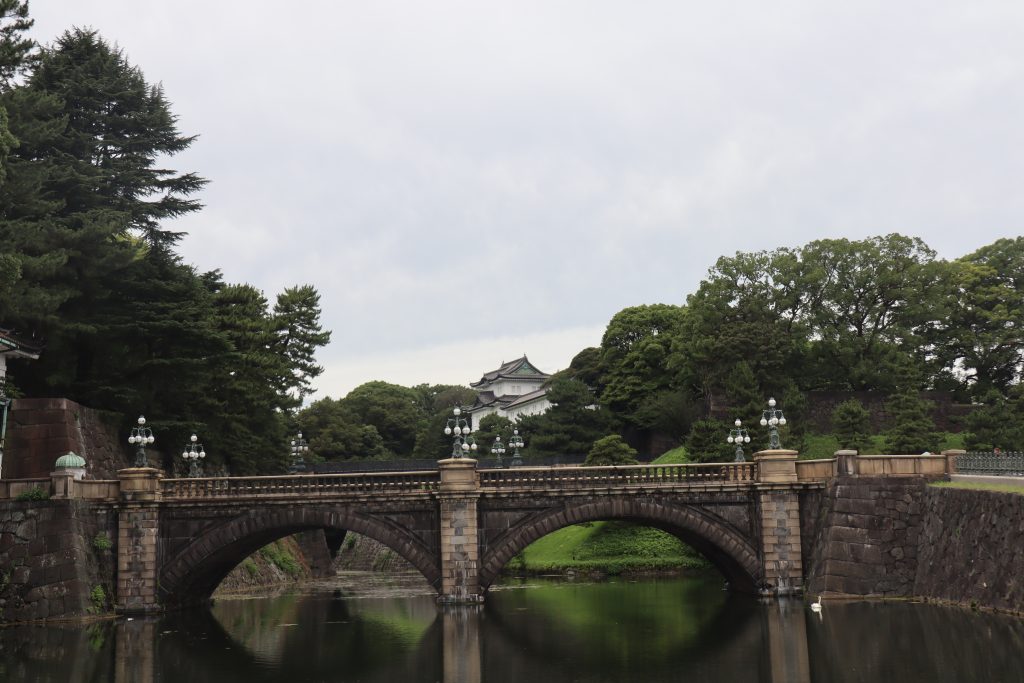
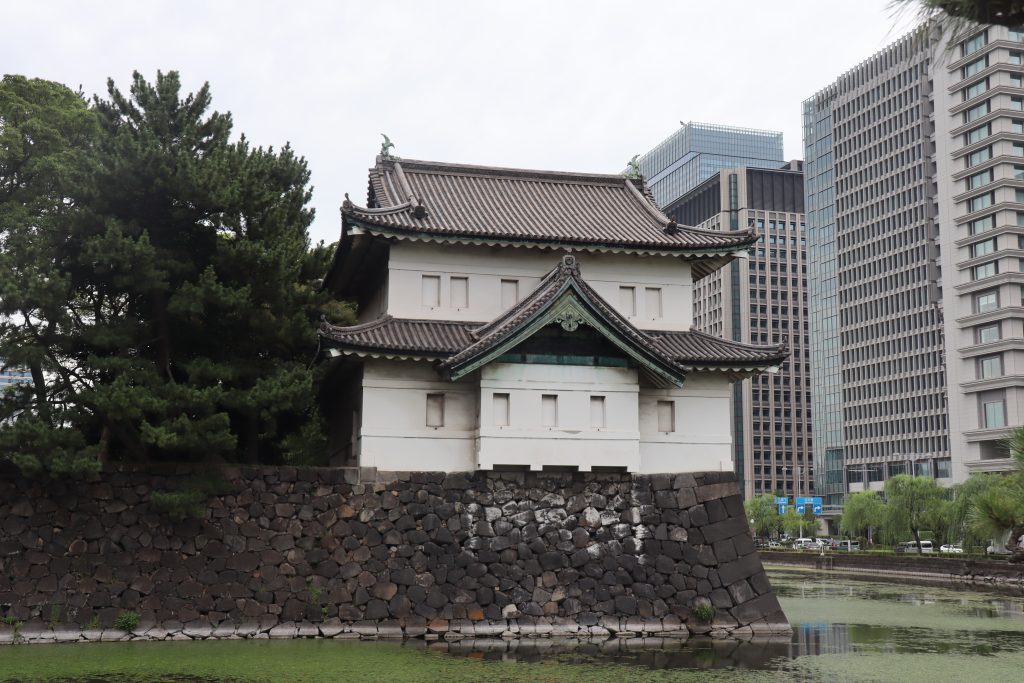
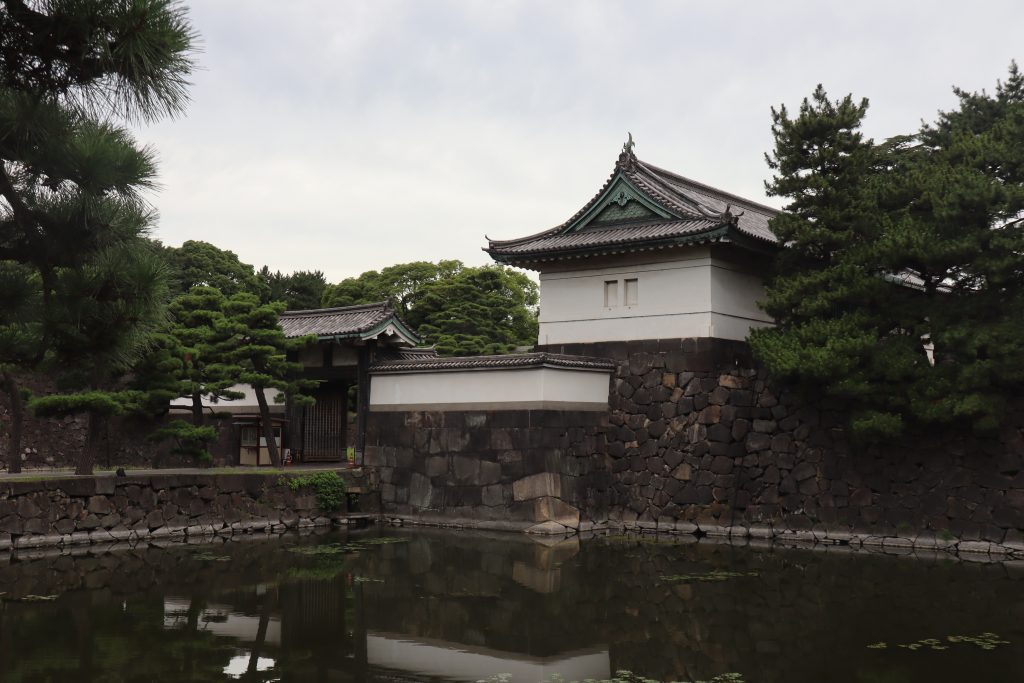
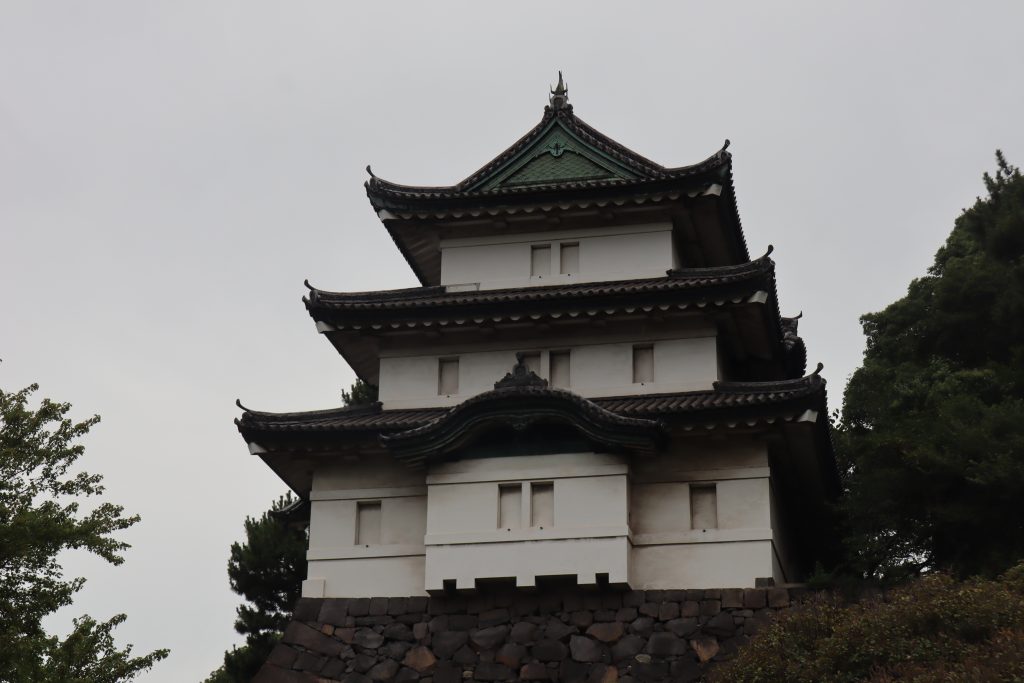
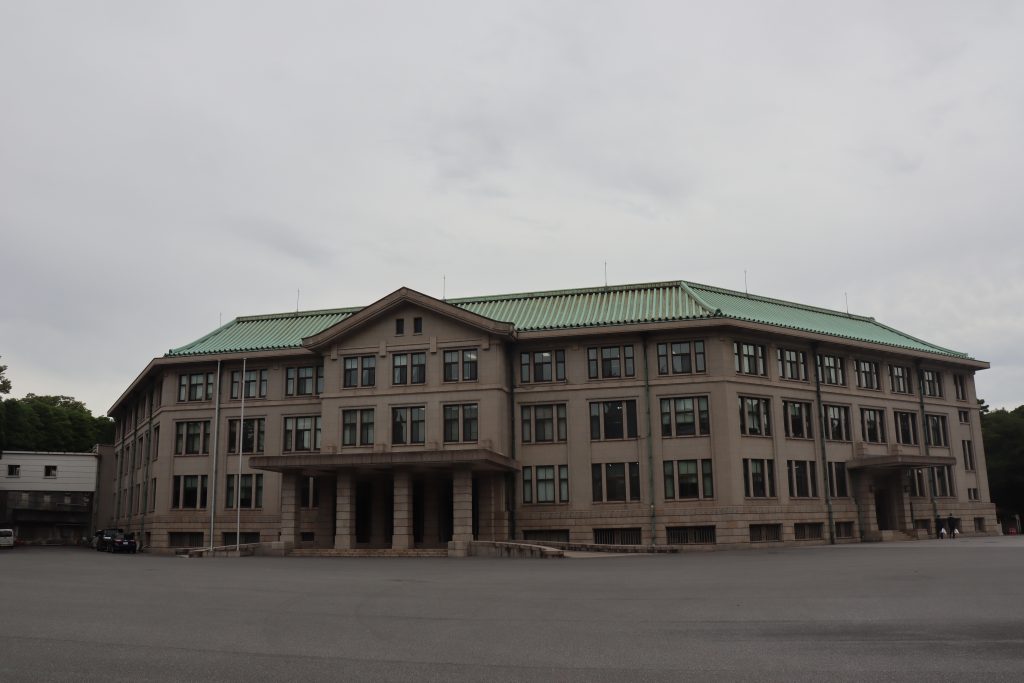
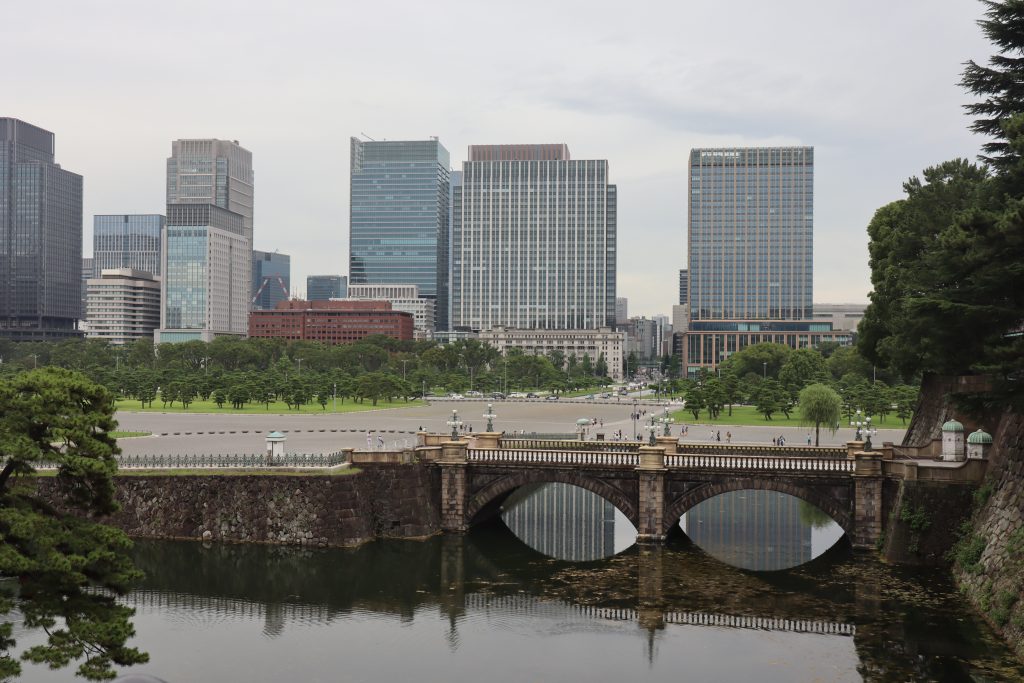
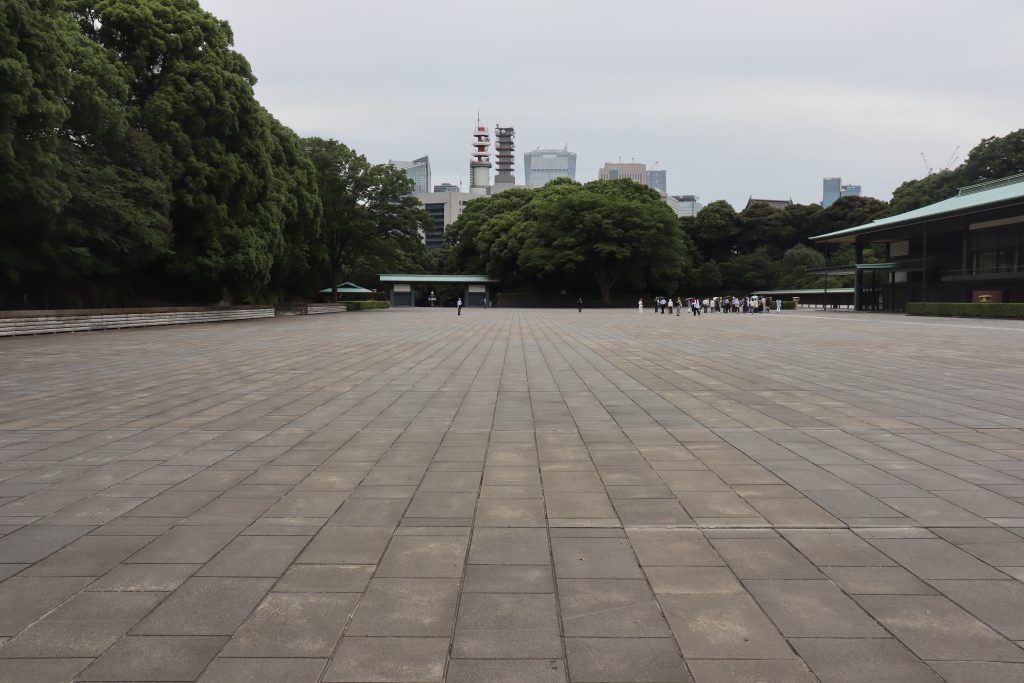
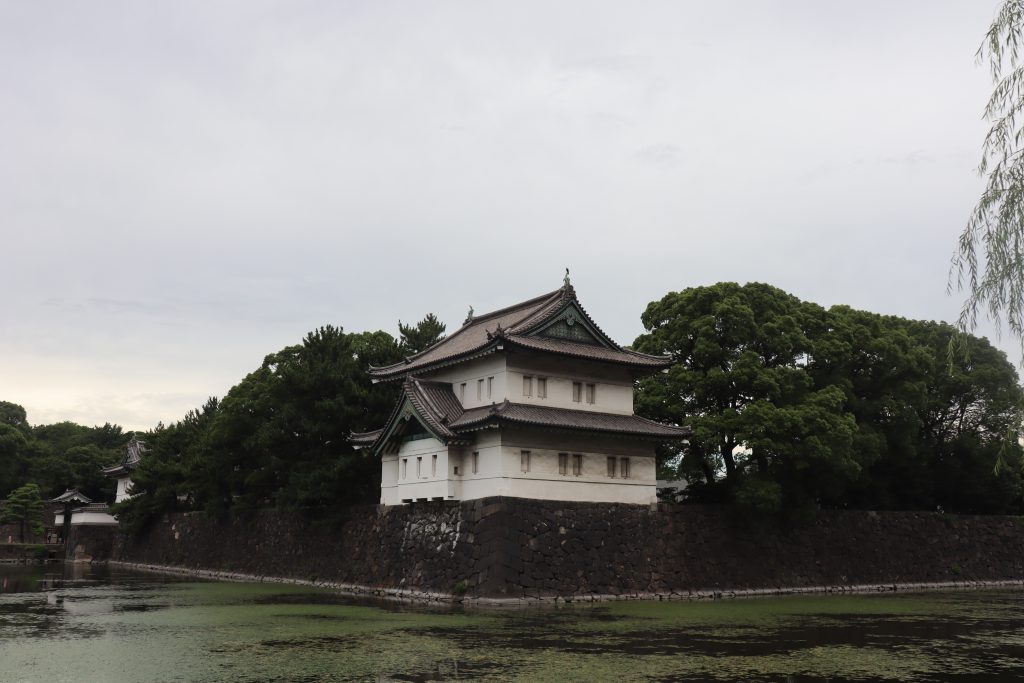
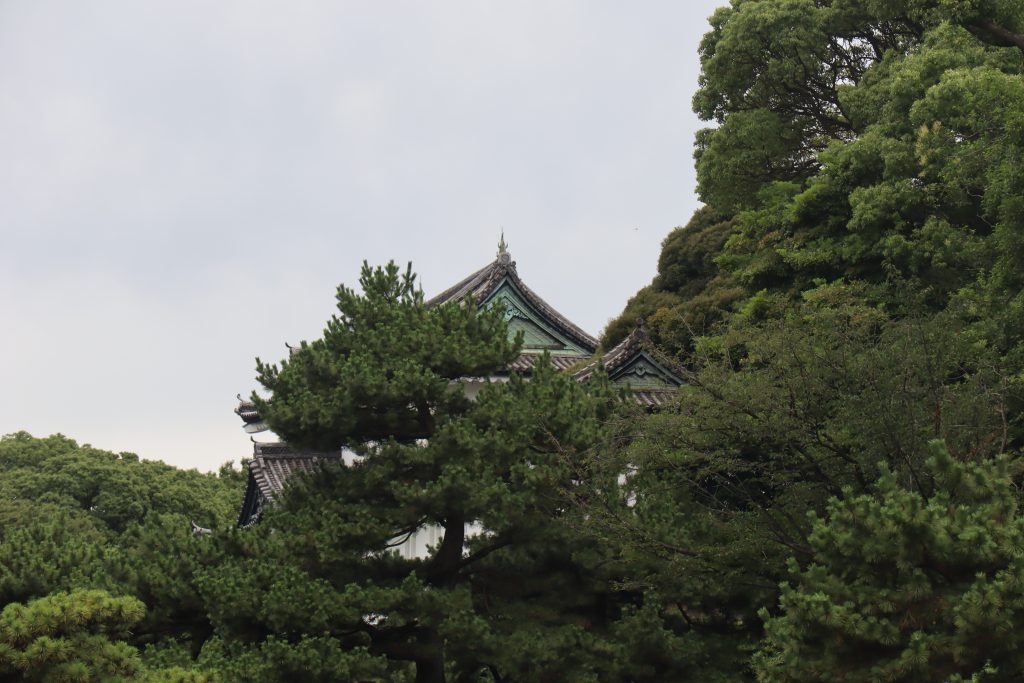
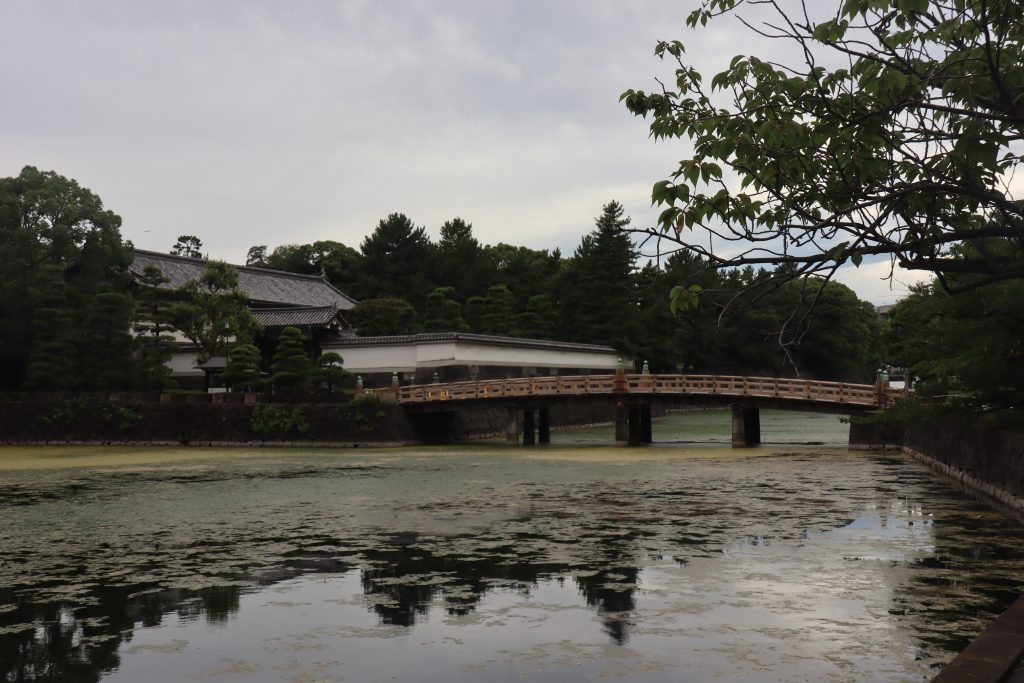
The Imperial Palace is the main residence of the Emperor of Japan. It is a vast area which comprises a lot of parks and historical buildings. Some of the gardens are open to the public and they are truly magnificent. I had read on the internet that someone should book in advance in order to visit the place. I didn’t book anything, but I had no trouble joining a tour led by a Japanese guide and exploring the area.
3) Meiji Shrine
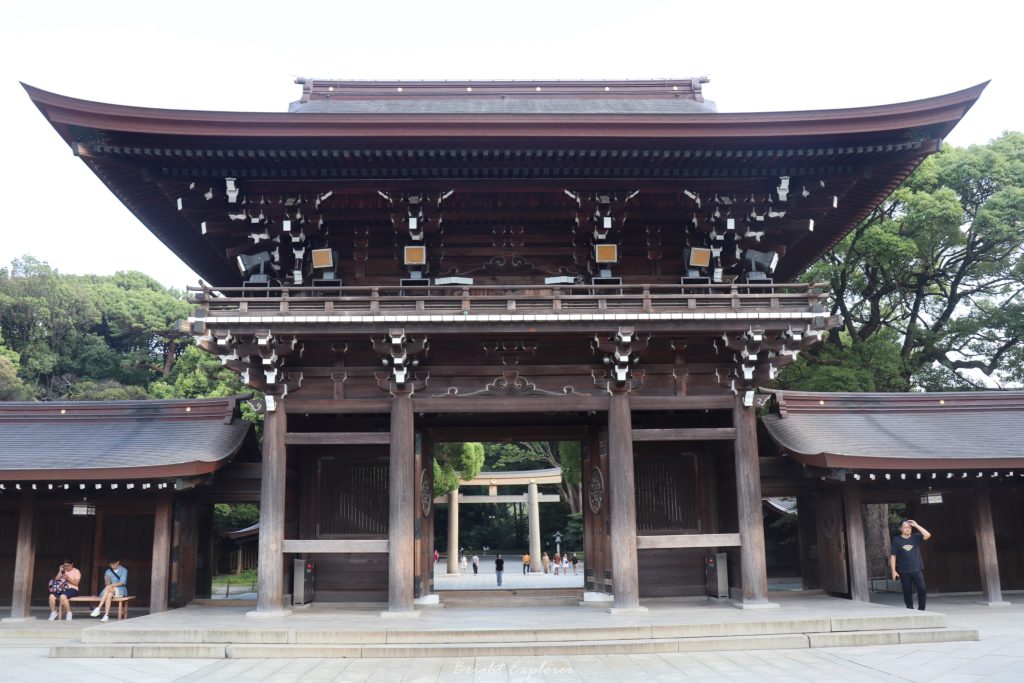
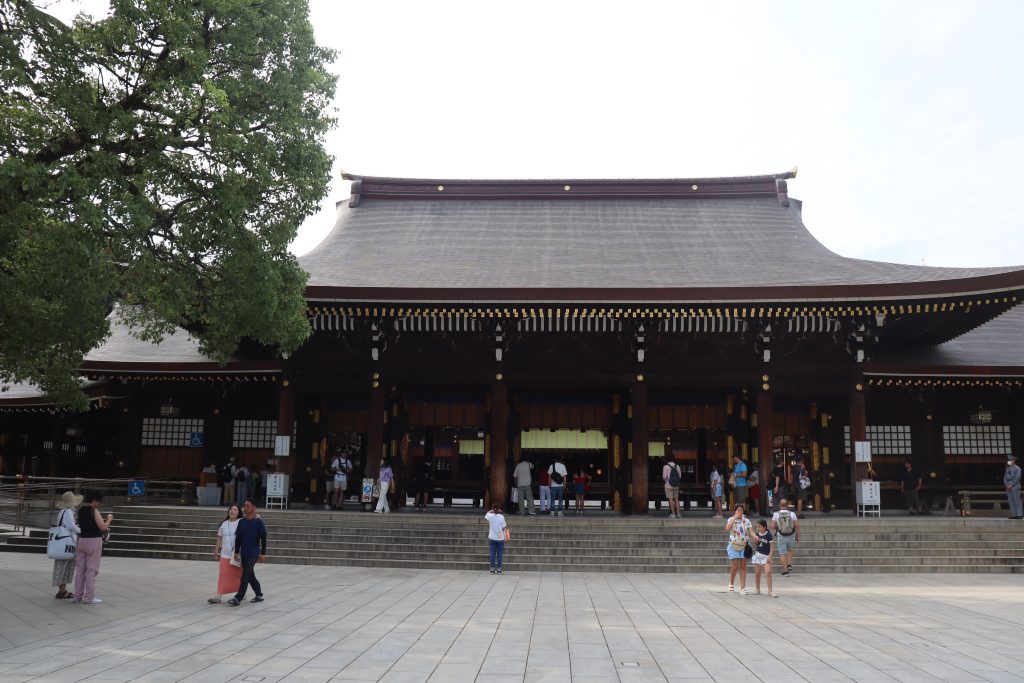
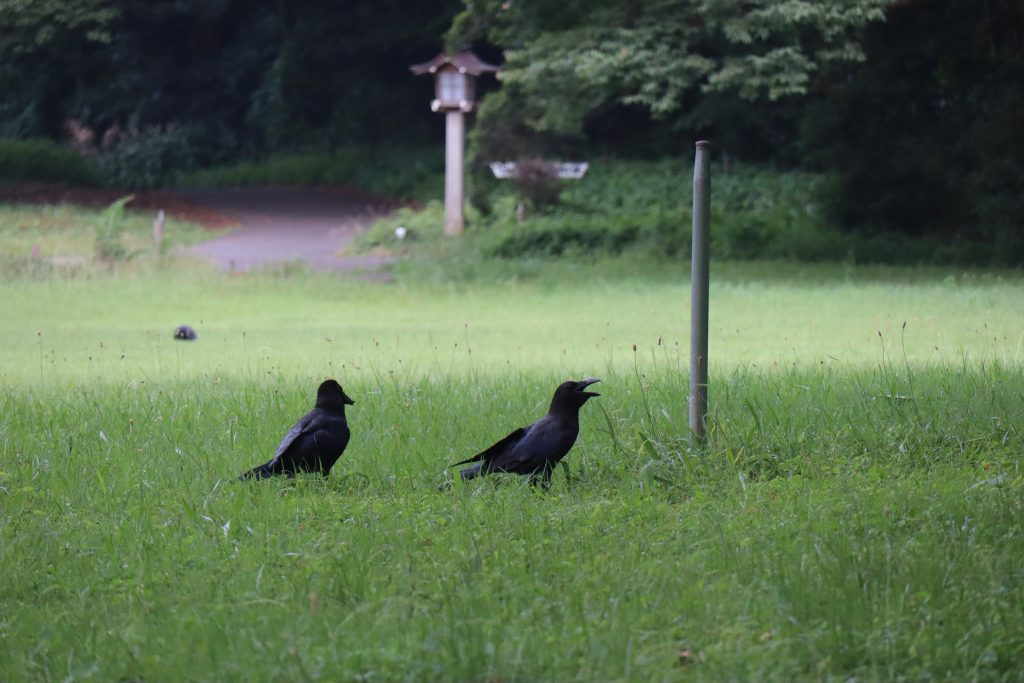
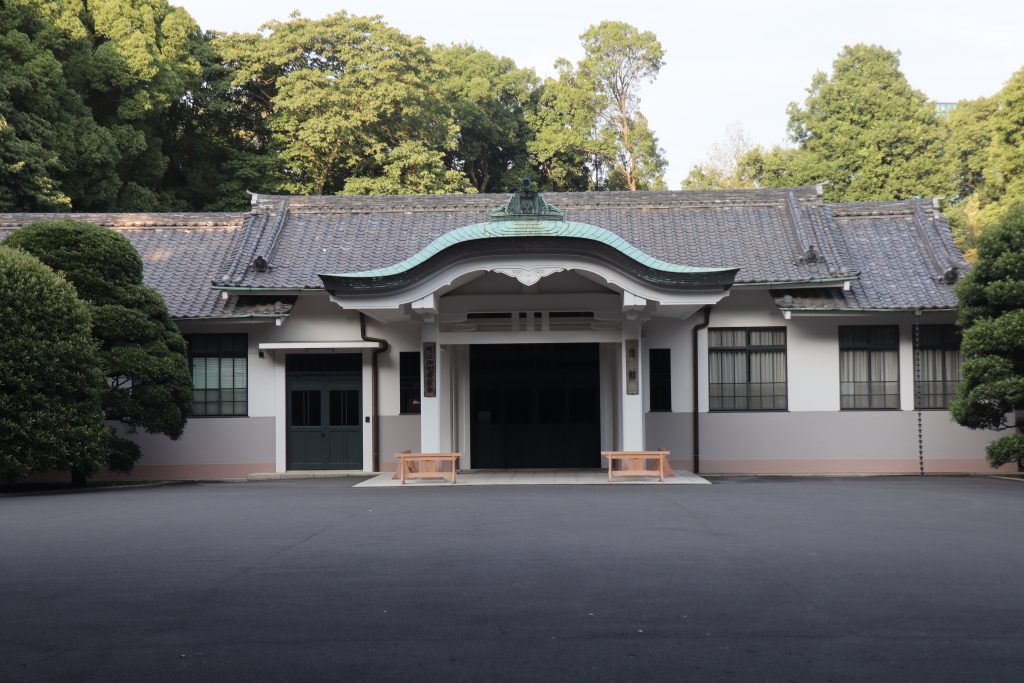
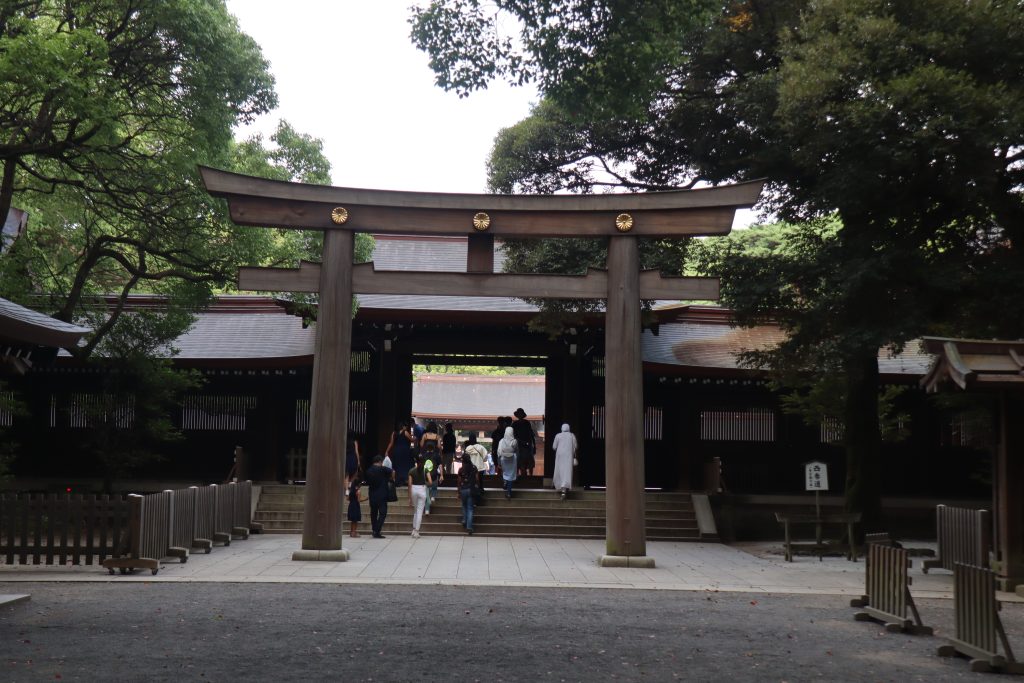
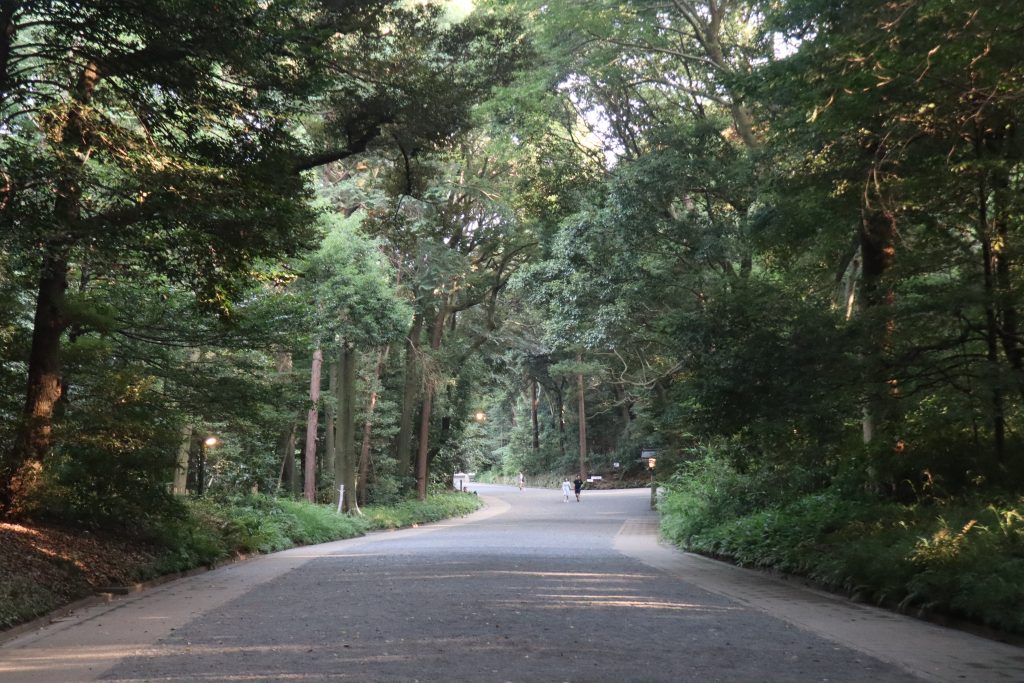
Meiji Shrine is a significant Shinto shrine in Tokyo. It lies in a peaceful and serene forest in the heart of Shibuya and is dedicated to the spirits of Emperor Meiji and his wife. Indeed, the person who restored imperial rule in Japan is entitled to his own shrine! Don’t be in a hurry there, stroll around and enjoy the chance to be in a quiet sanctuary in this huge metropolis.
4) Tokyo National Museum
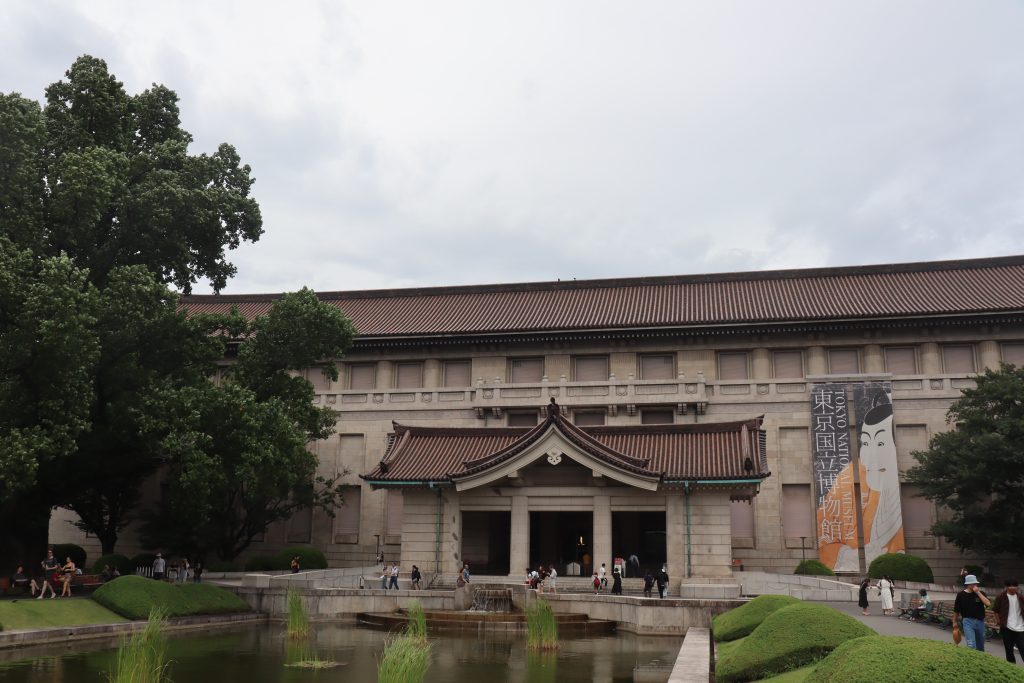
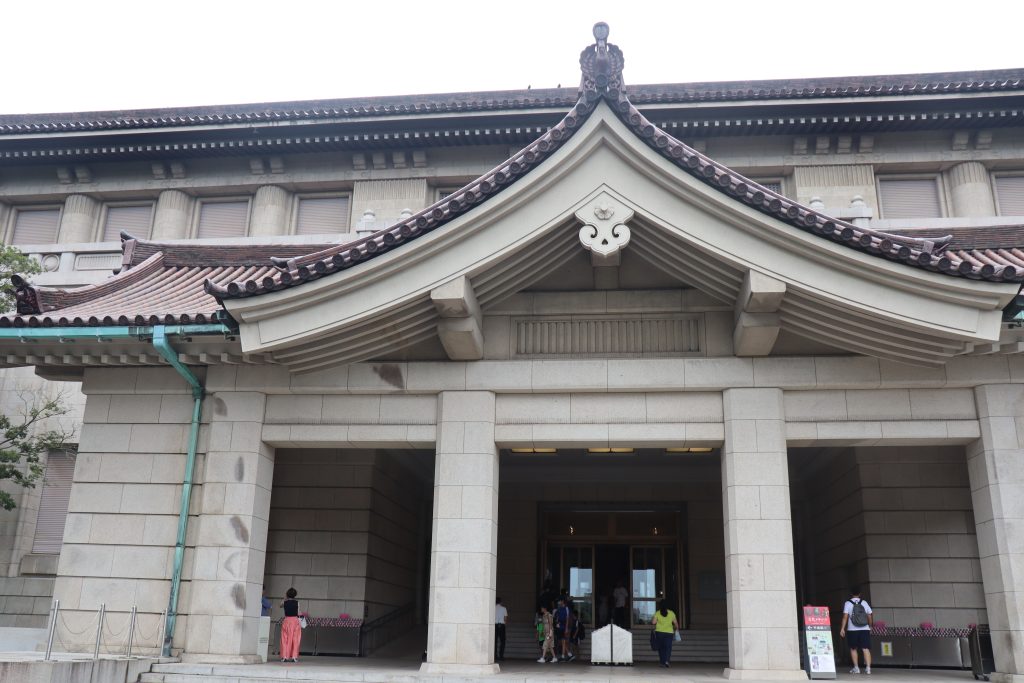
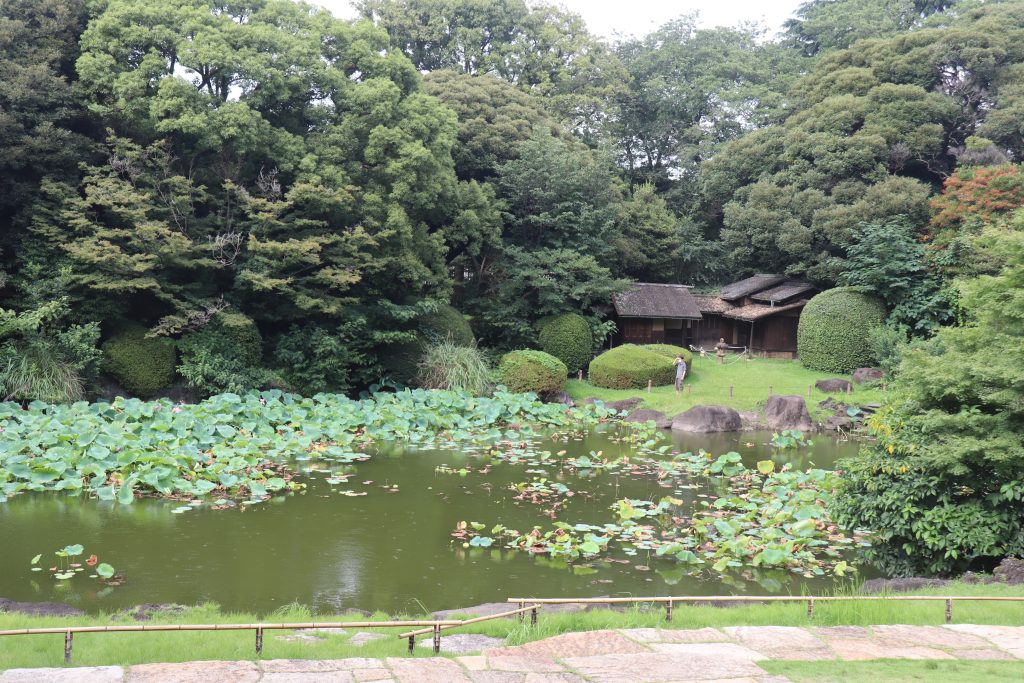
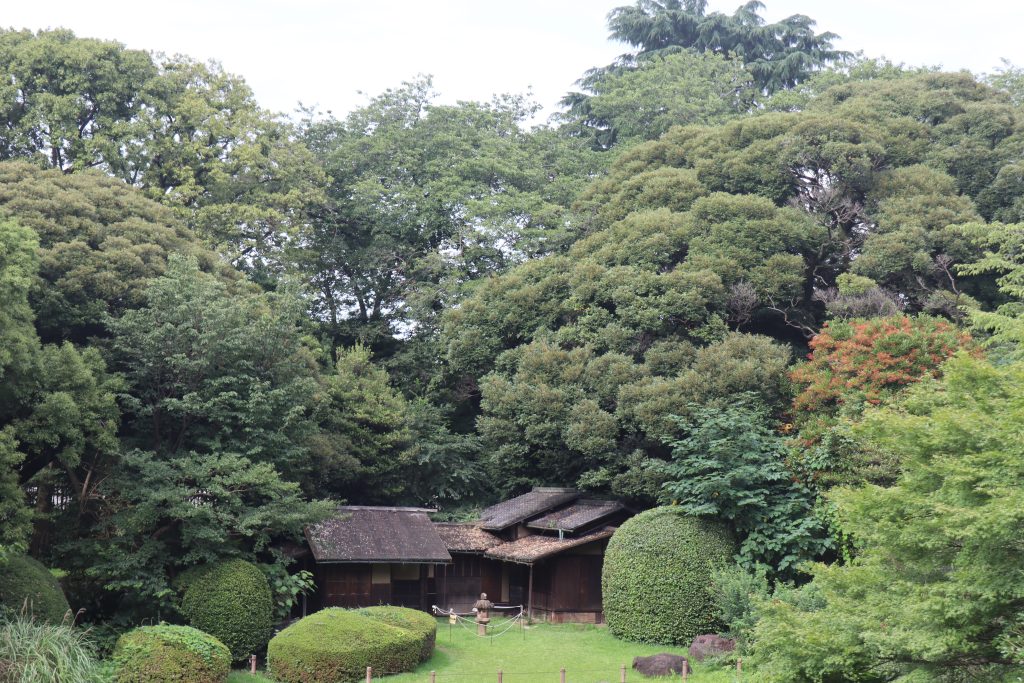
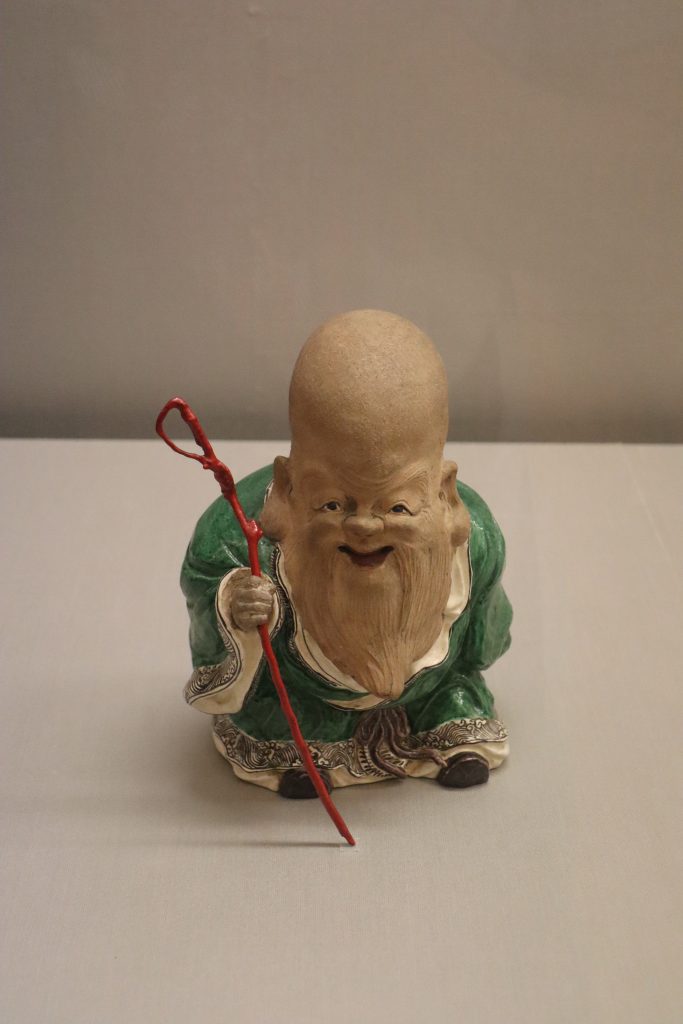
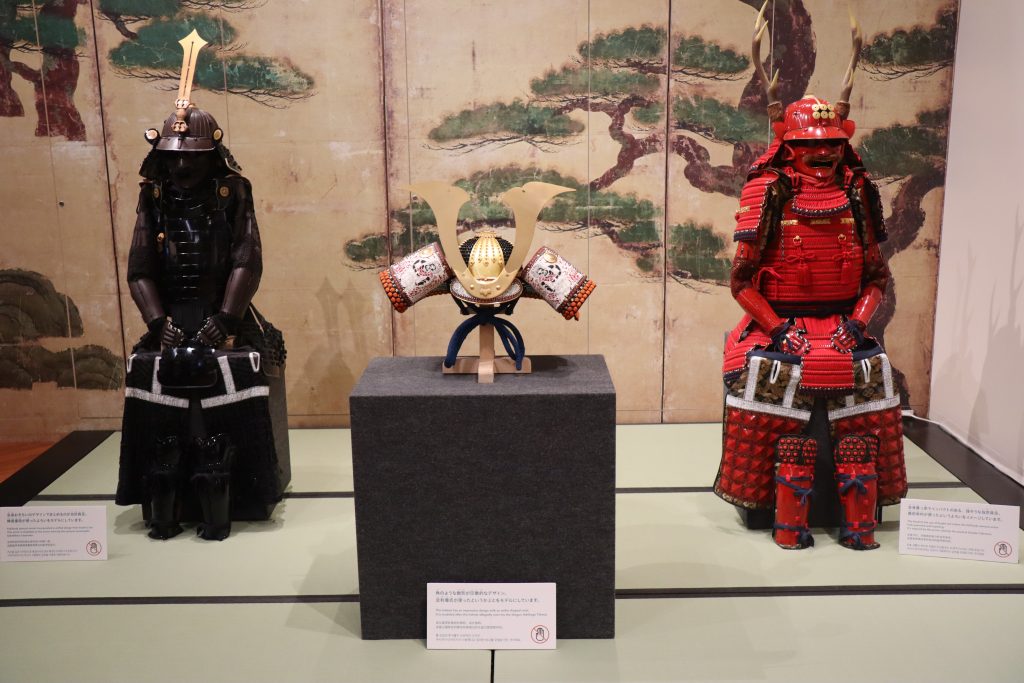
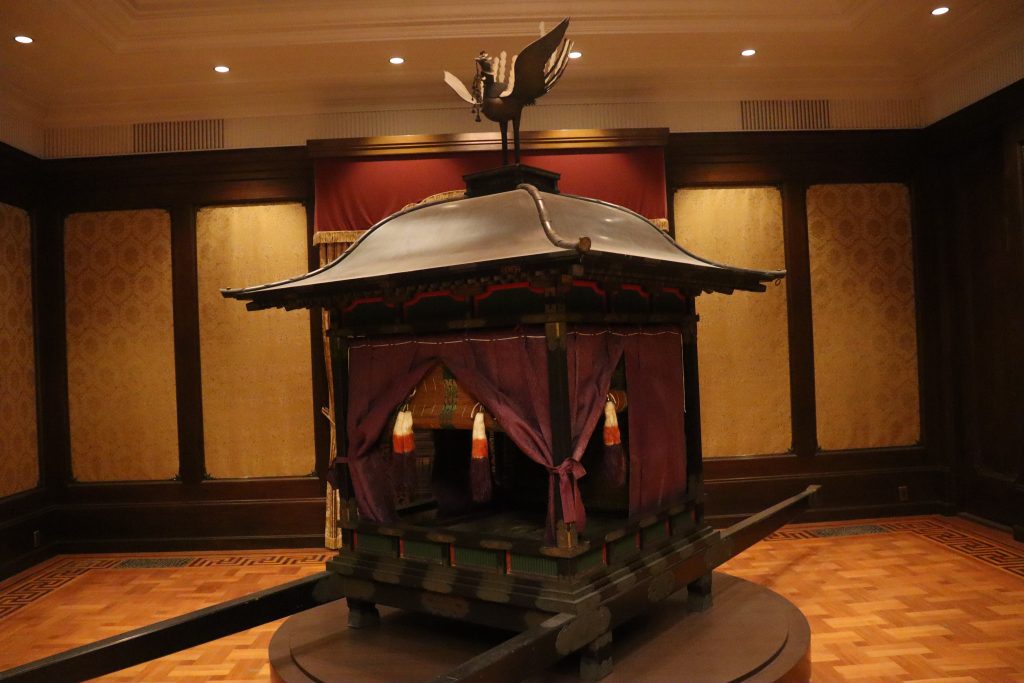
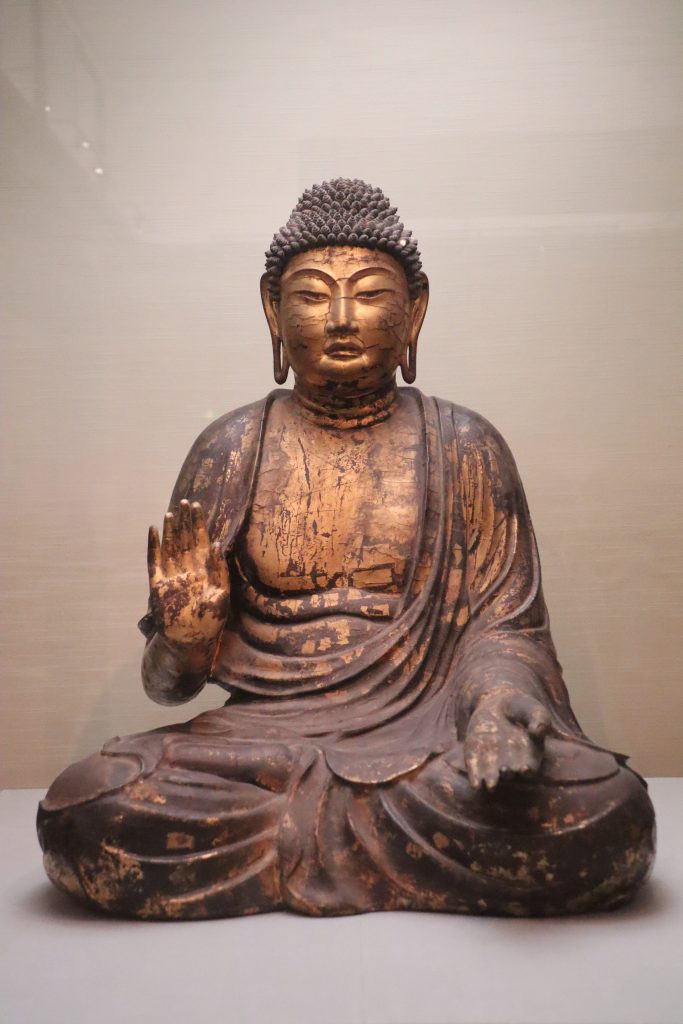
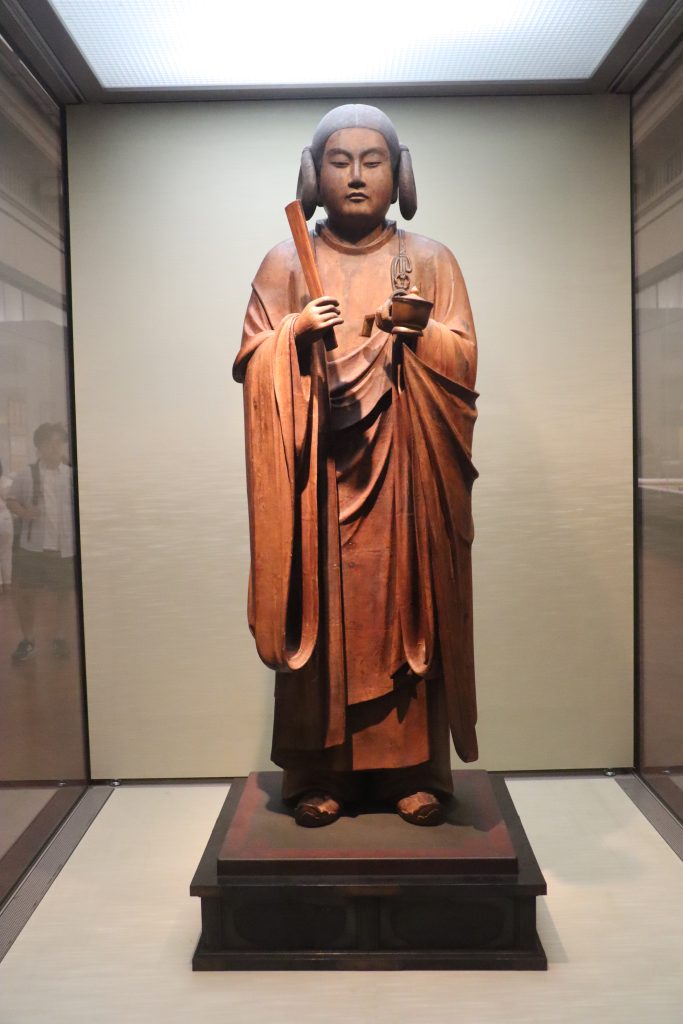
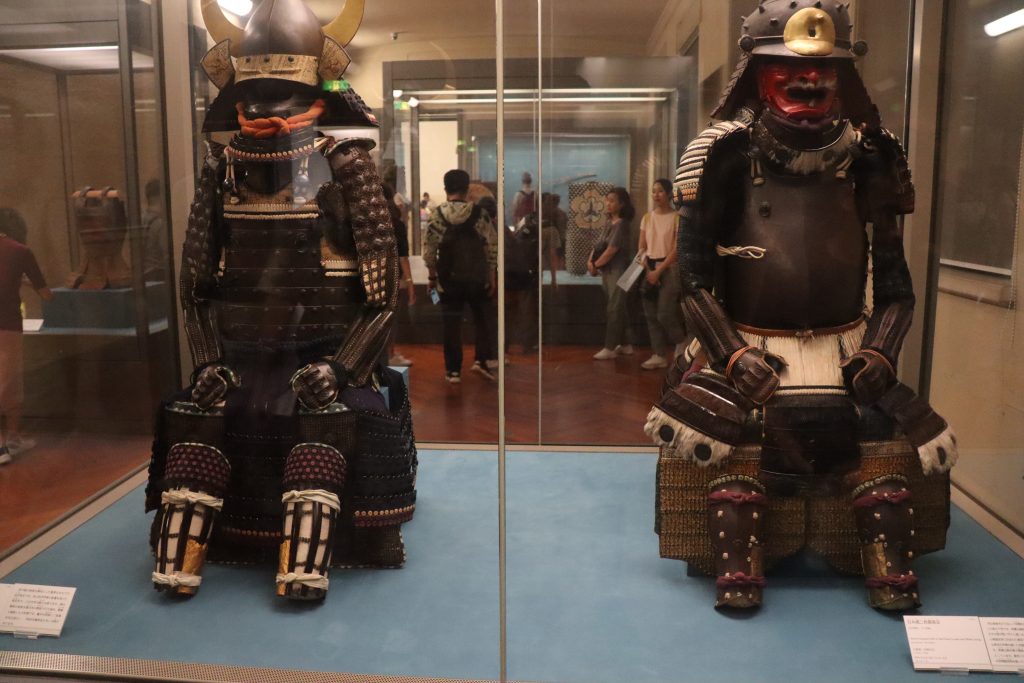
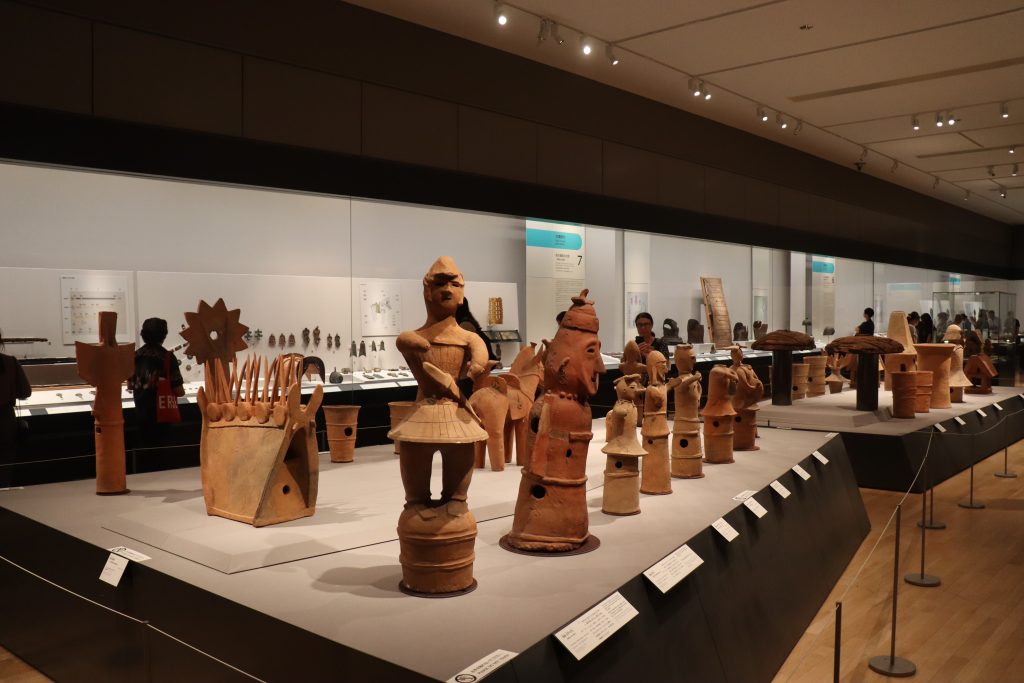
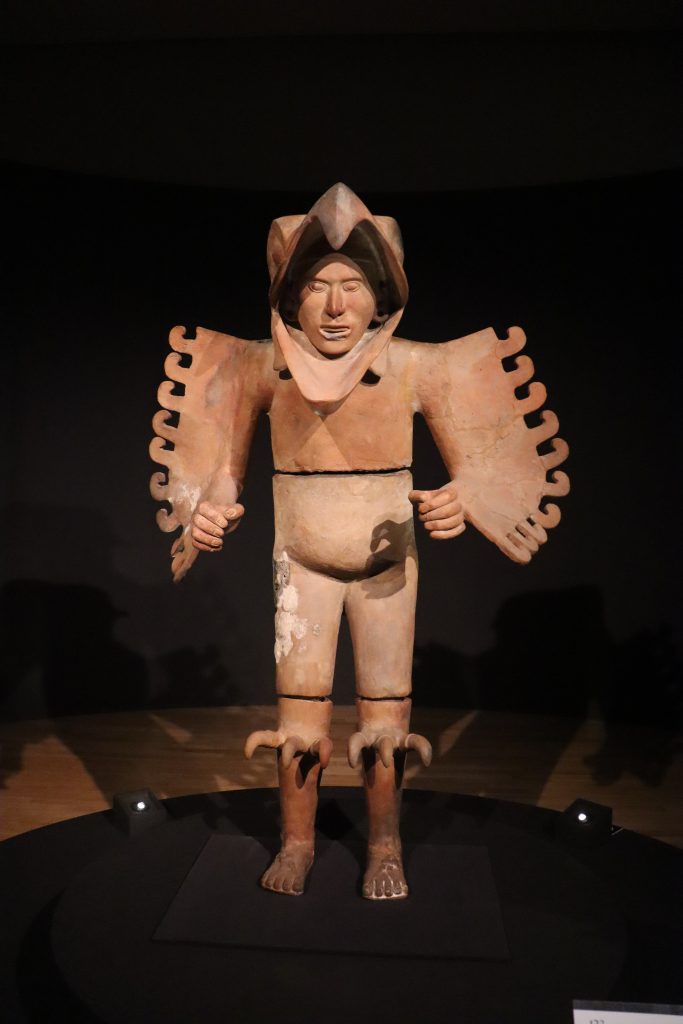
The Tokyo National Museum is the oldest national museum in Japan. It is an enticing museum that allows you to explore the history of this enchanting country. Statues, pottery items, and samurai armour can be found and admired at the museum. The museum’s garden is also beautiful. Sometimes, special exhibitions take place there. When I visited the place, there was an outstanding exhibition about Mexico.
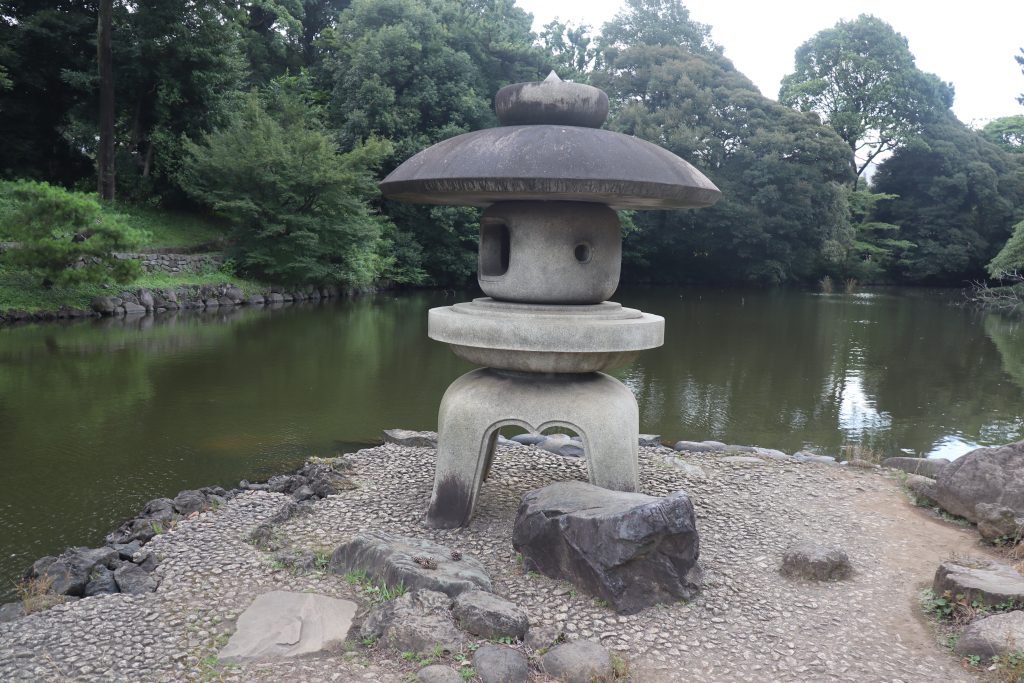
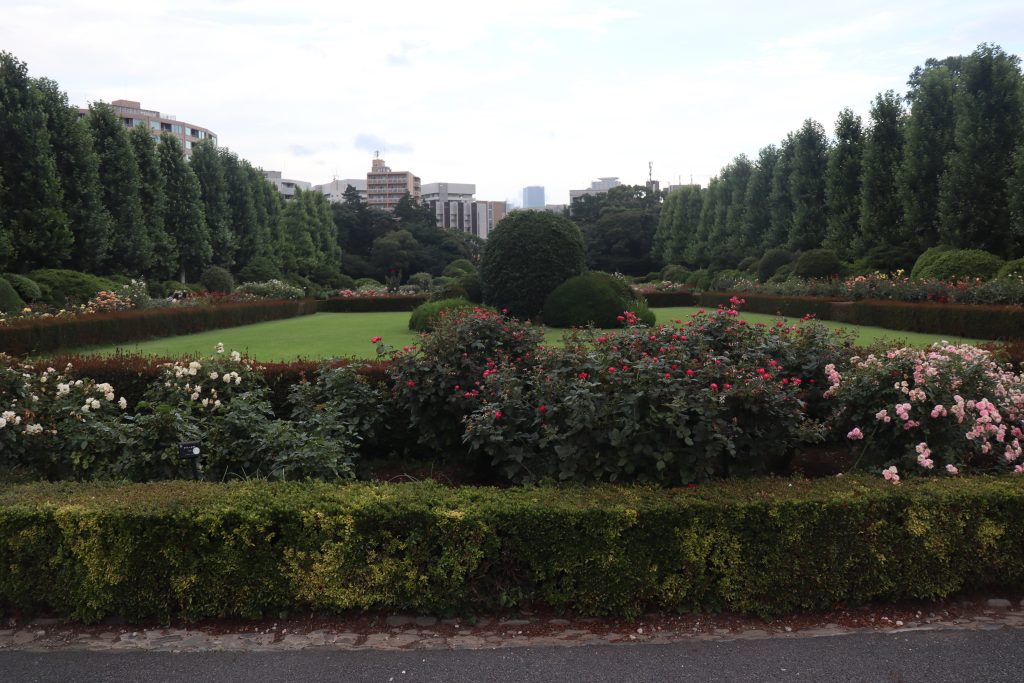
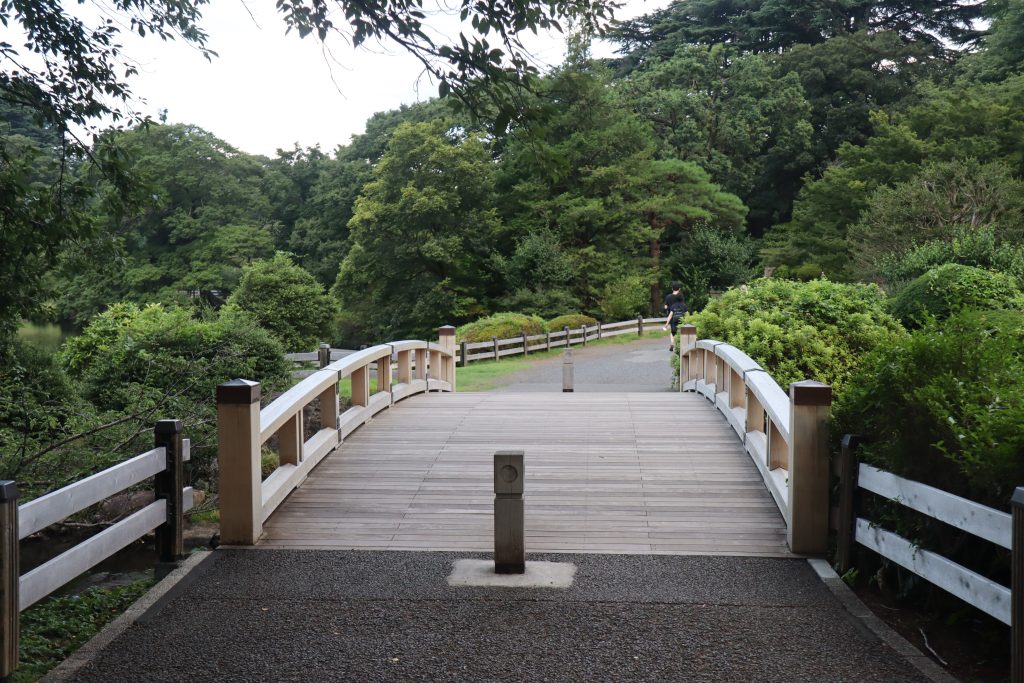
5) Shinjuku Gyoen National Garden
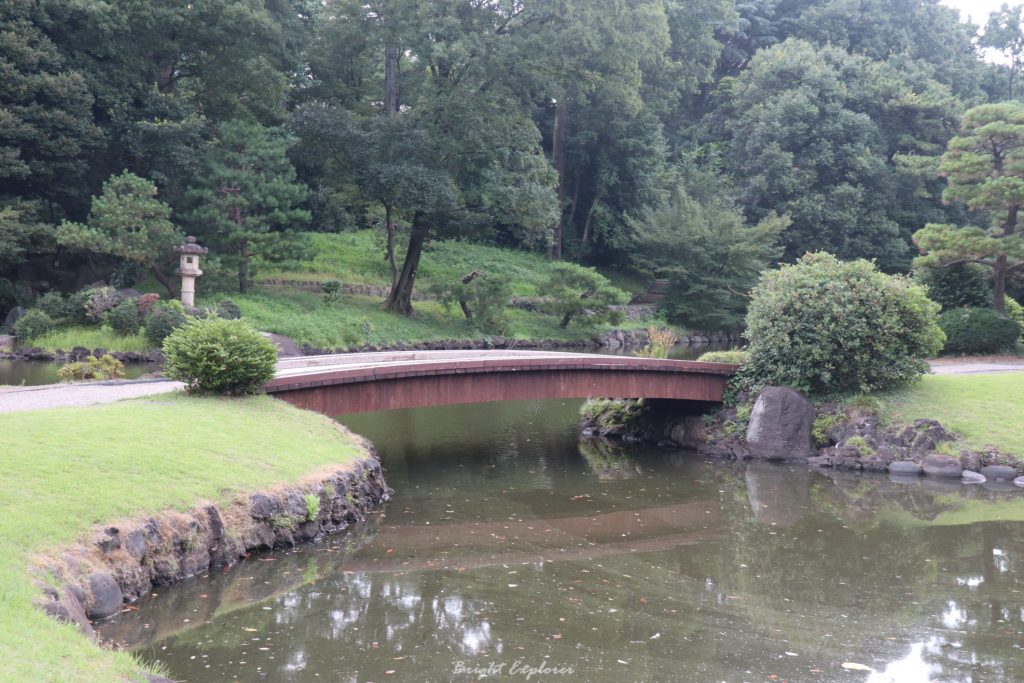
This national park, which has over 20,000 trees, including approximately 1,500 cherry trees, is my favourite place in Shinjuku. There is a small entrance fee to this magnificent park, but the serenity of the place will definitely compensate for it. Take your time and wander around slowly. After all, you are in the park because you want to escape from the rumble of the city.
6) Tokyo Tower
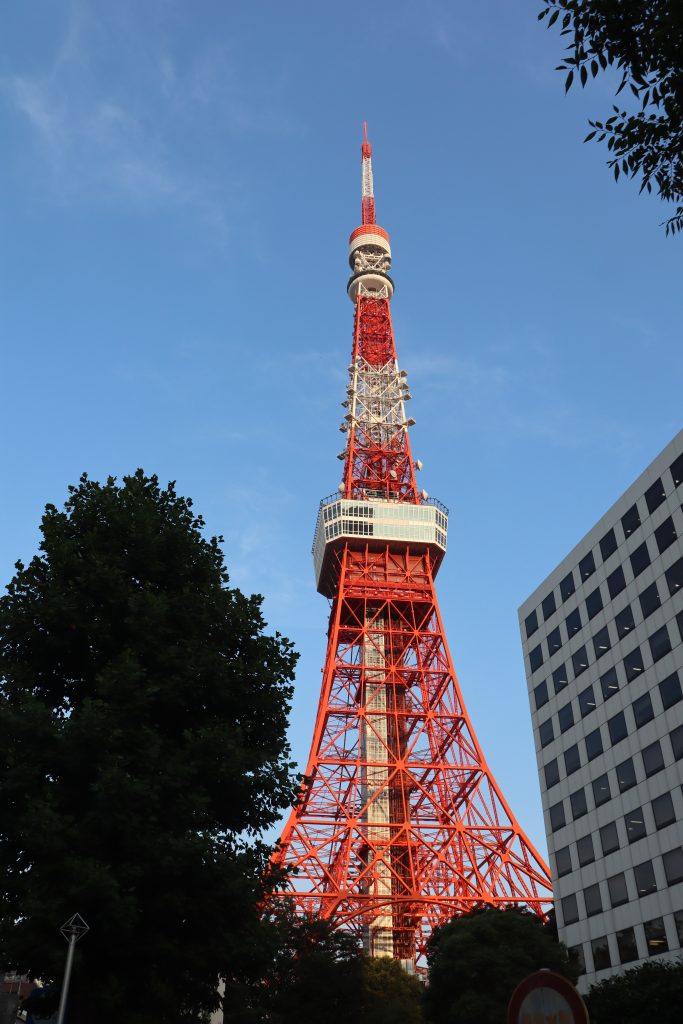
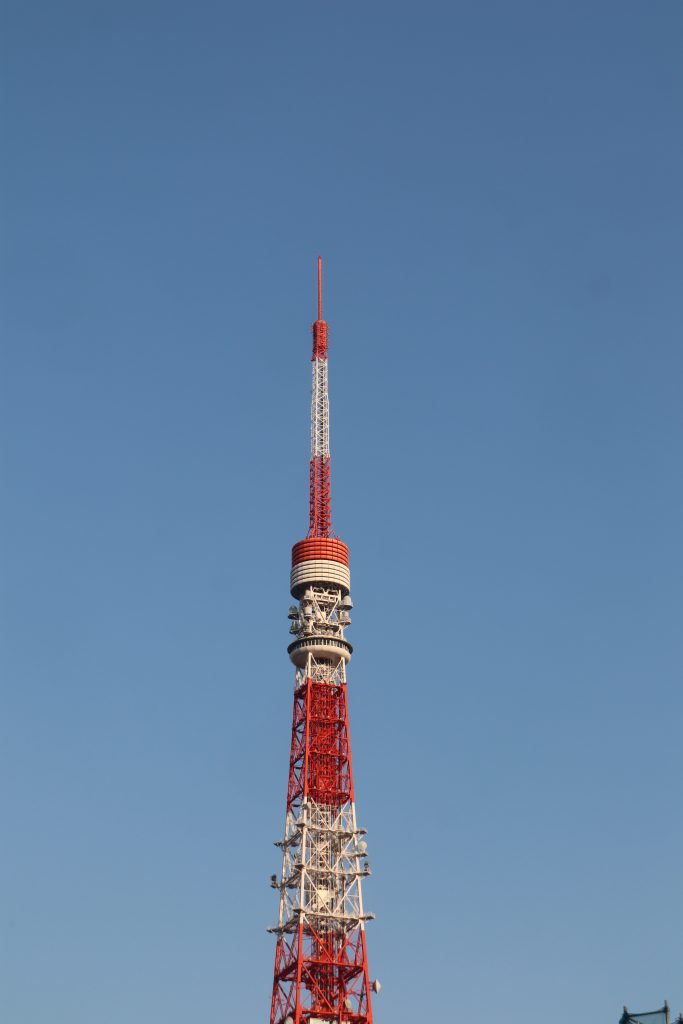
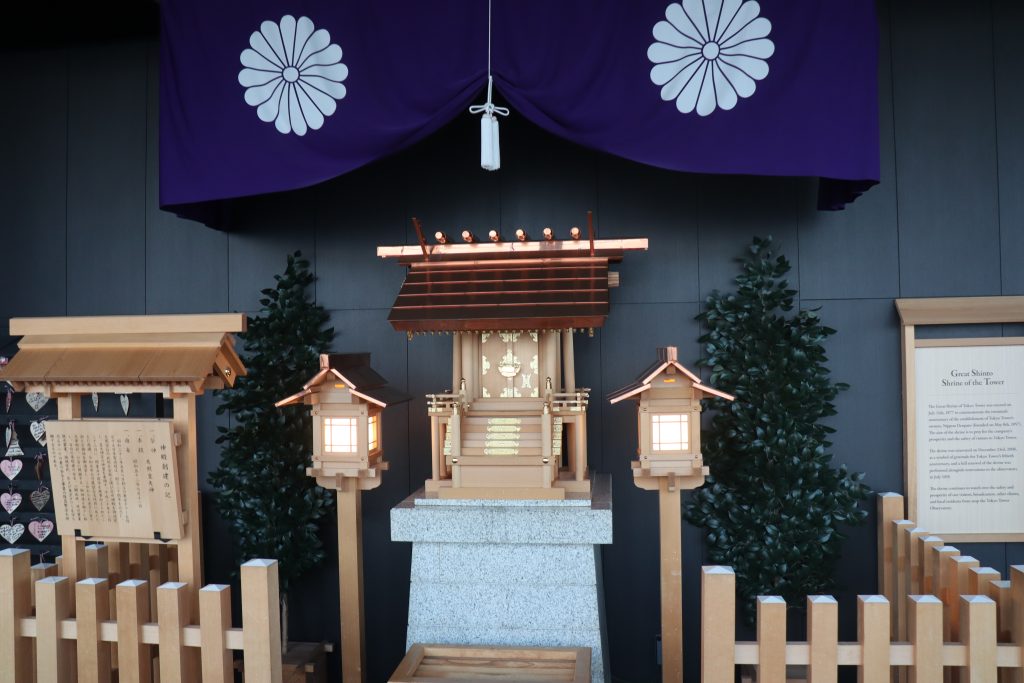
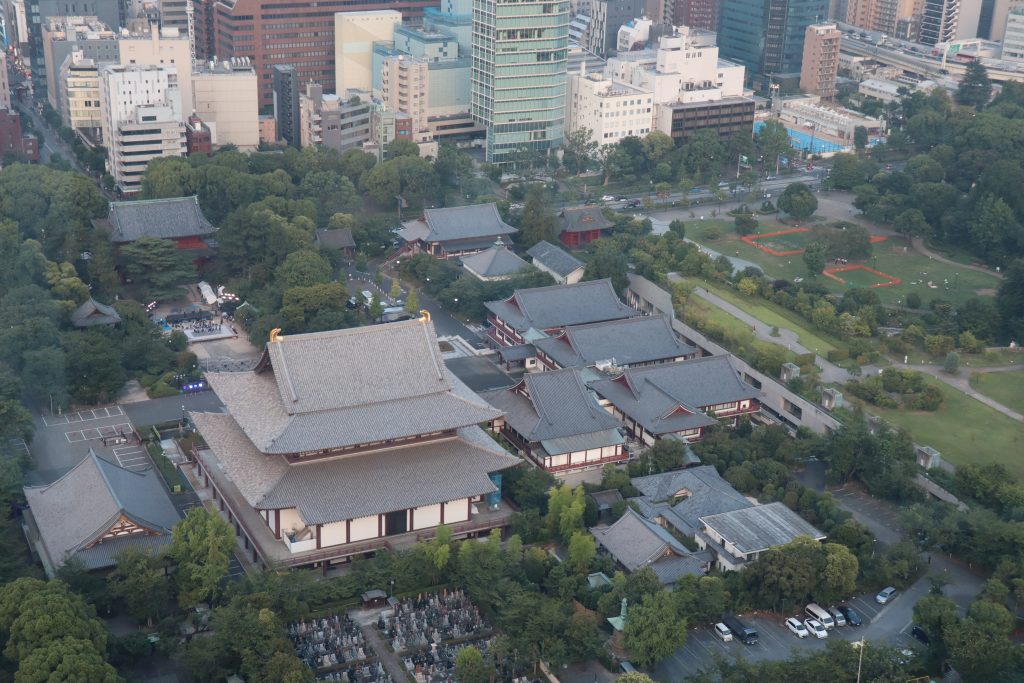
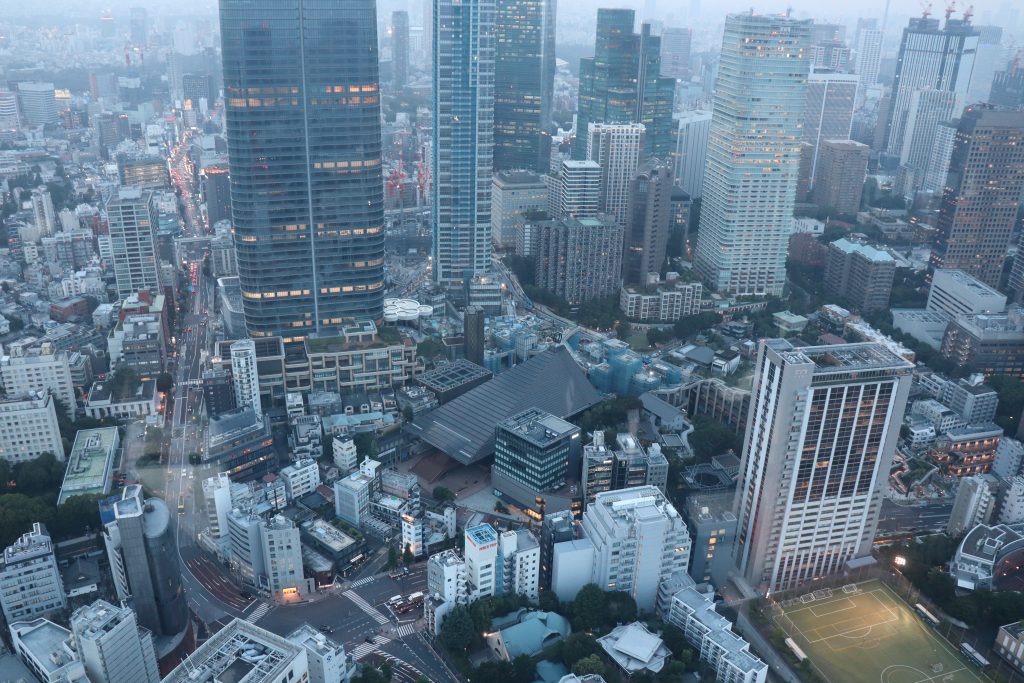
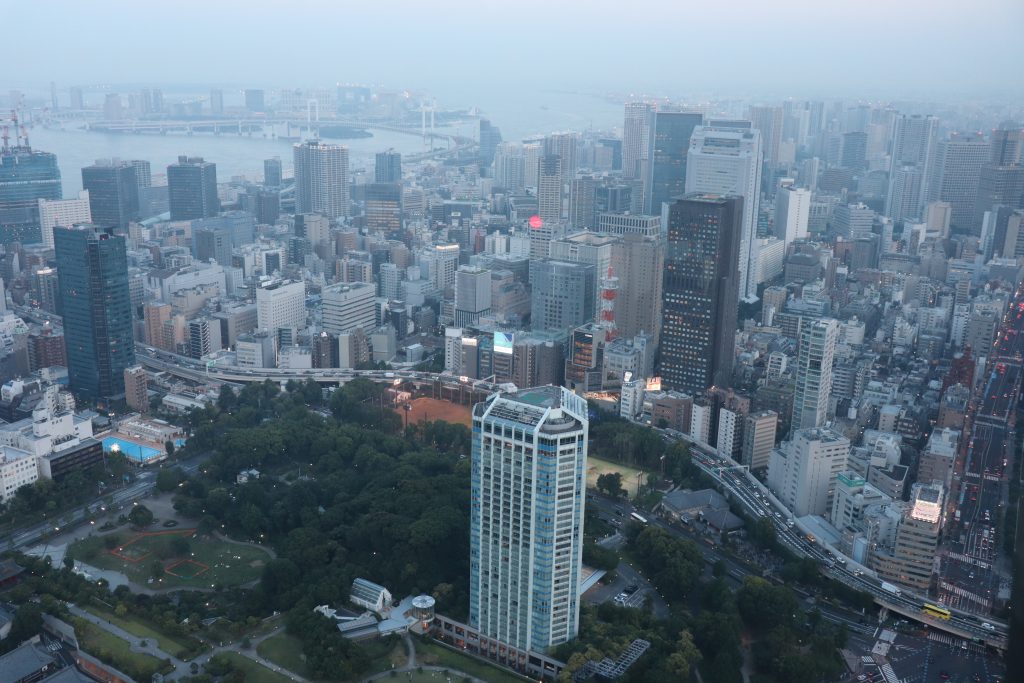
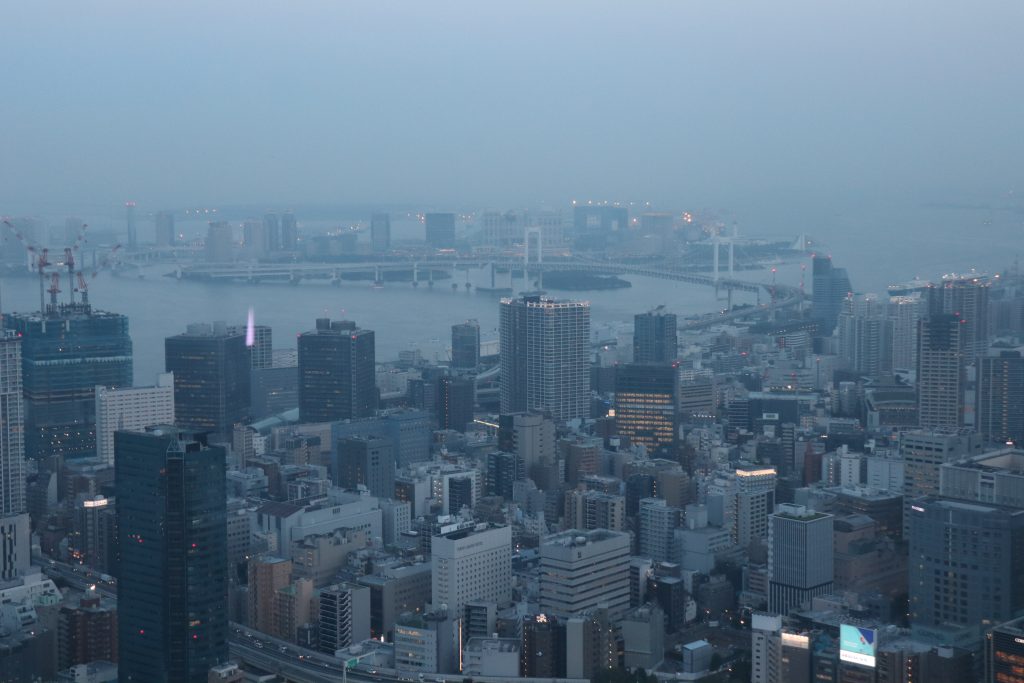
Tokyo Tower was the tallest tower in Japan, until Tokyo Skytree was constructed. The antennae of the tower are used for radio and television broadcasting. Japanese people seem to be very proud of their tower and offer tours on its two observation decks, where visitors can enjoy wonderful views of the metropolis. Nonetheless, the ticket is quite expensive for what is offered and I recommend that you choose to visit either this tower or the Tokyo Skytree, but not both, unless you plan to stay many days in the city and you want to visit every single landmark.
7) Hanazono Shrine
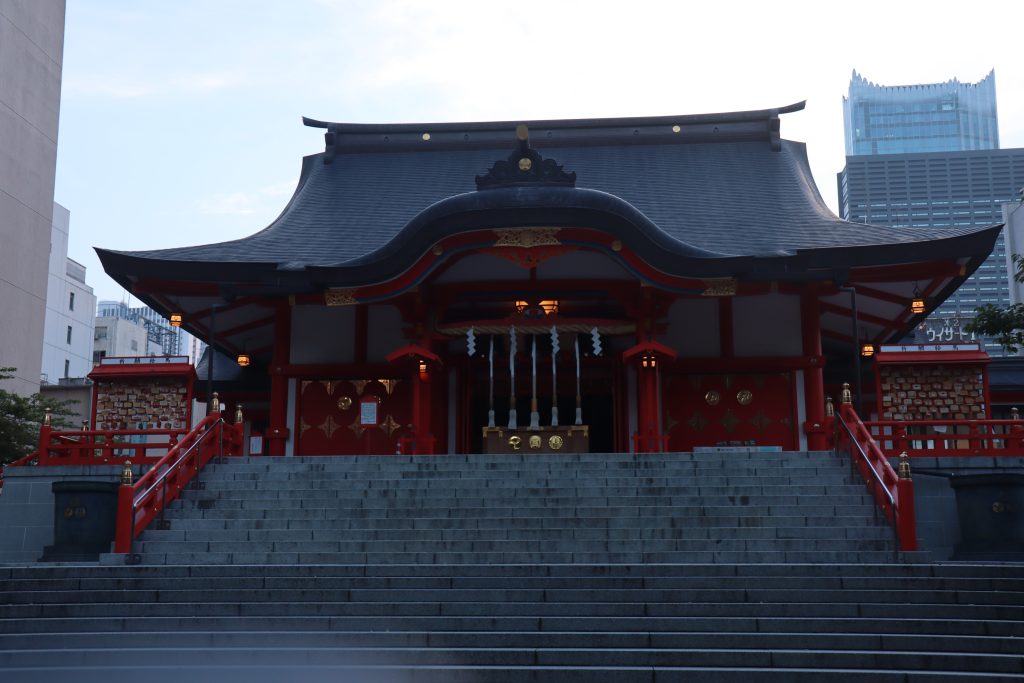
The Hanazono Shrine is a small but historic Shinto shrine in Shinjuku. Although it is one of the most important Shinto shrines in Japan, it is easily accessible, and visitors do not need to spend much time there. Therefore, I suggest visiting it, taking a break from the noise of the city, and enjoying the serenity of the place.
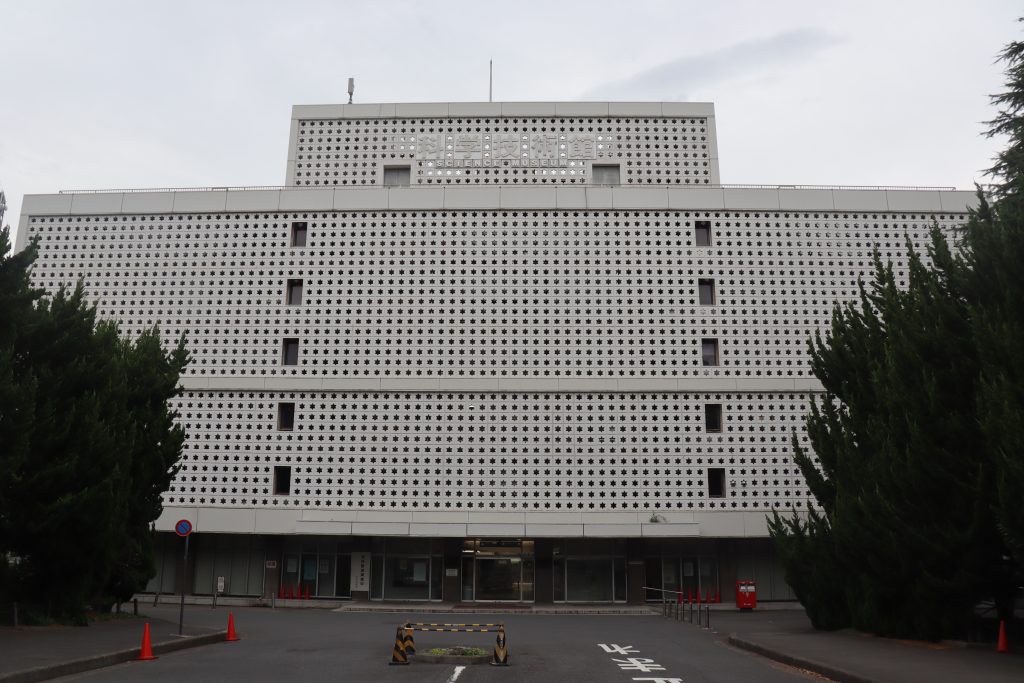
8) Science Museum
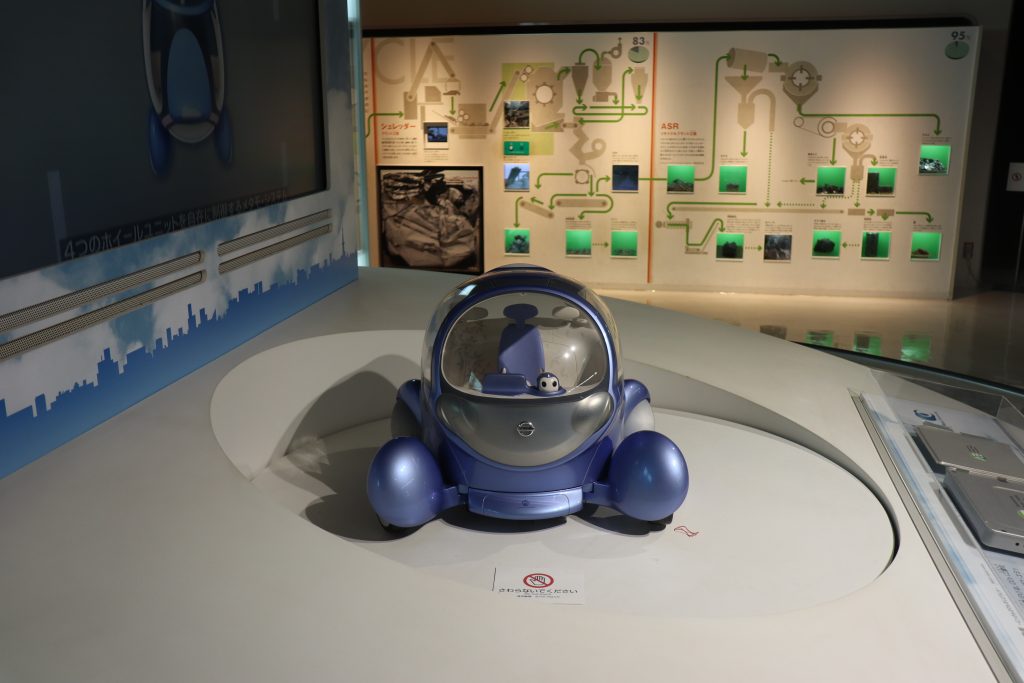
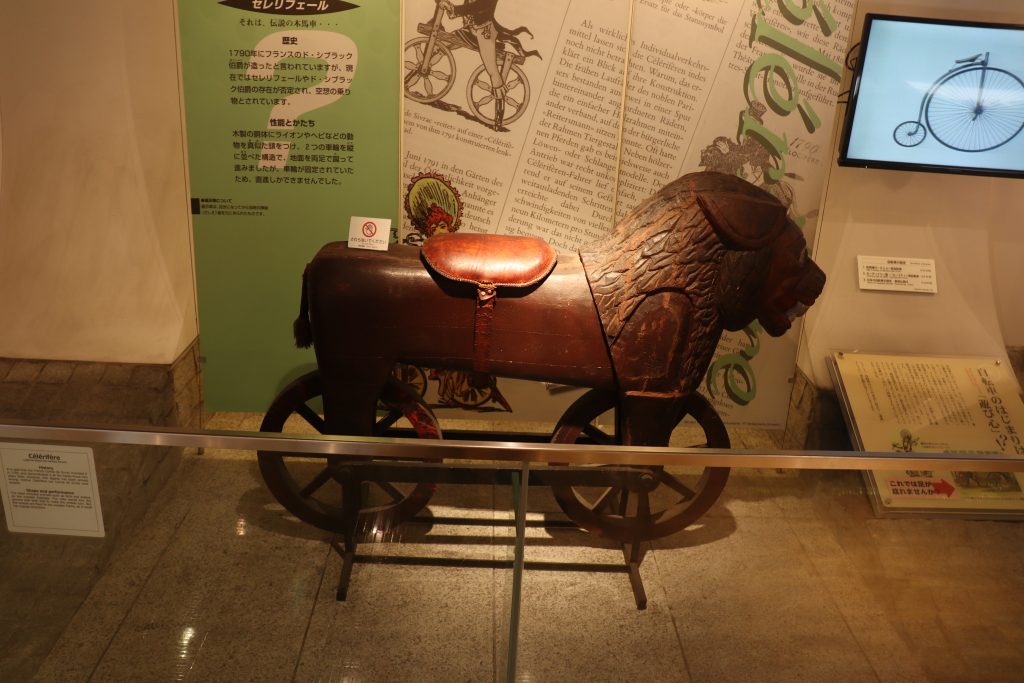
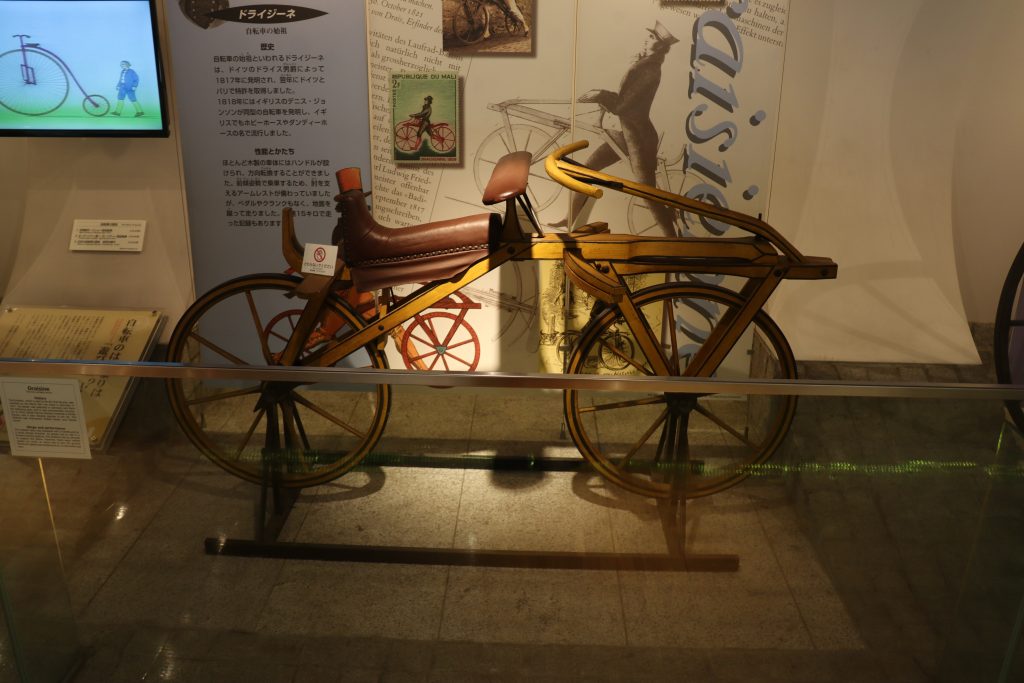
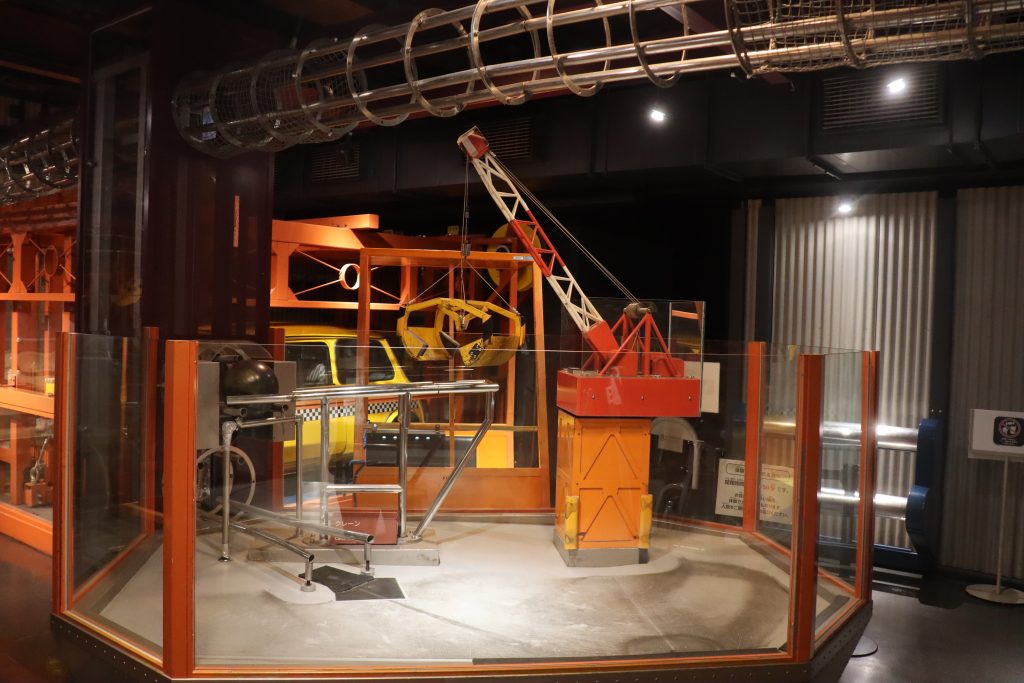
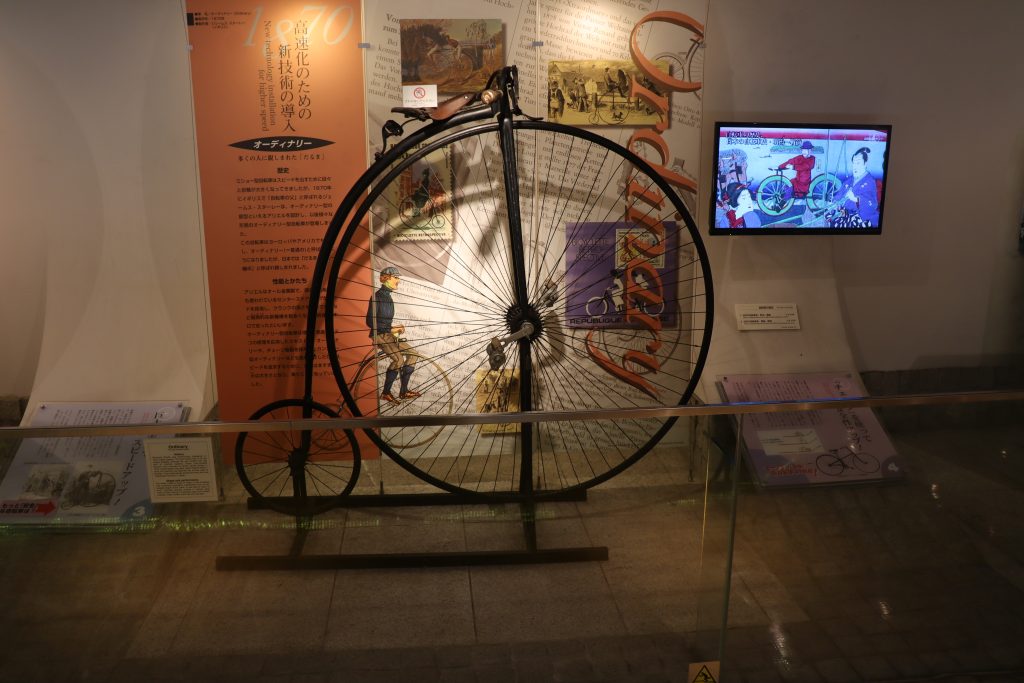
This is by no means a boring museum! The wide range of interactive exhibits gives the chance of becoming a child again to every curious mind. Robots, bicycles, vehicles, and unusual equipment can be found in the large building in Kitanomaru Park, where the museum is located.
9) Shibuya Crossing
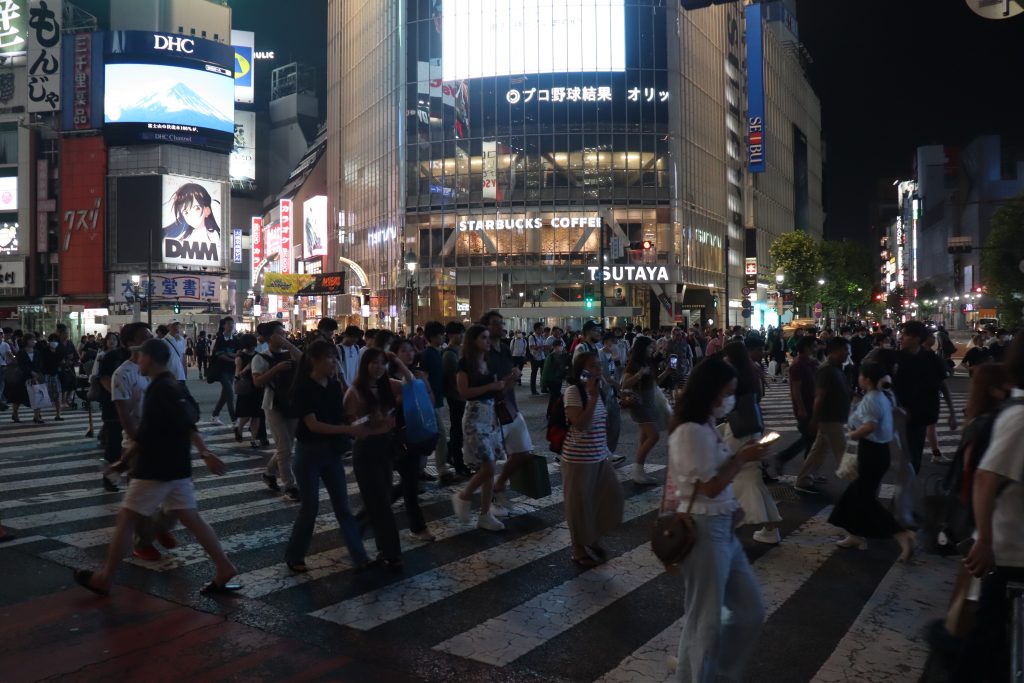
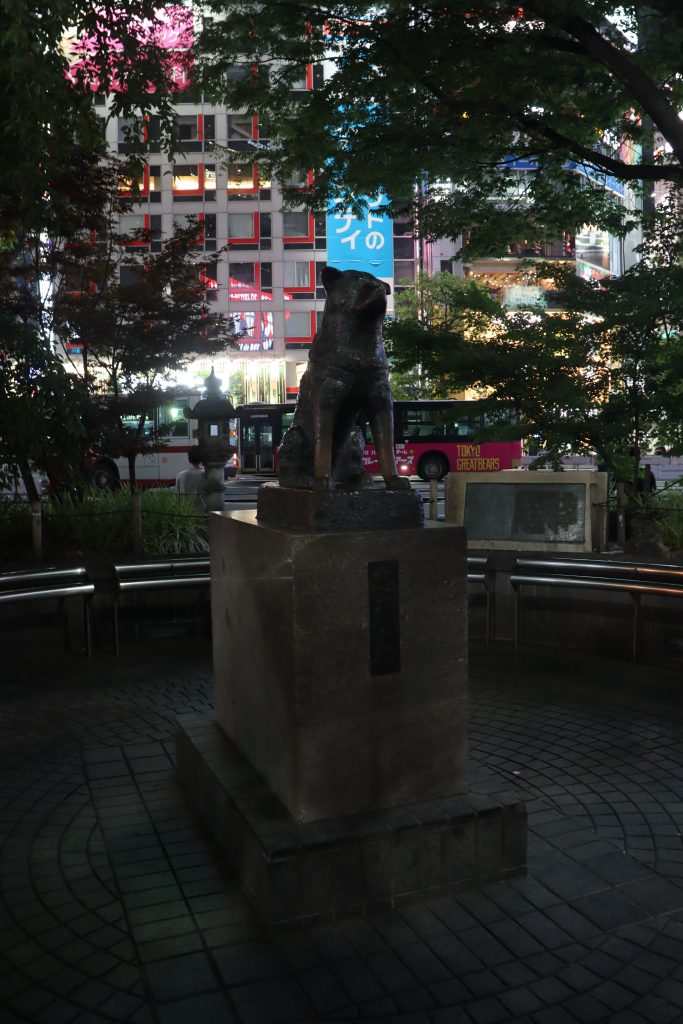
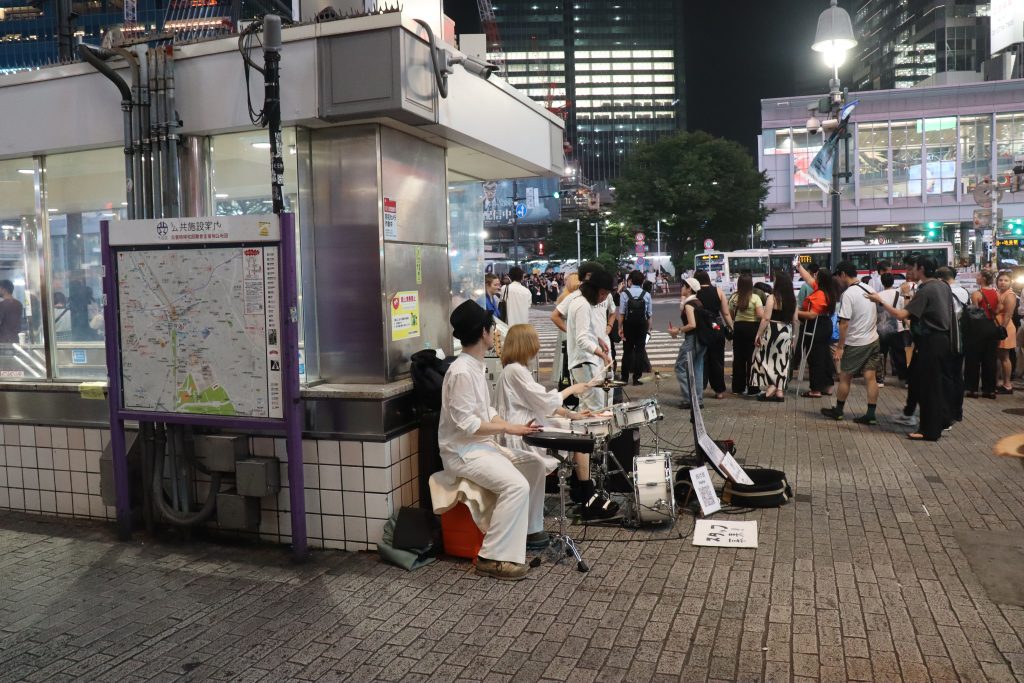
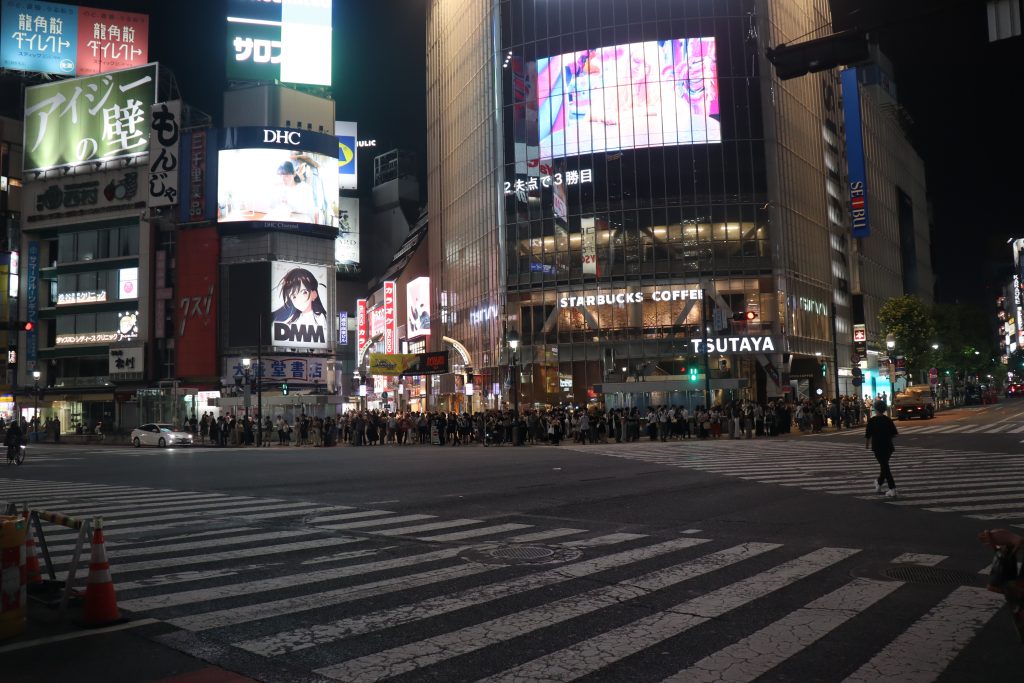
Watching large crowds cross the road is certainly not my idea of fun. Nonetheless, Shibuya Crossing is considered the world’s busiest pedestrian crossing, and consequently you might want to visit one of the most famous landmarks of the hectic metropolis. Actually, the word hectic discovers its true meaning here! The statue of Hachiko, the loyal dog, can be found at the crossing and has become a meeting point for both locals and tourists.